
Where to Get RedTouch Pro in Bangkok?
-

Author: Dr. Songsak Suksantilap (Dr. Bank)
Reading time 10 minutes - September 2, 2026

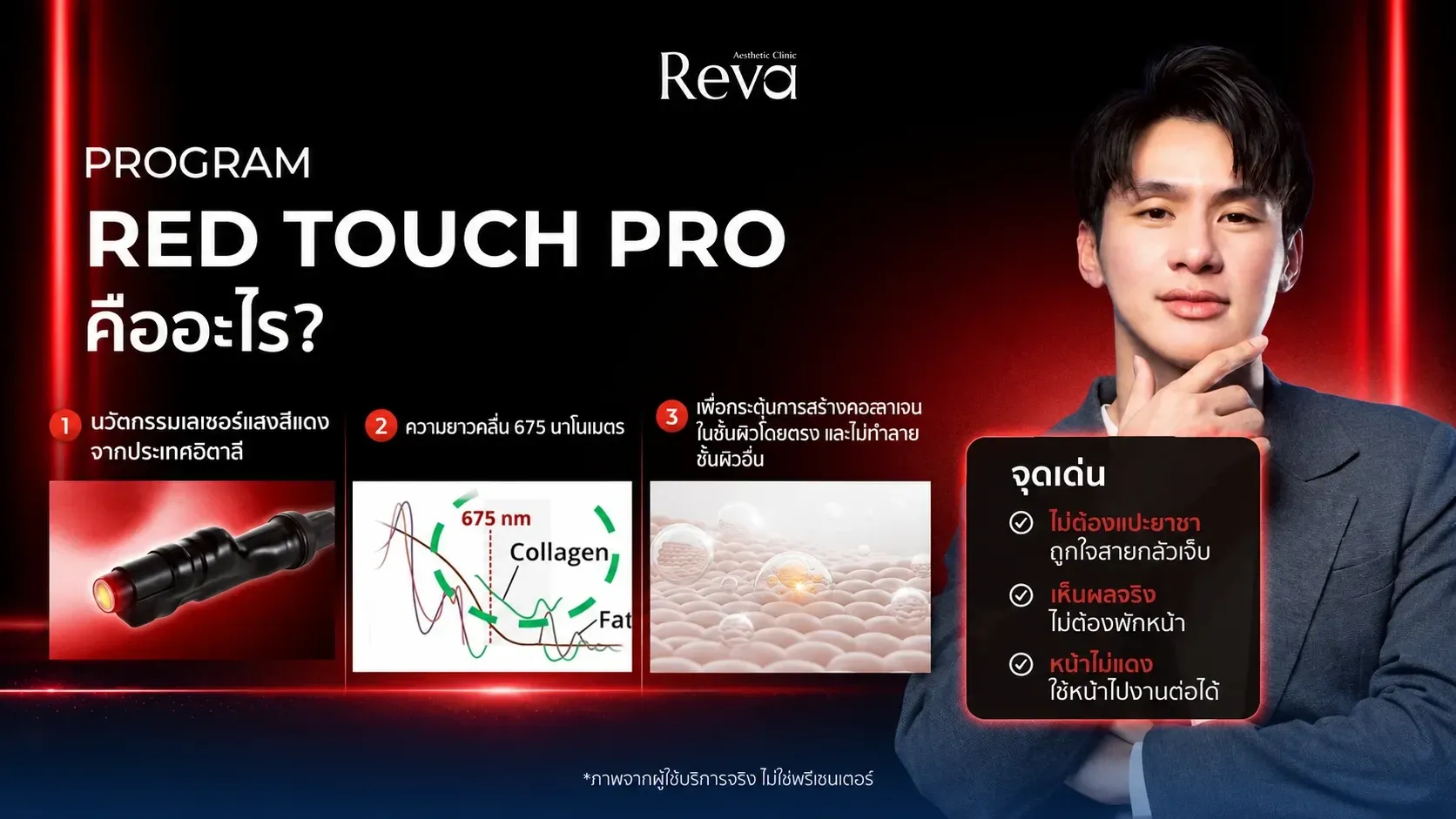

In recent years, aesthetic trends have gradually shifted from dramatic facial transformation toward restoring overall skin quality. Many people today prefer healthier-looking skin that appears naturally radiant and refreshed without looking overly treated.
One of the programs gaining attention in this category is Program Red Touch, a laser treatment designed to help improve redness, acne marks, and overall skin quality. It is often paired with Program Vitaran i to support skin recovery and rejuvenation from multiple aspects.
In this article, Reva Clinic explores what Red Touch is, how it works, who it may be suitable for, and the concept behind combining it with Program Vitaran i.
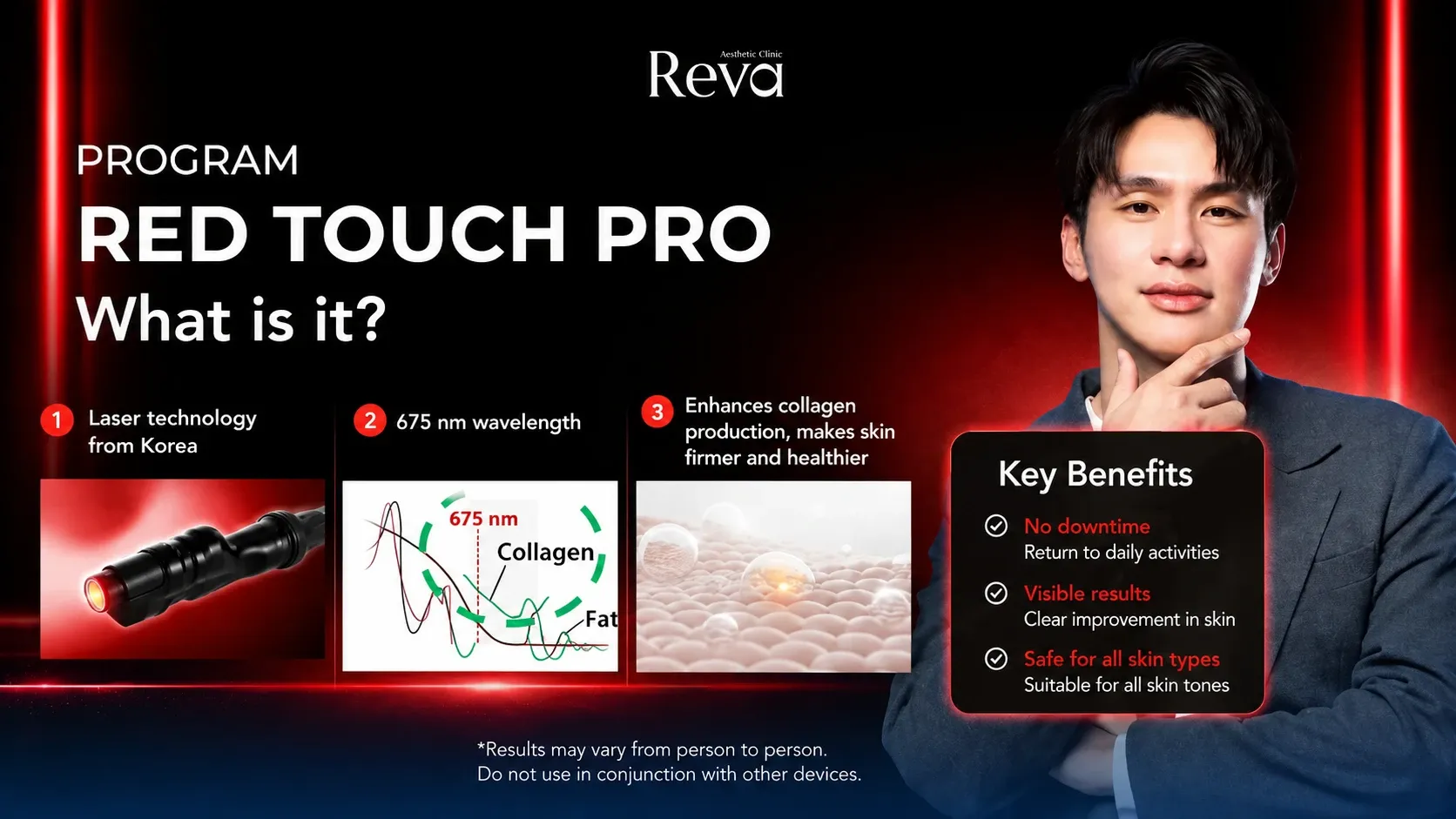
Program Red Touch is a skin-focused laser treatment designed to help improve:
Redness
Uneven skin tone
Tired-looking skin
Collagen stimulation
Overall skin quality
This laser treatment is designed to work gradually with the skin, supporting skin rejuvenation while maintaining a natural-looking appearance.
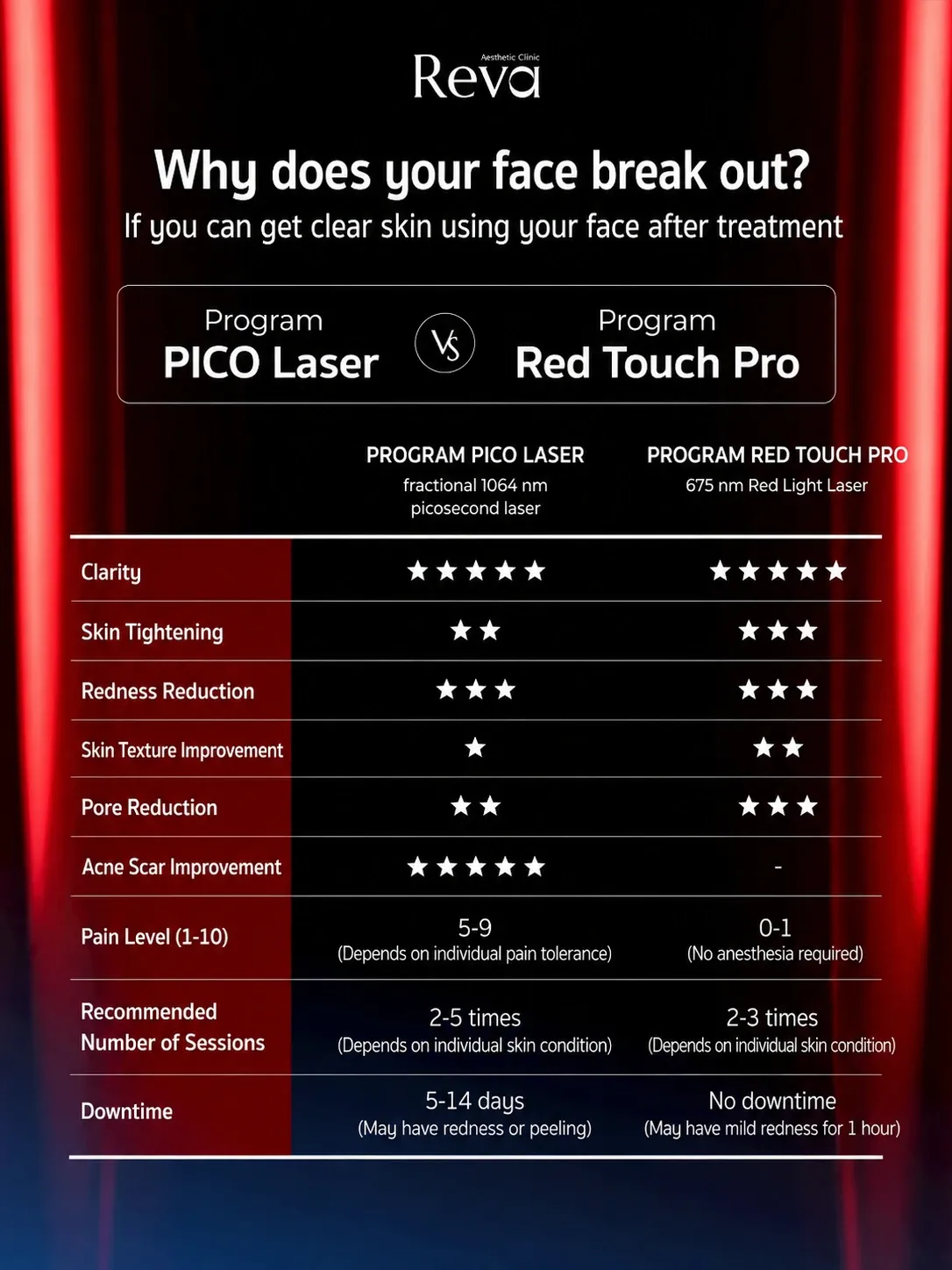
Red Touch uses laser energy at wavelengths associated with skin stimulation and collagen support. Physicians adjust the treatment settings based on each individual’s skin condition and sensitivity.
Many individuals seek this treatment for benefits such as:
Smoother-looking skin
Reduced appearance of redness
A more radiant complexion
Skin that appears refreshed and less fatigued
Results may vary from person to person depending on baseline skin condition and post-treatment care.
One of the reasons many people are interested in Program Red Touch is its focus on improving “skin quality” rather than significantly altering facial structure.
This approach makes it suitable for individuals who want healthy-looking, naturally radiant skin without an overdone appearance.
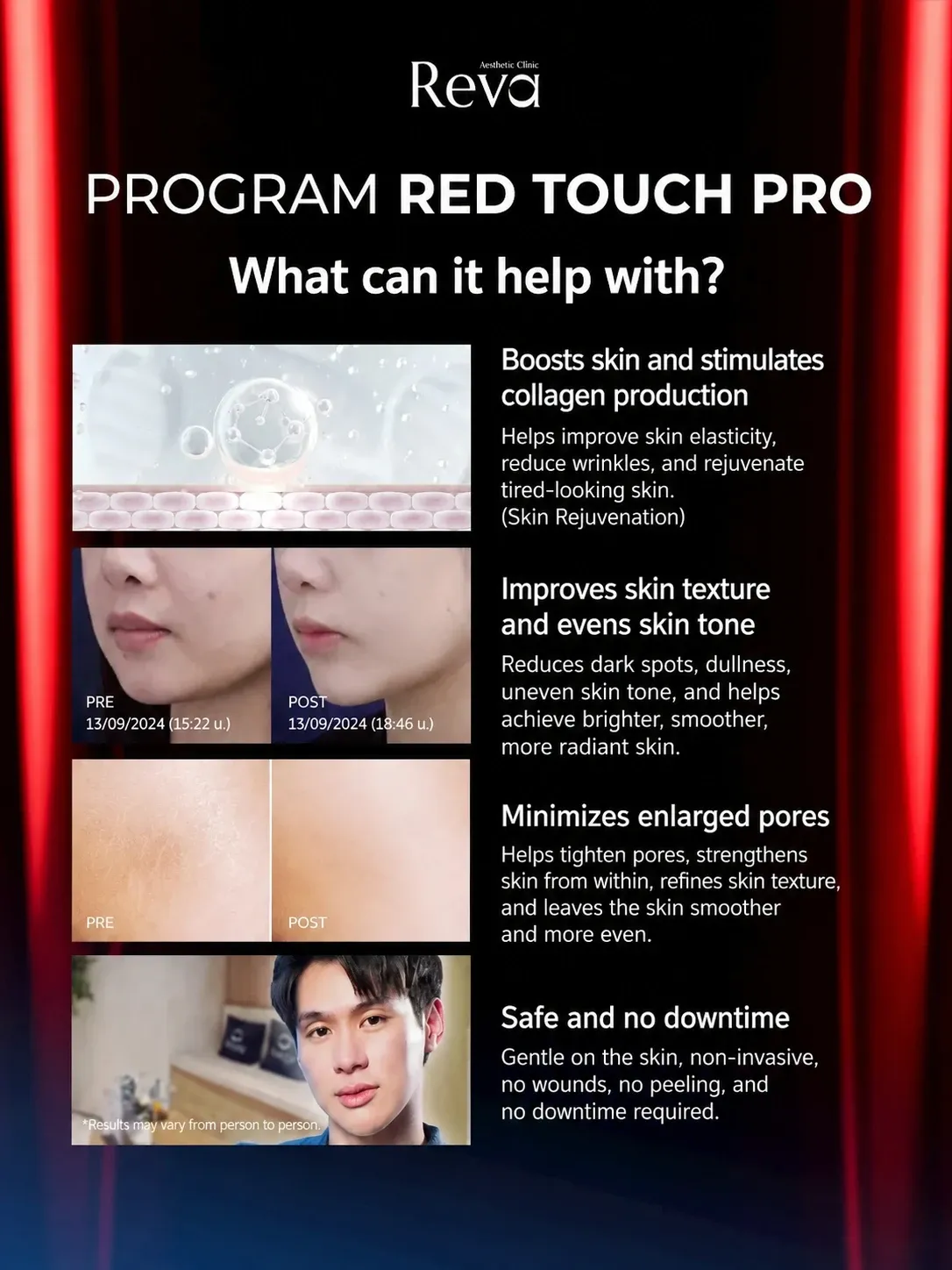
Program Red Touch is often considered for individuals experiencing concerns such as:
Post-acne redness
Uneven skin tone
Easily irritated skin
As collagen levels naturally decline with age, the skin may begin to lose firmness and smoothness. Treatments focused on collagen stimulation have therefore become increasingly popular among individuals in their 30s and beyond.
In some cases, Red Touch may be combined with other treatments to support the appearance of smoother skin texture and mild acne scars. Treatment plans are individually designed by physicians based on skin condition and goals.
Another reason many individuals choose this program is to improve overall “skin glow” and achieve a naturally refreshed complexion.
Program Vitaran i is a skin rejuvenation treatment in the Polynucleotide (PN) category designed to support the skin’s natural repair process.
The concept behind this treatment focuses on helping the skin appear healthier from within while supporting hydration and overall skin quality.
Polynucleotide (PN) is a substance commonly used in skin rejuvenation treatments. It is associated with supporting skin repair processes and long-term skin quality improvement.
Many individuals choose Program Vitaran i because they want:
More hydrated-looking skin
Naturally plumper-looking skin
Reduced appearance of skin fatigue
Skin-focused rejuvenation rather than facial reshaping
Although these two programs work differently, physicians may recommend combining them in certain cases because they can complement each other.
Multi-Dimensional Skin Support
Red Touch → focuses on skin quality, redness, and collagen stimulation
Vitaran i → focuses on skin recovery, hydration, and skin repair support
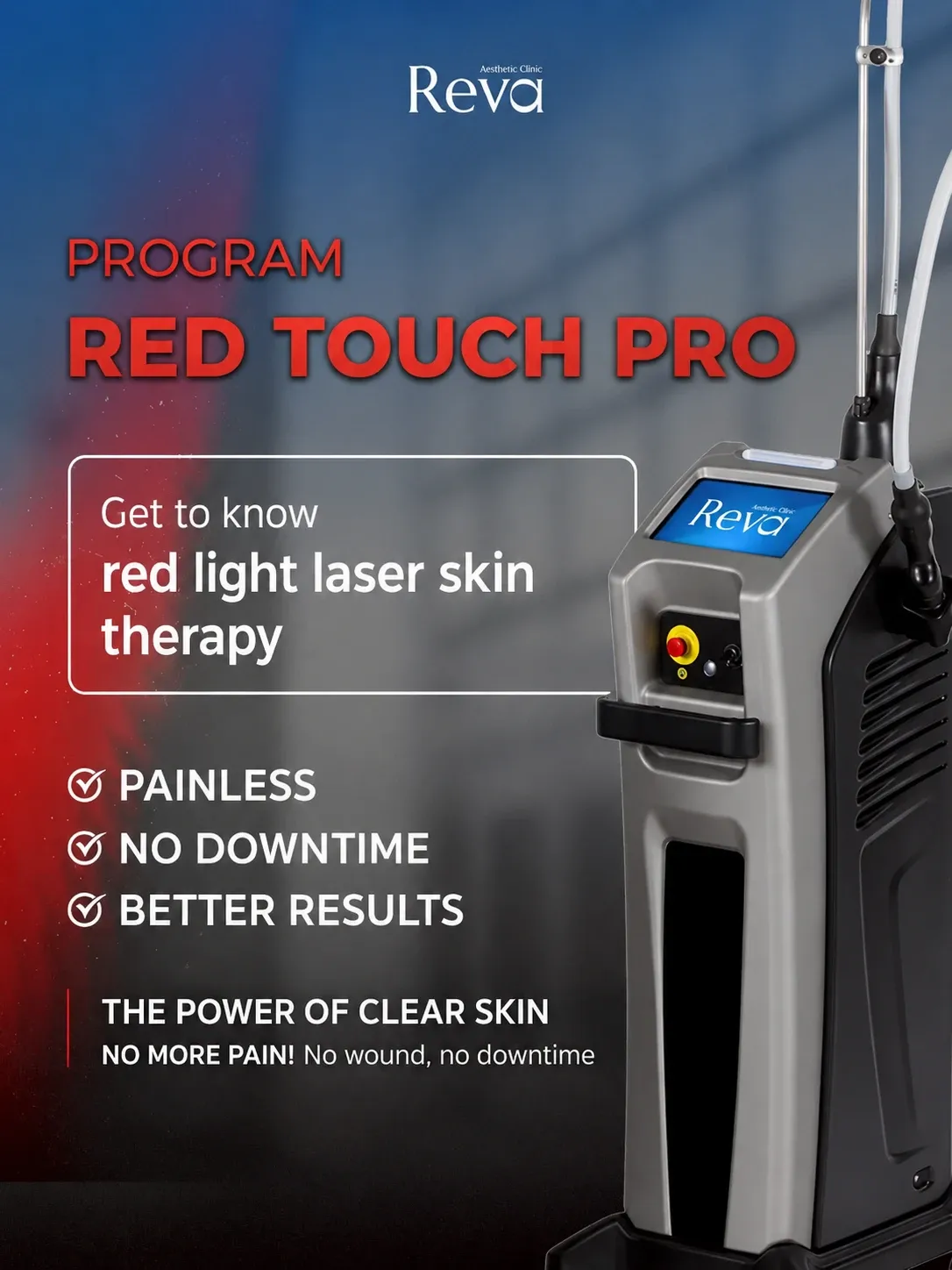
Program Red Touch may be suitable for individuals with concerns such as:
Post-acne redness
Tired-looking skin
Dull skin tone
Early signs of declining skin quality
A preference for natural-looking skin rejuvenation
The desire for treatments with minimal downtime
At Reva Clinic, physicians begin by carefully evaluating each individual’s skin condition and concerns before designing a personalized treatment approach.
Factors that may be considered include:
Existing skin condition
Skin sensitivity
Previous aesthetic treatment history
Desired treatment goals
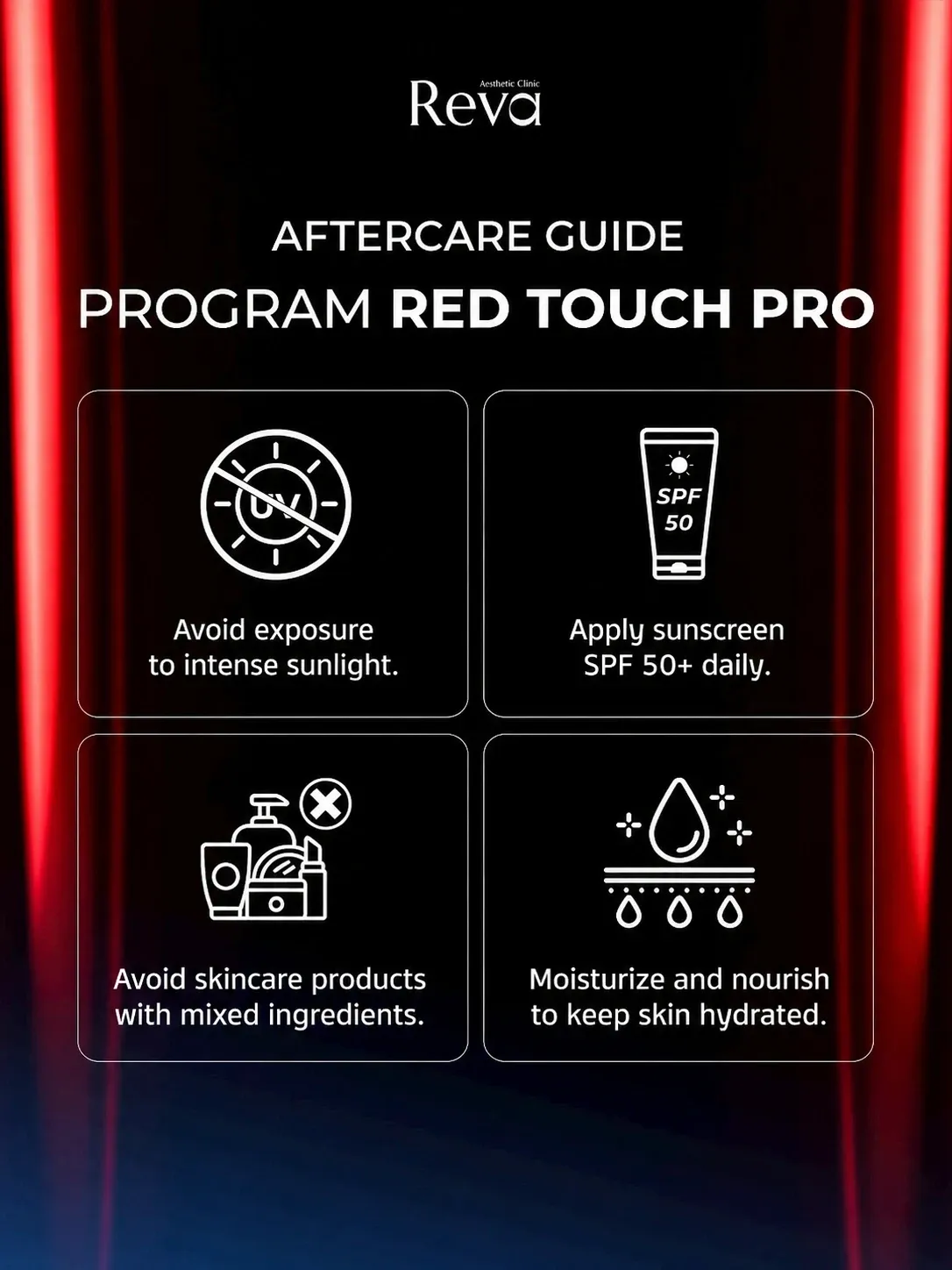
After treatment, gentle skincare is recommended, including:
Applying sunscreen regularly
Avoiding excessive heat exposure during the first few days
Using non-irritating skincare products
Getting adequate rest
The number of sessions depends on several factors, including:
Skin concerns
Individual expectations
Personal skin response to treatment
Some individuals may begin noticing improvements in skin smoothness or radiance after following a treatment plan consistently as recommended by their physician.
Many individuals seek this treatment approach to achieve:
Smoother-looking skin
A more radiant complexion
Reduced appearance of redness
Skin that appears more refreshed and well-rested
However, results vary between individuals, and treatment outcomes cannot be guaranteed.
Program Red Touch is a skin rejuvenation laser treatment focused on improving redness, acne marks, and collagen stimulation to support smoother and naturally glowing skin.
Meanwhile, Program Vitaran i is a Polynucleotide (PN)-based skin rejuvenation approach designed to support hydration and overall skin quality from within.
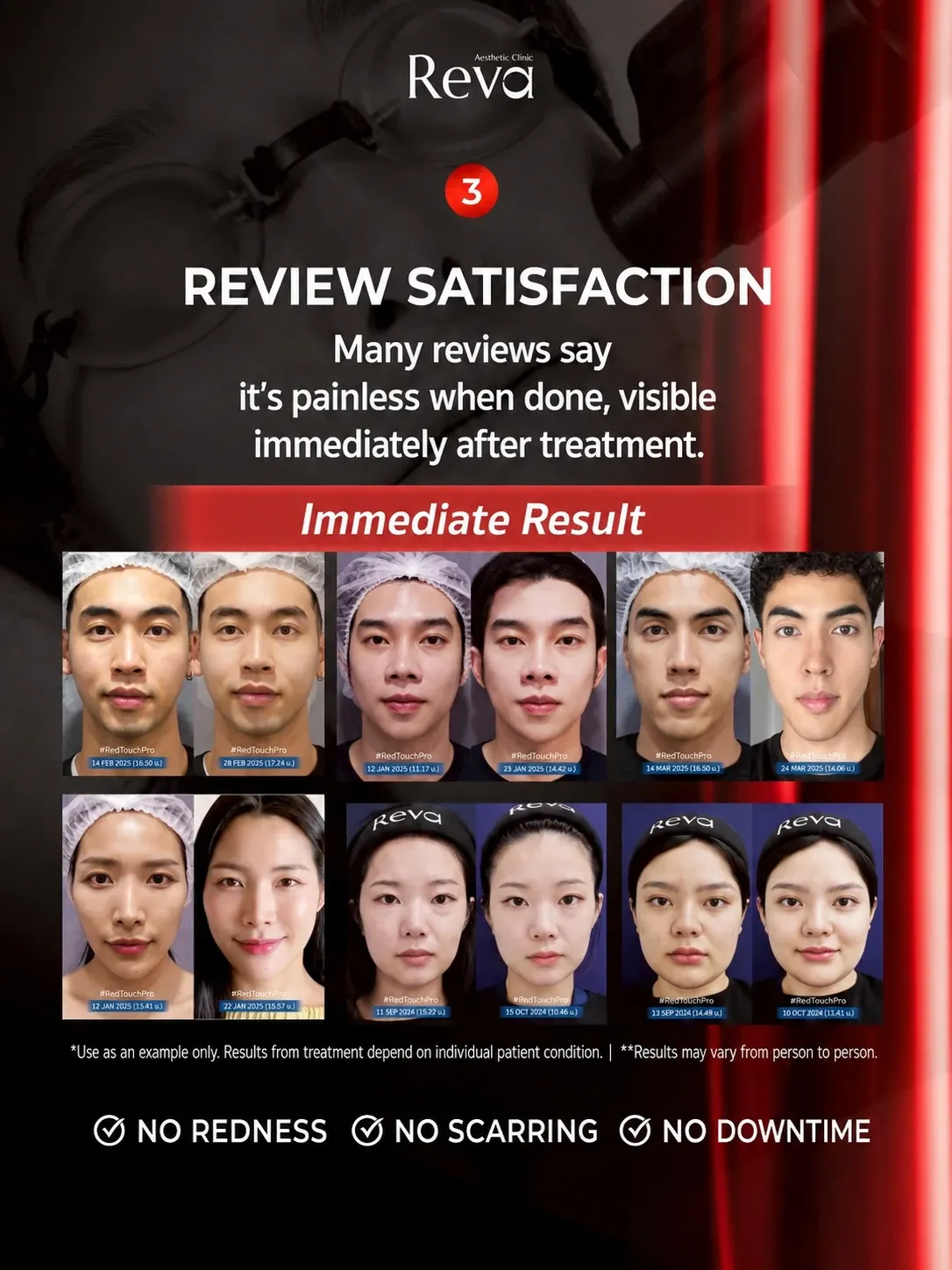
A3: Sensations during treatment vary between individuals. Many people describe the feeling as mild warmth or slight tingling during the procedure.
A4: Some individuals may experience mild pinkness after treatment, but downtime is generally minimal, depending on individual skin sensitivity.
A5: Program Vitaran i is a Polynucleotide (PN)-based skin rejuvenation treatment focused on supporting skin repair and overall skin quality.
A7: In certain cases, physicians may recommend combining both treatments to support skin quality, hydration, and redness concerns simultaneously.
A9: The number of sessions depends on each individual’s skin concerns and desired outcomes, as assessed by the physician.
A11: Individuals with sensitive skin should undergo physician assessment first to determine the most appropriate treatment approach.
Reviewed by: DR.Bank - Dr. Songsak Suksantilap (MD, License No. 55316)
Dr.Pond - Dr. Krittaphat Sara (MD, License No. 55491)
Updated: 2 June 2026
Disclaimer: This information is for educational purposes only and does not constitute medical advice.
-
Consult a dermatologist at Reva Clinic. We’re here to provide personalized guidance, helping you understand your skin and care for it with confidence.


