What Are “11 Lines”? Causes of Frown Lines and How to Treat Them | Reva Clinic
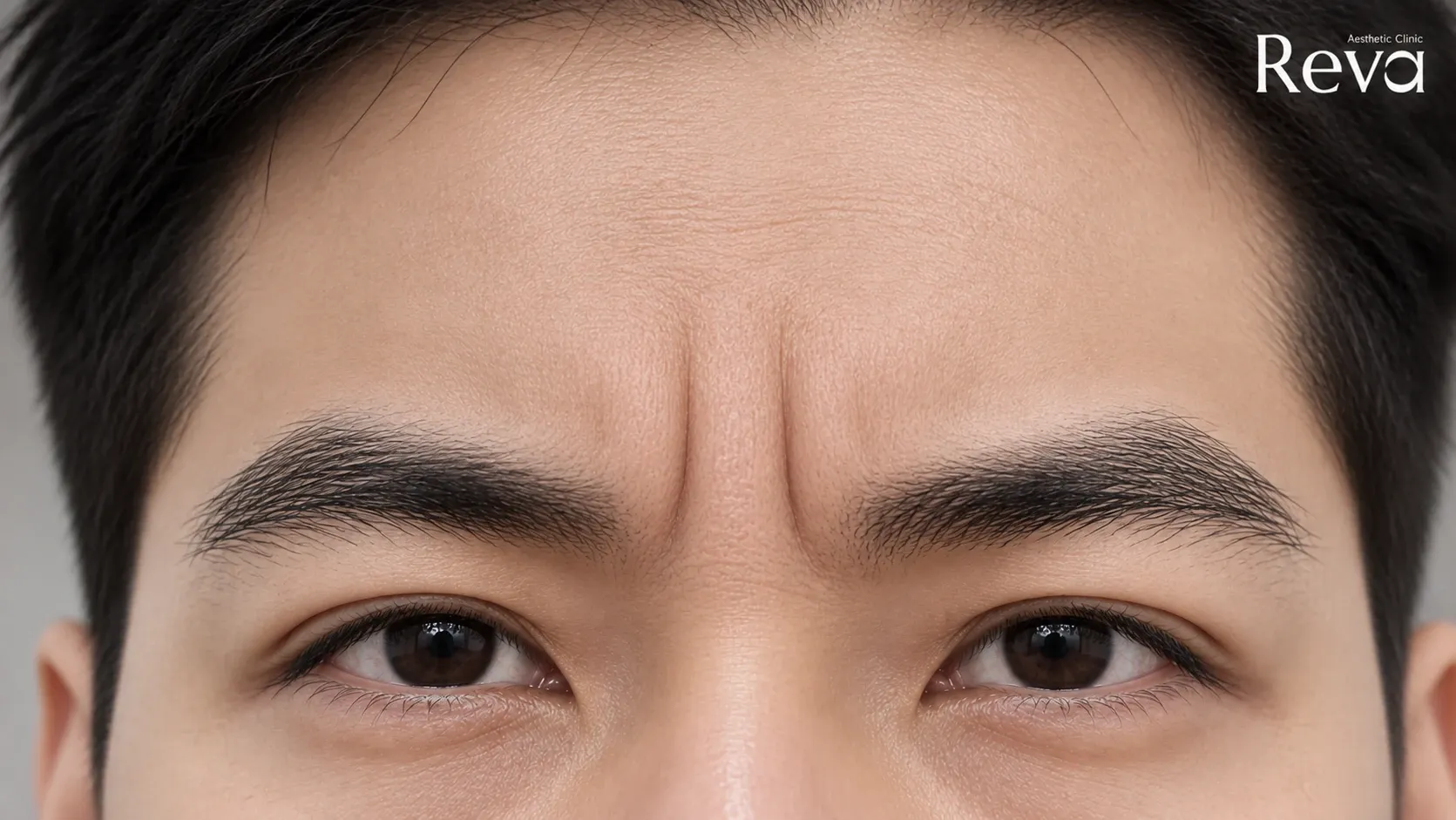
Have you ever noticed one or two vertical lines appearing between your eyebrows when you frown?
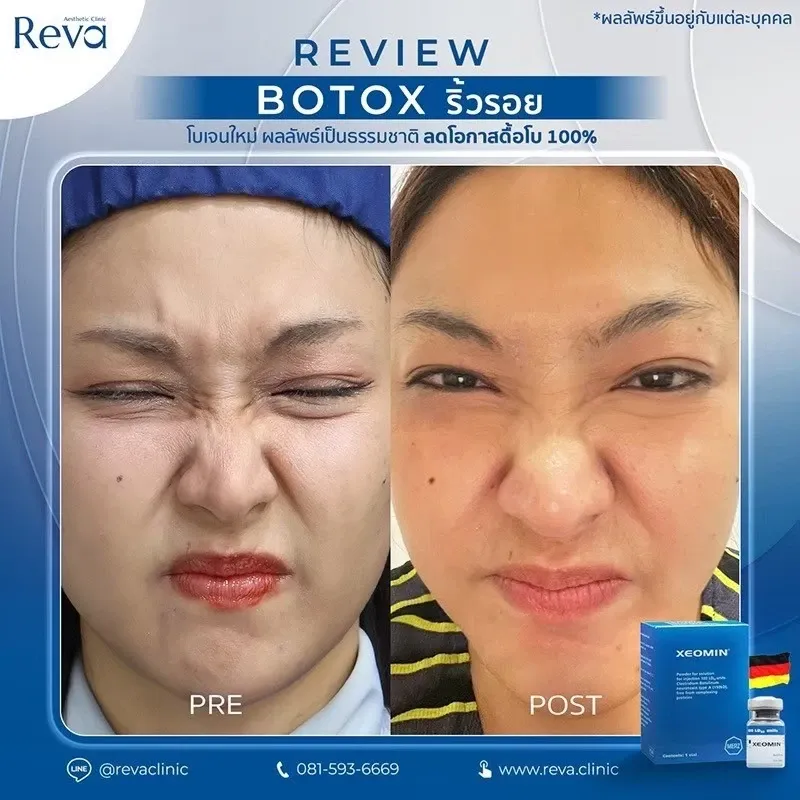
These lines are commonly called “11 lines”, or glabellar lines / frown lines. At first, they may only appear when you frown. Over time, however, the lines can become more noticeable and may remain visible even when your face is relaxed.
This can sometimes make the face look more serious, tired, or angry even when you are not feeling that way.
The important thing is that not all 11 lines are the same. Before choosing a treatment, it helps to first check whether the lines disappear when you relax your face.
What Causes 11 Lines Between the Eyebrows?
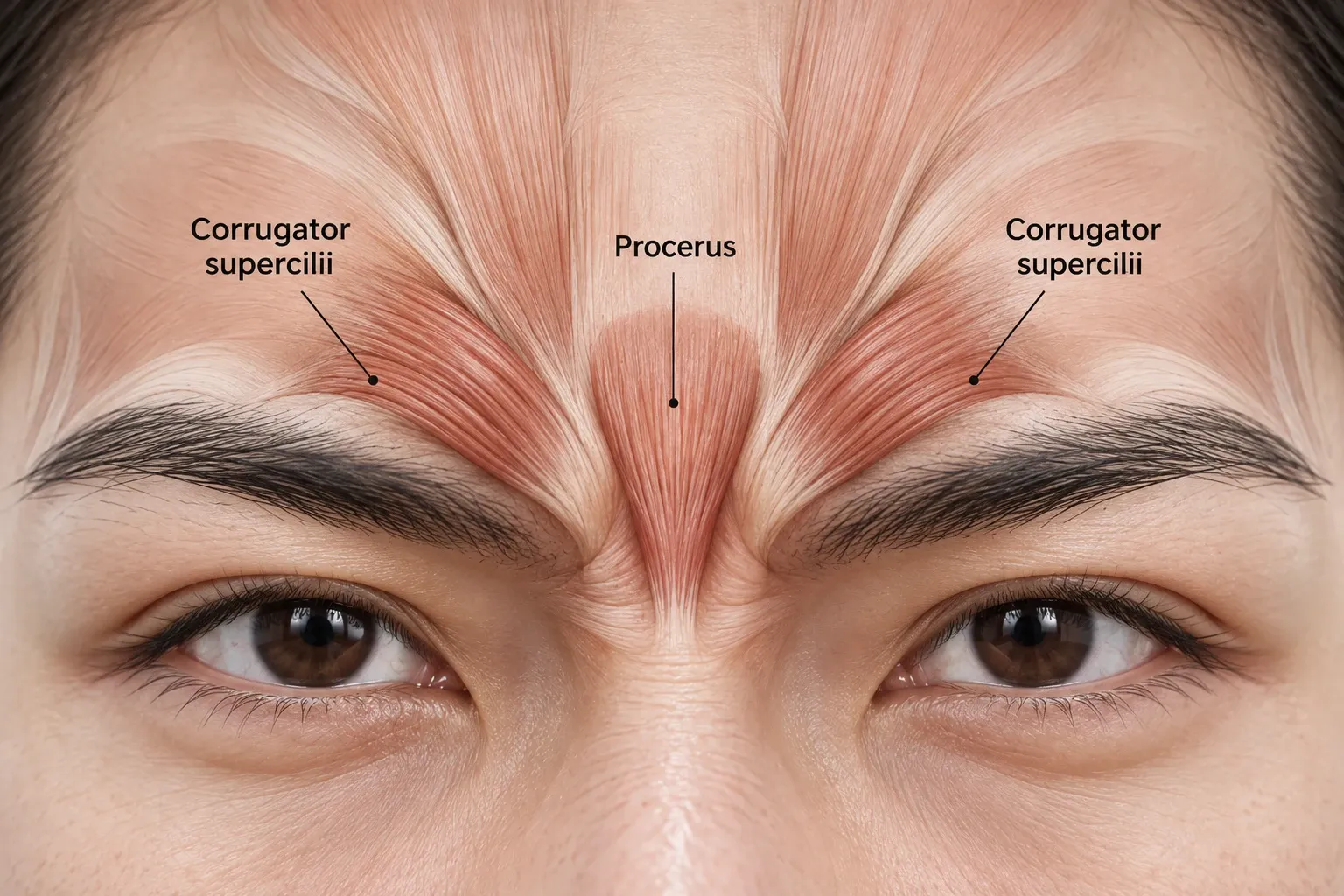
11 lines are mainly caused by repeated movement of the muscles between the eyebrows, particularly the corrugator and procerus muscles.
Simply put, every time you frown, these muscles pull the eyebrows inward and downward. The skin between the eyebrows folds, creating vertical lines.
When we are younger and the skin still has good elasticity, these lines usually disappear once the face relaxes.
But after years of repeated movement, together with the natural loss of collagen and skin elasticity, the same folds can gradually become more permanent.
That is why some people eventually notice:
“I’m not even frowning, but the lines are still there.”
How Can You Tell What Type of 11 Lines You Have?
An easy way to check is to look in the mirror with your face completely relaxed, then frown.
11 lines can generally be divided into two types.
1. Lines That Appear Only When You Frown
These are called Dynamic Lines.
If your skin looks relatively smooth when your face is relaxed, but vertical lines appear when you frown, the main cause is still muscle movement.
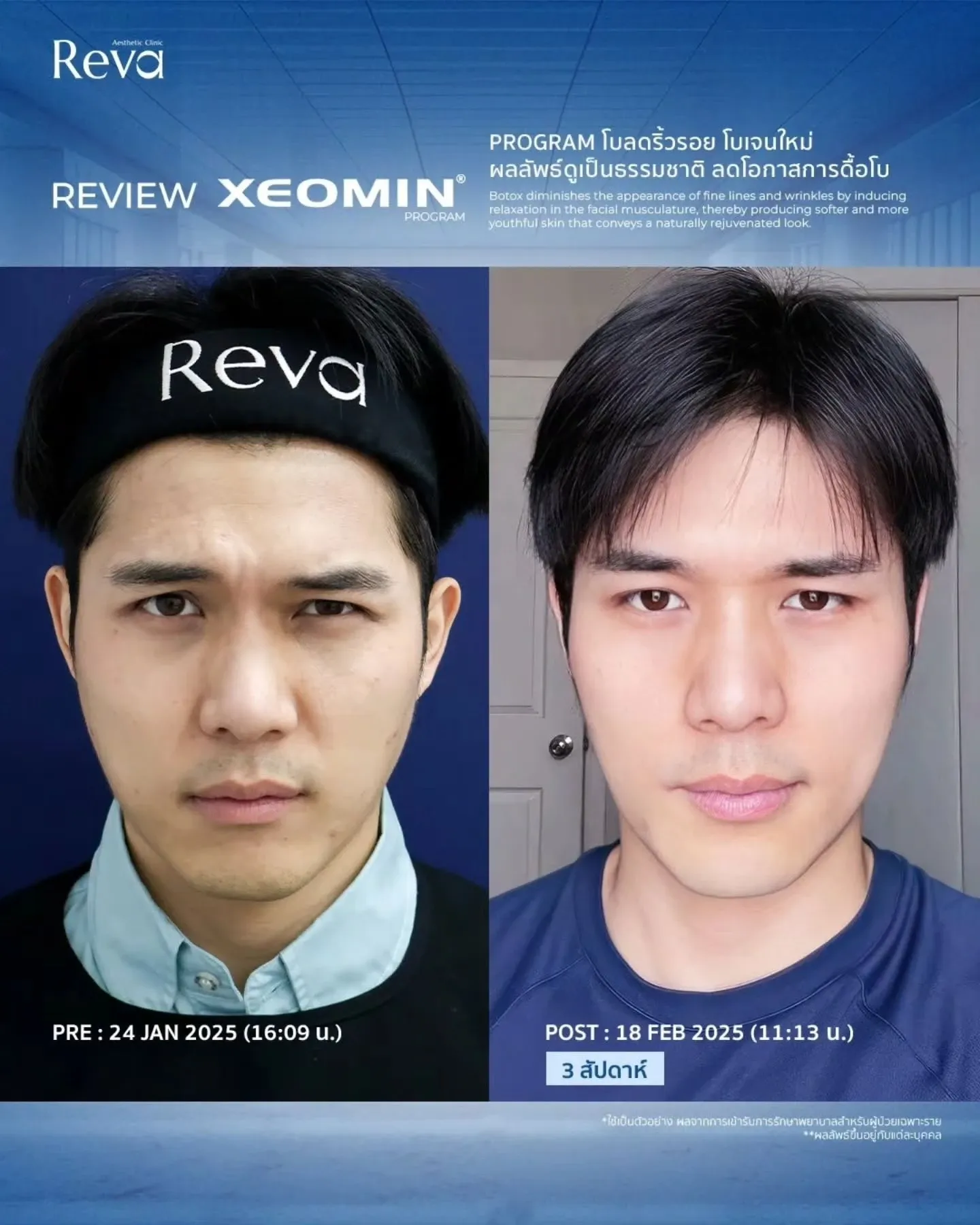
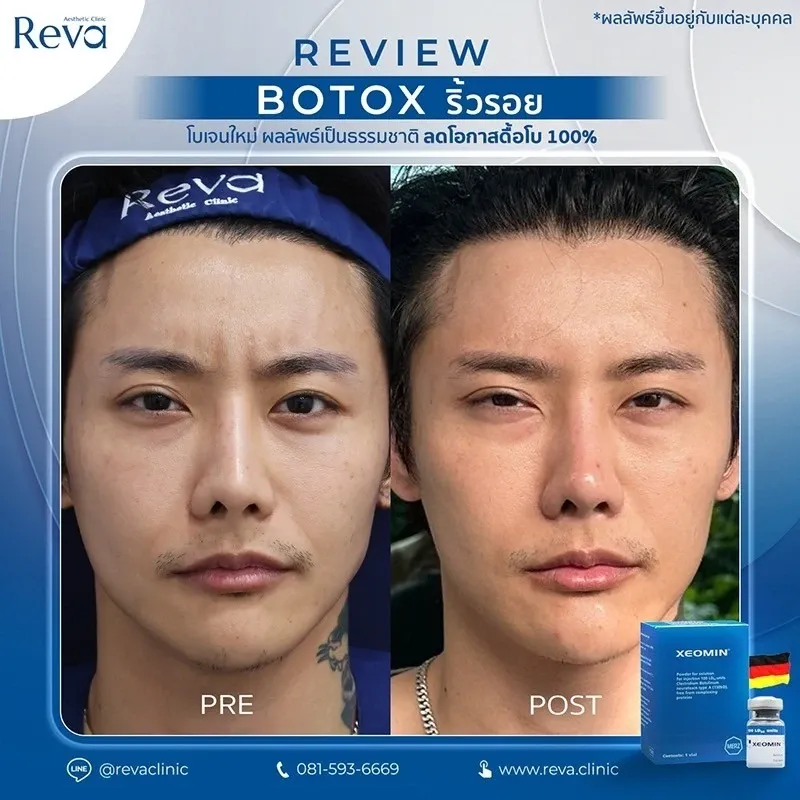
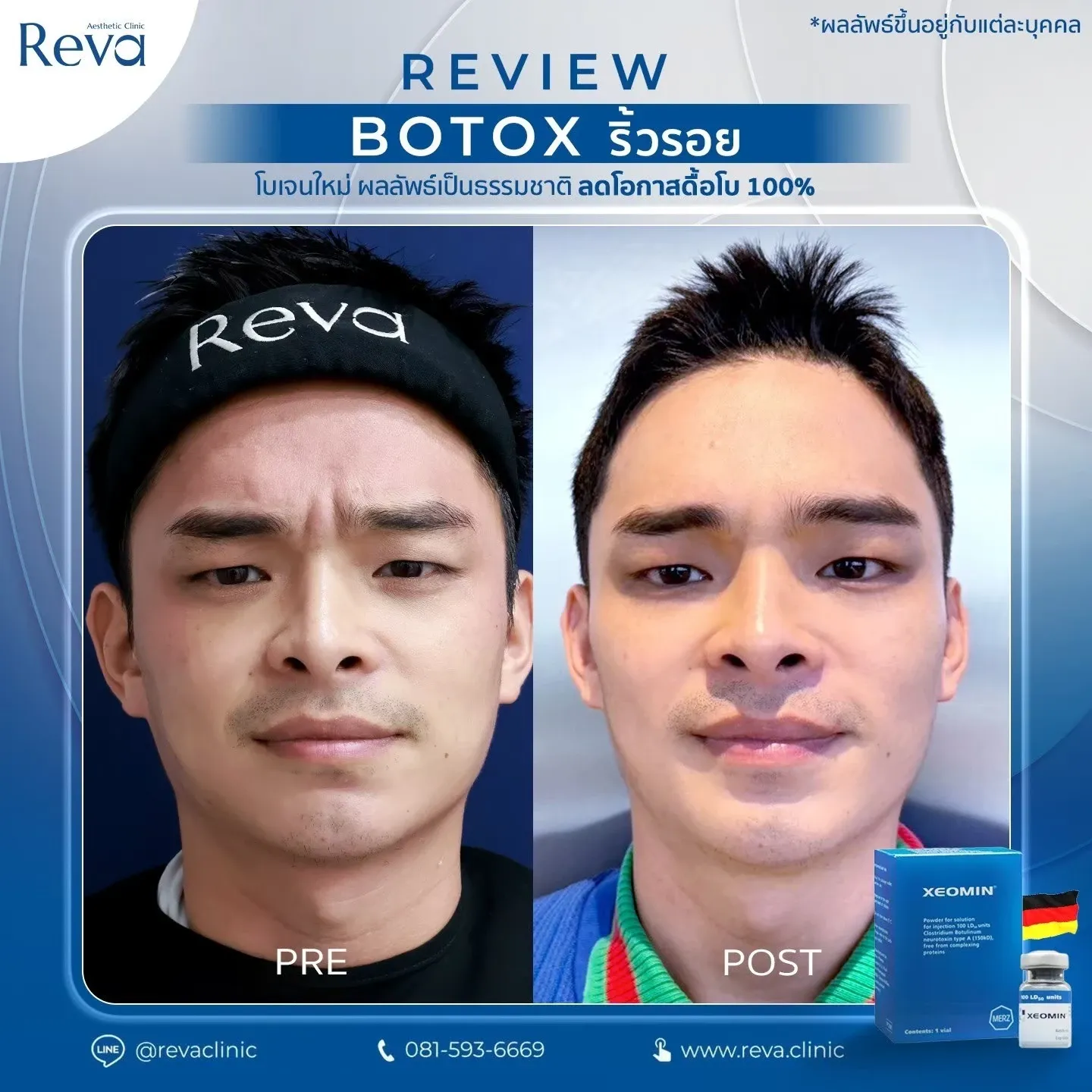
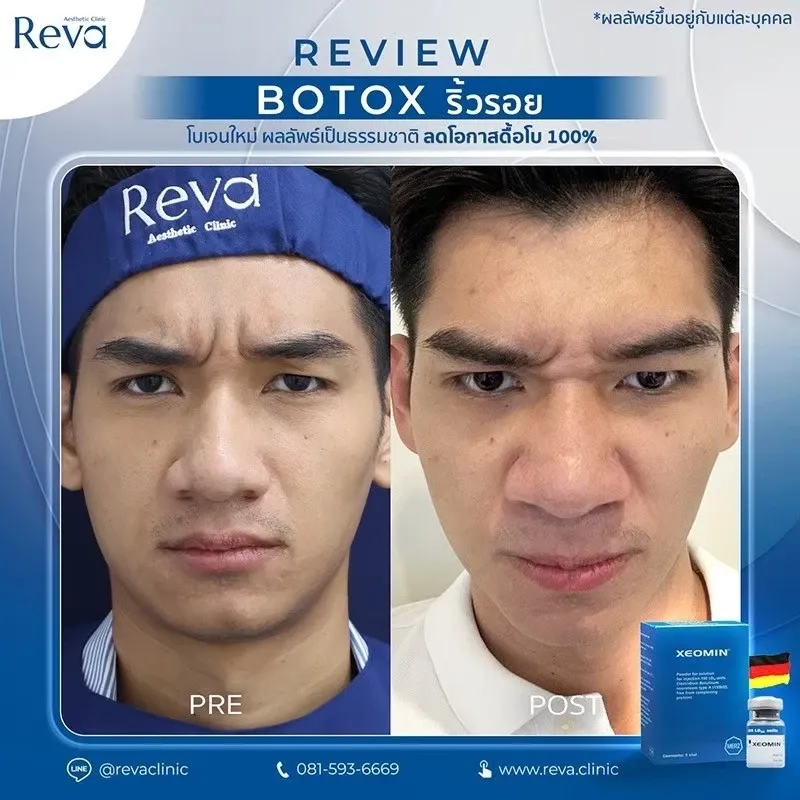
In this case, Program Botox is one of the main treatment options.
Program Botox temporarily reduces the activity of the muscles responsible for frowning. As a result, the skin is folded less strongly and the lines become less noticeable.
However, everyone uses their facial muscles differently. Some people have stronger frown muscles, while others have a different pattern of movement.
This is why the injection points and amount should be adjusted to each person's facial anatomy rather than using exactly the same pattern for everyone.
2. Lines That Are Still Visible When You Are Not Frowning
These are called Static Lines.
In simple terms, the line has started to become “set into the skin.”
This is more common when someone has had strong frown lines for many years, frequently frowns, or has started to lose collagen and skin elasticity with age.
Program Botox can still be useful because it reduces the muscle movement that keeps folding the same area of skin.
However, there is one important point to understand:
Botox relaxes the muscle. It does not directly erase a line that has already formed in the skin.
If the static line is already deep, additional treatment for the skin itself may therefore be considered.
How Are 11 Lines Treated?
A simple way to think about treatment is to separate the problem into two parts:
the muscle and the skin.
If the Line Appears When You Frown → Treat the Muscle
For Dynamic Lines, Program Botox is one of the main treatment options.
It temporarily reduces the activity of the muscles between the eyebrows. When the muscles pull less strongly, the skin is not folded as deeply when you frown.
The goal does not necessarily have to be a completely frozen expression.
The treatment can be adjusted according to the person's muscle strength, facial anatomy and desired result, so that the frown lines are softened while the face still looks natural.
If the Line Is There Even When You Relax → The Skin May Need Treatment Too
This is a common question:
“I’ve already had Program Botox. Why are my 11 lines still there?”
If the lines have already become Static Lines, relaxing the muscles may not be enough to make them completely disappear. A crease that has been forming in the skin for years can still remain even after the muscle activity is reduced.
Think of it like folding a piece of paper along the same line again and again. Even when you stop folding it, the crease does not disappear immediately.
In these cases, in addition to Program Botox to reduce repeated frowning, the doctor may consider treatments that improve skin quality, firmness, and the lines already present in the skin, such as:
Fractional Laser / Resurfacing Laser — helps stimulate collagen and improve fine lines and skin texture.
RF or HIFU — stimulates collagen and improves skin firmness. This may be considered when skin laxity is also present, although it does not directly erase the 11 lines.
Chemical Peeling — helps exfoliate and improve the superficial layers of the skin and may be suitable for finer lines or certain skin-quality concerns. The type and depth of the peel should be selected according to the individual’s skin.
Program Definisse Revitalise Threads — collagen-stimulating threads may be considered in selected cases, particularly when skin laxity is also present. The goal is to improve skin firmness and quality rather than to directly “fill” the 11 lines.
So for Static 11 Lines, the overall approach may be:
Reduce repeated frowning + improve the skin around the crease
This does not mean everyone needs all of these treatments. The most suitable option depends on how deep the lines are, the degree of skin laxity, skin quality, and each person’s individual condition.
If My 11 Lines Are Very Deep, Do I Need Filler?
Filler can be considered in some cases, but it is not always necessary.
For very deep Static 11 Lines, the crease may still be visible even after the muscles have relaxed. In selected cases, a doctor may consider Hyaluronic Acid (HA) Filler to help soften the remaining crease.
However, the area between the eyebrows, or the glabella, contains important blood vessels. Filler injections in this area carry a risk of vascular occlusion, which in severe cases can affect vision. For this reason, the benefits and risks need to be considered very carefully.
At Reva Clinic, we do not simply think:
Deep line = Filler
Instead, we first look at how much of the line is caused by muscle movement, how much of the crease has become set into the skin, and whether other treatment options may be more appropriate. For example, Program Botox can be used to reduce repeated folding of the skin, while laser or other skin treatments may help improve the remaining static line and overall skin quality.
For the glabella, we currently do not recommend using Collagen Biostimulators to directly fill deep 11 lines. If vascular occlusion occurs, many biostimulatory materials do not have a specific dissolving agent. This is different from Hyaluronic Acid Filler, which can be treated with hyaluronidase to help break down the HA material.
So, if your 11 lines are very deep, the first step should be to assess muscle activity, the depth of the crease, skin quality, and the vascular risk of the treatment area before deciding whether filler is appropriate.
How Many Units of Program Botox Are Needed for 11 Lines?
There is no single number that is right for everyone.
The amount can vary depending on factors such as:
Different Botulinum Toxin products also have their own units and dosing recommendations, so the number of units should not simply be compared from one product to another.
Instead of focusing only on:
“How many units do I need?”
it is often more useful to look at:
“How do my muscles move, and which muscles actually need to be treated?”
Can Program Botox for 11 Lines Cause Heavy Eyebrows or Eyelids?
It can happen, although it does not occur in everyone.
The muscles between the eyebrows and the forehead work together to control eyebrow position and facial expression. Some people also naturally use their forehead muscles to help lift their eyebrows or open the eye area.
For this reason, assessment should not focus only on the 11 lines.
Ideally, the doctor should look at the face at rest, while frowning, and while raising the eyebrows before deciding where and how much to inject.
This helps balance improvement in the frown lines with maintaining a natural facial expression.
When Should You Start Treating 11 Lines?
There is no specific age when everyone should start treatment.
Some people are young but have very strong frown muscles, while others may be older and still have very little visible frown line.
A more useful thing to look at is what happens when your face is relaxed.
If the lines used to appear only when you frowned but are now beginning to remain visible even when your face is relaxed, they may be starting to change from Dynamic Lines into Static Lines.
That may be a more useful sign to consider treatment than age alone.
Dynamic vs Static 11 Lines: Which Treatment Is Suitable?
An easy way to remember it is:
Lines appear when you frown and disappear when you relax = Dynamic Lines
Main problem: muscle movement
→ Program Botox may be considered to reduce the frowning force.
Lines remain visible even when your face is relaxed = Static Lines
The problem involves both muscle movement and changes within the skin
→ Program Botox + additional skin treatment such as Fractional or Resurfacing Laser may be considered depending on the individual.
There is no single treatment plan that is right for every 11 line.
The key is to determine whether the line appears mainly from facial movement or whether it has already become a crease in the skin, and then choose the treatment accordingly.
Key Takeaways
11 lines, also known as glabellar lines or frown lines, are vertical lines between the eyebrows caused mainly by repeated frowning. If the lines appear only when you frown, they are usually Dynamic Lines, for which Program Botox is one of the main treatment options. If the lines remain visible while your face is relaxed, they have become more Static, and additional skin treatments such as Fractional or Resurfacing Laser may be considered. Treatment should therefore be based on each person's muscle movement, facial anatomy and skin condition rather than using the same injection pattern or number of units for everyone.