ฉีดโปรแกรมโบท็อกซ์แล้วหนังตาหนัก หน้าผากตึง เกิดจากอะไร? ฉีดโบอย่างไรให้เป็นธรรมชาติ

Why Do My Eyelids Feel Heavy After Botox? Causes & Natural Botox Tips

Why Do Your Eyelids Feel Heavy After a Botox Program?
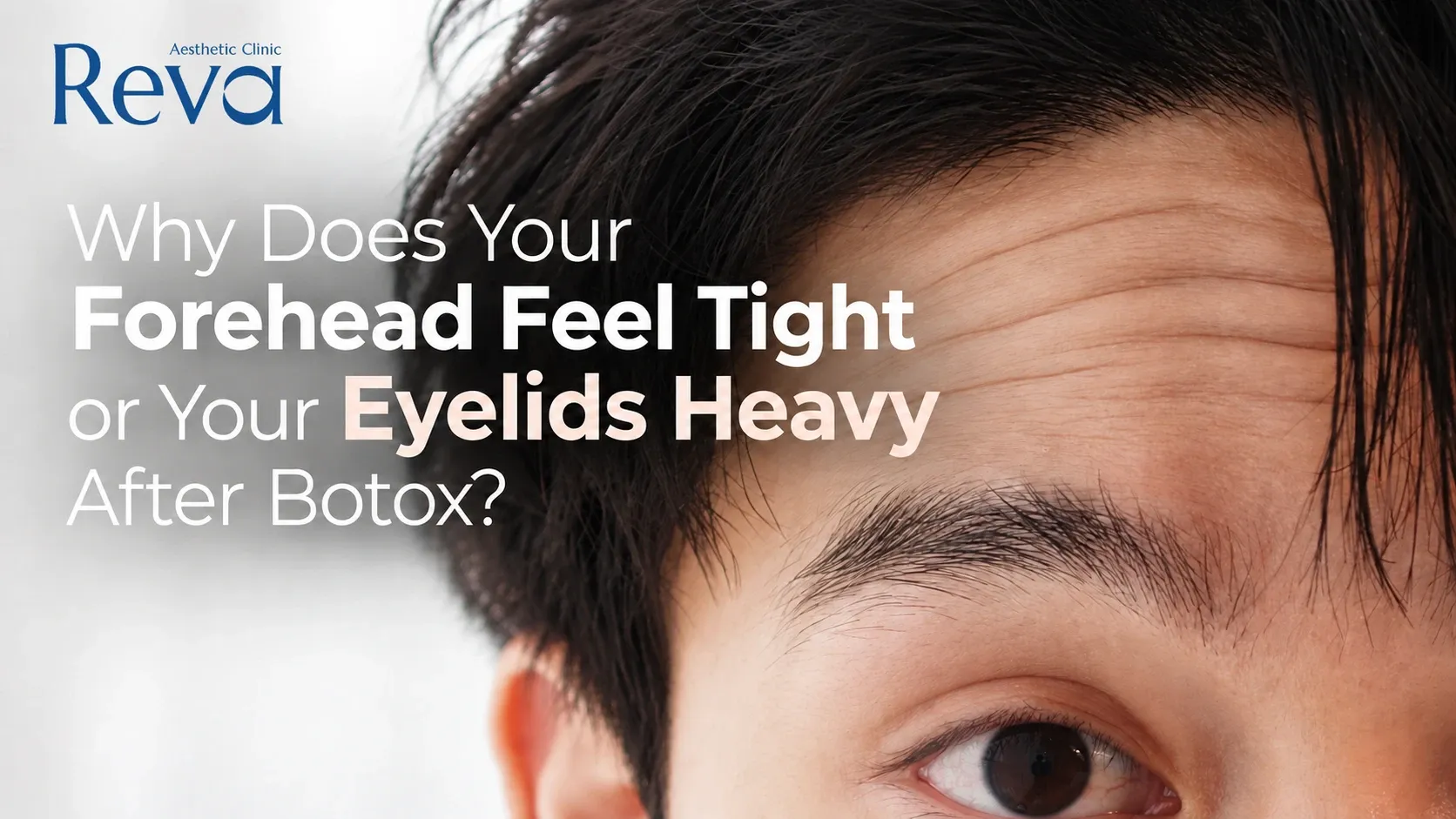
A Botox Program can help reduce forehead and frown lines. However, some patients notice forehead tightness, brow heaviness, heavy eyelids, or smaller-looking eyes after treatment.
These effects are not determined by dose alone. The result also depends on frontalis anatomy, injection placement, individual muscle activity, the doctor’s technique, and product selection.
Key Takeaways
The frontalis muscle creates horizontal forehead lines but also plays an important role in elevating the eyebrows. Excessive weakening of this muscle, particularly in patients who naturally use their forehead to support brow elevation, may contribute to brow or eyelid heaviness. A well-designed Botox Program should therefore reduce unwanted lines while preserving appropriate facial movement.
The Role of the Frontalis Muscle
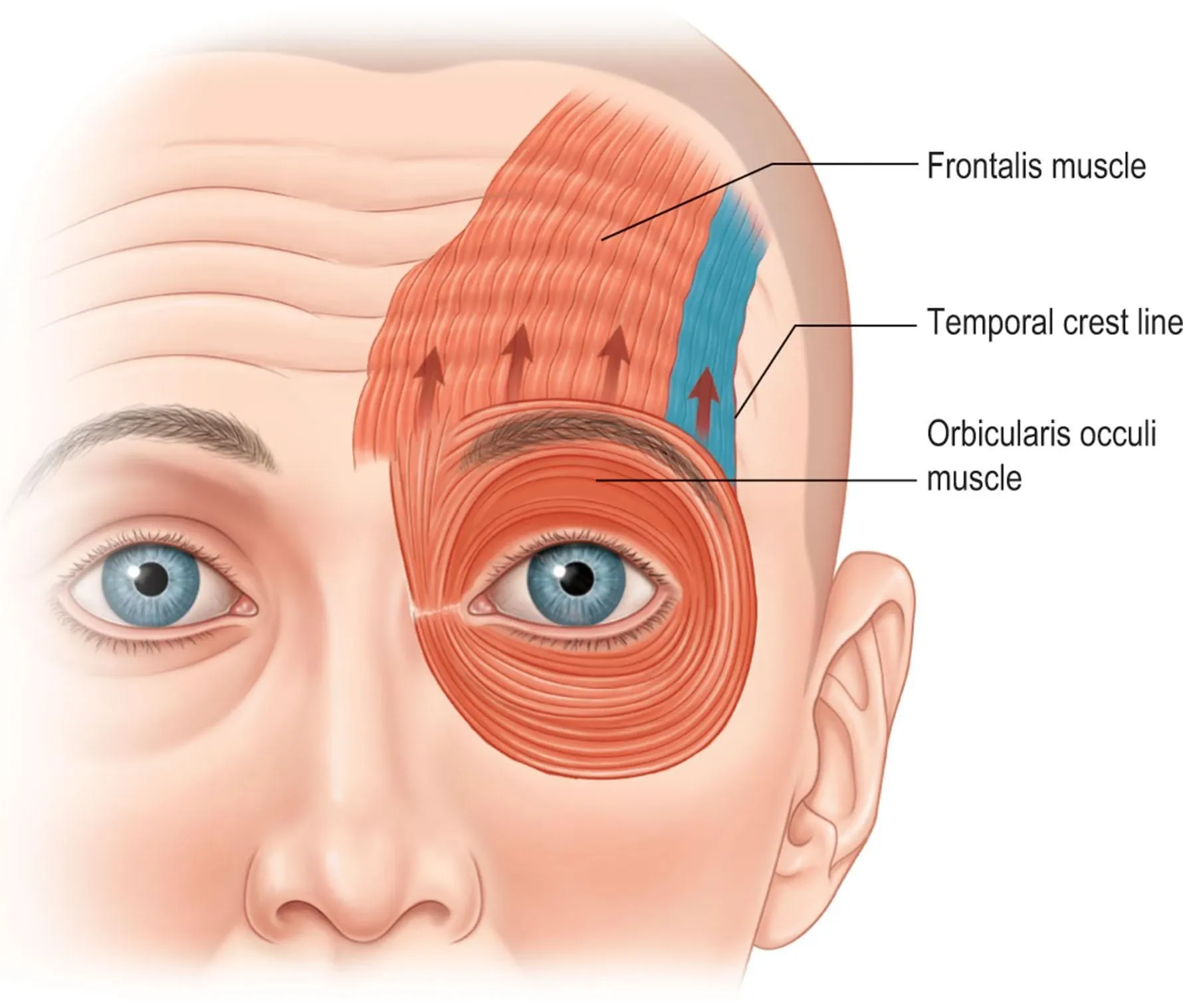
Horizontal forehead lines are primarily caused by contraction of the frontalis muscle. At the same time, the frontalis is the main muscle responsible for elevating the eyebrows.
A forehead Botox Program therefore requires a balance between reducing wrinkles and maintaining sufficient muscle activity. If the frontalis is weakened excessively, the forehead may appear smoother, but the brows may sit lower and the upper eyelids may feel heavier.
Why Can the Eyelids Feel Heavy?
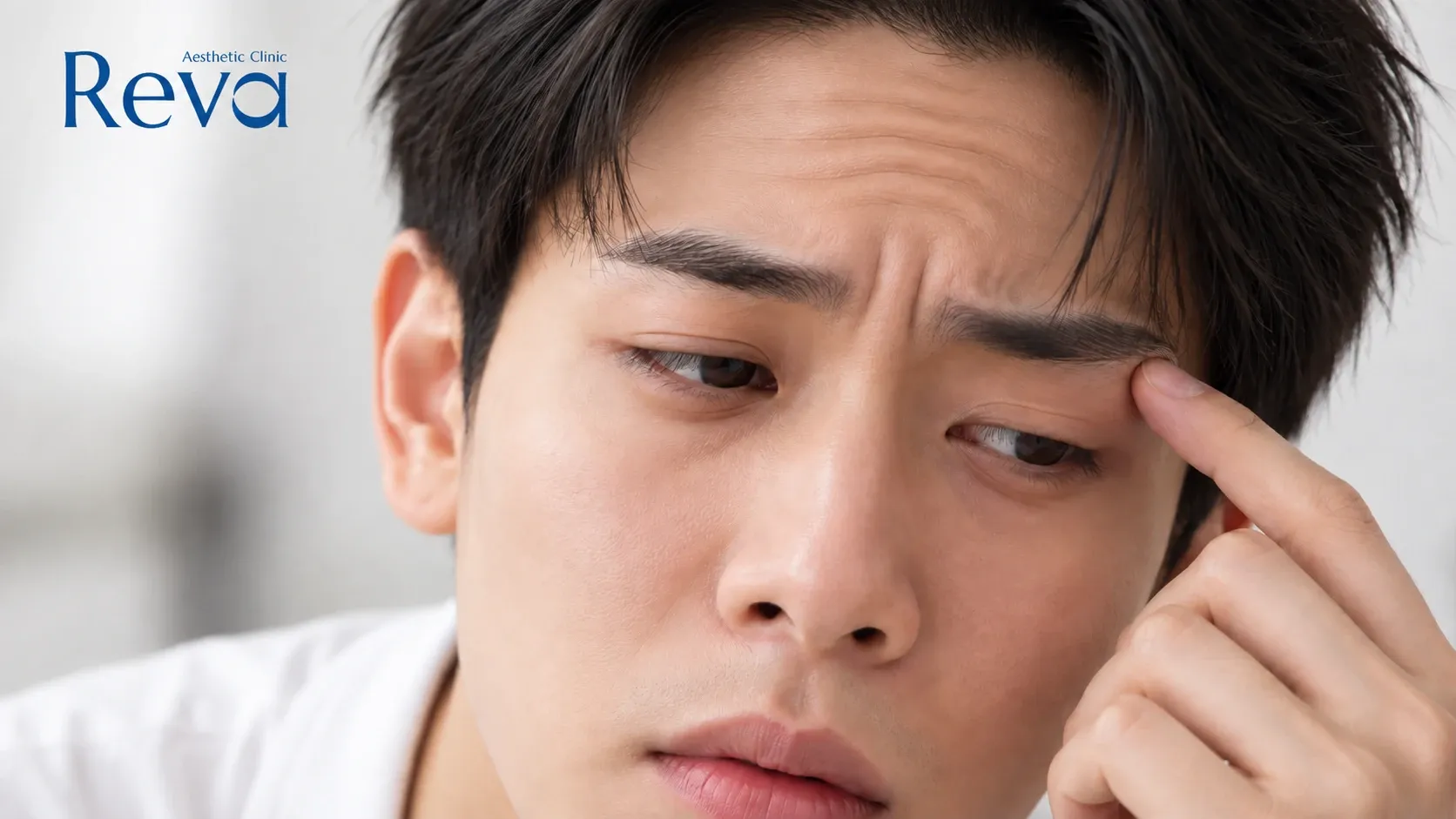
Both dose and injection placement are important. The size, strength, and movement pattern of the frontalis vary between individuals, which means the same dose or injection pattern should not automatically be applied to every patient.
Particular attention should be given to the lower frontalis near the eyebrows, as this area contributes to brow elevation. Excessive weakening may lower the brow position and create a sensation of heaviness around the eyes.
Some patients also have naturally lower brows, heavier upper eyelids, or smaller-looking eyes and unconsciously use their frontalis to elevate the brows. In these patients, completely eliminating forehead lines may also reduce this compensatory support, making the eyes appear heavier or smaller.
Why Injection Technique Matters
Before a Botox Program, the face should be assessed both at rest and during expression. Brow position, frontalis strength, muscle movement, and the relationship between the forehead and surrounding muscles should all be considered.
The dose and injection points can then be individualized according to facial anatomy rather than following the same injection pattern for every patient.
For some patients, retaining a small degree of forehead movement may provide a more balanced result than completely eliminating all visible lines.
Natural Botox Program and Xpression Beauty
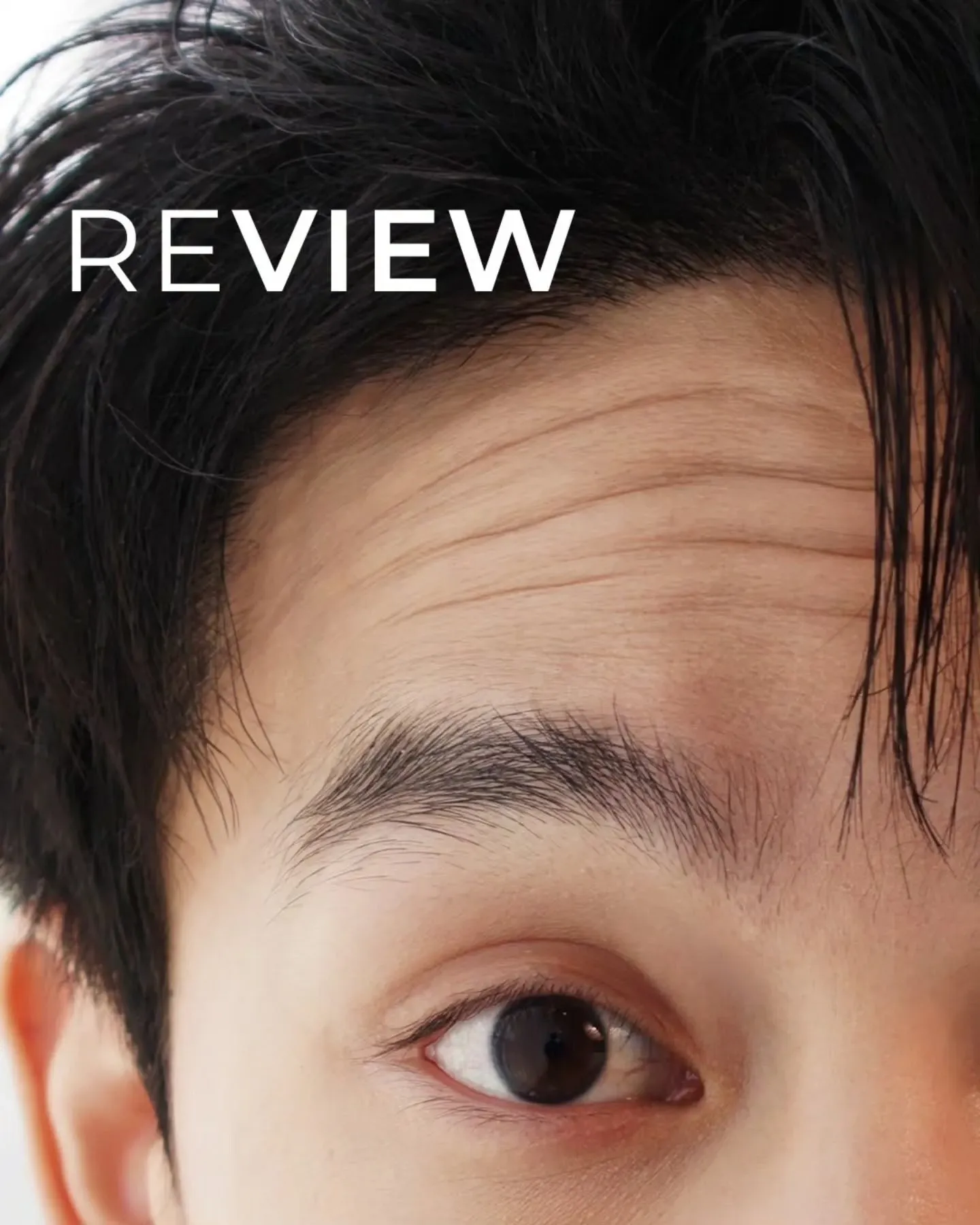
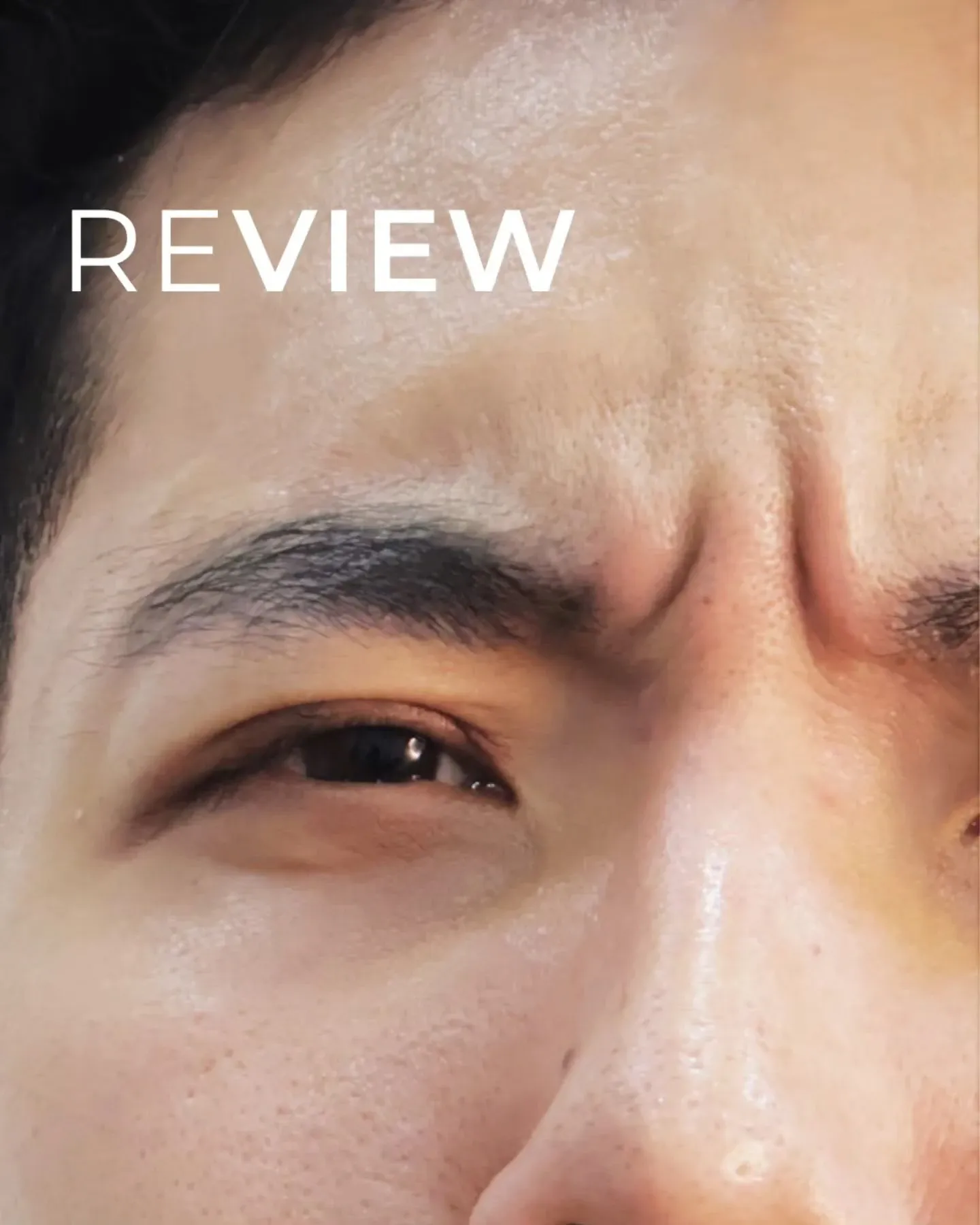
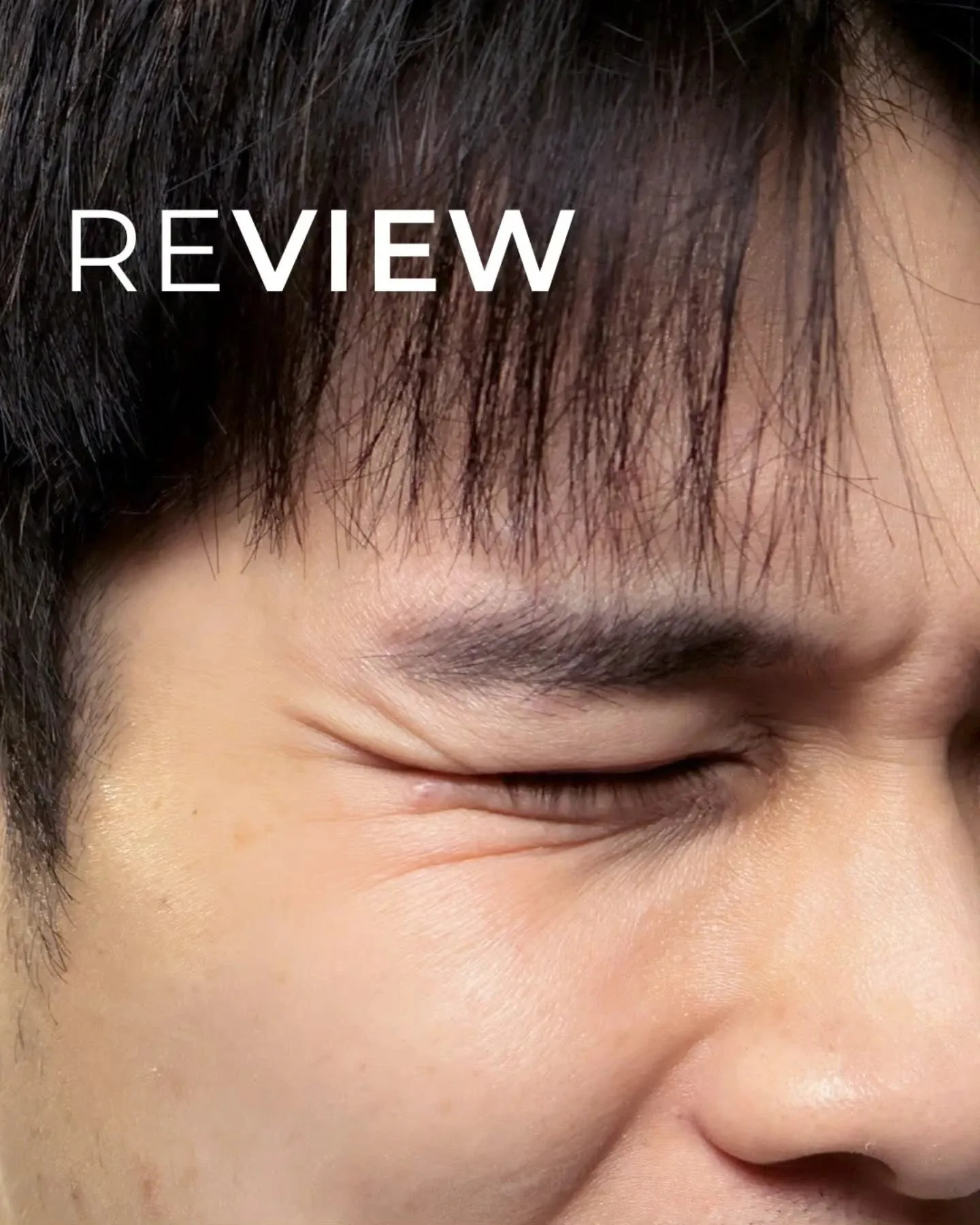
Current aesthetic preferences increasingly favor natural-looking results that preserve facial movement rather than creating a completely frozen appearance.
This approach is consistent with Xpression Beauty – “See More Me,” a concept centered on maintaining individual expression and identity, with BamBam as The Icon of Xpression Beauty.
In a natural-looking Botox Program, the aim is therefore not necessarily to eliminate every forehead line, but to reduce unwanted wrinkles while maintaining appropriate facial expression.
Does the Brand Matter?
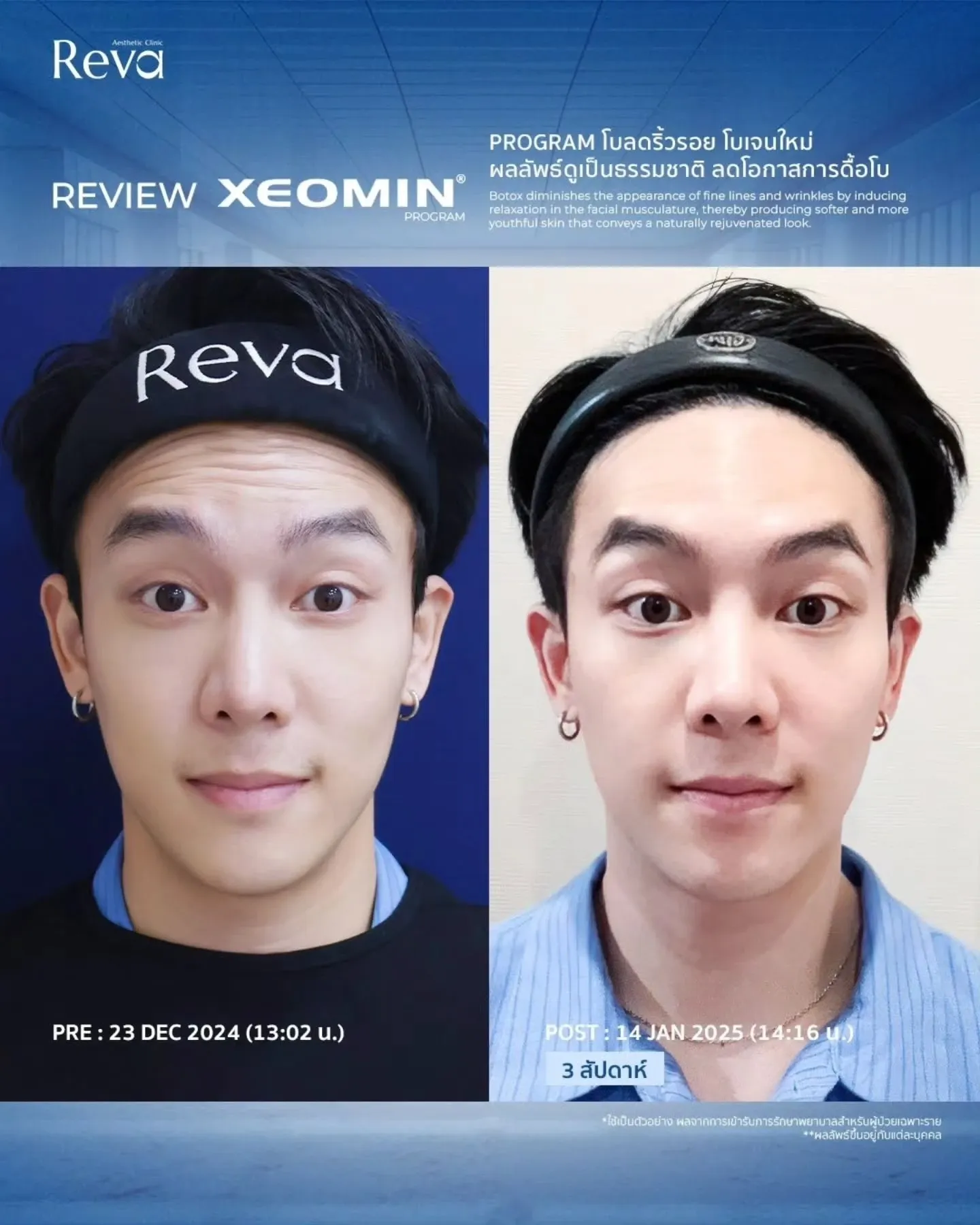

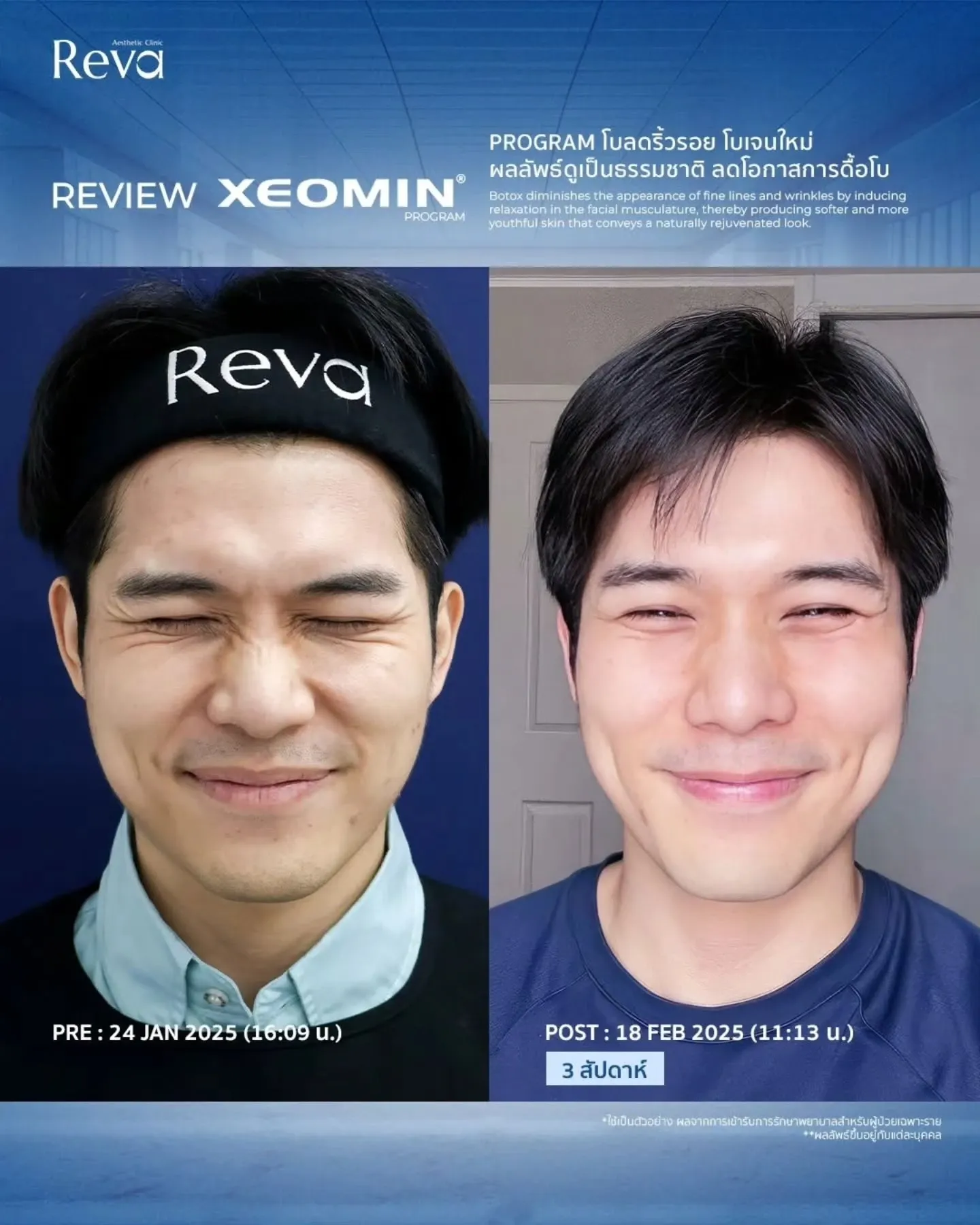
Different botulinum toxin type A products vary in their manufacturing processes, formulations, and product characteristics.
Xeomin Program (incobotulinumtoxinA) is one botulinum toxin type A product used in aesthetic medicine and is associated with the Xpression Beauty concept. However, a natural-looking result does not depend on product selection alone.
The final outcome is influenced by the combination of product, dose, injection placement, facial anatomy, and the doctor’s technique.
Conclusion
Forehead tightness or heavy eyelids after a Botox Program may occur when frontalis activity is reduced more than appropriate for an individual patient, particularly in those who rely on the forehead muscle to help maintain brow position.
An individualized Botox Program should therefore consider facial anatomy, brow position, muscle movement, dose, and injection placement to reduce wrinkles while maintaining a natural and expressive appearance

Not sure what kind of care your skin needs?
Consult a dermatologist at Reva Clinic. We’re here to provide personalized guidance, helping you understand your skin and care for it with confidence.


