What Causes Dry Skin? Dry vs Dehydrated Skin & How to Treat It – 2026 Update | Reva Clinic
Dry, flaky skin, tightness after cleansing, or makeup that does not sit smoothly on the skin are common concerns. They may become more noticeable in air-conditioned environments, after using harsh skincare products, or when starting Retinol or other Retinoids.
However, “dry skin” does not always mean that your skin simply needs more water. Dryness can be related to the amount of water in the skin, the lipids that protect the skin surface, and the overall function of the skin barrier.
Before choosing skincare products or aesthetic treatments, the first question should therefore be:
Why is your skin dry?
Key Takeaways
Dry skin is not simply caused by not drinking enough water.
The skin barrier plays an important role in preventing water loss from the skin.
Dry Skin and Dehydrated Skin are not exactly the same.
Even oily skin can be dehydrated.
Over-cleansing, excessive active ingredients, and Retinoids may contribute to dryness and irritation.
A good moisturizer should support both Hydration and the Skin Barrier.
If the skin barrier is stable but the skin lacks hydration, Hyaluronic Acid (HA) Programs may be considered.
If several skin concerns occur together, overall Skin Quality should be assessed rather than focusing only on dryness.
What Is Dry Skin?
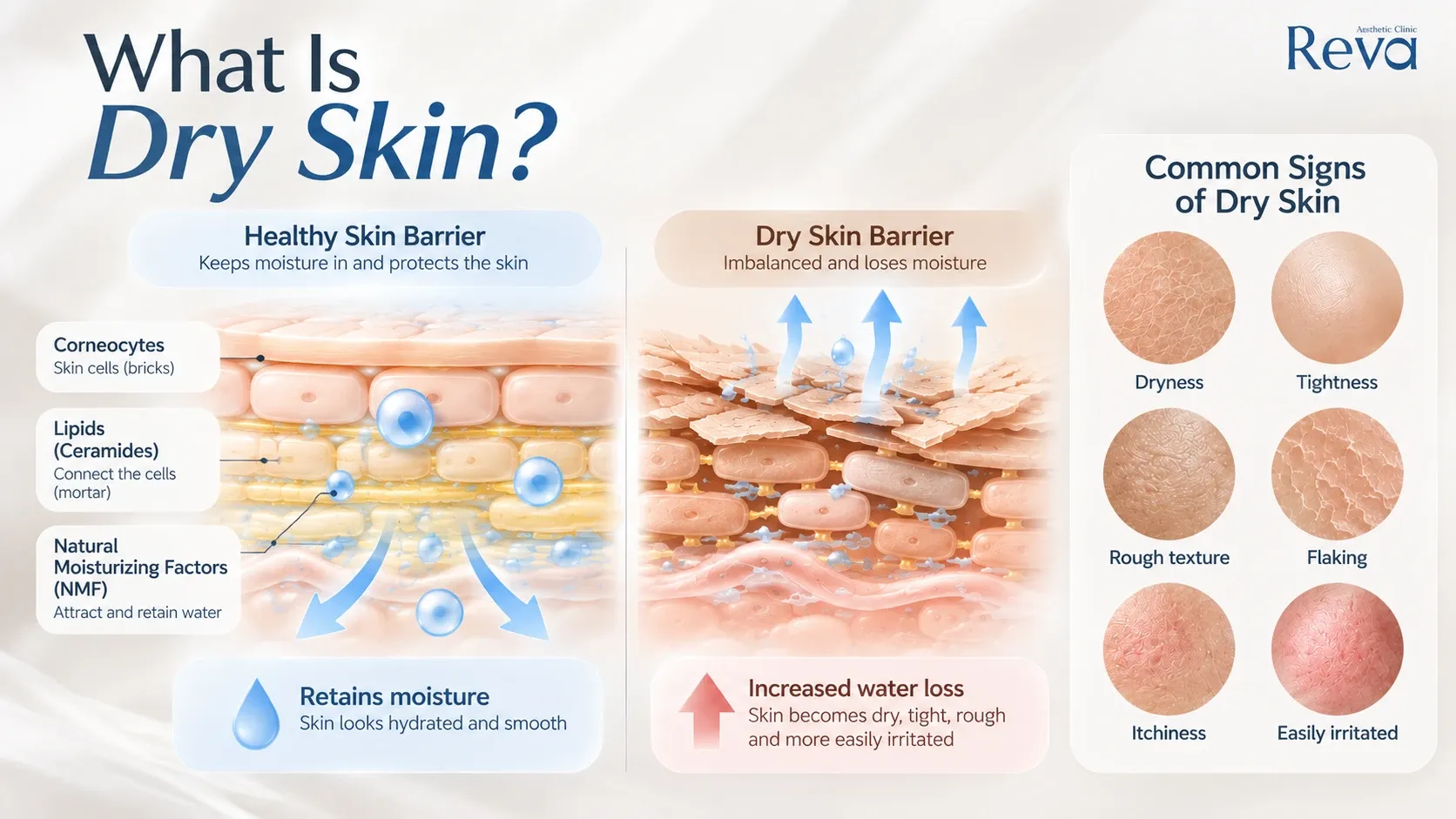
The outermost layer of the skin is called the Stratum Corneum. It plays an important role in maintaining hydration and protecting the skin from the external environment.
A simple way to understand the skin barrier is to imagine a brick wall:
Corneocytes = the bricks
Lipids, including Ceramides = the mortar between the bricks
Natural Moisturizing Factors (NMF) = substances that help retain water within the skin
When these components become disrupted, the skin may have more difficulty retaining water, increasing Transepidermal Water Loss (TEWL).
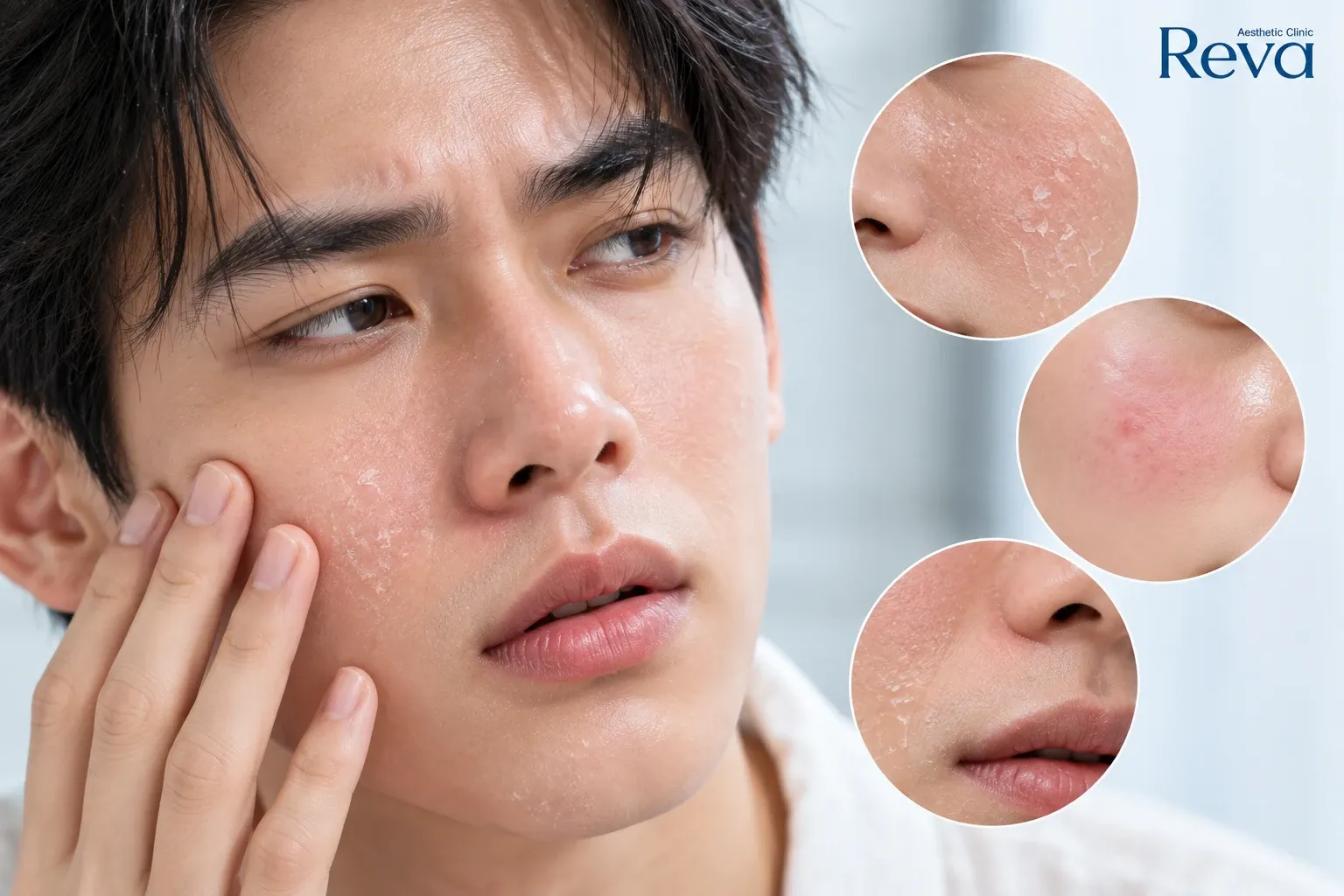
As a result, the skin may feel:
Dry • Tight • Rough • Flaky • Itchy • Easily Irritated
What Causes Dry Skin?
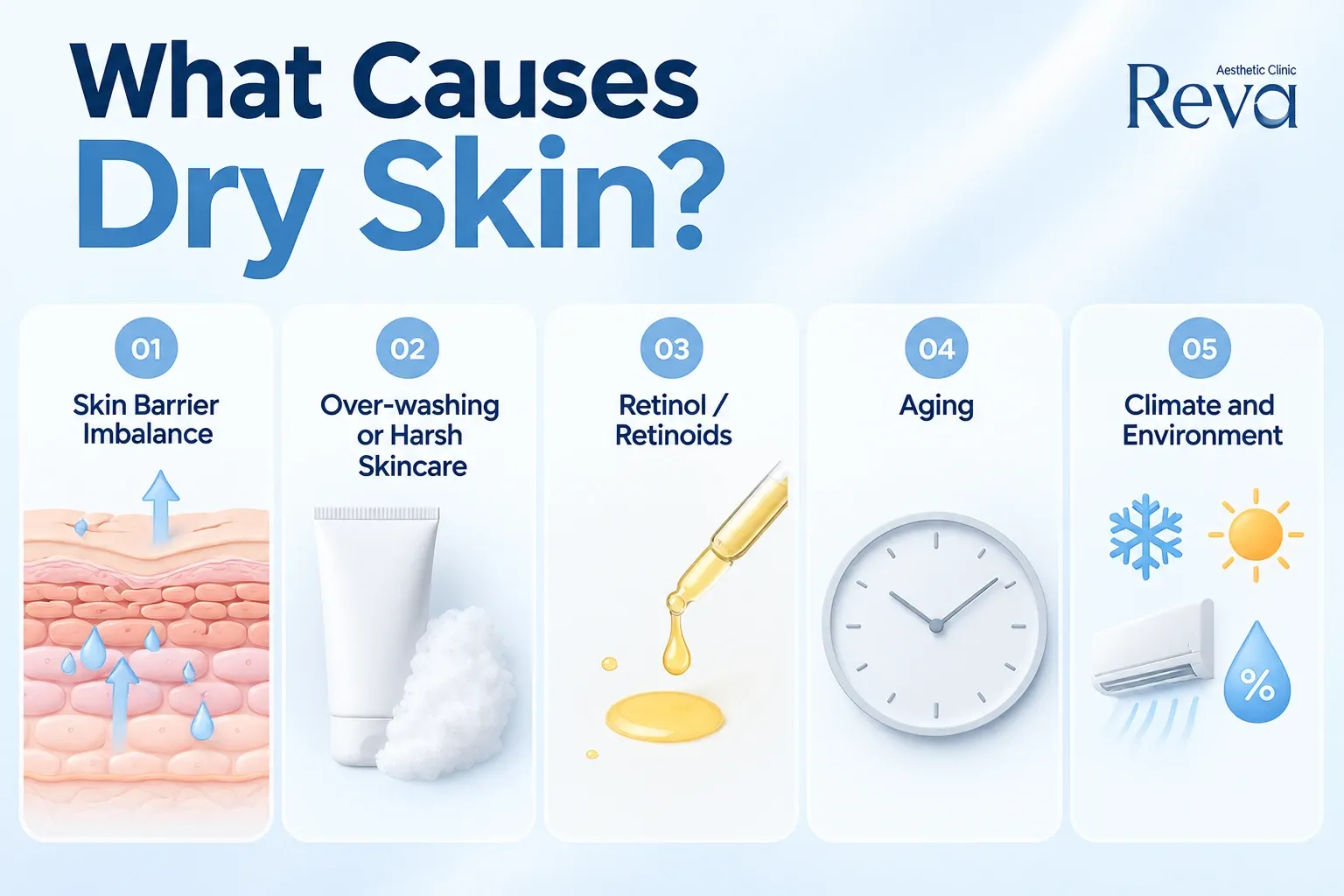
Dry skin does not have a single cause. Several factors may occur at the same time.
1. A Disrupted Skin Barrier
The skin barrier helps keep water inside the skin.
When important components of the Stratum Corneum, including its lipids, become disrupted, the skin may lose water more easily and become dry, rough, or sensitive.
2. Over-Cleansing or Harsh Skincare
Washing the face too frequently, aggressive exfoliation, or using several irritating products together may interfere with normal skin-barrier function.
Therefore, cleansing until the skin feels “squeaky clean” is not necessarily better for the skin.
3. Retinol and Retinoids
Retinoids such as Retinol, Tretinoin, and Adapalene may cause:
Dryness • Peeling • Redness • Irritation
These effects are particularly common when first starting treatment or when the concentration or frequency is more than the skin can tolerate.
4. Aging
As we age, several aspects of skin physiology change, including lipids, sebum production, and the skin's ability to maintain hydration.
This is one reason why skin may gradually feel drier or rougher with age.
5. Climate and Environment
Cold weather, low humidity, prolonged exposure to air conditioning, and other environmental conditions can make dry skin more noticeable.
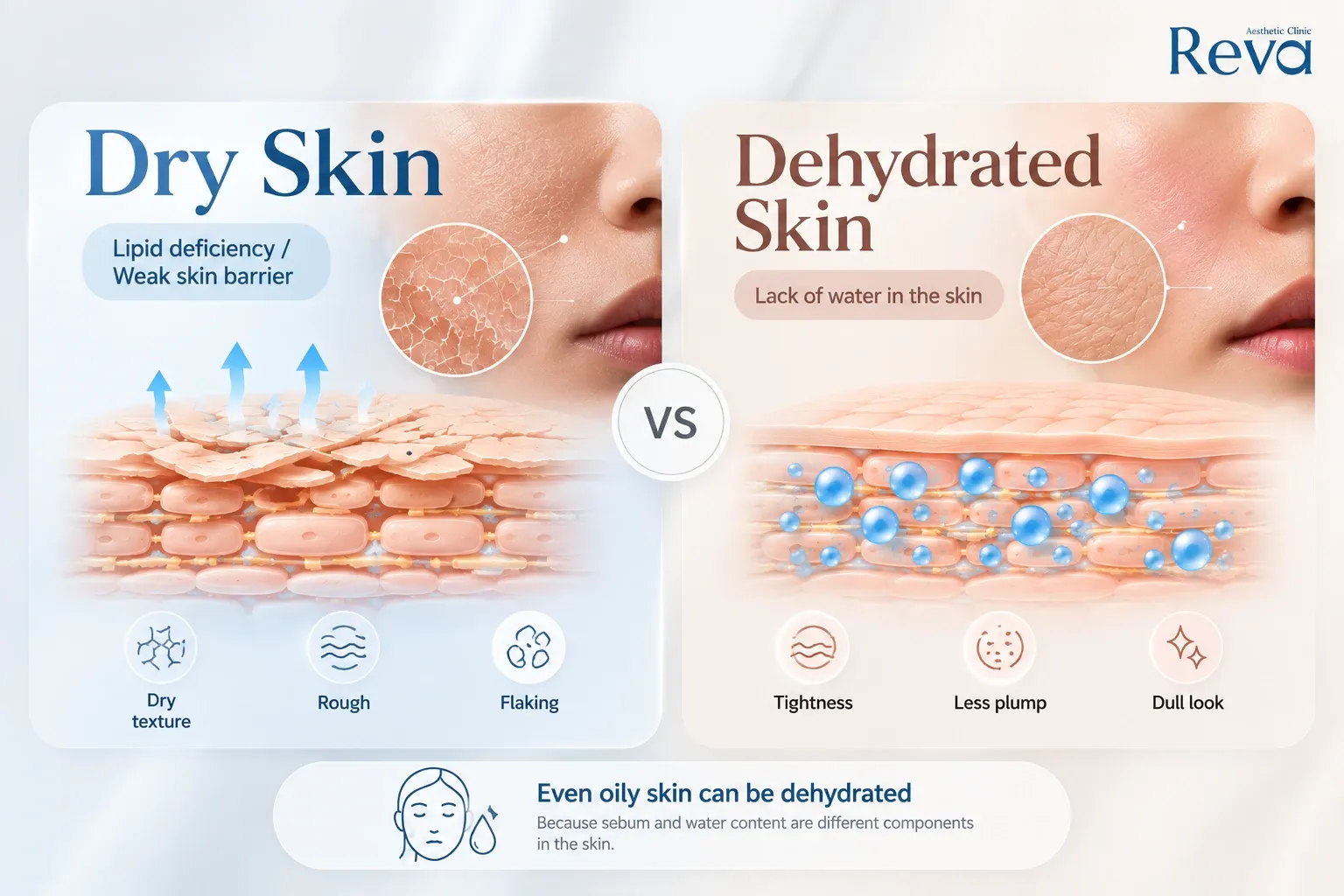
Dry Skin vs Dehydrated Skin: What Is the Difference?
The terms are often used interchangeably, but they describe somewhat different concerns.
Dry SkinDehydrated SkinMain issueLipids / Skin BarrierInsufficient water in the skinCommon appearanceDry, rough, flakyTight, less plumpCan oily skin coexist?In some areasYesMain approachBarrier SupportHydration + reducing water loss
This means that oily skin can still be dehydrated.
Sebum production and water content within the Stratum Corneum are different aspects of skin physiology.
If oiliness is also a concern, read “What Causes Oily Skin? How to Reduce Excess Oil – 2026 Update | Reva Clinic.”
Why Is My Skin Dry, Flaky, Stinging, or Difficult to Apply Makeup On?
If these symptoms begin after changing skincare products or introducing new active ingredients, skin-barrier irritation should also be considered.
For example, using several potentially irritating products together:
Retinoid + AHA/BHA + Exfoliation + Strong Cleanser
may be too much for some skin types.
Symptoms may begin with dryness and tightness and progress to flaking, stinging, redness, or increased sensitivity.
In this situation, the priority is not necessarily to add more active ingredients. Reducing irritation and supporting the skin barrier may be more appropriate.
What Skincare Should You Use for Dry Skin?
The basic principle is to increase hydration while reducing excessive water loss from the skin.
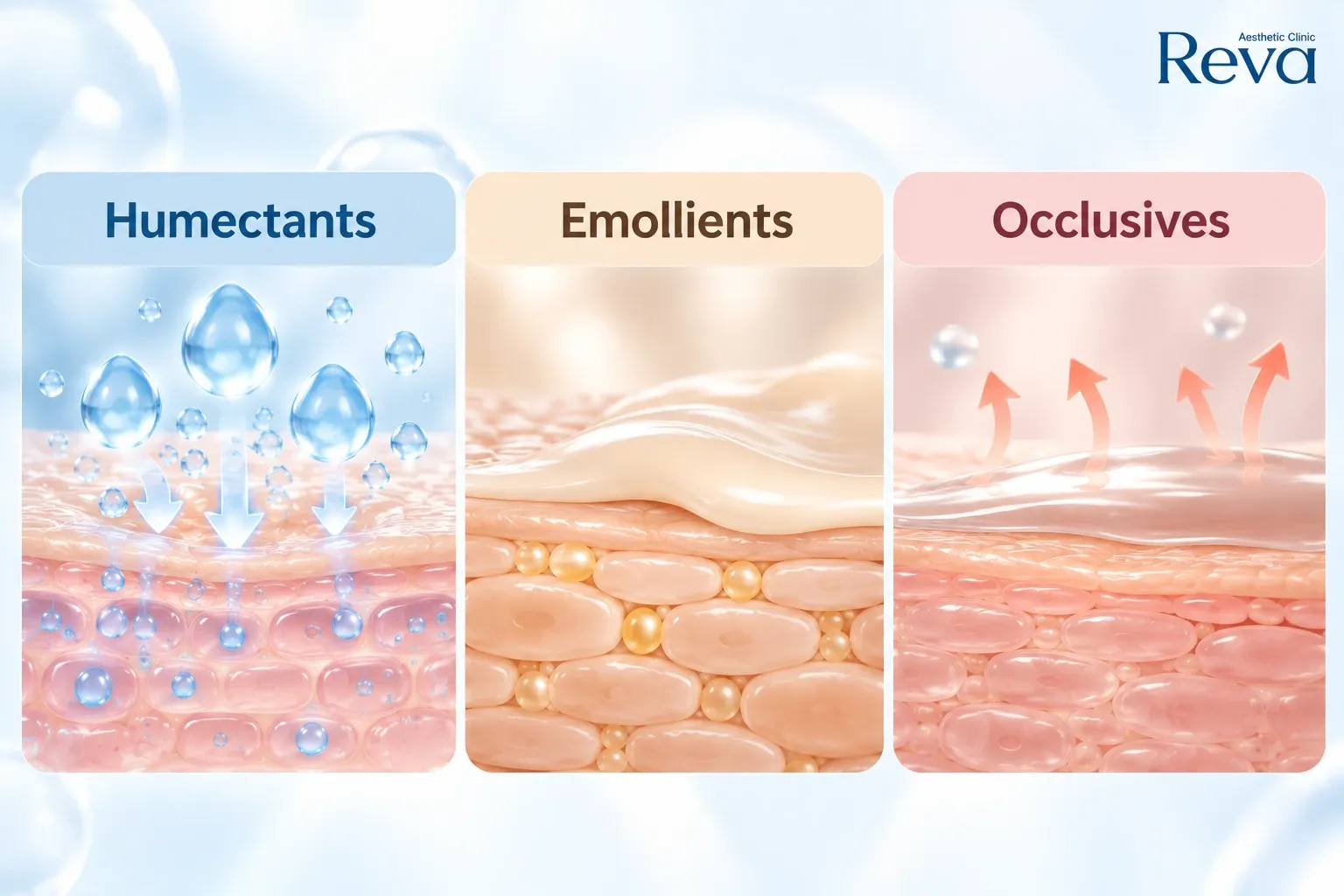
Different components of a moisturizer can perform different functions.
1. Humectants — Support Hydration
Humectants help attract and retain water within the Stratum Corneum.
Examples include:
Glycerin • Hyaluronic Acid • Urea
2. Emollients — Help the Skin Feel Softer and Smoother
Emollients help improve the surface characteristics of dry, rough skin and make it feel smoother.
3. Occlusives — Help Reduce Water Loss
Occlusive ingredients create a protective layer over the skin and help reduce water evaporation.
A classic example is Petrolatum.
Therefore, people with dry skin do not necessarily need to look for Hyaluronic Acid alone. The overall moisturizer formulation and condition of the skin barrier are also important.
What Should You Do If Retinol Makes Your Skin Dry?
Dryness, peeling, redness, and irritation may occur when using Retinoids, particularly during the initial period.
If symptoms are mild, you may consider:
Reducing application frequency
Using a gentle cleanser
Adding an appropriate moisturizer
Avoiding several irritating active ingredients at the same time
Using sunscreen regularly
Importantly, redness, burning, and peeling should not automatically be considered “purging.”
If significant irritation develops, stop the suspected irritant and allow the skin to be properly assessed before continuing.
What Aesthetic Treatments Can Help Dry or Dehydrated Skin?
Before choosing a treatment, determine why the skin feels dry.
If the skin is currently red, stinging, peeling, or significantly irritated, an injectable Skin Booster may not be the first priority. The underlying irritation and skin barrier should be addressed first.
However, if the skin barrier is relatively stable and the main concerns are:
Dehydration • Loss of Plumpness • Fine Lines • Reduced Skin Quality
Hyaluronic Acid-based programs may be considered depending on the individual's skin condition and treatment goals.
How Can HA Programs Help Dehydrated Skin?
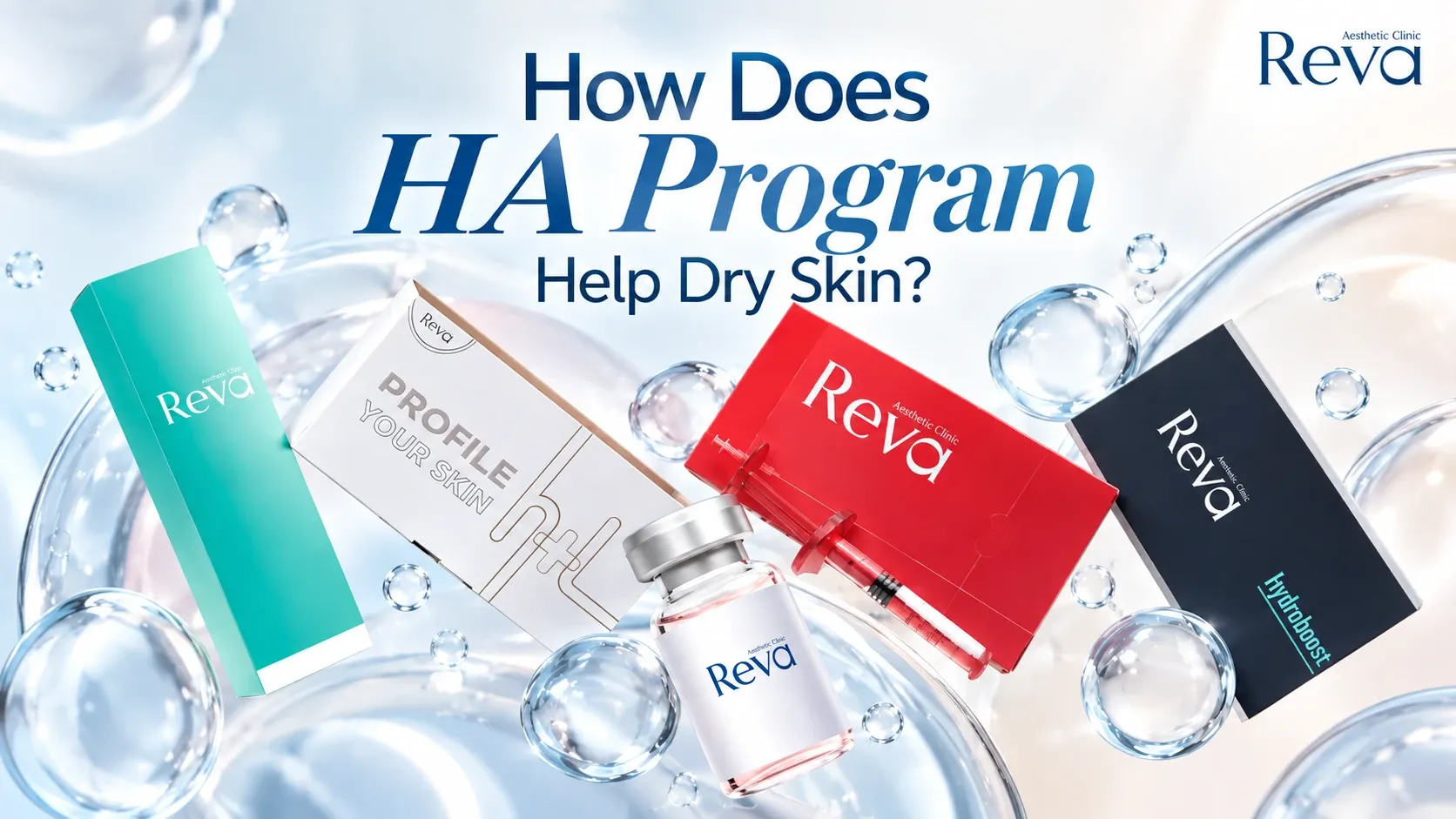
If the Skin Barrier is healthy, but the main concerns are dehydration, reduced plumpness, or fine lines, Hyaluronic Acid (HA) Skin Booster programs may be considered as one of the treatment options.
However, one important point is that:
Not all HA Skin Boosters are the same.
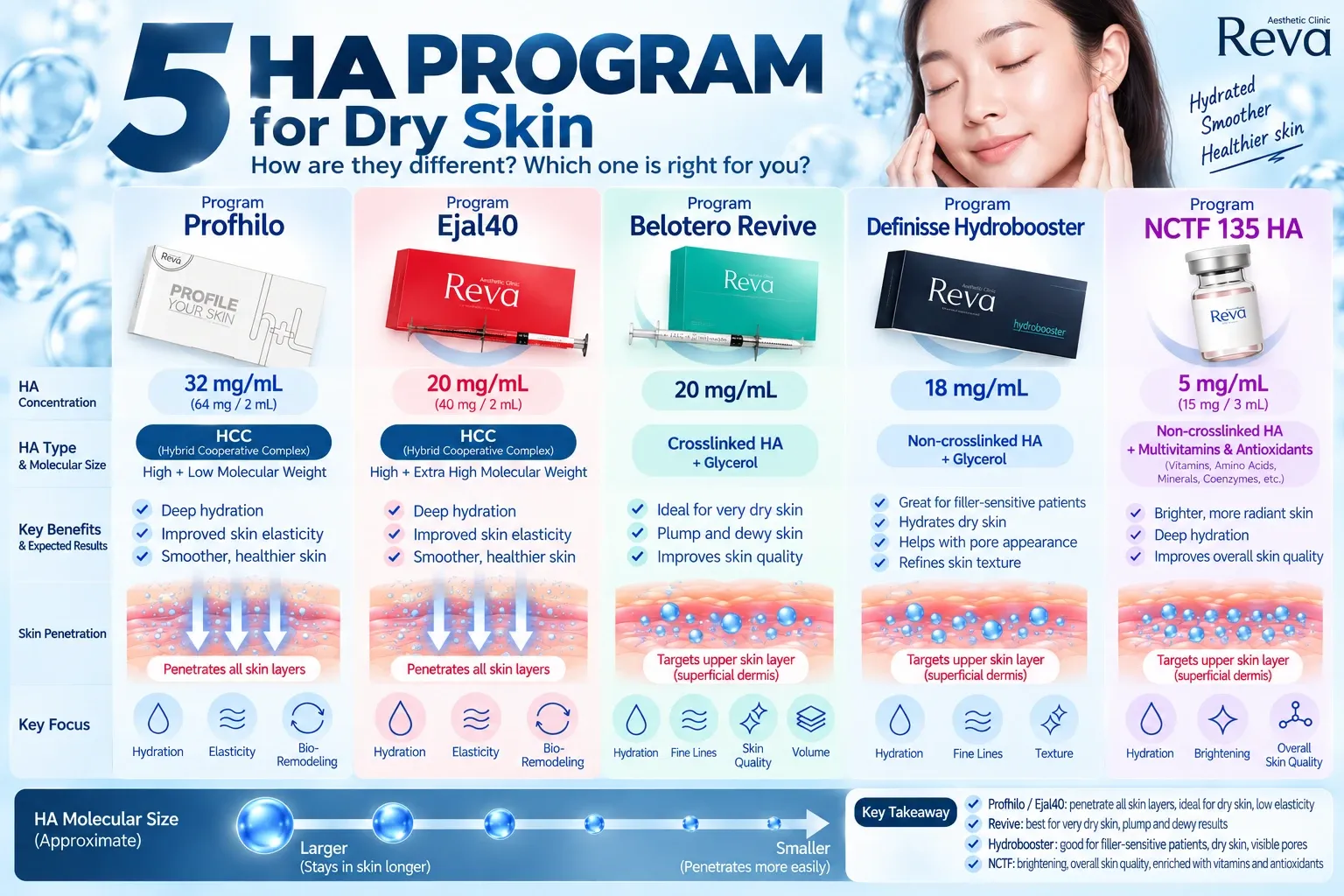
They can differ in HA concentration, HA structure, crosslinking, molecular weight, and additional ingredients. These differences influence the properties and intended treatment goals of each product.
1. Program Profhilo — HCC: High + Low Molecular Weight HA
Program Profhilo uses Hyaluronic Acid in the form of Hybrid Cooperative Complexes (HCC), combining high- and low-molecular-weight HA.
It is designed to support Hydration, Skin Elasticity, and Bio-Remodeling, and may be considered for patients with dehydrated skin together with reduced elasticity or fine lines.
2. Program Ejal40 — High Molecular Weight HA
Program Ejal40 is an HA Skin Booster focusing on Hydration and overall Skin Quality.
Its primary purpose is not to add facial volume or contour the face in the same way as a conventional dermal filler.
3. Program Belotero Revive — Crosslinked HA + Glycerol
Program Belotero Revive combines crosslinked Hyaluronic Acid with Glycerol.
It is designed to support Hydration, Fine Lines, and overall Skin Quality, and may be considered for patients whose concerns include dehydrated skin together with early textural changes or fine lines.
4. Program Definisse Hydrobooster — HA + Glycerol
Program Definisse Hydrobooster combines Hyaluronic Acid with Glycerol and may be considered for concerns such as dehydrated skin, reduced plumpness, fine lines, and uneven skin texture.
The treatment focuses primarily on Hydration and Skin Quality.
5. Program NCTF 135HA — HA + Vitamins + Amino Acids
Program NCTF 135HA combines non-crosslinked Hyaluronic Acid with a polyrevitalizing solution containing ingredients such as vitamins and amino acids.
Rather than focusing on hydration alone, it may be considered when the goal is to improve Hydration and overall Skin Quality.
It may be suitable for assessment in patients concerned about:
Dehydration • Dull-looking skin • Texture • Fine Lines • Overall Skin Quality
Which HA Program Should You Choose?
You should not choose a treatment simply based on “which one has the most HA,” because HA concentration is only one of several factors that can influence the treatment outcome.
A better question than “Which HA is the best?” is:
“What does my skin need, and what results am I looking for?”
Someone who mainly needs Hydration may not require the same treatment as someone with Dehydration + Fine Lines + Reduced Elasticity.
What If You Have Multiple Skin Concerns?
Some people may have more than just dehydrated skin. Their concerns may include:
Dehydration + Enlarged Pores + Pigmentation + Uneven Texture + Collagen Loss
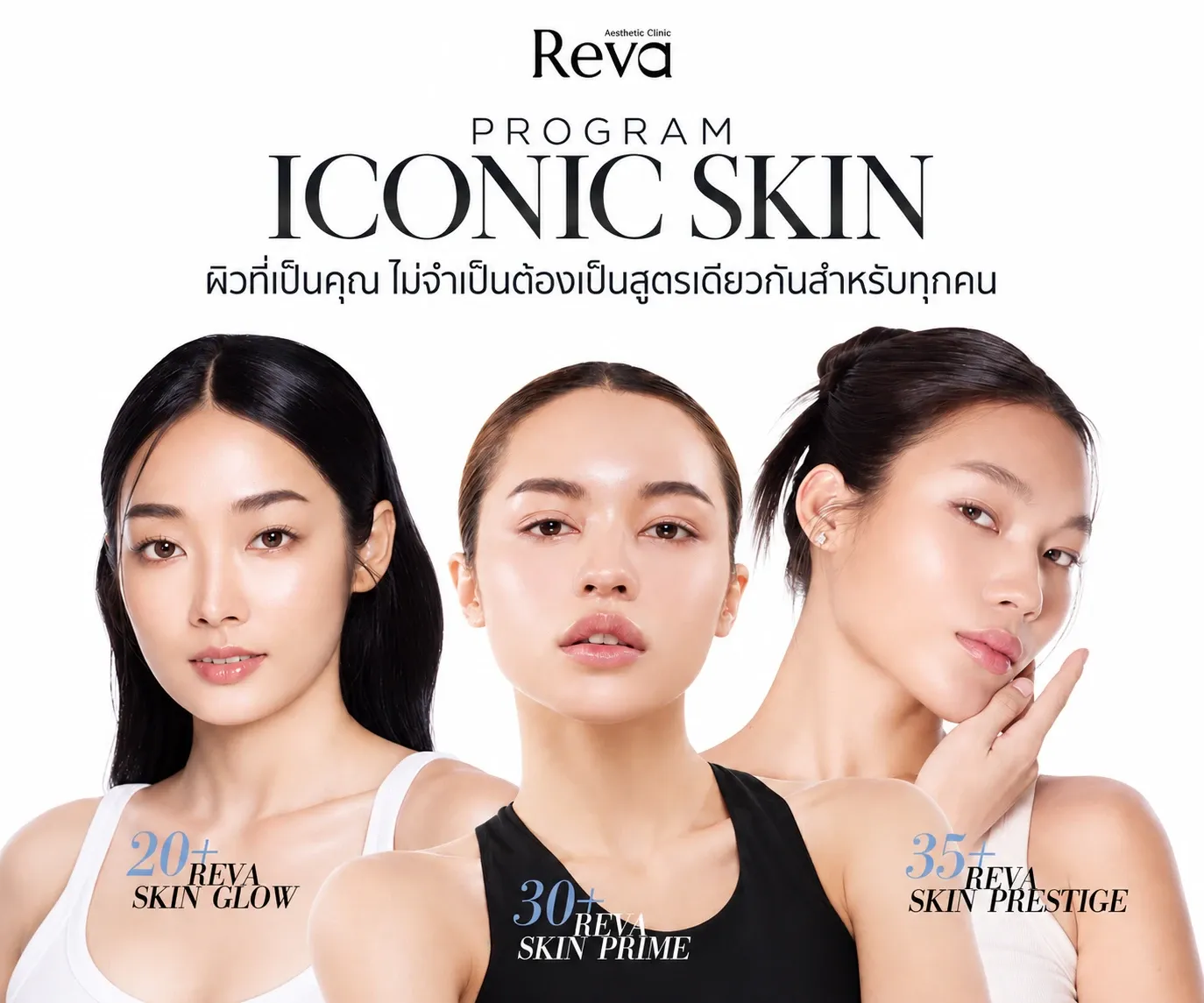
In these cases, Reva Clinic can assess the skin through REVA ICONIC SKIN and create a personalized Skin Quality treatment plan based on multiple aspects of the skin, rather than choosing a Skin Booster based solely on the product name.
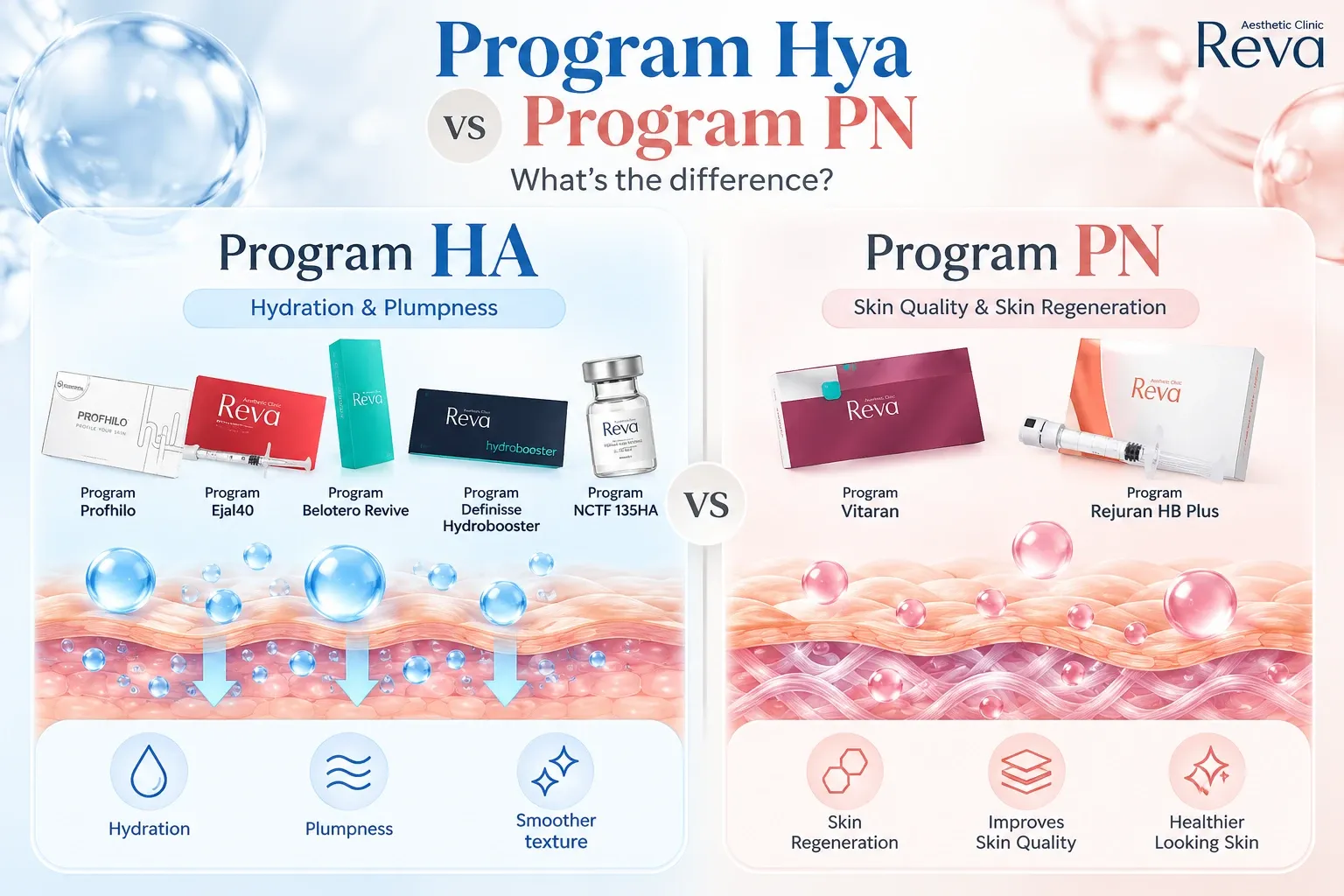
How Are Program Hya and Program PN Different?
Both categories may be incorporated into a Skin Quality treatment plan, but they should not be considered identical.
In general, Program Hya has a stronger focus on Hydration and skin plumpness, depending on the characteristics of each HA product.
PN-based products such as Program Vitaran and Program Rejuran HB Plus are generally considered from a broader Skin Quality and skin-rejuvenation perspective.
Some products may also contain more than one type of ingredient—for example, PN combined with HA. Treatment selection should therefore consider the actual formulation and treatment objective, rather than relying only on the product category or brand name.
FAQ: Dry and Dehydrated Skin
What Should I Apply If My Face Is Dry?
The basics are Gentle Cleanser + Moisturizer + Sunscreen. The moisturizer should be selected according to the degree of dryness and the condition of the skin barrier.
Does Hyaluronic Acid Help Dry Skin?
HA can support skin hydration, but some types of dry skin also require Emollients, Occlusives, and Barrier Support. Hyaluronic Acid alone is therefore not the answer to every type of dry skin.
Can You Have Oily but Dehydrated Skin?
Yes. Sebum production and water content within the Stratum Corneum are different aspects of the skin.
Can I Use Moisturizer If I Have Dry Skin and Acne?
Yes. Acne does not mean that the skin should be intentionally dried out. This can be particularly important for people using acne medications or Retinoids. Choose a formulation appropriate for acne-prone skin and the treatments currently being used.
Should I Stop Retinol If My Skin Becomes Dry?
It depends on the severity. Mild dryness may sometimes be managed by reducing frequency and improving moisturization. However, if there is significant redness, burning, peeling, or irritation, stop the suspected irritant and have the skin assessed before continuing.
Should I Get a Skin Booster for Dry Skin?
Not everyone needs one.
If dryness is primarily caused by an irritated or disrupted skin barrier, addressing the underlying cause should come first. If the skin barrier is stable and the main concern is Dehydration or Skin Quality, an HA-based program or another appropriate treatment may then be considered.
Which Is Better: Program Profhilo, Ejal40, Revive, or Definisse Hydrobooster?
There is no single option that is best for everyone because each product has different formulations and treatment goals.
The choice should depend on whether the main goal is Hydration, Texture, Fine Lines, Elasticity, or overall Skin Quality.
Summary
Dry skin does not simply mean that the skin needs more “water.”
The first step is to determine whether the problem is related to the Skin Barrier, water loss, skin lipids, skincare products, Retinoids, aging, or environmental factors.
For many people, returning to the basics—Gentle Cleansing + Moisturizer + Sunscreen—may be the most important step.
If the skin barrier is stable but concerns such as Dehydration, Fine Lines, or reduced Skin Quality remain, HA-based options including Program Definisse Hydrobooster, Program Revive, Program Ejal40, or Program Profhilo may be considered according to individual needs.
For patients with several overlapping skin concerns, REVA ICONIC SKIN can be used as a personalized Skin Quality approach rather than selecting a treatment based solely on a product name.