What Is an Indian Line? What Causes a Mid-Cheek Groove and How Can It Be Treated? | Reva Clinic
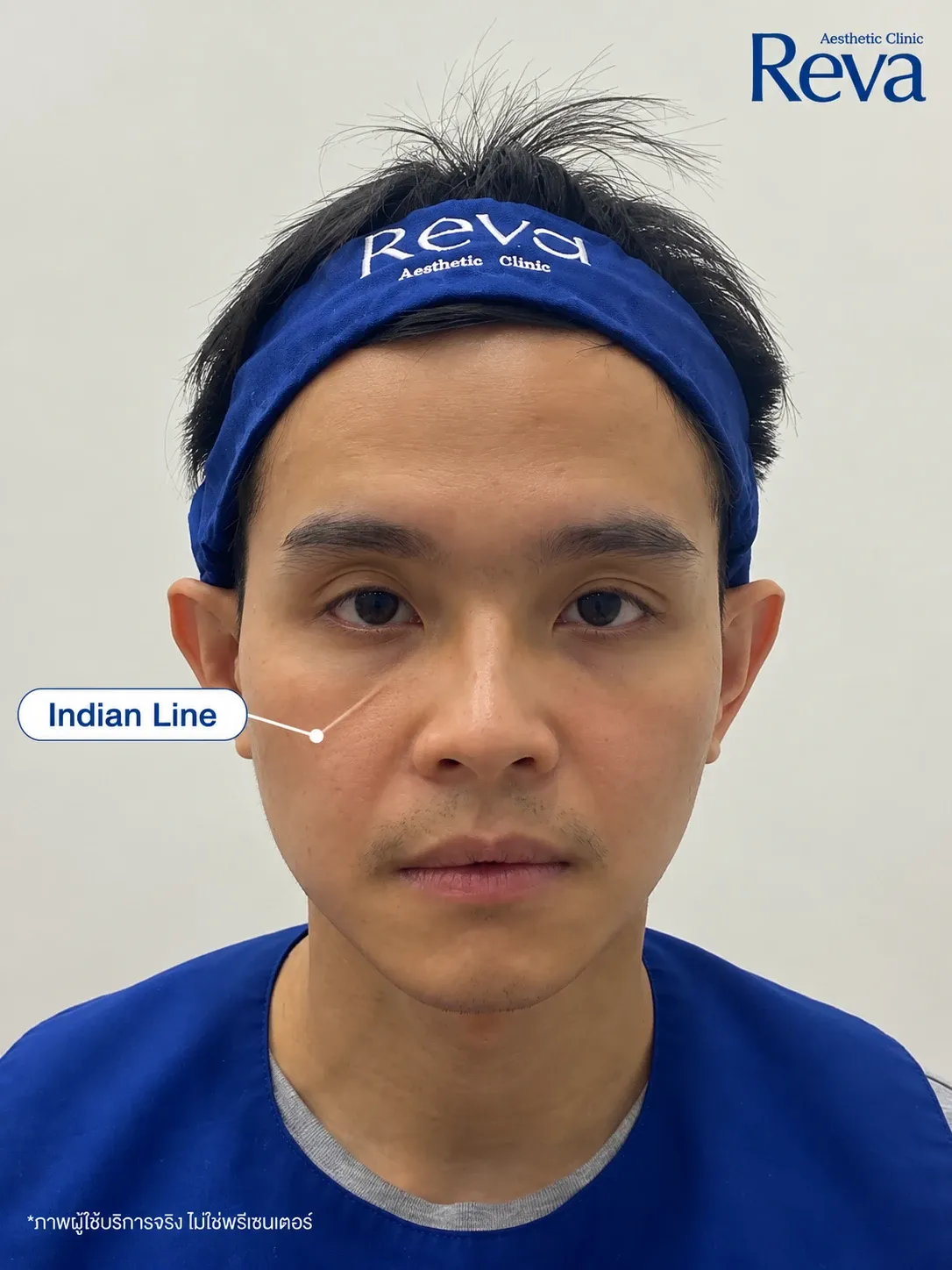
Have you ever noticed a diagonal line across the middle of the cheek, sometimes extending down from the under-eye area? When this line becomes more noticeable, it can create a shadow that makes the face look tired or older, even in younger people.
This line is commonly referred to as an Indian Line or Indian Band. In medical literature, it is more commonly described as a mid-cheek groove.
An Indian Line is not simply a skin wrinkle. Its appearance can be influenced by several factors, including your natural facial structure, changes in cheek volume, skin quality, and the tissues that support the midface.
This is why treating an Indian Line is not always as simple as injecting filler directly into the visible line.
Key Takeaways
An Indian Line is a groove across the mid-cheek, often appearing as a diagonal line extending from the under-eye area.
It is different from a nasolabial fold, although both can appear at the same time.
Younger people can naturally have Indian Lines because of their facial anatomy.
As we age, changes in facial volume, skin quality, and tissue support can make the groove more noticeable.
Treatment depends on whether the main concern is volume loss, skin quality, or tissue support.
Program Filler, collagen-stimulating treatments, HA skin boosters, and PN may play different roles depending on the cause.
Where Is the Indian Line?
An Indian Line usually appears across the mid-cheek, often as a diagonal groove extending from the under-eye area toward the cheek.
Because this area is close to both the tear trough and nasolabial fold, it is easy to confuse these concerns.
A nasolabial fold generally runs from the side of the nose toward the corner of the mouth. An Indian Line sits higher on the face and crosses the mid-cheek.
Some people have only an Indian Line, while others may have an under-eye hollow, Indian Line, and nasolabial fold at the same time. When several of these are present together, the shadows across the midface can make the face appear more tired.
What Causes Indian Lines?
Two people may have very similar-looking Indian Lines but develop them for completely different reasons.
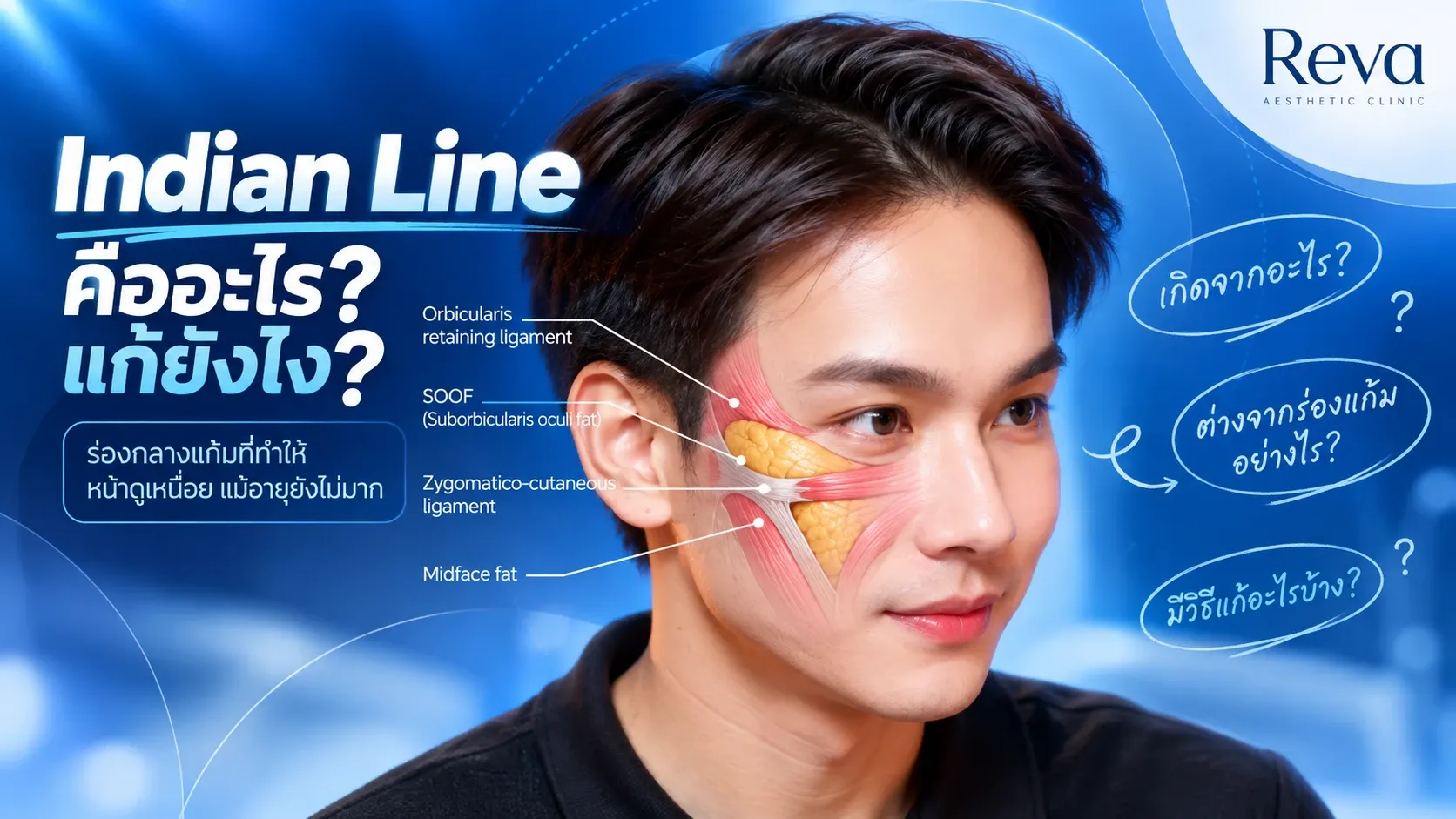
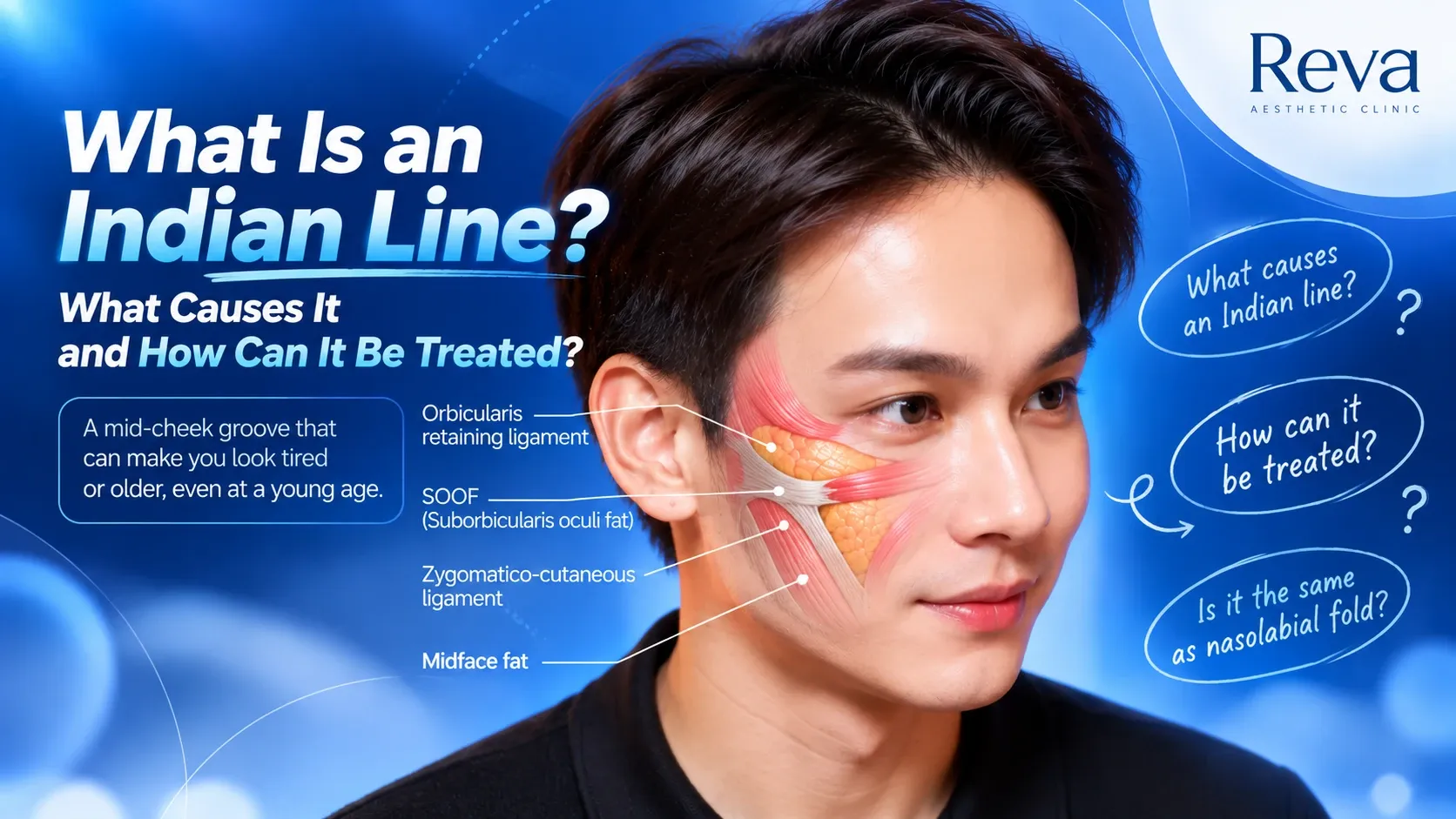
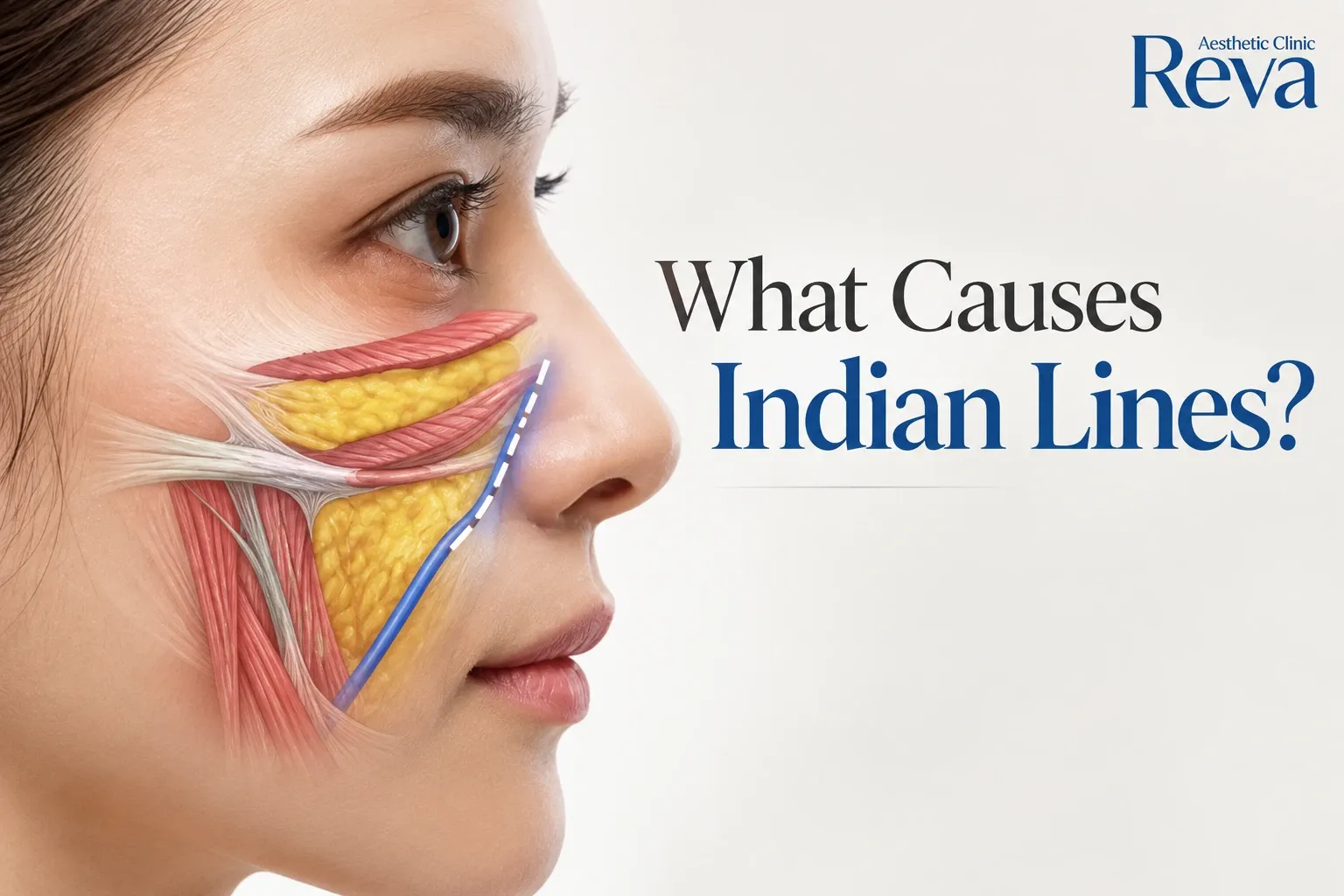
The cheek is not made up of skin alone. Underneath the skin are fat, muscles, and supporting tissues that help maintain the shape and position of the face.
When one or more of these components change, the difference in height between neighboring areas can become more noticeable, creating the groove and shadow we recognize as an Indian Line.
For practical purposes, we can think of three common contributing factors: volume loss, thinner skin and reduced skin quality, and changes in tissue support.
1. Indian Lines From Loss of Cheek Volume
As we age, facial volume does not remain the same. Some areas may gradually lose fullness, making the transition between the under-eye and cheek more noticeable.
As a result, an Indian Line that was previously subtle may begin to look deeper because more shadow forms around the groove.
People in this group may notice other changes as well, such as deeper-looking under-eyes, flatter cheeks, or an overall more tired appearance.
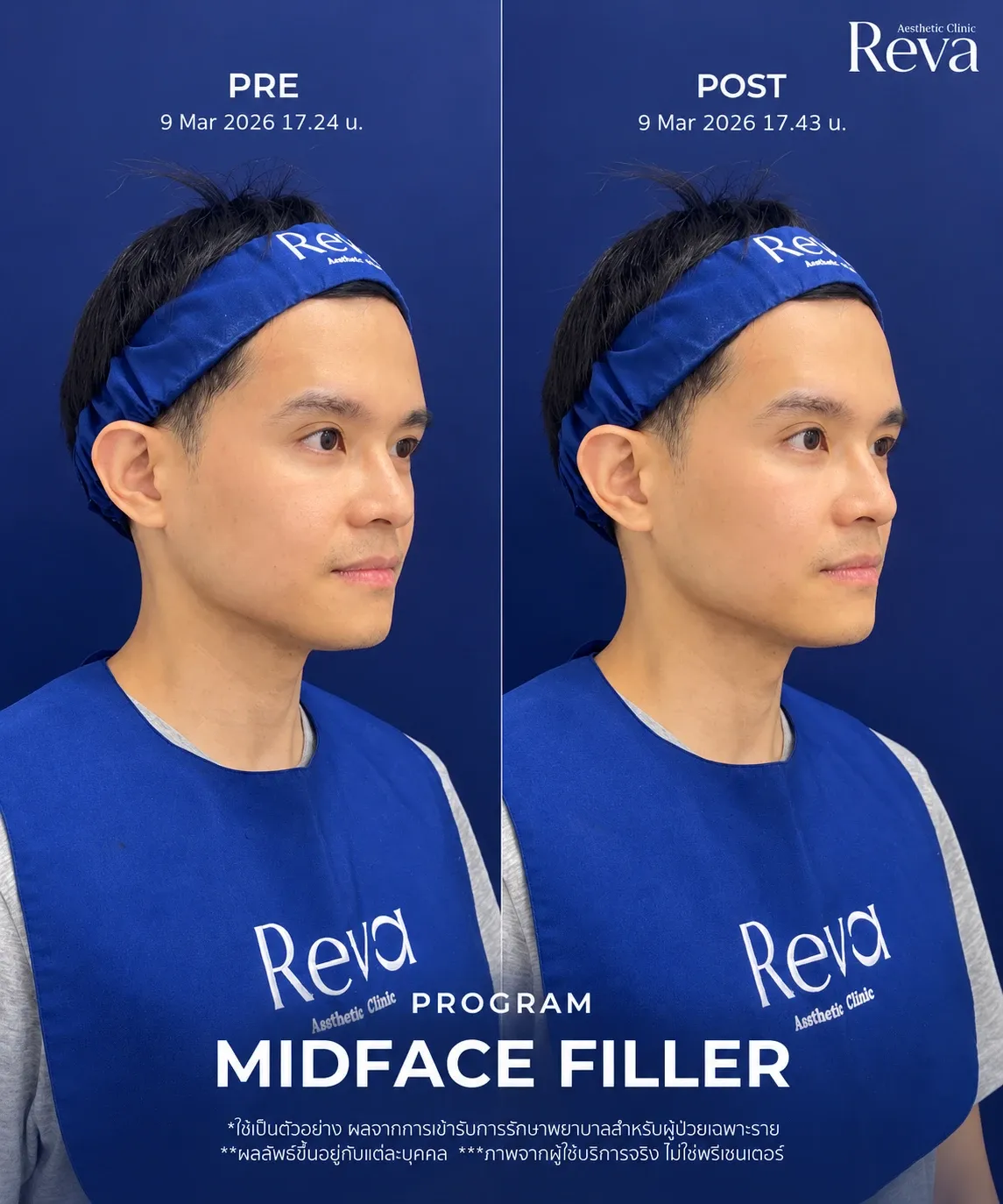
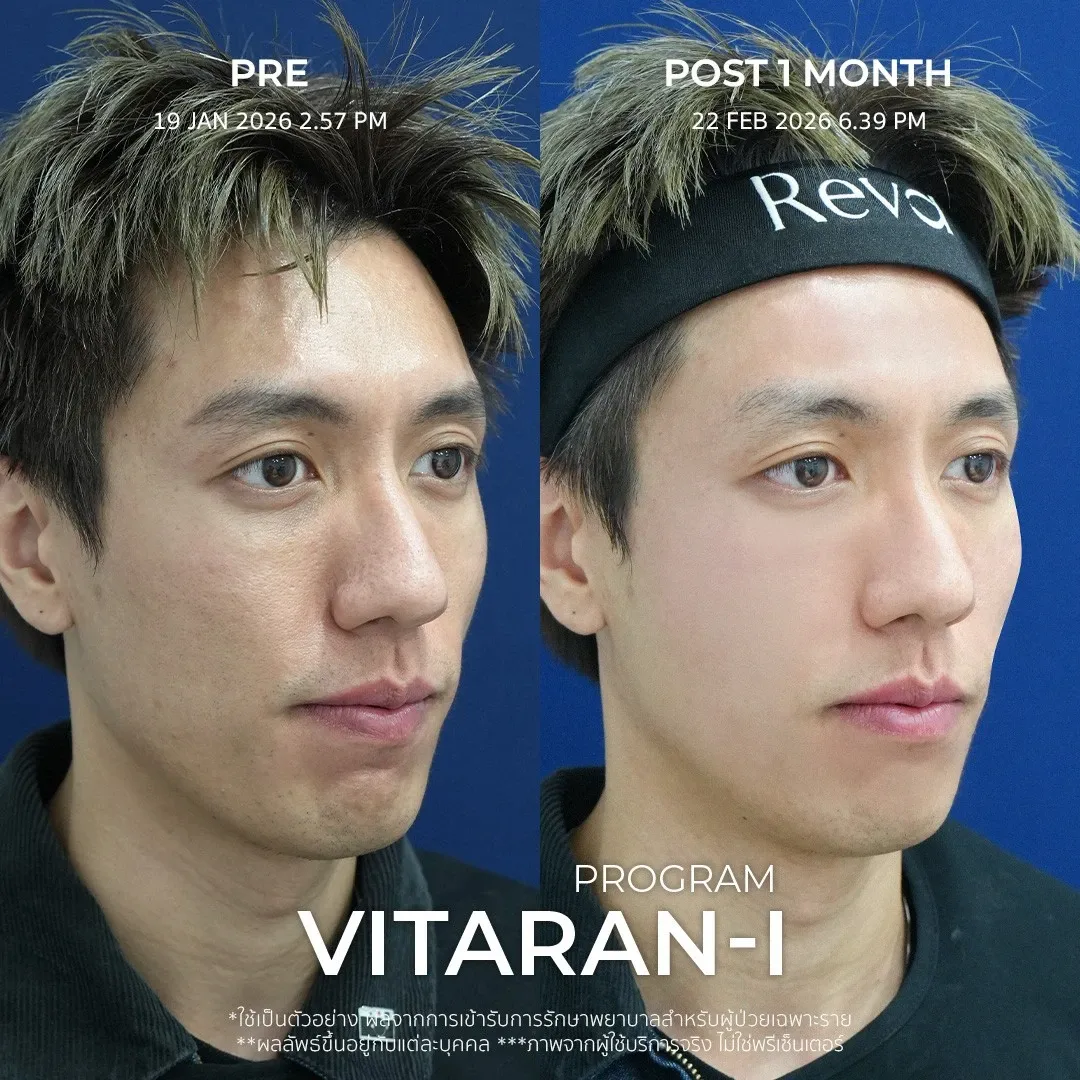
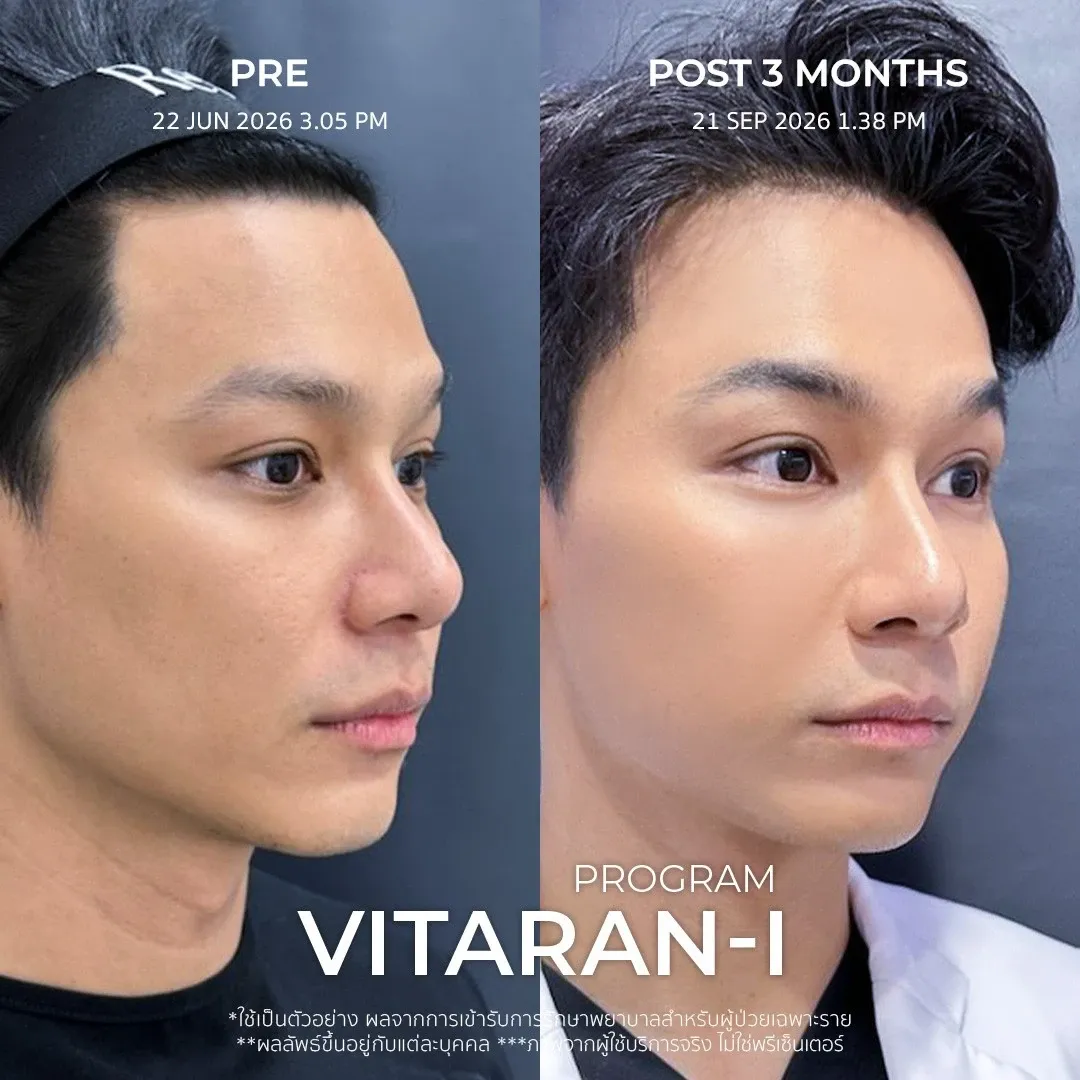
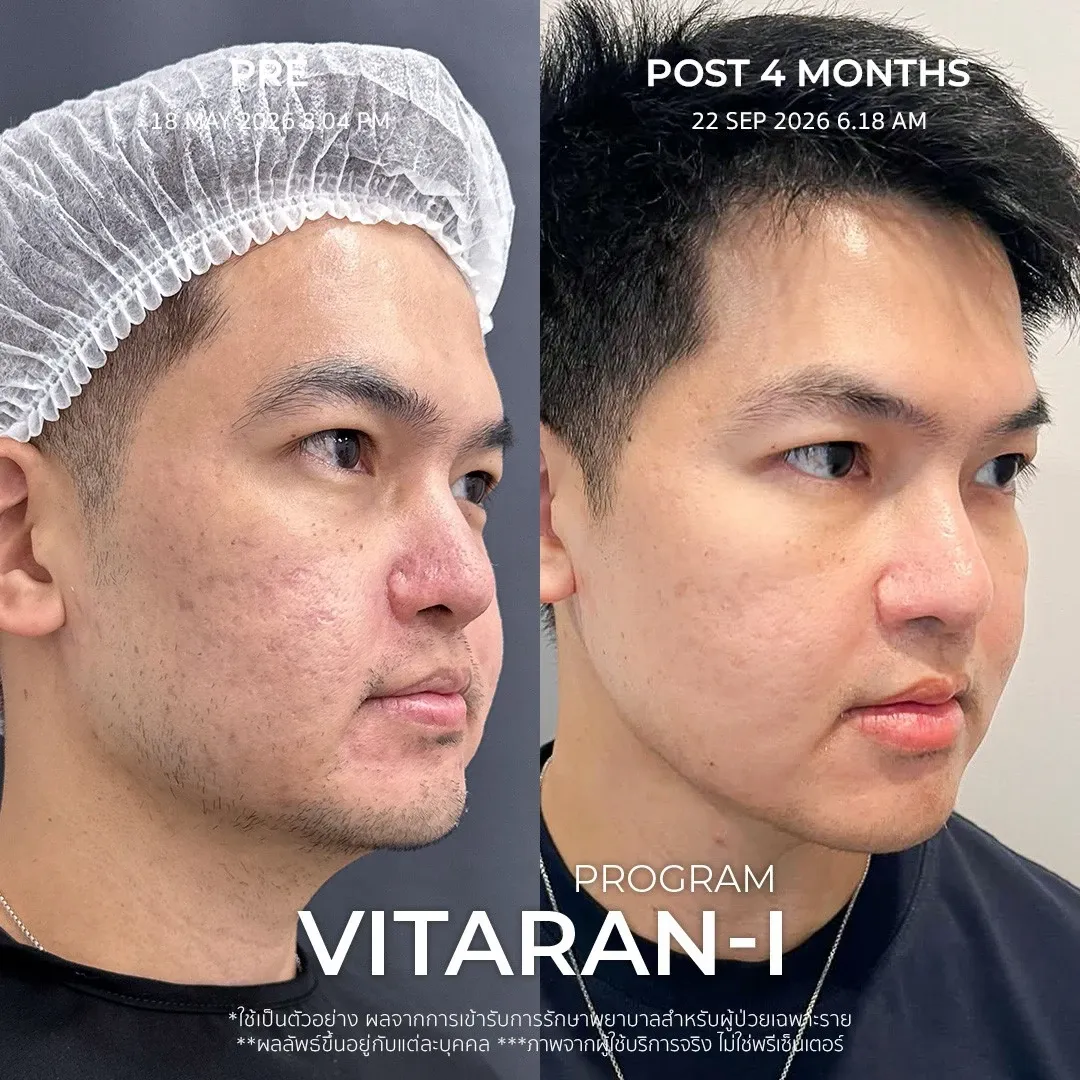
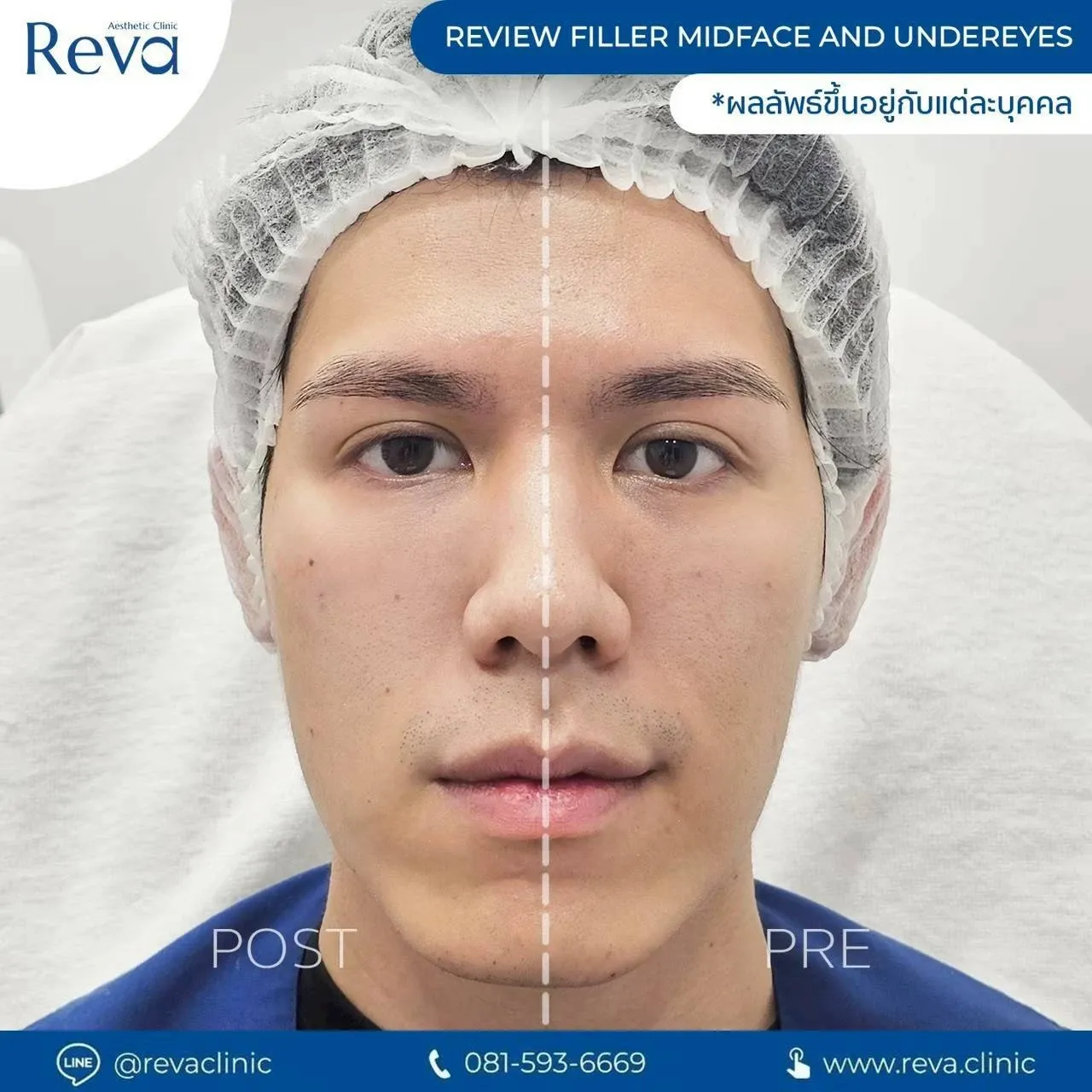
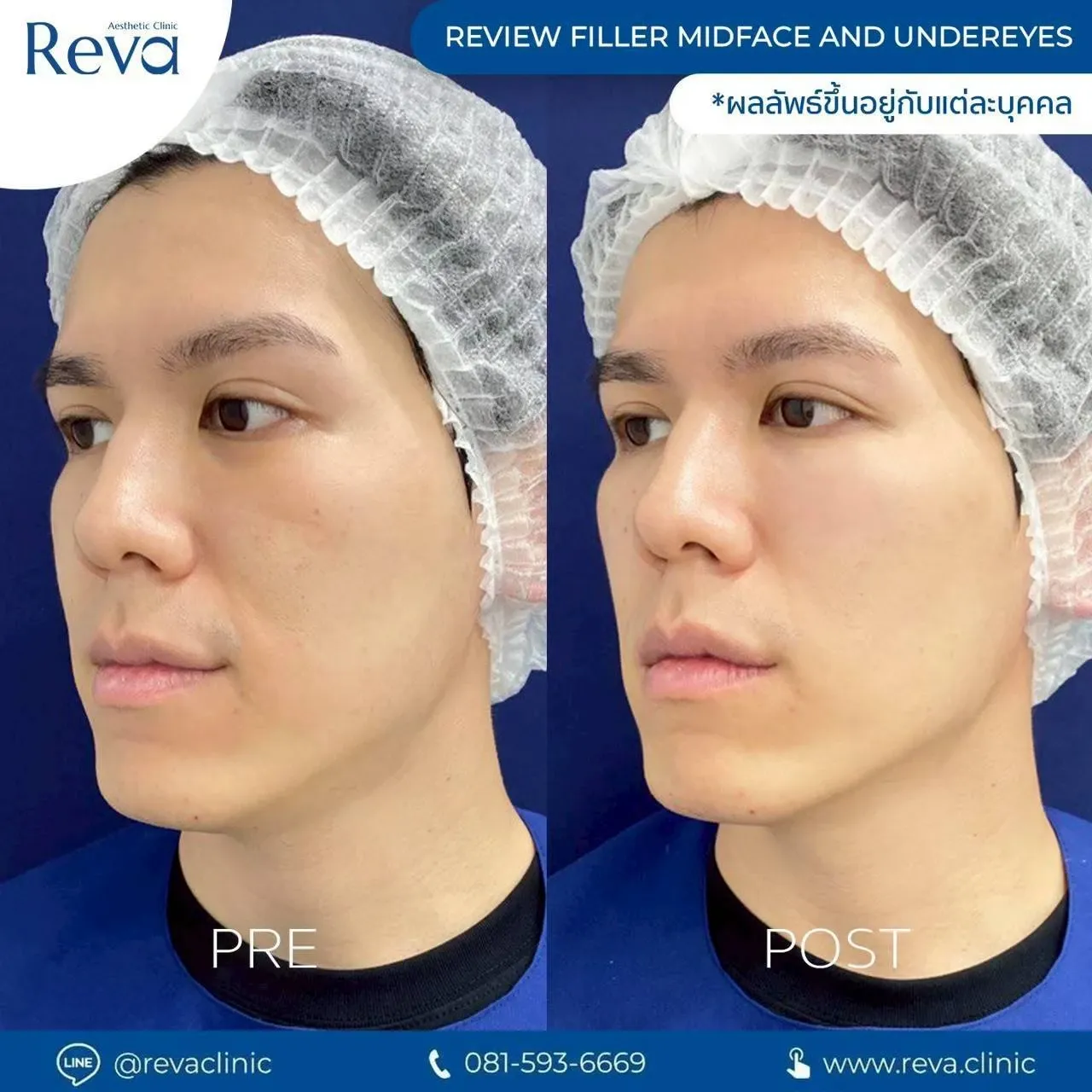
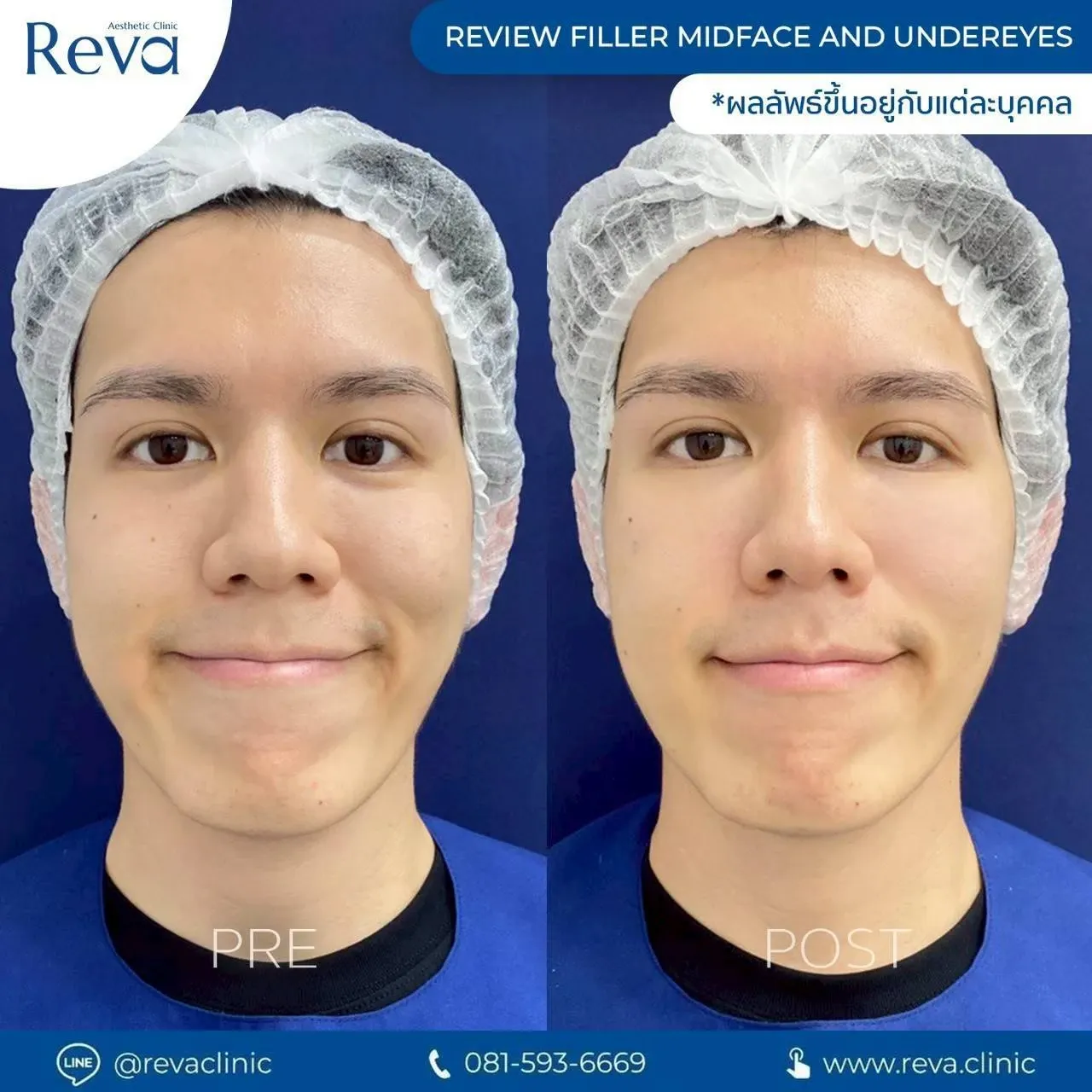
When volume loss is an important part of the problem, Program Filler may be considered to restore volume and improve the transition across the midface.
However, this does not necessarily mean that filler should be injected directly into the Indian Line itself. In some cases, restoring volume in the surrounding cheek or under-eye area may be more appropriate.
2. Indian Lines From Thin Skin or Reduced Skin Quality
Not everyone with an Indian Line has significant volume loss.
Some people still have good cheek volume, but the skin becomes thinner, drier, less elastic, or develops fine lines. This can make an existing groove appear more noticeable.
If skin quality is the main concern, adding a large amount of volume may not be the first choice.
Instead, treatments focusing on skin quality and collagen may be considered, including Program Collagen Biostimulator.
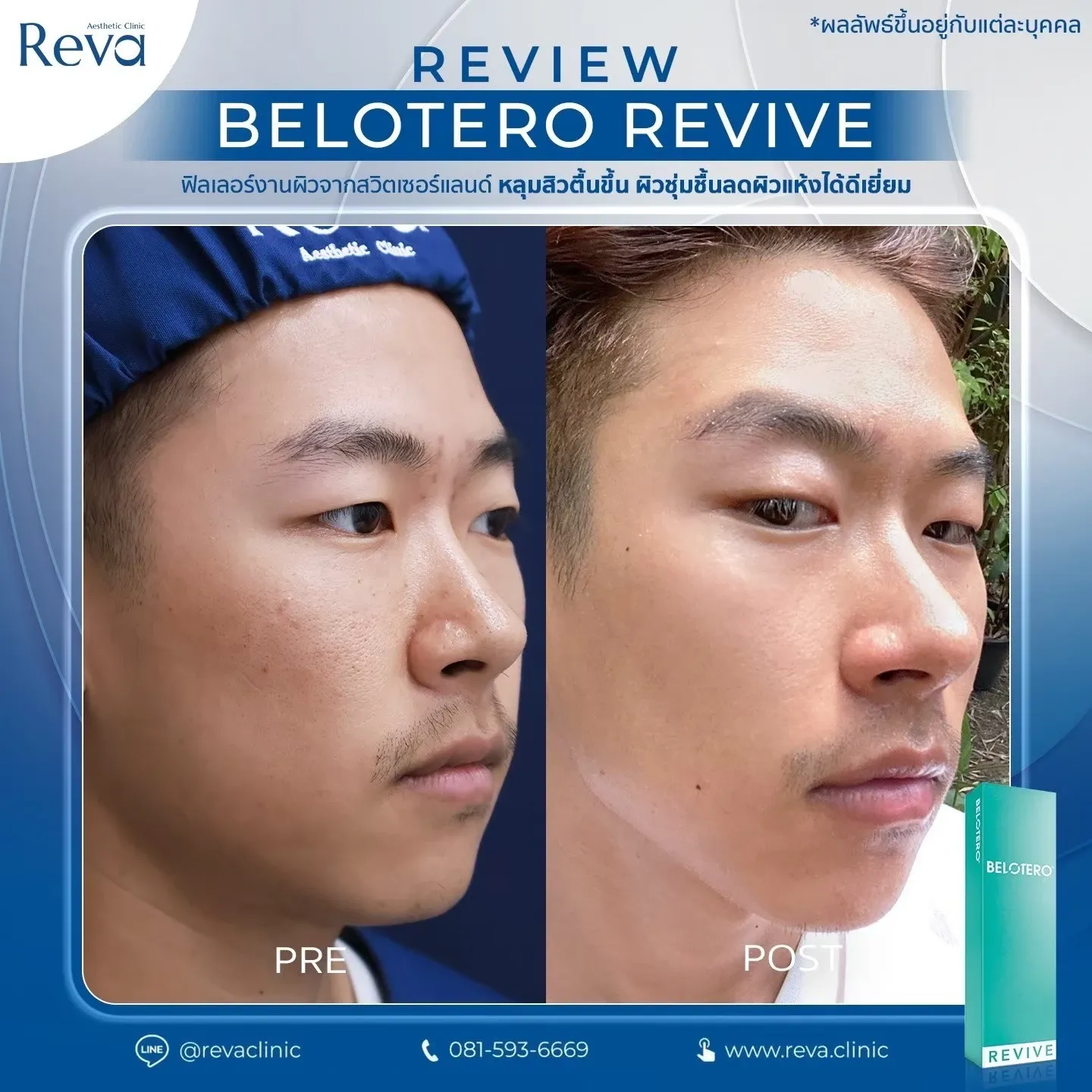
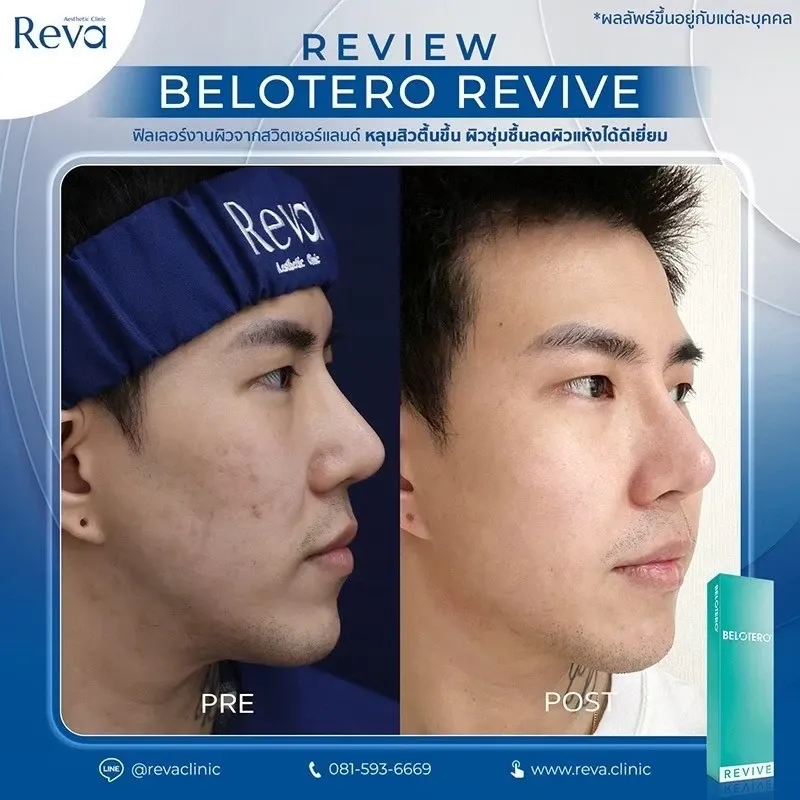
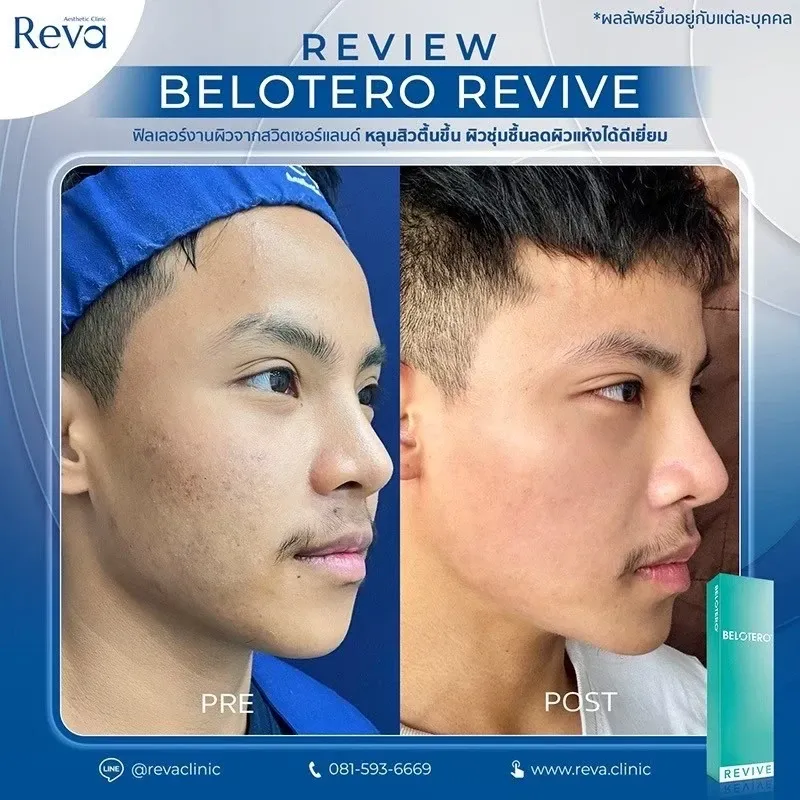
Another option in selected cases may be an HA skin booster, such as Program Belotero Revive or Program Definisse Hydrobooster.
These treatments are primarily used to improve hydration and skin quality. Depending on the product and injection technique, they may also provide a subtle plumping effect without aiming to create the same degree of volume as conventional filler.
3. Indian Lines From Changes in Midface Support
As we age, the changes we see are not limited to the skin or facial fat. The tissues that help support the cheek also change over time.
When this support changes, the surrounding tissues may shift, making an existing Indian Line more noticeable.
In this situation, simply filling the visible groove may not address the whole problem.
In selected cases, Program Filler may be used with a structural-support or facial-lifting approach, focusing on areas that help support the overall midface rather than chasing the line itself.
Polynucleotide (PN) treatments are also increasingly used for skin and tissue-quality improvement. In selected cases, PN may be incorporated into a treatment plan to support the quality of the tissues around the area.
However, PN does not work in the same way as filler. It should not be expected to replace significant lost volume or provide the same structural lifting effect as appropriately placed filler.
What If More Than One Problem Is Present?
This is actually quite common.
One person may have volume loss together with thinner skin, while another may have an under-eye hollow, Indian Line, and changes in midface support at the same time.
This is why two people with similar-looking Indian Lines may receive very different treatment plans.
For example, someone with significant volume loss may benefit more from Program Filler, while another person who still has good facial volume but has thinner skin may focus more on skin boosters or collagen-stimulating treatments.
If both volume and support have changed, the facial structure may need to be addressed first before focusing on skin quality.
So instead of asking:
“What is the best treatment for Indian Lines?”
A more useful question is:
“What is causing my Indian Line?”
Why Do I Have an Indian Line Even Though I’m Young?
Indian Lines are not limited to older people.
Some people naturally have a visible mid-cheek groove in their 20s or 30s because facial shape, cheek volume, and the tissues beneath the skin vary from person to person.
Having an Indian Line at a young age therefore does not necessarily mean that your face is aging prematurely.
It is more useful to consider whether the line has always been part of your facial structure or whether it has recently become deeper or more noticeable.
If it has become more prominent over time, changes in facial volume, skin quality, or tissue support may be contributing.
Can Lifting Treatments Improve Indian Lines?
If facial laxity is also present, an energy-based lifting treatment may be considered as part of the overall treatment plan.
However, an Indian Line is not caused by skin laxity alone. If the main problem is volume loss or a difference in the contour of the underlying tissues, a lifting treatment alone may not completely improve the groove.
The important distinction is whether we are treating the Indian Line itself or another aging concern that is making the Indian Line more noticeable.
Can Filler Completely Remove an Indian Line?
In suitable cases, Program Filler can make an Indian Line appear softer and less noticeable. However, the goal does not necessarily have to be complete removal of the line.
If the groove is also influenced by tissue attachments, thinner skin, or other structural factors, trying to fill the line until it disappears completely may require unnecessary volume and may not produce the most natural-looking result.
A better goal is often to soften the groove, reduce the shadow across the mid-cheek, and create a smoother transition between the under-eye and cheek while maintaining the natural shape of the face.
How Should Indian Lines Be Treated?
An Indian Line, or mid-cheek groove, can be present from a young age and may become more noticeable as the face changes over time.
Although the grooves may look similar, the underlying cause can be different from one person to another.
If the main problem is volume loss, Program Filler may be considered.
If the main problem is thin skin or reduced skin quality, treatments such as a Program Collagen Biostimulator or HA skin boosters including Program Belotero Revive and Program Definisse Hydrobooster may be considered.
If there are changes in midface support, the overall facial structure may need to be assessed, with Program Filler used for structural support in selected cases. PN may also have a role in improving tissue quality as part of an individualized treatment plan.
For this reason, rather than starting with:
“What should I inject for my Indian Line?”
it is better to start with:
“What is causing my Indian Line?”
At Reva Clinic, the under-eye area, mid-cheek, skin quality, facial volume, and overall facial structure are assessed before designing an individualized treatment plan based on each patient’s concerns and goals.