What Are Accordion Lines? Causes and Treatments for Cheek Wrinkles | Reva Clinic
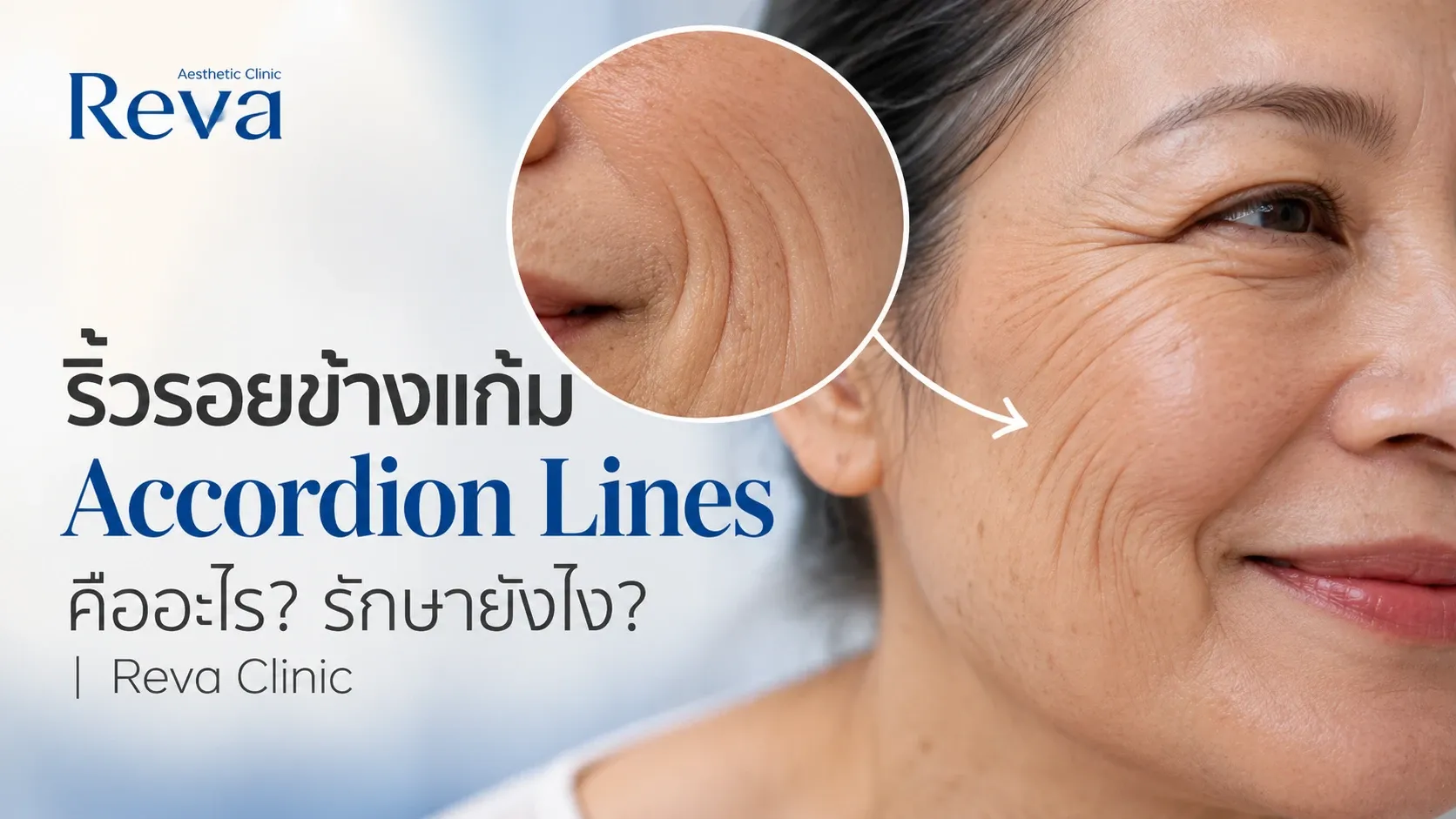
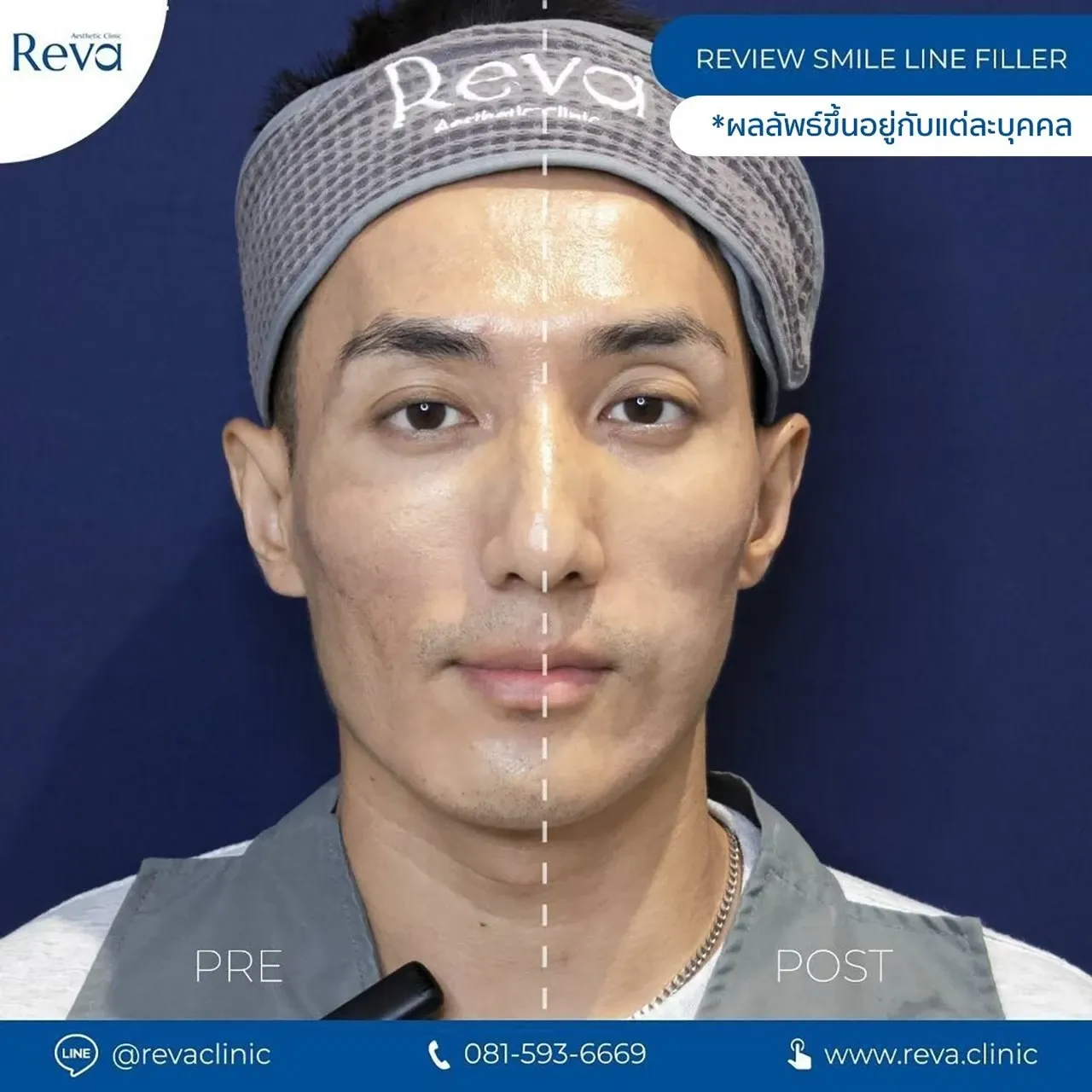
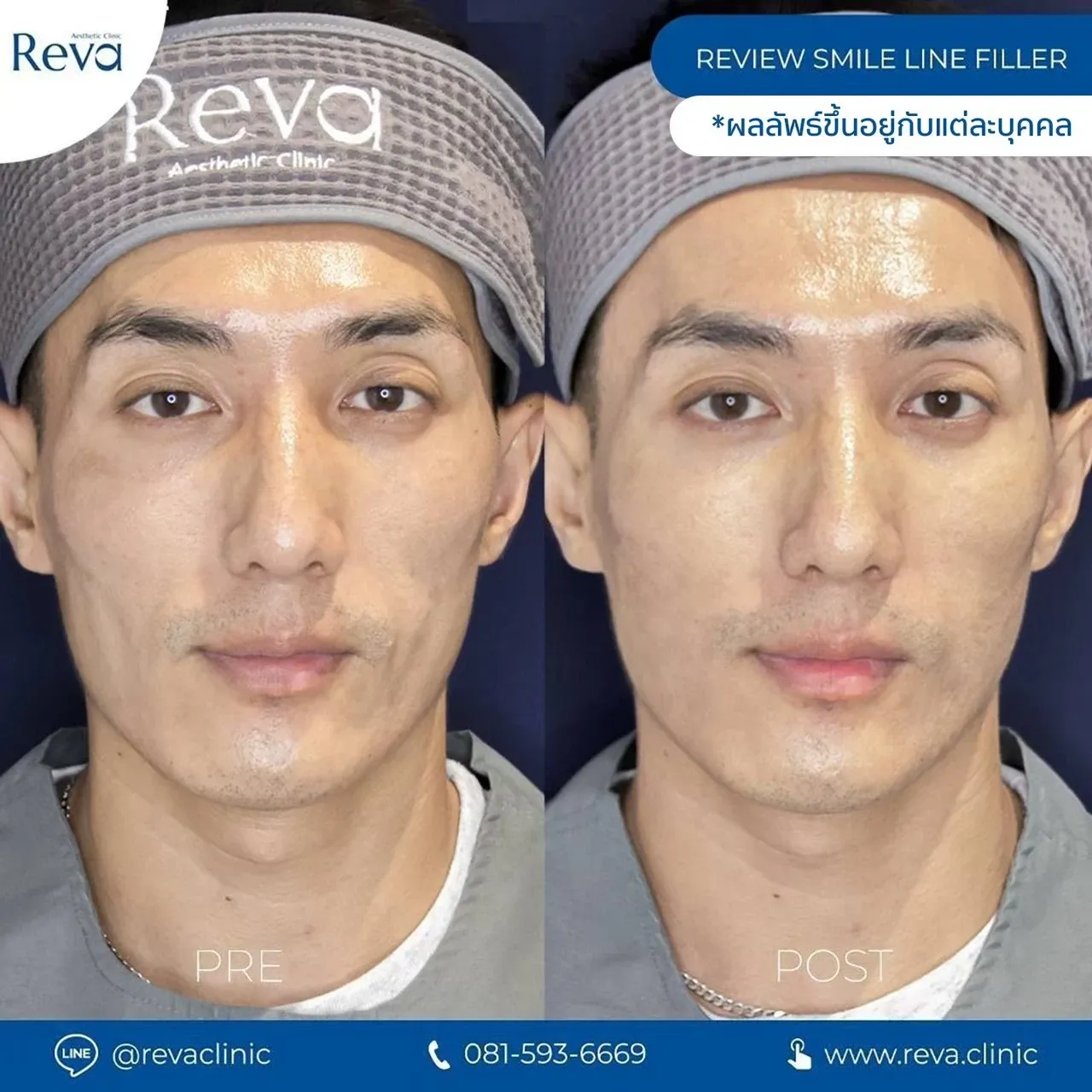
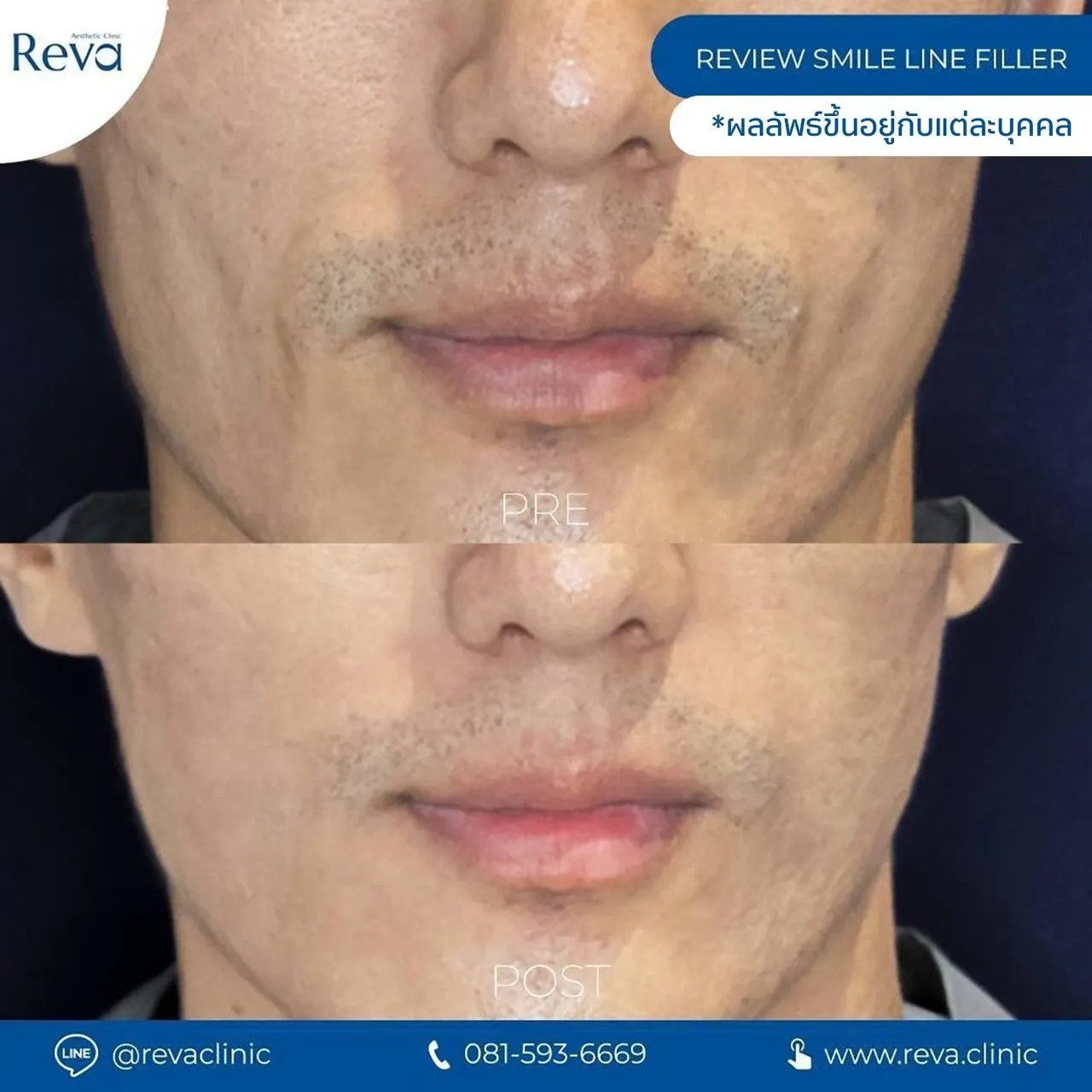
Accordion lines are the multiple fine lines or folds that appear across the cheeks, especially when smiling. In medical literature, they may also be called radial cheek lines.
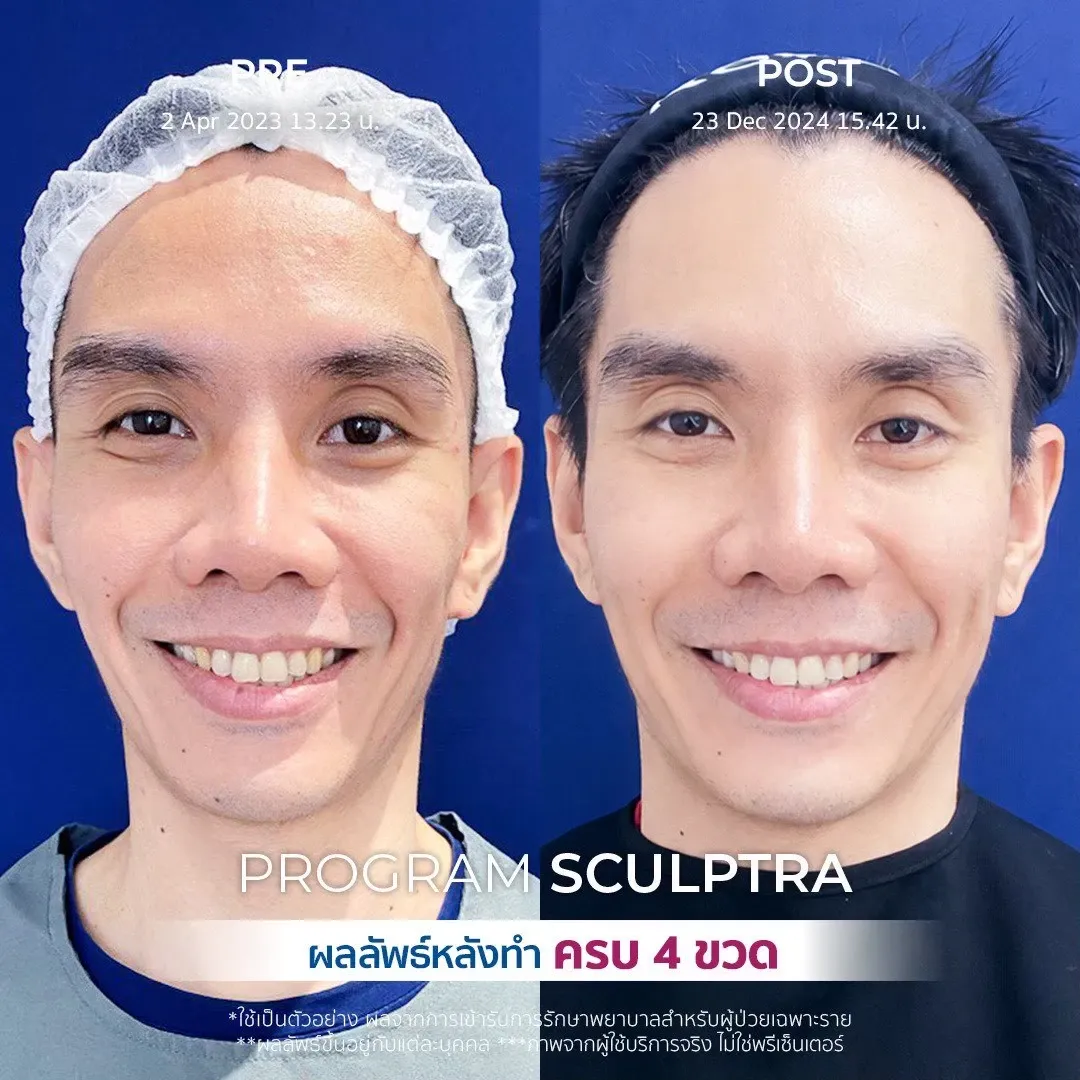
These lines can appear even in younger people. When we smile, the cheeks naturally move upward and the skin folds with them. However, as we get older, some people may notice that these lines become more visible, deeper, or start to remain even when the face is at rest.
This does not happen simply because you “smile too much.” Skin quality, collagen, elasticity, cheek laxity, and changes in facial volume can all play a role.
Are Accordion Lines the Same as Smile Lines?
No. Although both may become more noticeable when smiling, they are different.
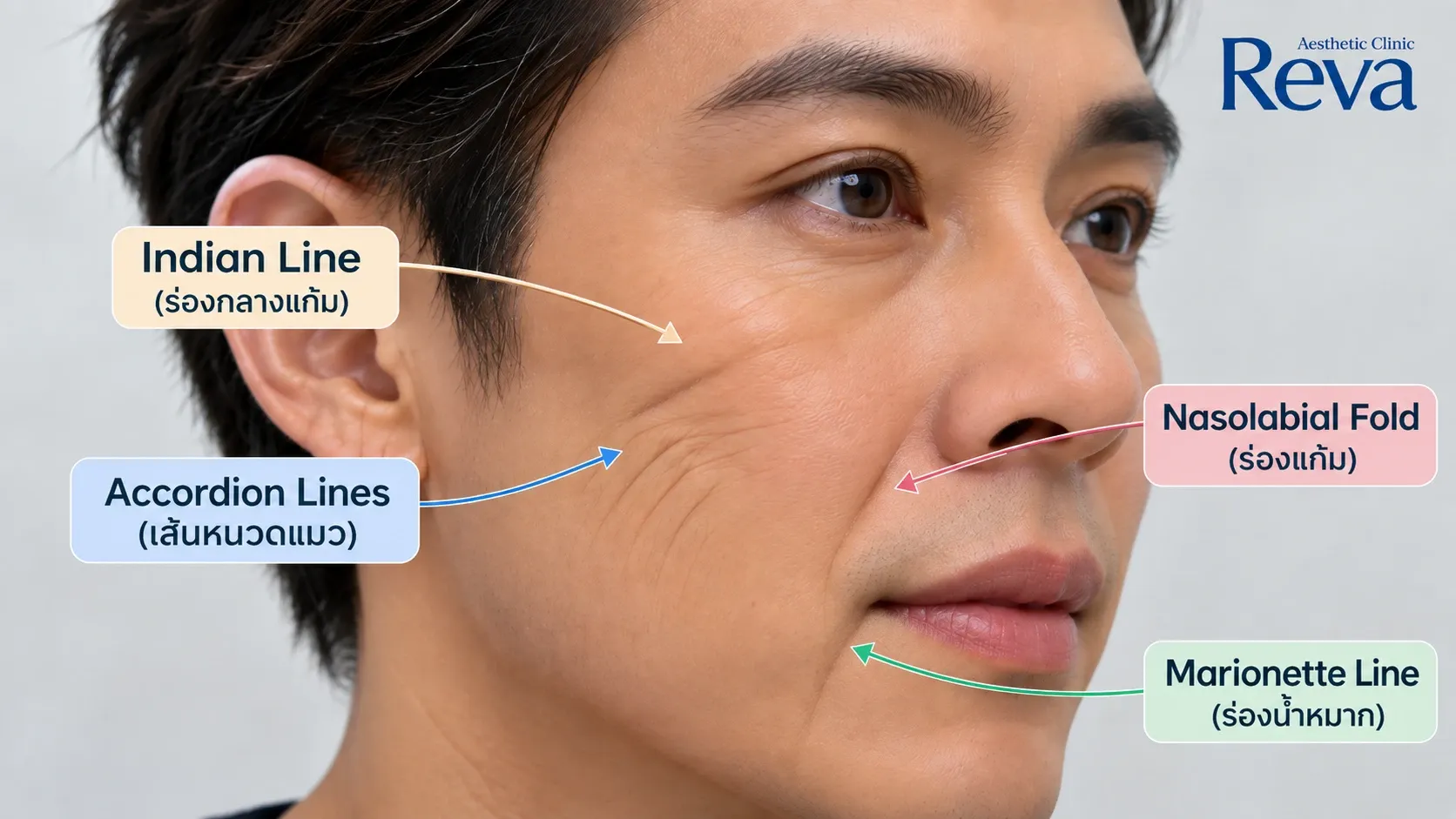
Smile lines, or nasolabial folds, are the main folds that run from the sides of the nose toward the corners of the mouth.
Accordion lines, on the other hand, appear as multiple lines or folds across the cheek, particularly during smiling.
So, it is possible to have relatively mild nasolabial folds but still notice several lines appearing across the cheeks when you smile.
Are Accordion Lines the Same as Indian Lines?
Indian lines are also different.
An Indian line usually appears as a groove across the mid-cheek or below the cheekbone and may still be visible when the face is at rest.
Accordion lines are more like multiple folds that become prominent when the cheek moves during smiling.
It is also possible to have both at the same time, so identifying which type of line is present is important before choosing a treatment.
Read more:[What Are Indian Lines? Causes and Treatment Options]
What Causes Accordion Lines?
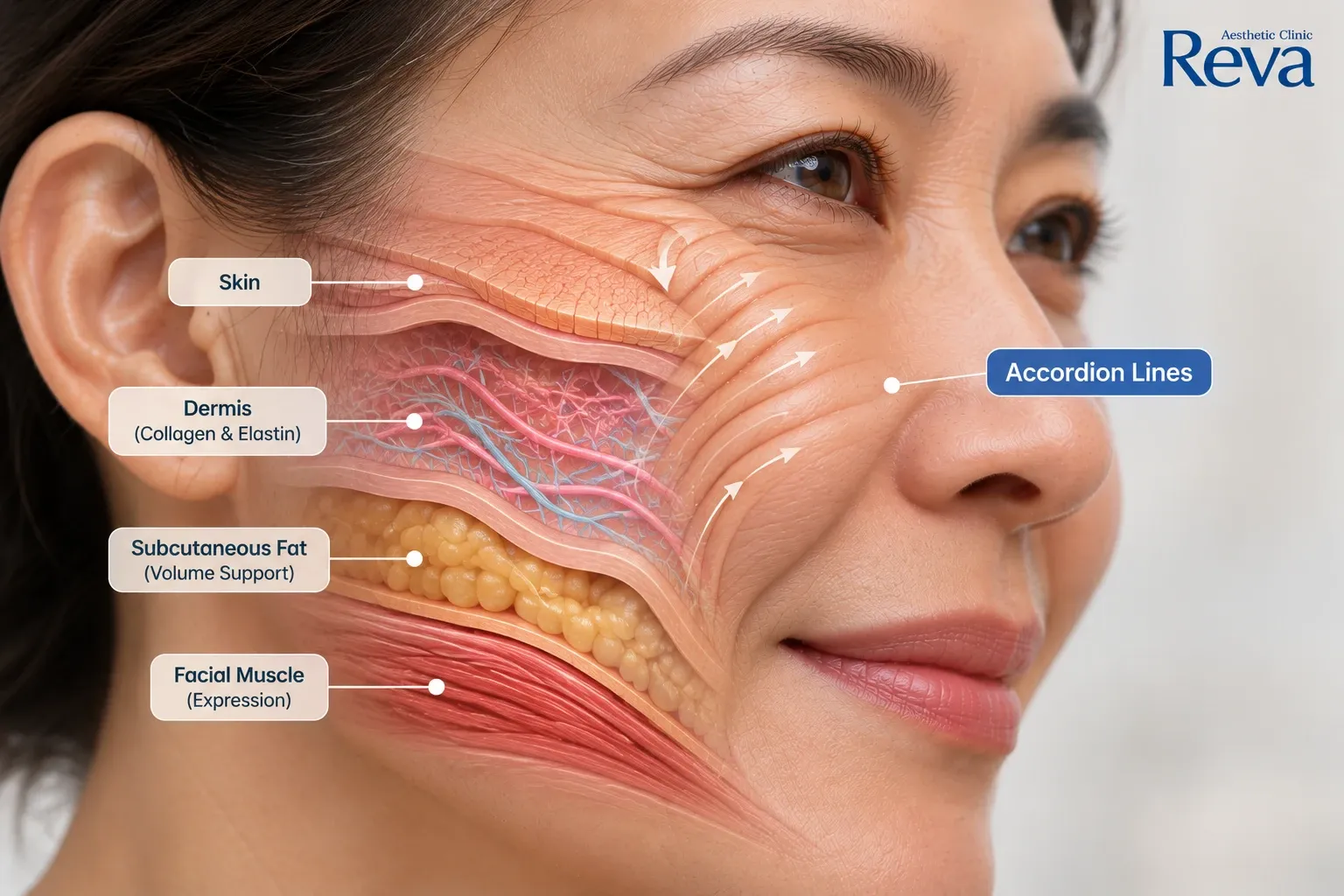
When we smile, the muscles and soft tissues of the cheek move upward. The skin covering the cheek has to fold as the tissues underneath move.
This is completely normal.
The reason accordion lines become more noticeable in some people is that several other changes may occur at the same time.
Facial Movement
Accordion lines can simply be part of normal facial movement.
This is why even younger people may notice several lines across their cheeks when smiling. If the lines appear only during a big smile and disappear completely afterward, they do not necessarily indicate skin aging.
Thinner Skin and Loss of Elasticity
As collagen and skin elasticity gradually decrease, the skin may not bounce back as easily as it once did.
Lines that previously appeared only when smiling may become deeper or start to remain slightly visible when the face is relaxed.
Research on radial cheek lines also suggests that changes in skin elasticity and age-related changes in the skin can contribute to their appearance.
Cheek Laxity
Skin and soft tissues can also become looser over time.
When the cheek moves upward during smiling, looser tissue may fold more easily, making accordion lines more noticeable.
In this situation, what looks like a wrinkle problem may actually have cheek laxity contributing underneath.
Changes in Facial Volume
Facial volume also changes with age.
Changes in facial fat and the structures supporting the cheek can alter the way the cheek moves and folds when smiling. Some people may notice cheek hollowing or loss of support at the same time that their accordion lines become more noticeable.
This is why two people can have similar-looking accordion lines but need completely different approaches.
How Can Accordion Lines Be Treated?
Accordion lines do not necessarily need to be filled one by one. The folds seen across the cheeks can result from several factors, including thinner skin and collagen loss, cheek laxity, and changes in facial volume or structural support.
Treatment should therefore begin by identifying whether the main contributor is skin quality, skin laxity, or volume loss, rather than simply treating the visible lines.
1. Thin, easily creased skin with multiple fine lines
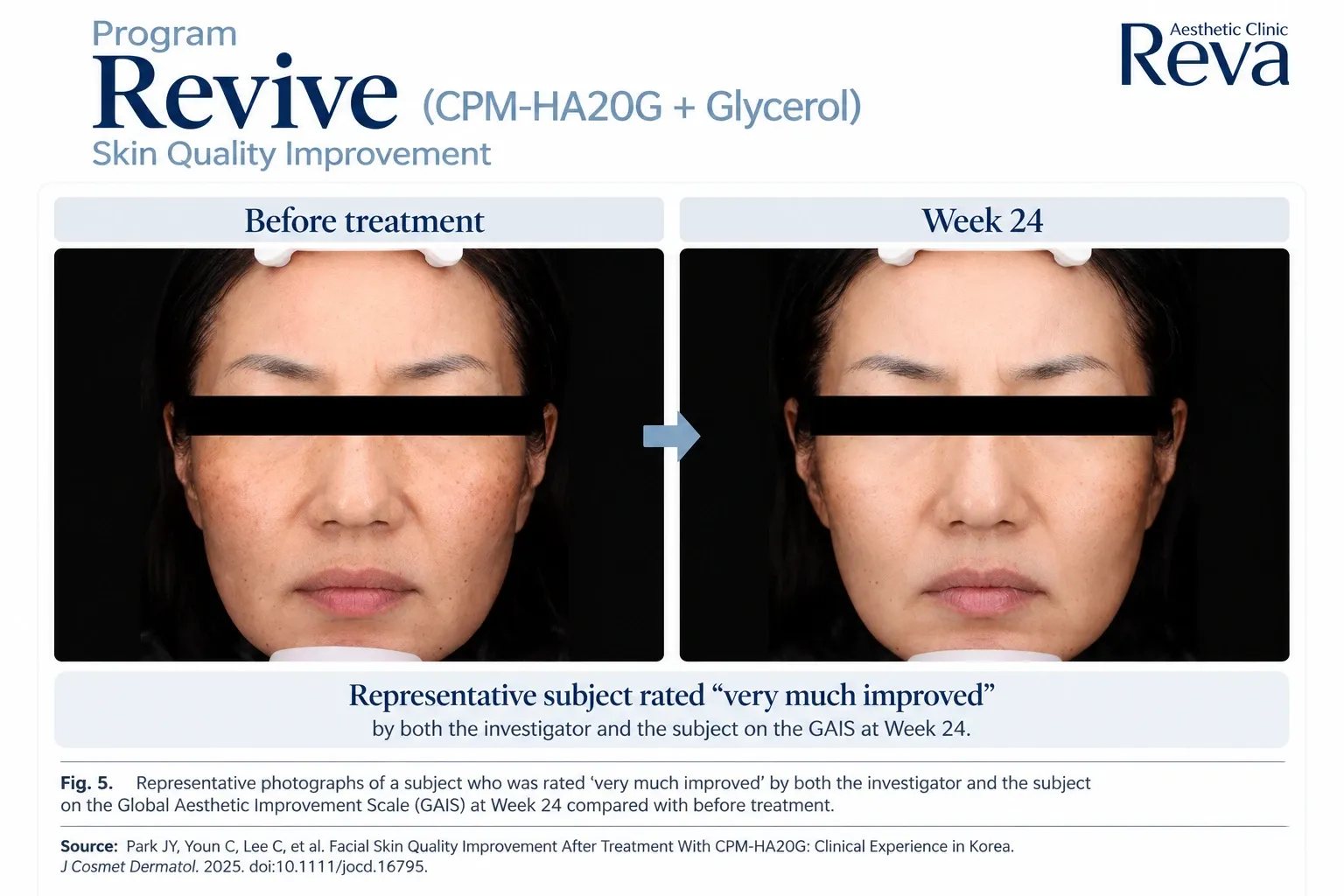
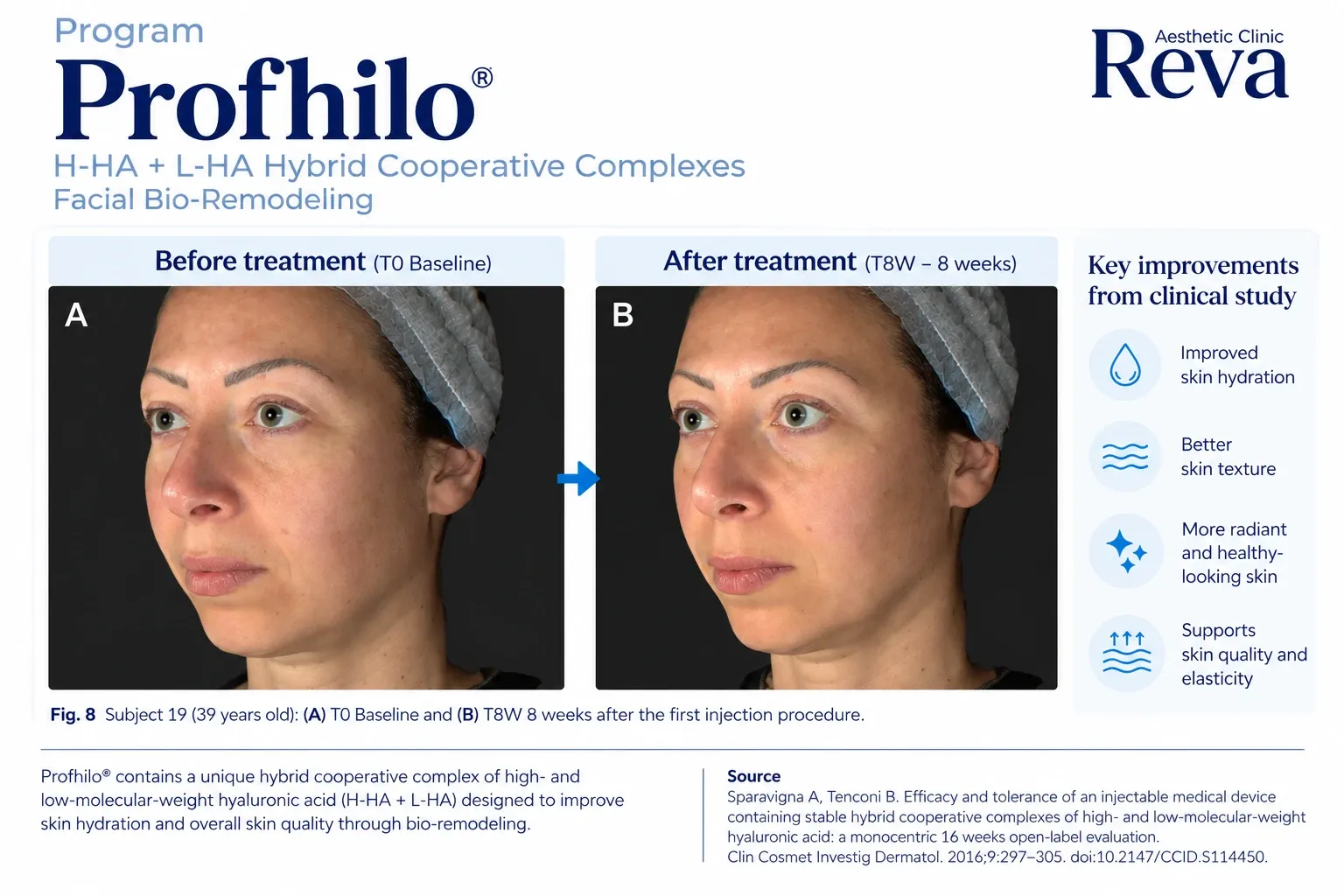
If the cheeks are not significantly sagging or hollow but the skin has become thinner, drier or more prone to creasing when smiling, treatment may focus on improving skin quality and collagen rather than adding volume. Options may include Program Revive, which combines HA with glycerol and focuses on hydration and skin quality
Program Profhilo for hydration and overall skin quality; and
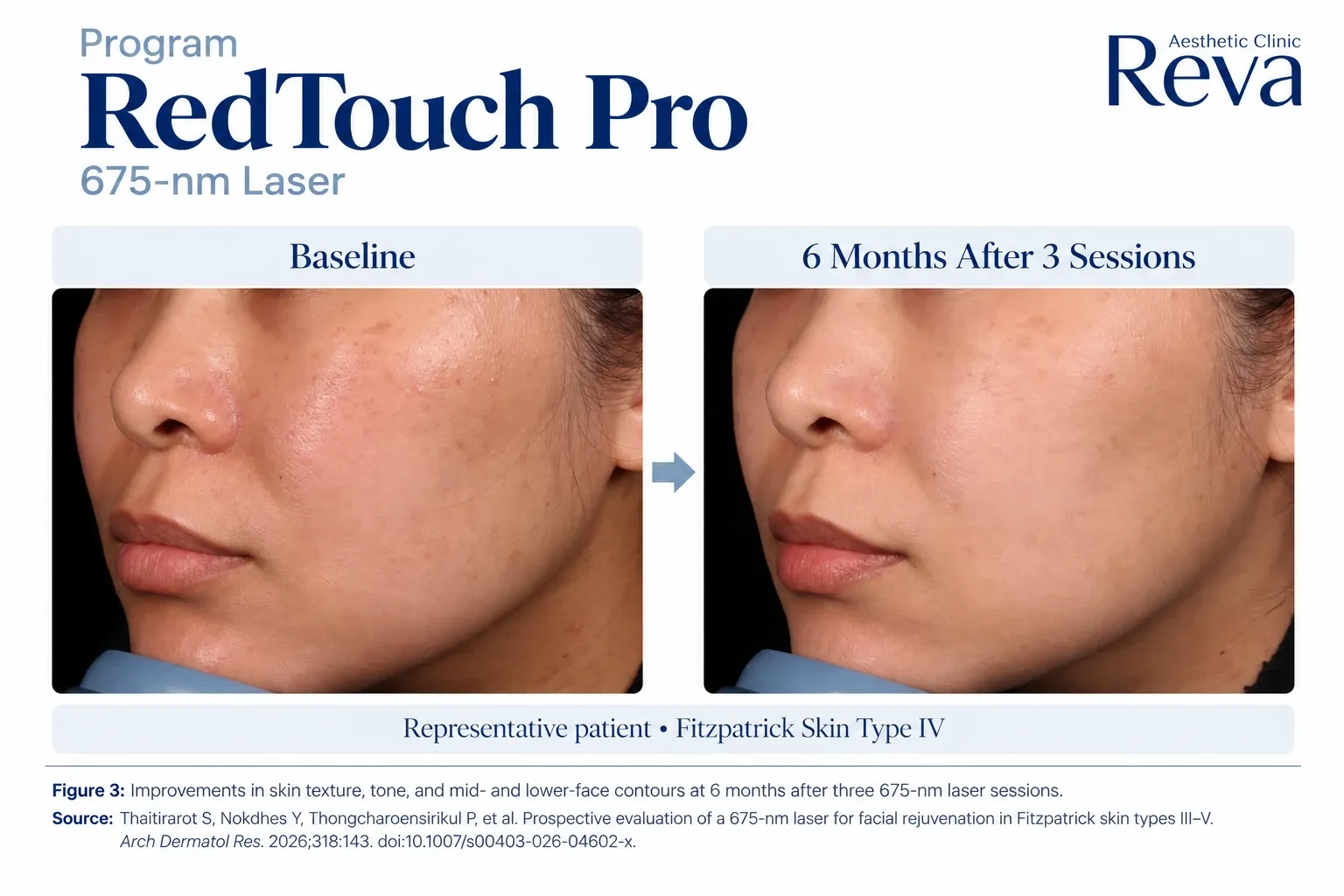
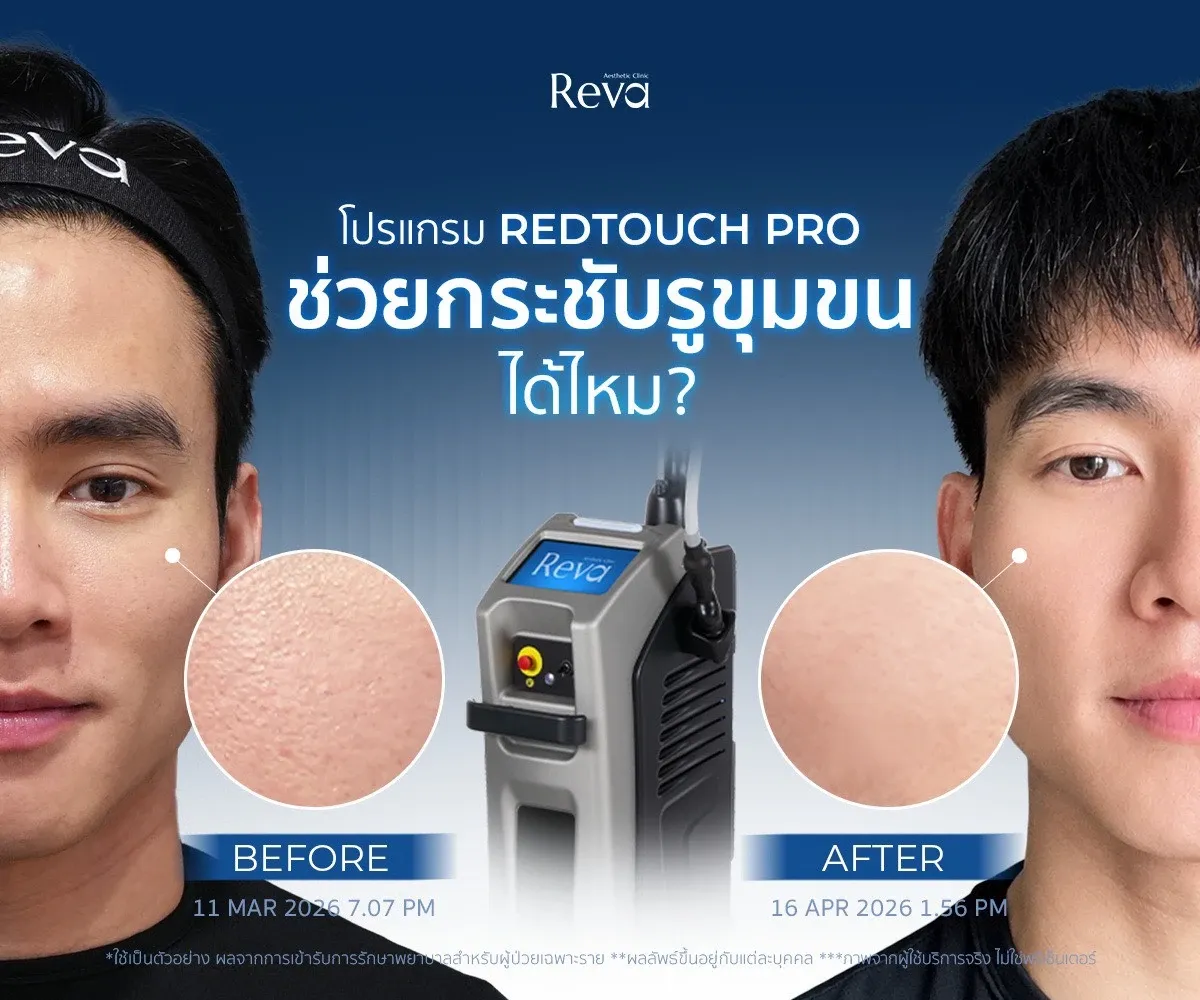
Program RedTouch Pro, a 675-nm laser used to stimulate collagen without adding facial volume.
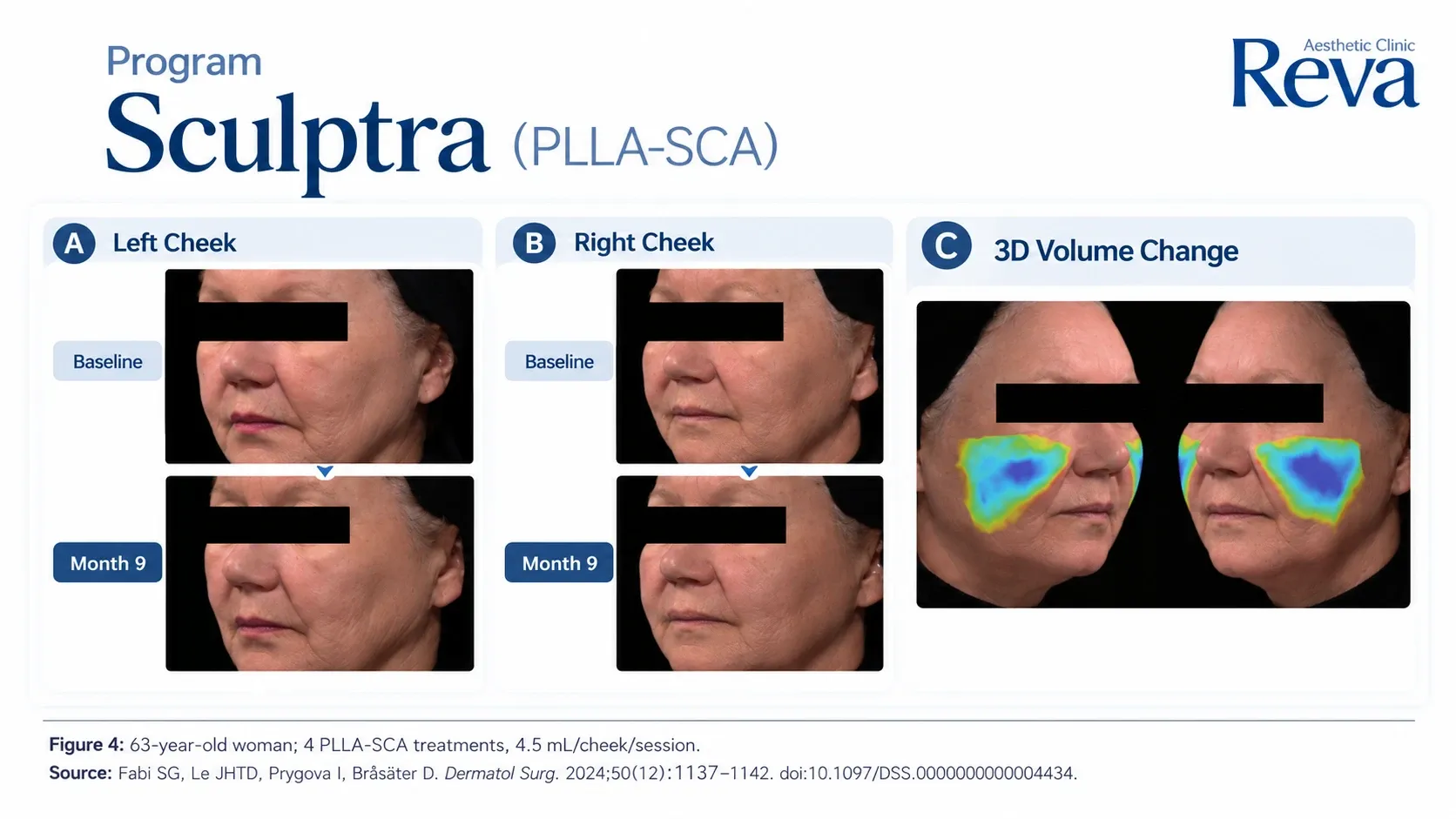
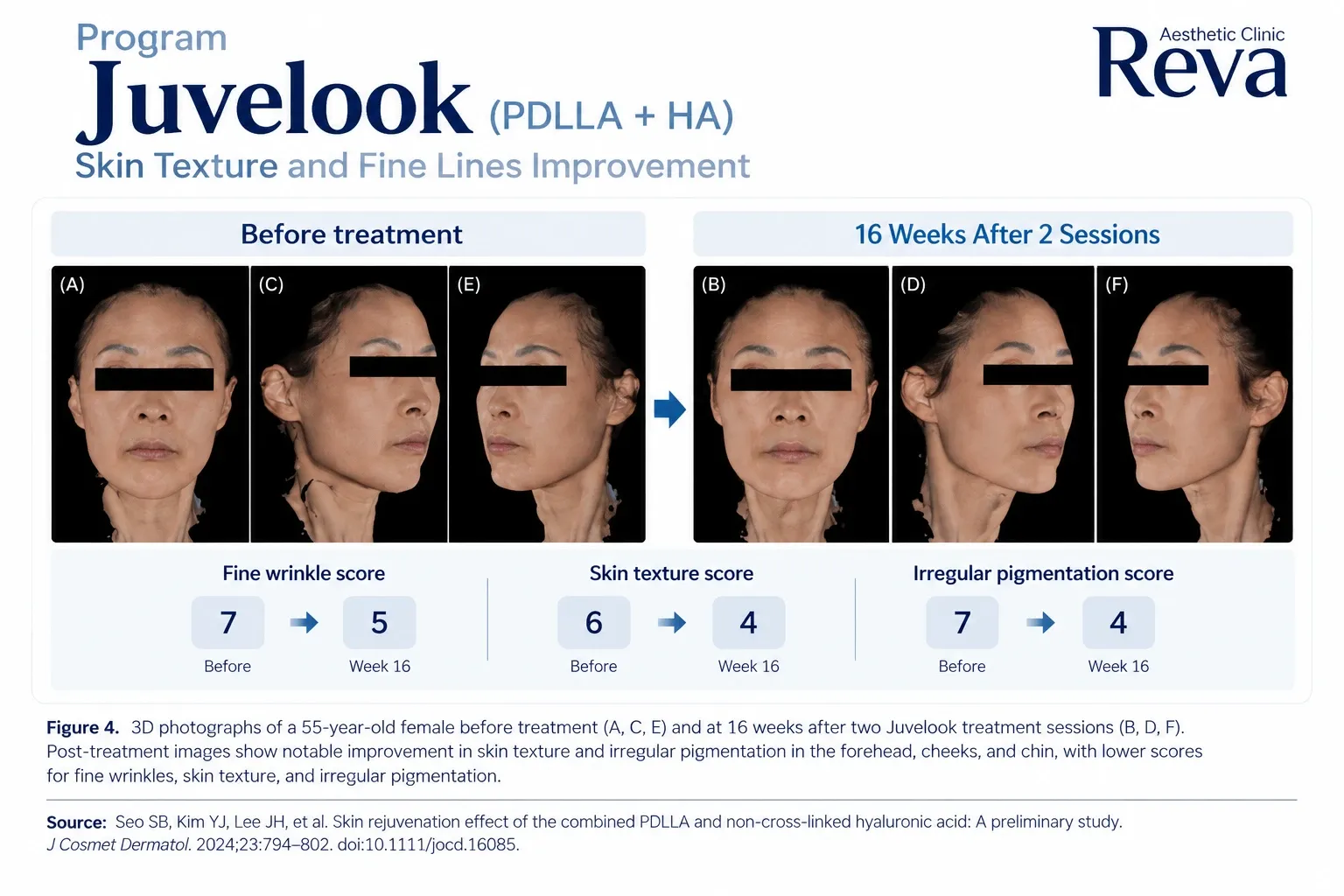
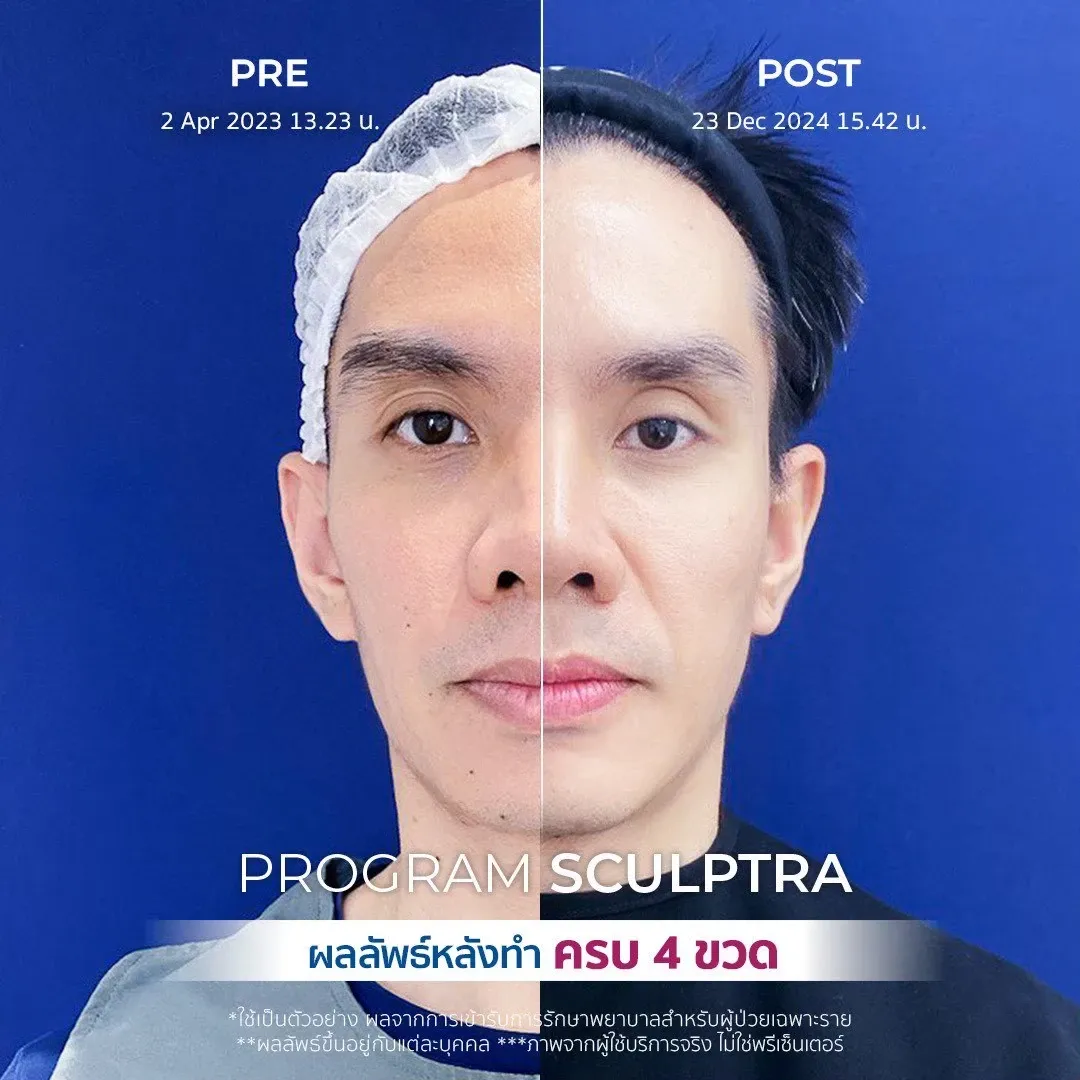
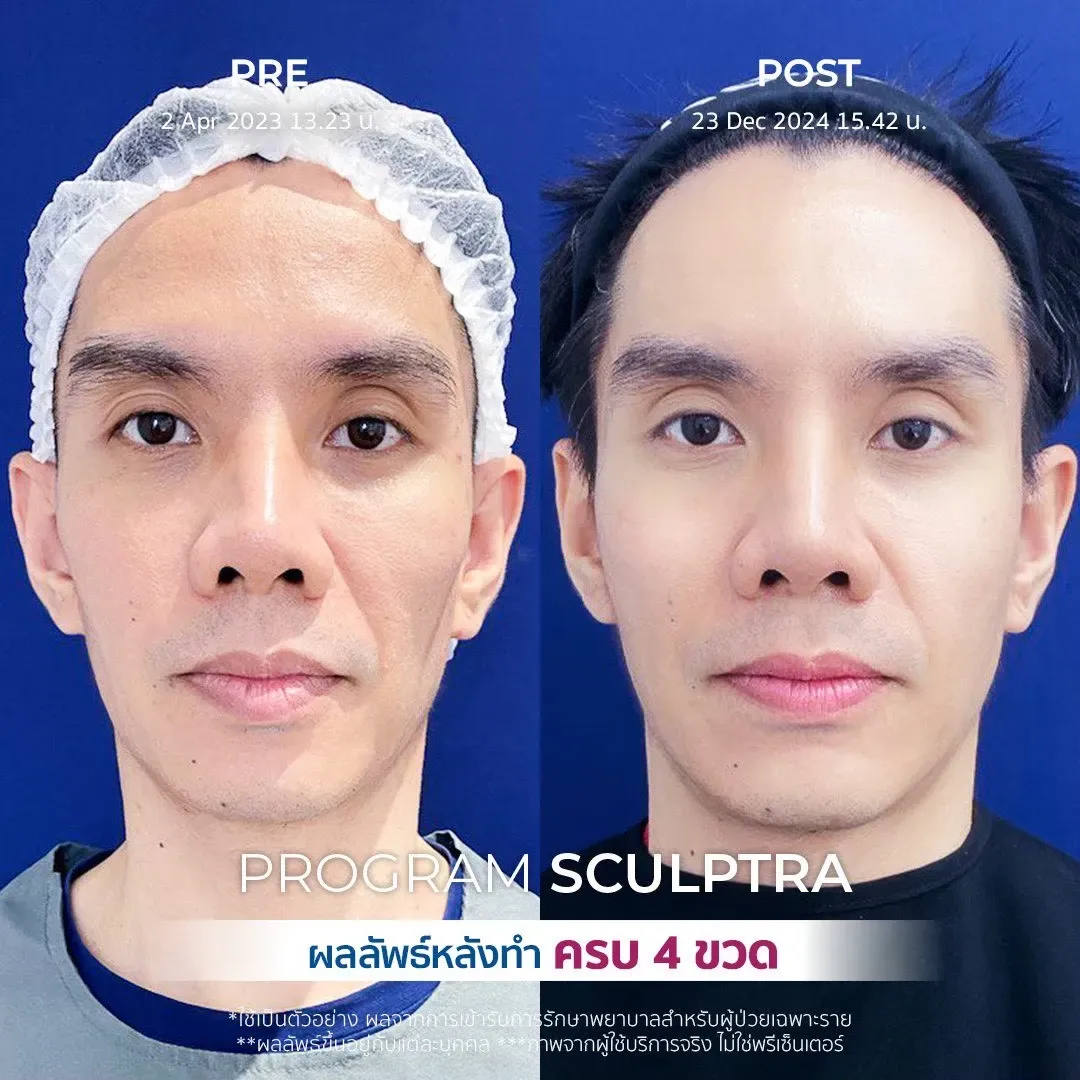
When collagen loss is more prominent, collagen biostimulators such as Program Sculptra or Program Juvelook may also be considered depending on the patient's skin and facial structure.
2. Accordion lines associated with cheek laxity
As the cheek tissues become more lax, more skin and soft tissue may fold together during smiling, making accordion lines appear deeper or more numerous.
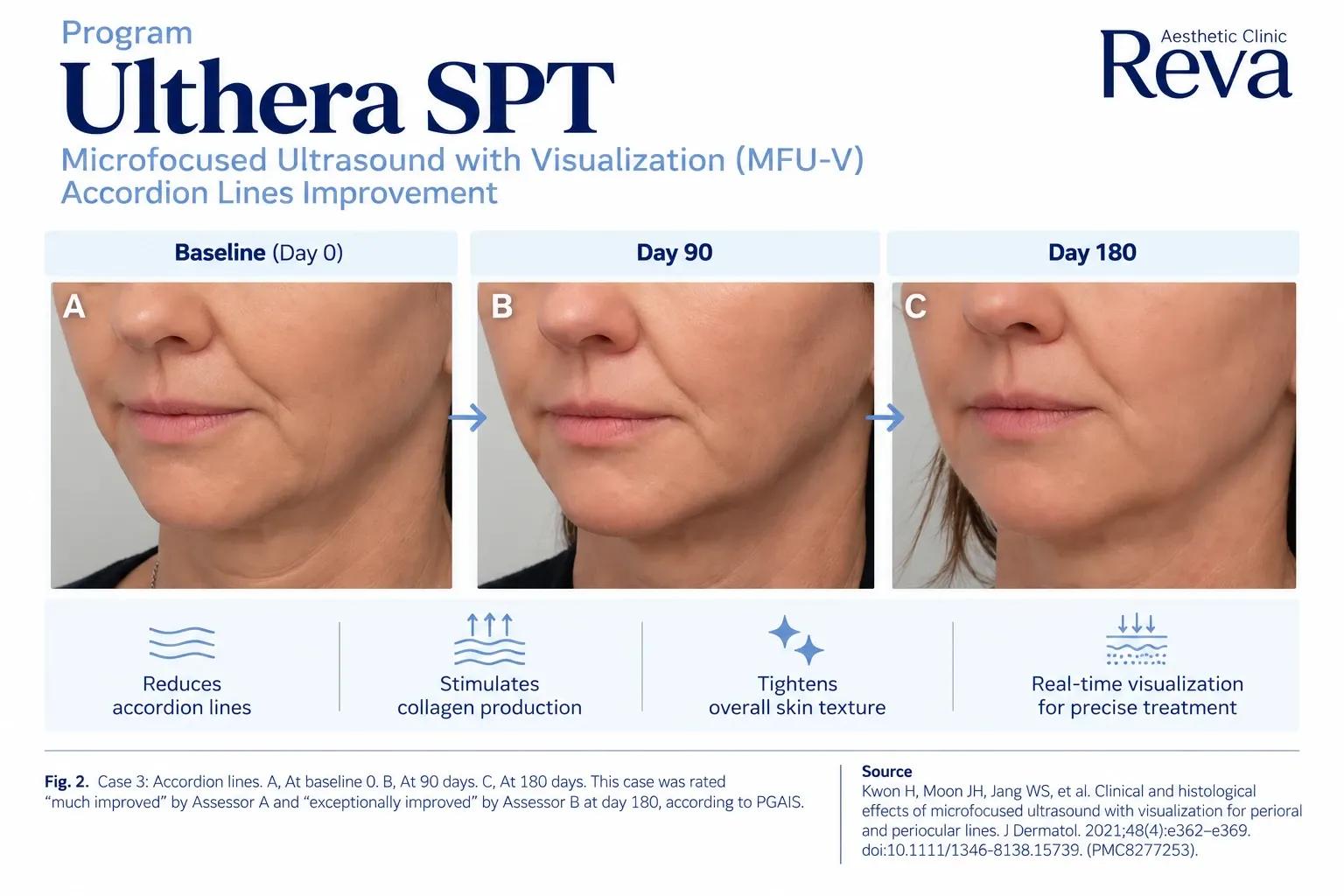
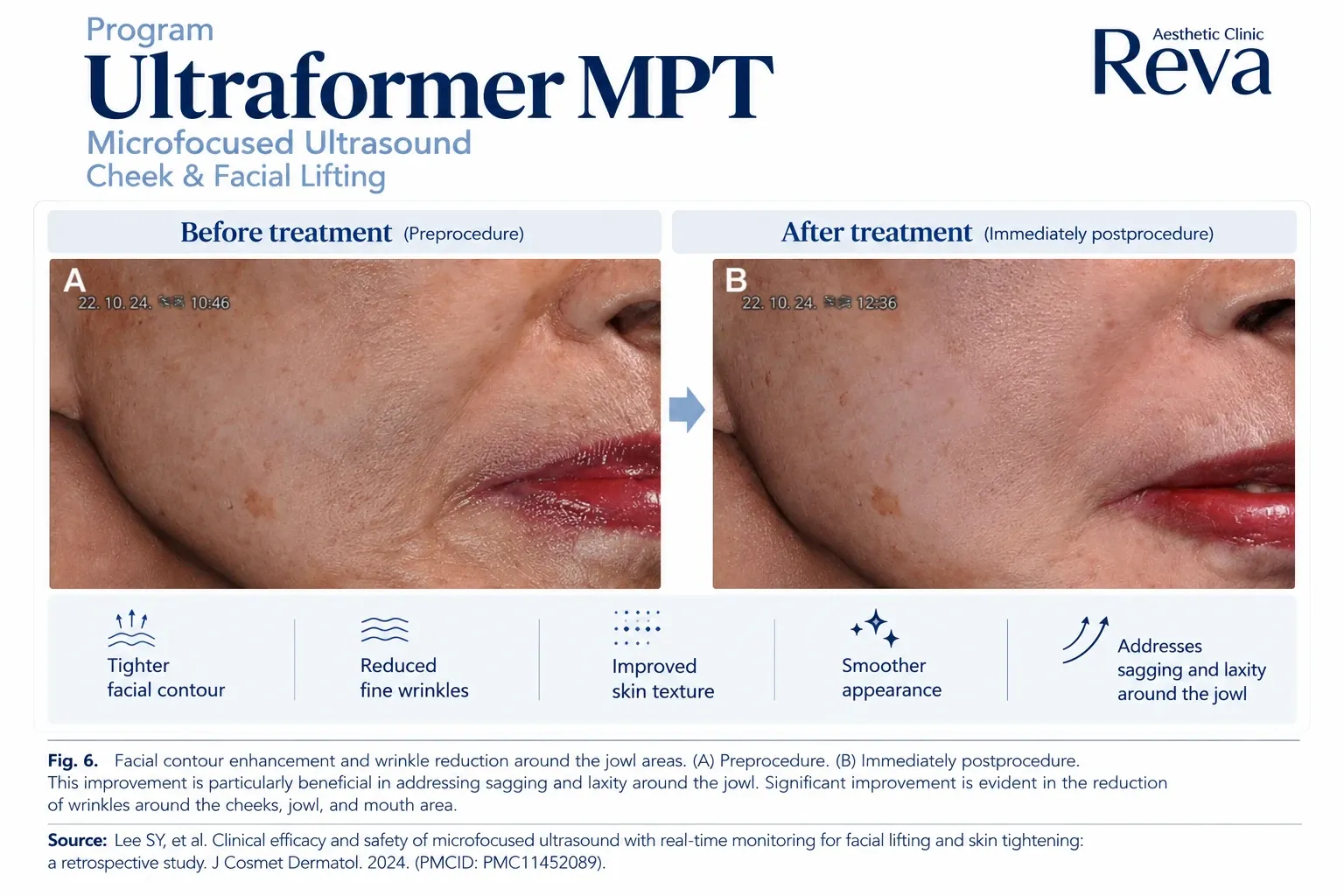
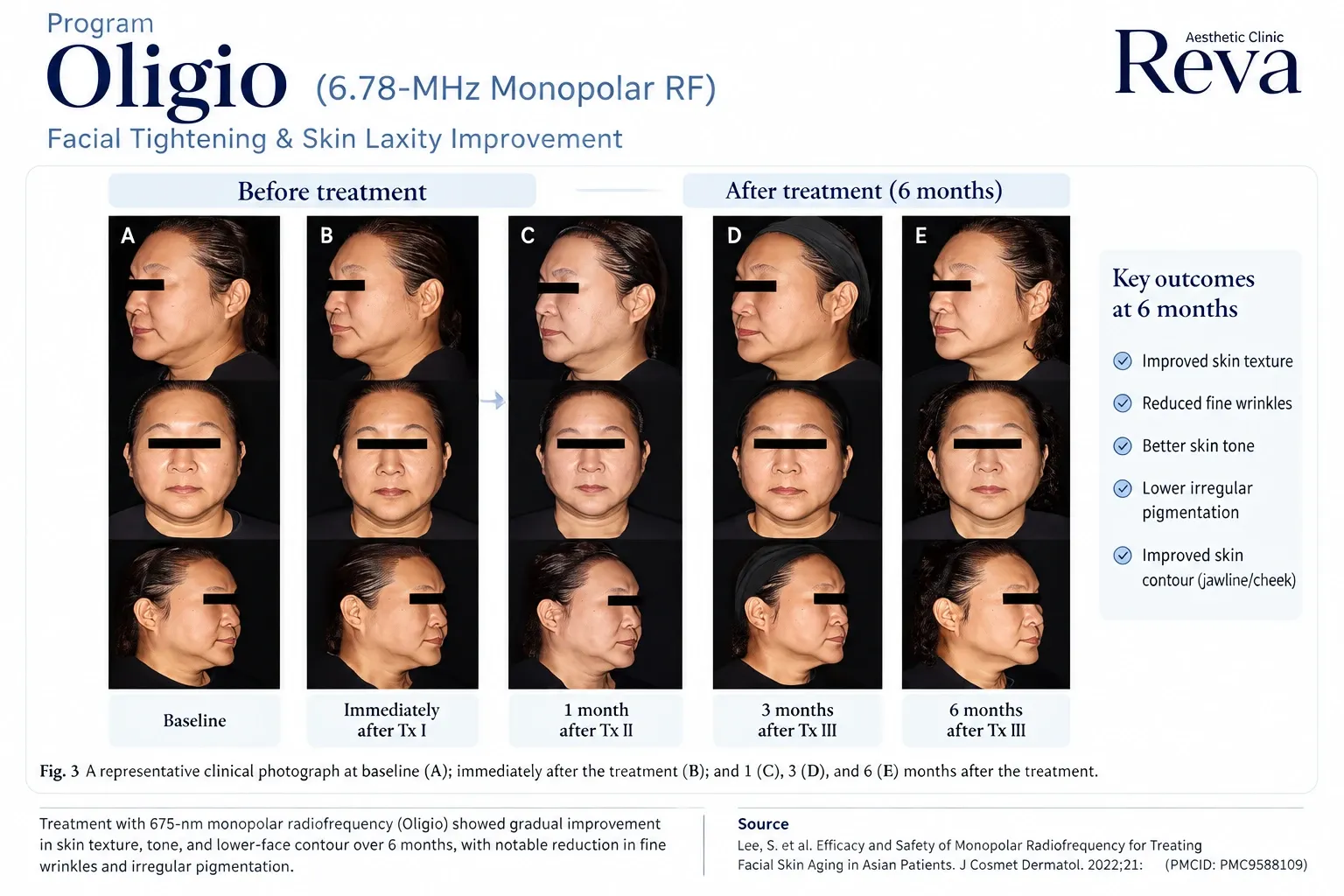
In these cases, improving skin quality alone may not address the main contributor. Treatments targeting tissue support and cheek laxity, such as Program Ulthera SPT, Program Ultraformer MPT or Program Oligio X, may be considered depending on the degree of laxity, skin and fat thickness, and individual facial anatomy.
For patients with concerns involving several tissue layers, Program Triple Layer combines Program Oligio X, Program Ultraformer MPT and Program RedTouch Pro to address skin laxity and skin quality at different levels. This does not mean that every patient requires all three technologies. Reva Clinic
3. Accordion lines associated with volume or structural support loss
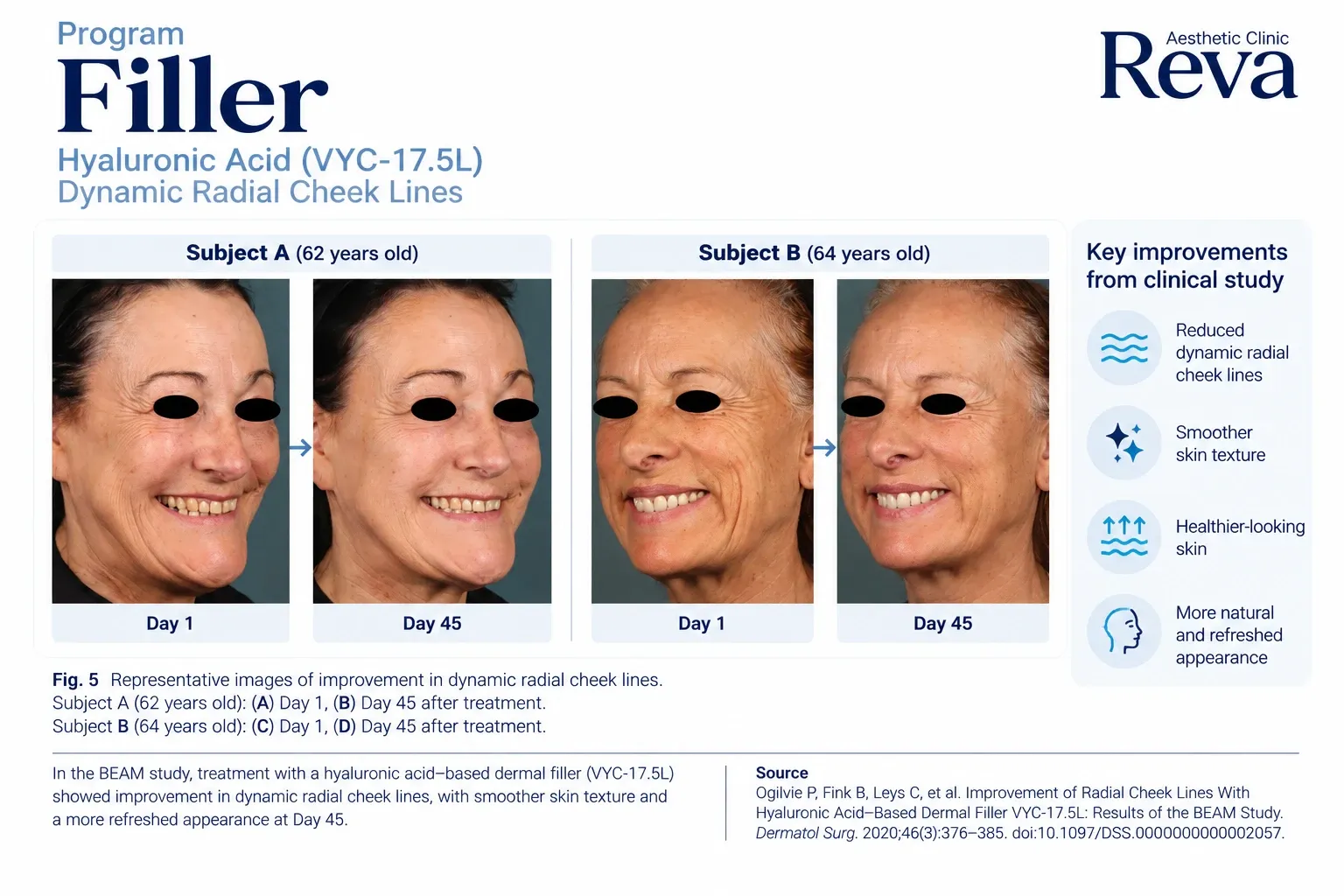
In some patients, accordion lines become more noticeable together with hollowing or loss of midface support. In these cases, Program Filler may be considered to restore volume or structural support where appropriate.
This does not mean that five visible cheek lines should be treated with five lines of filler. The aim is to identify where structural support has been lost and place filler according to the patient's anatomy rather than directly filling every visible crease.
If the line is instead a more distinct diagonal groove across the mid-cheek, it may represent an Indian Line or Midcheek Groove, which has different anatomical contributors and may require a different treatment approach.
→ Read more: What Is an Indian Line? Causes and Treatment Options
Can Botox Treat Accordion Lines?
Although accordion lines become more visible during smiling, this does not automatically make them an indication for Program Botulinum Toxin.
The cheek muscles play an important role in smiling and facial expression. Treatment therefore needs to be individualized, and in many patients it may be more appropriate to address skin quality, collagen loss, laxity or structural support rather than simply reducing muscle movement.
Do Accordion Lines Need to Be Treated?
Not always. Cheek lines that appear only during smiling can be a normal part of facial expression, particularly when they disappear at rest.
The goal of treatment is therefore not necessarily to create a completely smooth cheek during smiling. A more appropriate goal is to improve the contributing skin or structural changes while preserving natural facial movement and expression.