
Chin Dimpling & Mentalis Strain: Can Chin Botox Help? | Reva Clinic
What causes chin dimpling and mentalis strain? Learn how chin Botox works and why a short-looking chin may not always need filler.
October 9, 2026 - Read 6 mins



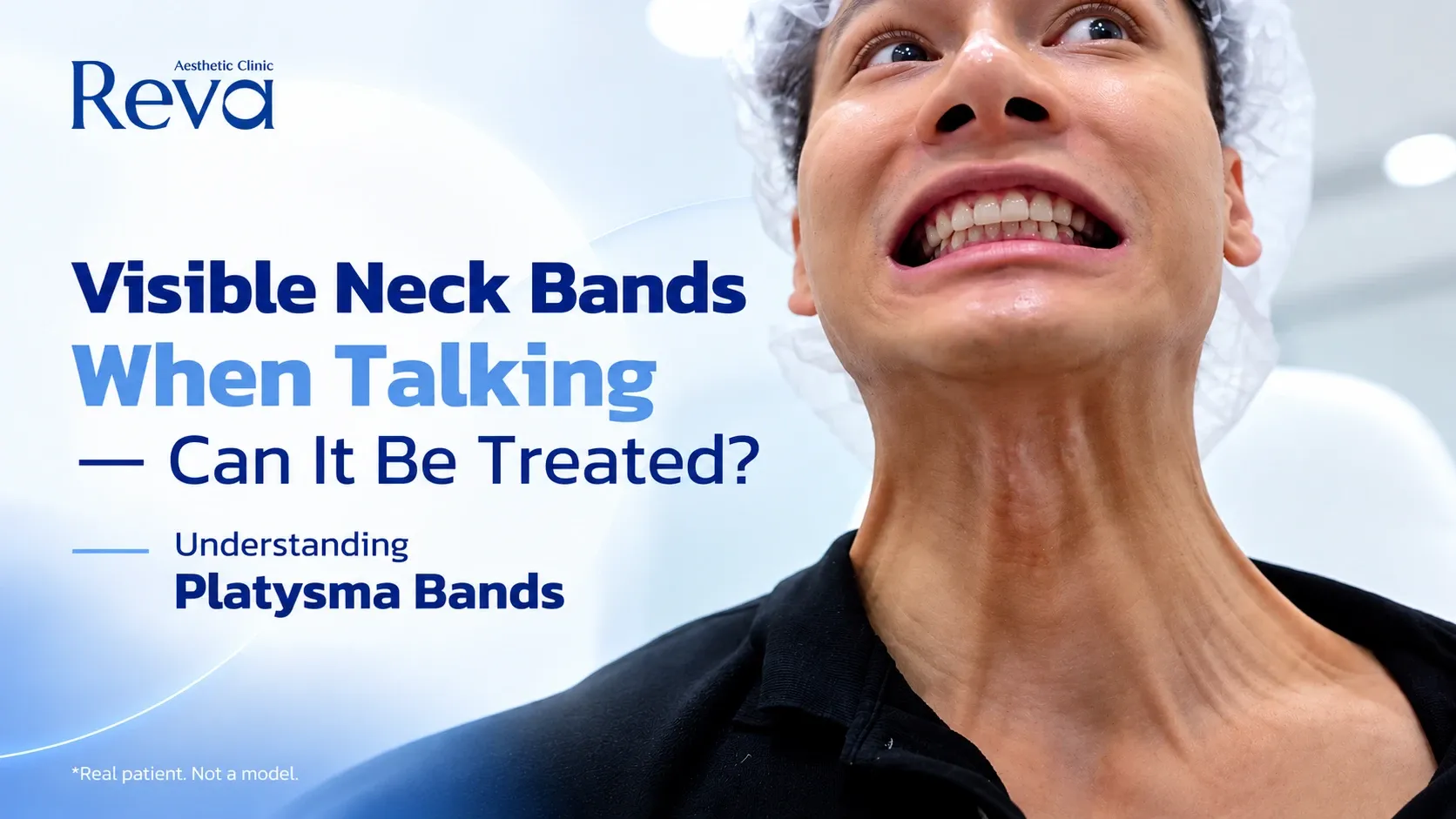
Have you ever noticed vertical bands appearing on your neck when you talk, smile, tense your neck, or pull the corners of your mouth downward?
Some people have only one or two visible bands, while others may notice several running from beneath the jaw toward the lower neck. As we age, these bands may gradually become noticeable even when the neck is at rest.
These vertical neck bands are commonly known as platysma bands.
Unlike horizontal neck lines, which are primarily visible as creases in the skin, platysma bands are closely related to the activity and structure of a superficial neck muscle called the platysma.
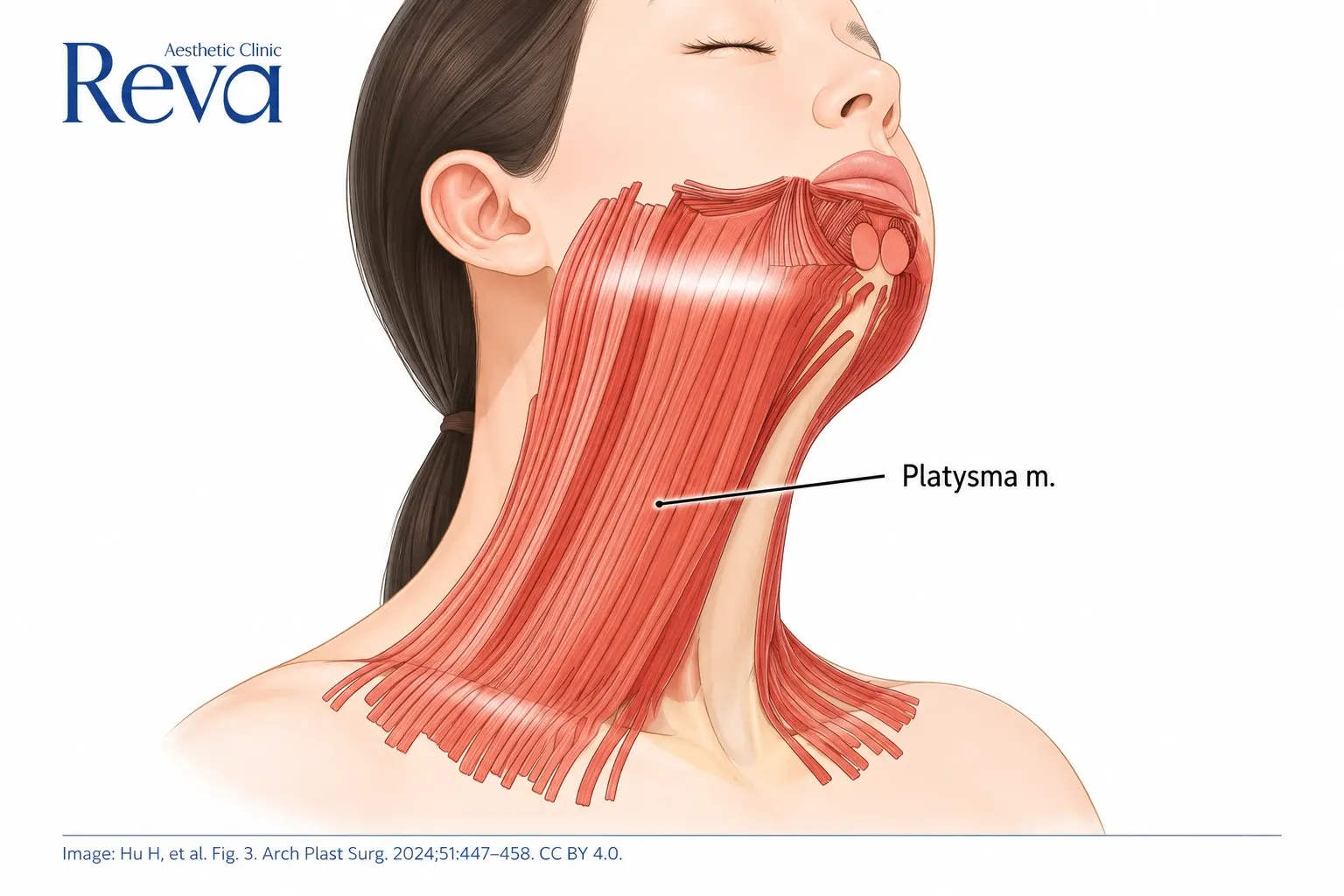
The platysma is a broad, thin sheet of muscle located just beneath the skin of the neck. It extends from the upper chest and clavicular region toward the jawline and lower face.
Try looking in a mirror and pulling the corners of your mouth downward or deliberately tensing your neck. In some people, vertical muscular bands become clearly visible.
These are platysma bands.
Because the platysma is closely associated with the lower face and jawline, changes in this muscle can affect not only the appearance of the neck but also the contour of the lower face.
Reference: Hu H, et al. Arch Plast Surg. 2024;51:447–458.
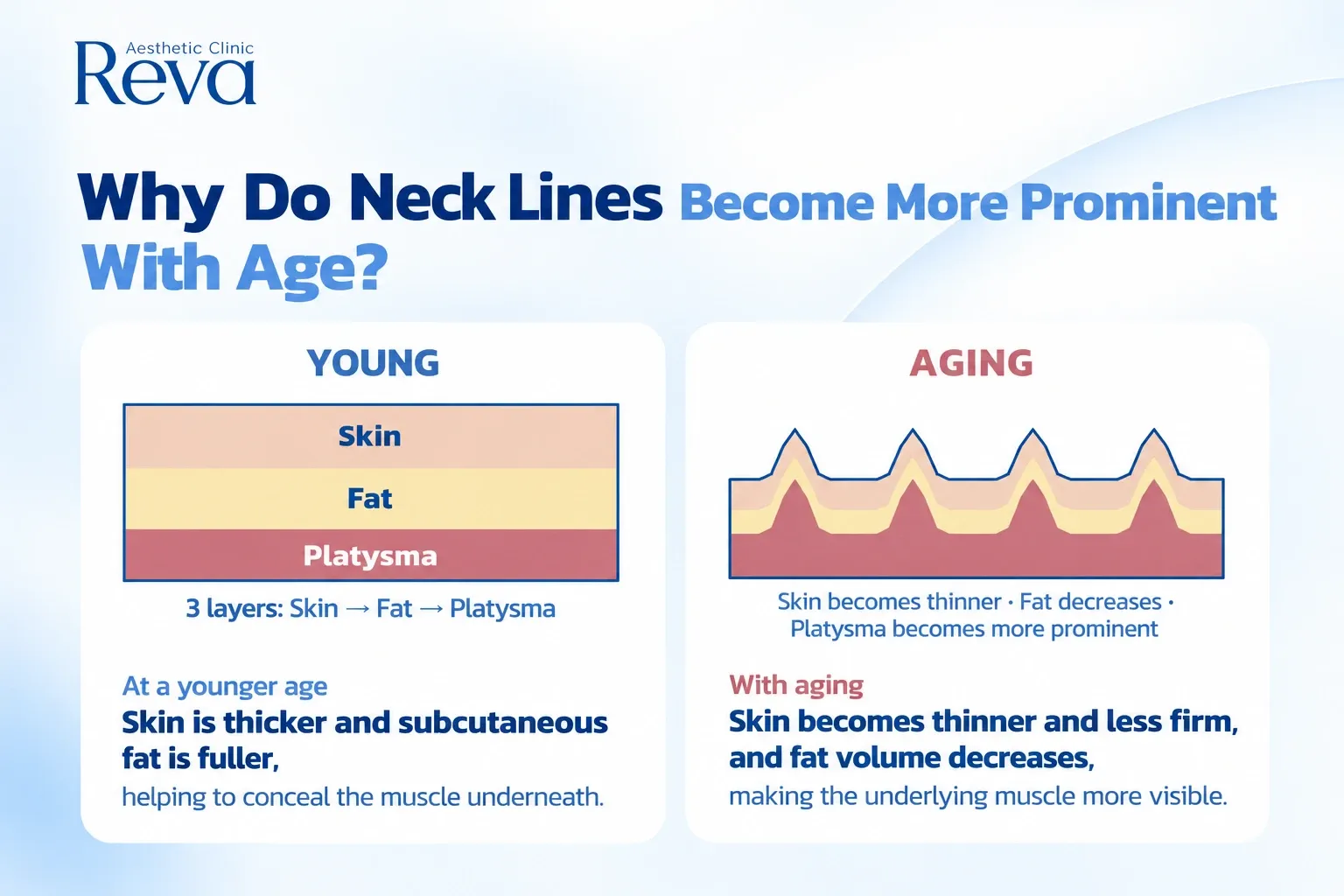
Neck aging does not involve the skin alone.
In younger individuals, thicker skin and subcutaneous tissue can help conceal the underlying muscle. As we age, several structural changes occur simultaneously:
The skin becomes thinner and loses elasticity.
The distribution and volume of subcutaneous tissue change.
Skin laxity increases.
The borders of the platysma may become more visible.
Initially, platysma bands may appear mainly when talking, smiling, or tensing the neck.
As these changes progress, the bands may become noticeable even when the neck is relaxed.
This is why evaluating an aging neck requires looking beyond wrinkles and considering several layers:
Skin + Fat + Muscle
Although both appear on the neck, they are not the same problem.
Platysma BandsHorizontal Neck LinesAppearanceVertical raised bandsHorizontal creasesMore noticeable whenTalking or tensing the neckOften visible even at restMain componentPlatysma muscleSkin and skin foldsTreatment focusMuscle activitySkin quality and wrinkles
Some patients have both conditions at the same time, which is why treating every “neck line” in exactly the same way may not address the actual cause.
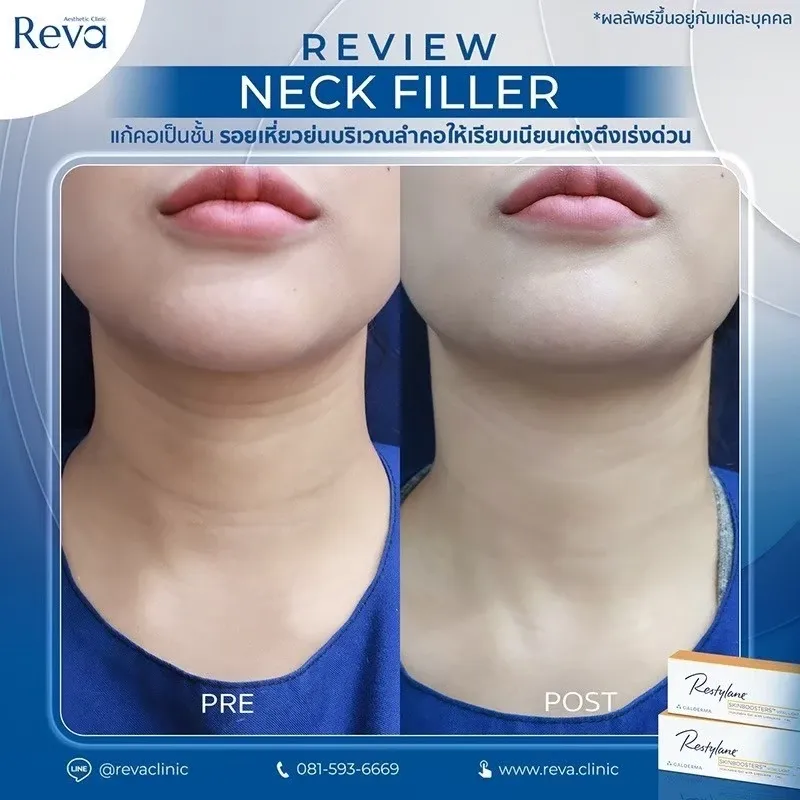
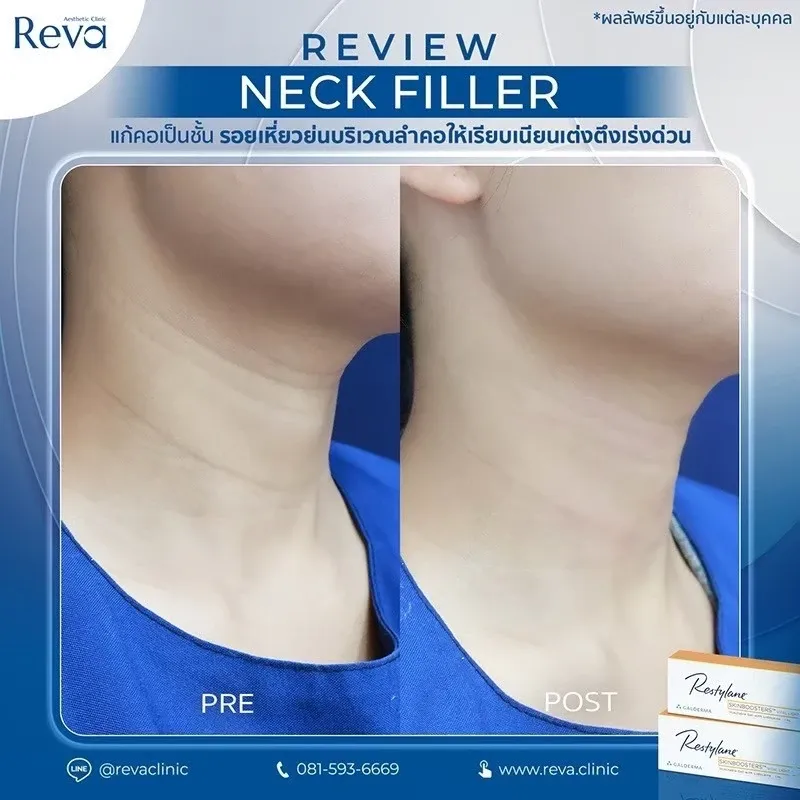
If skin quality, thinning, or laxity is the predominant concern, treatments aimed at improving the skin or stimulating collagen may need to be considered separately from muscle treatment.
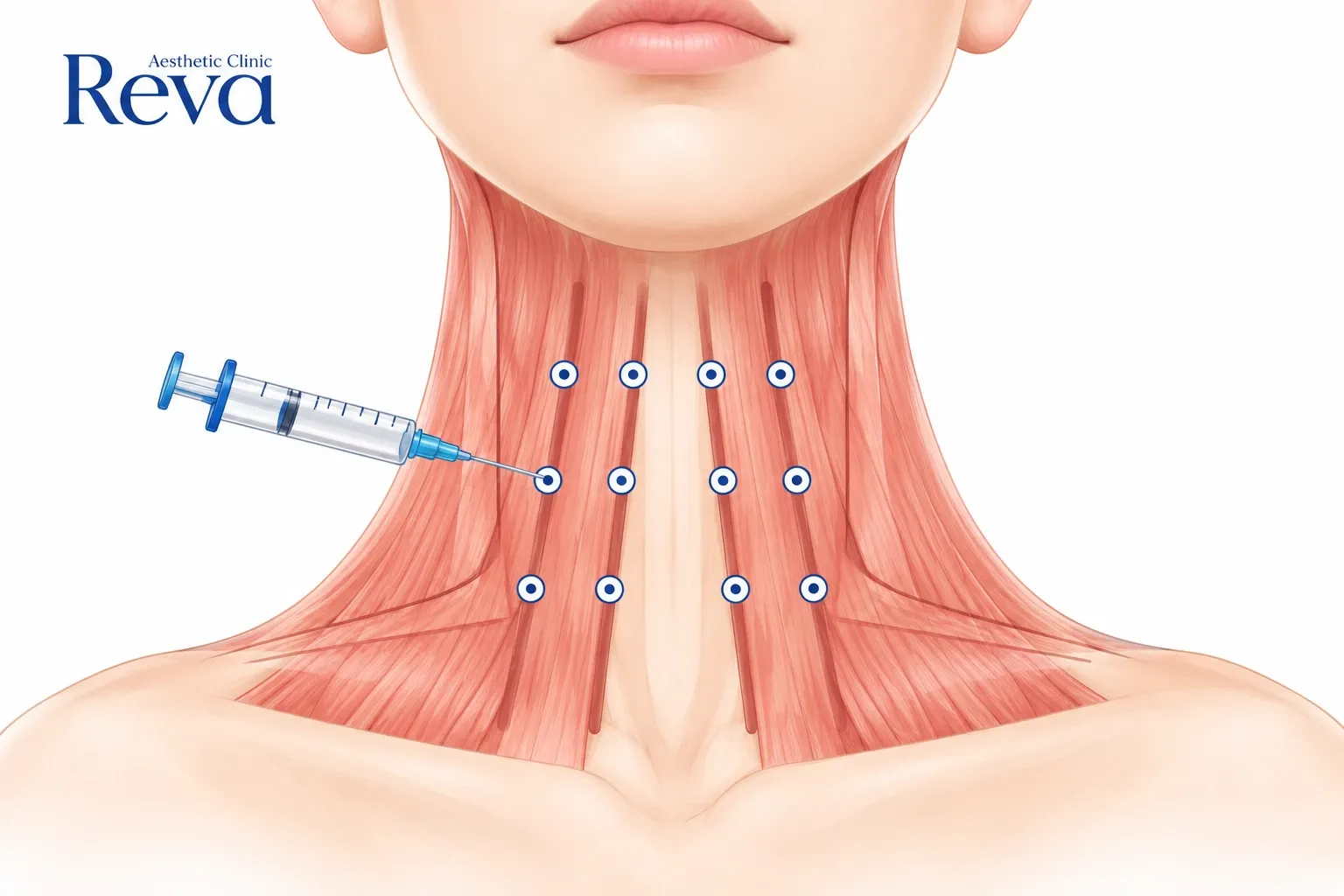
When the vertical bands are primarily caused by contraction of the platysma, Program Botox may be considered.
Botulinum toxin temporarily reduces nerve signals to the targeted muscle. When selected areas of the platysma contract less strongly, the vertical bands can become less prominent.
The objective is not to completely paralyze the entire neck muscle.
Instead, treatment should be designed according to the individual patient's anatomy, muscle strength, number of visible bands, and movement pattern.
This is why the neck should ideally be assessed both at rest and during muscle contraction before treatment.
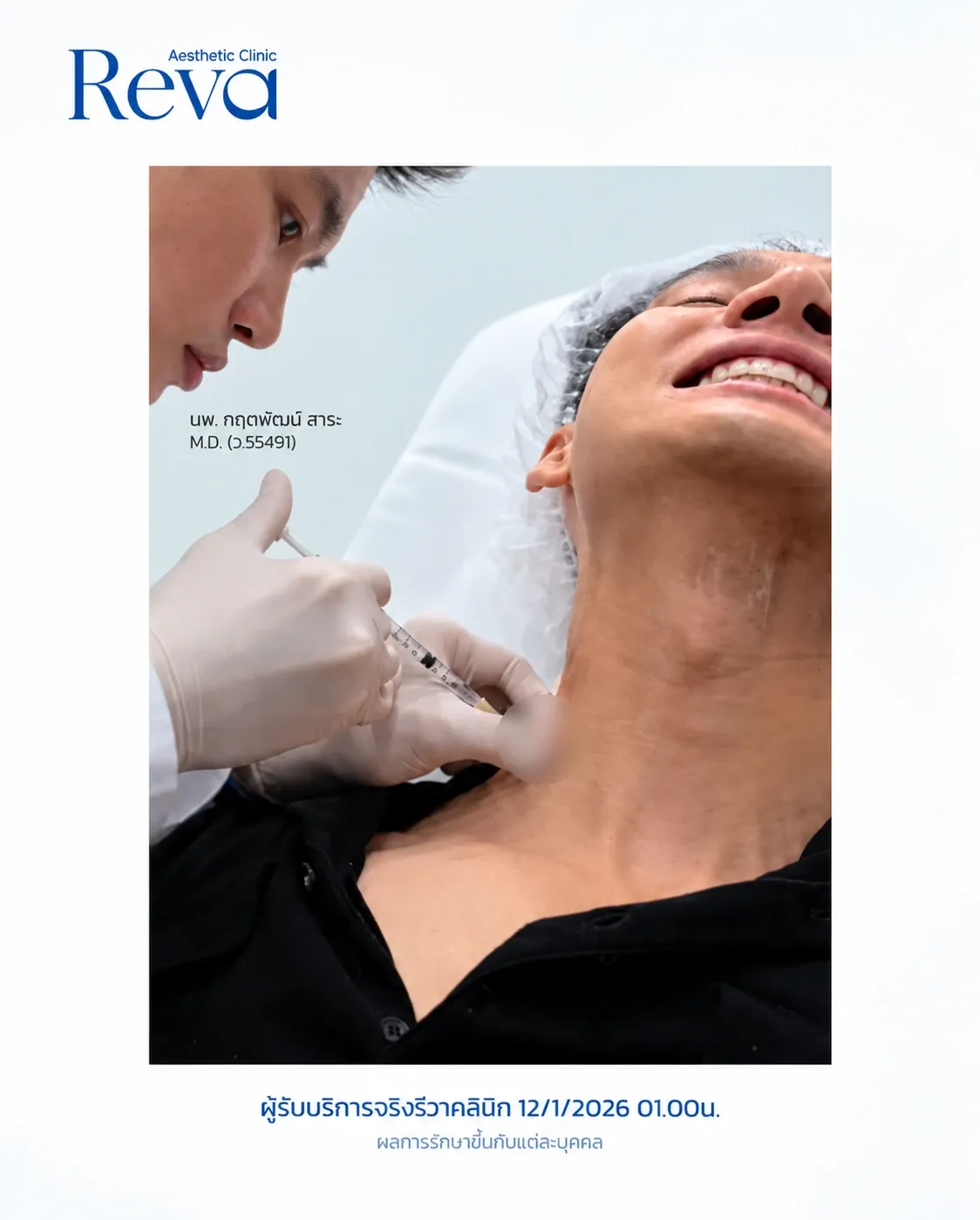
There is no single number of units that is appropriate for everyone.
The amount required depends on factors such as:
The number of visible platysma bands
Muscle strength
Length and distribution of the bands
Individual anatomy
The specific botulinum toxin product being used
Published techniques have described doses in the range of approximately 30–50 units of onabotulinumtoxinA in certain treatment approaches. However, this should not be interpreted as a universal dosing formula.
Importantly, the units of different botulinum toxin products are not directly interchangeable.
Treatment should therefore be individualized rather than based solely on a predetermined number of units.
Reference: Sundaram H, et al. Plast Reconstr Surg Glob Open. 2016;4:e872.
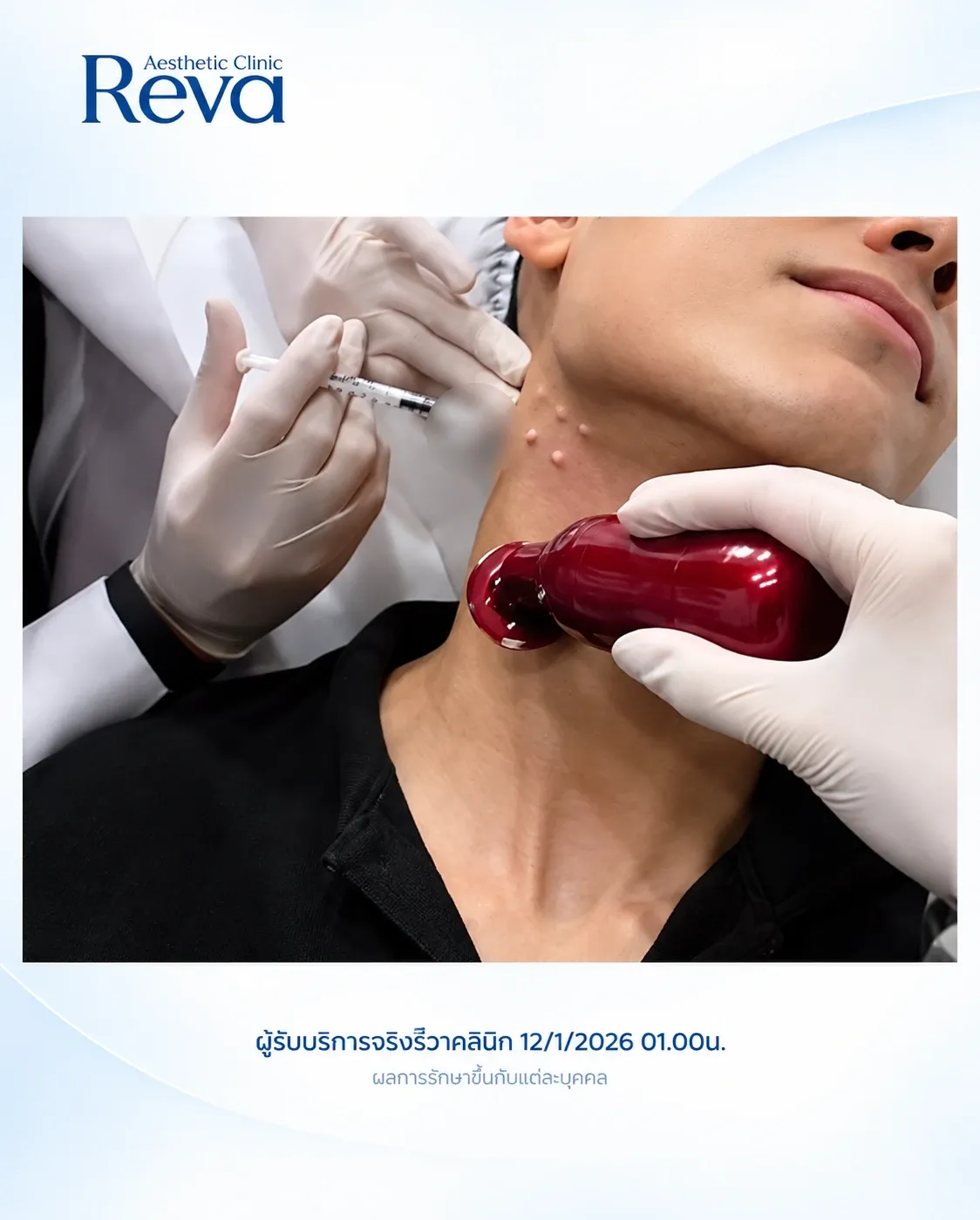
The platysma does not affect only the center of the neck. It also interacts with the jawline and lower face.
When the platysma contracts, it can contribute to downward pull on the lower facial tissues.
In appropriately selected patients, reducing specific platysmal activity may therefore:
Reduce downward muscular pull → soften visible neck bands → make the jawline appear more defined
This concept is often associated with a botulinum toxin technique known as the Nefertiti Lift.
However, it is important to understand what this means.
A Nefertiti Lift works primarily by modifying muscular pull. It does not physically lift tissues in the same way as an energy-based lifting treatment or surgical facelift.
No. They target different anatomical components.
Program Botox / Nefertiti Lift primarily targets muscle activity, particularly downward pull from the platysma.
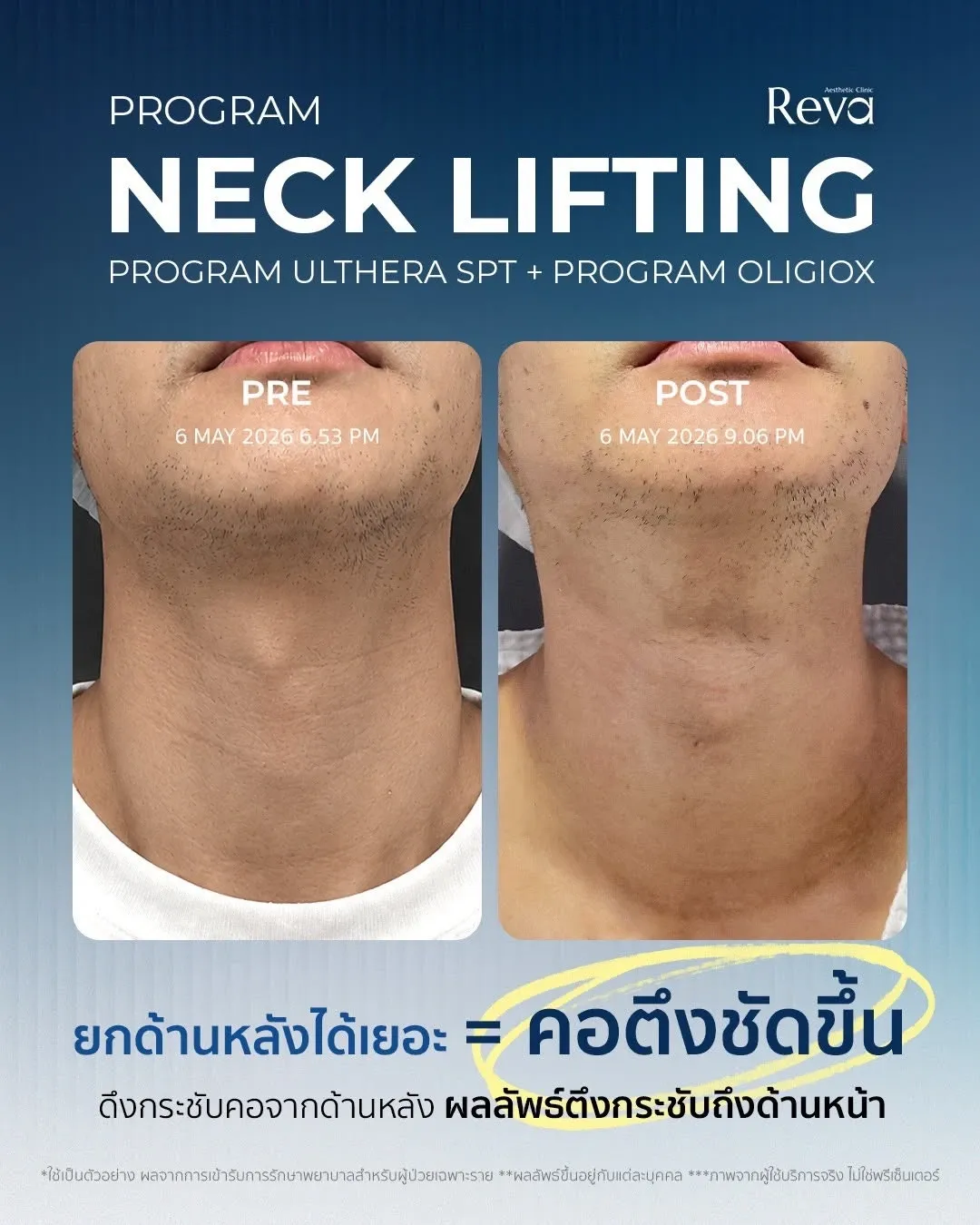
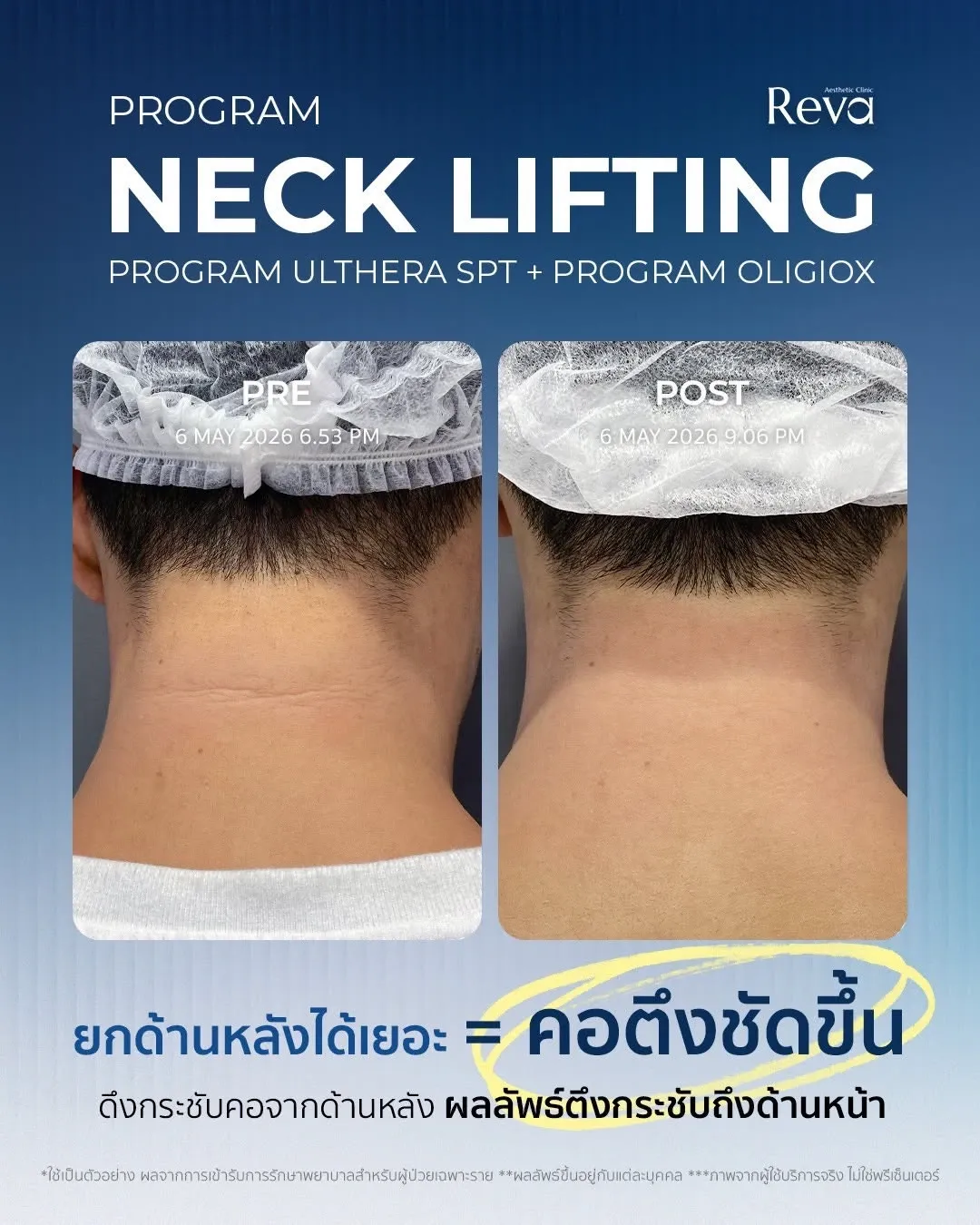
Program Ulthera SPT uses microfocused ultrasound with real-time visualization to deliver energy to selected tissue depths and stimulate collagen remodeling.
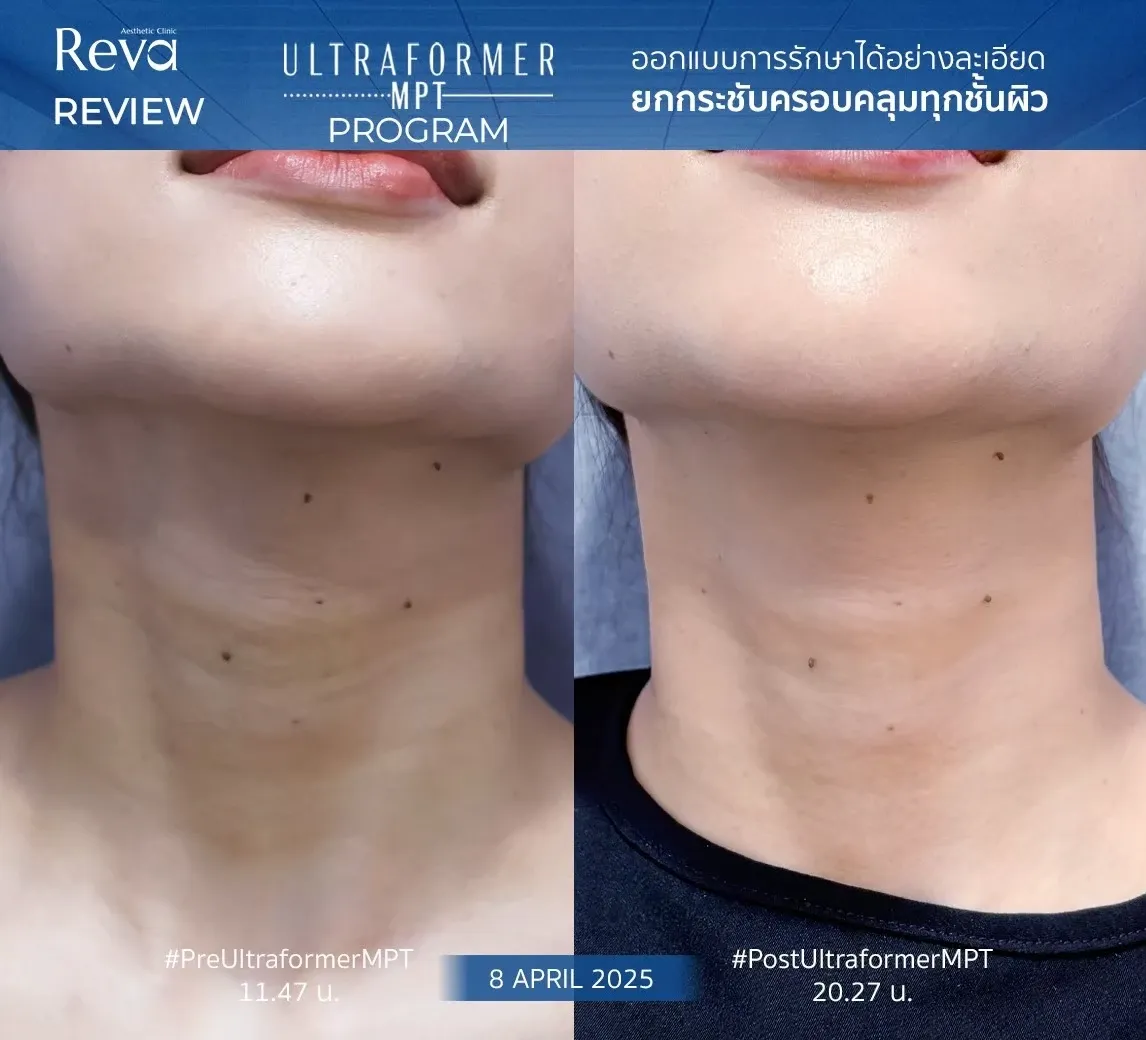
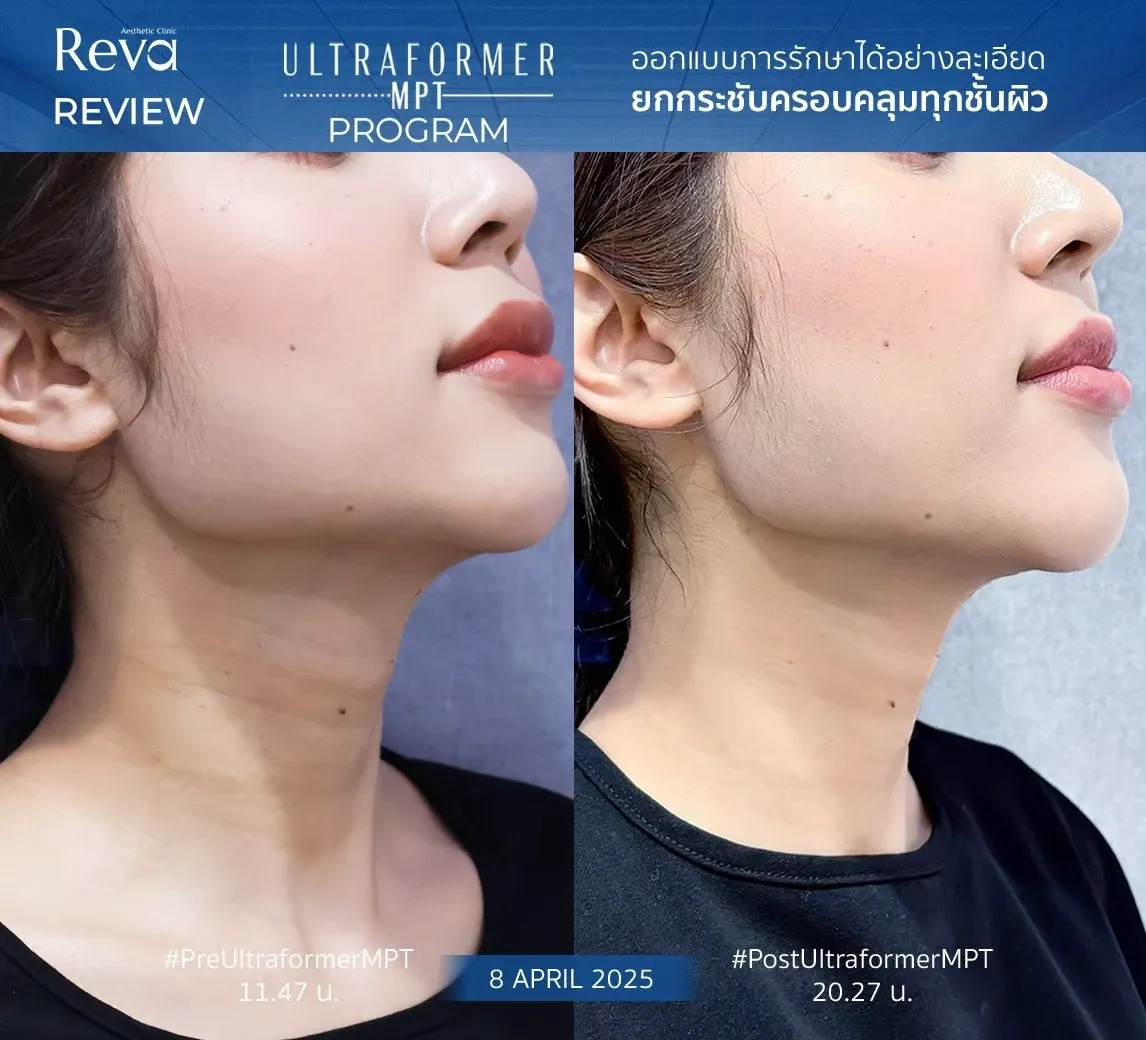
Program Ultraformer MPTalso uses focused ultrasound technology to address facial and neck laxity at selected depths.
Program Oligio X uses monopolar radiofrequency to heat tissue and stimulate collagen remodeling.
Therefore, someone with both prominent platysma bands and skin laxity may have more than one anatomical component contributing to the appearance of the neck.
Treating the muscle alone may not address every layer of the problem.
No.
Before choosing a treatment, it is more useful to identify which structure is causing the visible problem.
If the main problem is muscle activity, with prominent platysma bands during contraction, Program Botox may be considered.
If the main problem is skin laxity, treatment may need to focus more on lifting or collagen remodeling.
If there are changes in fat or volume, these structures need to be evaluated separately.
And if several components occur together, a combination approach may be more appropriate than simply increasing the amount of botulinum toxin.
Botulinum toxin does not work immediately after injection.
Muscle activity gradually decreases after treatment, with the effect becoming more noticeable over the following days and weeks. The timing and degree of improvement vary depending on the product used, dose, muscle strength, and individual response.
Results should therefore be evaluated by looking at:
Platysma bands during contraction + appearance at rest + overall lower-face and neck balance
rather than simply asking whether every visible line has disappeared.
The platysma lies close to several muscles involved in movement of the lower face and neck. Injection location, depth, dose, and diffusion therefore matter.
If botulinum toxin affects unintended muscles, temporary functional or aesthetic side effects may occur, including changes in lower-face movement or other neck-related muscular functions.
For this reason, treatment should be based on an assessment of individual anatomy and platysma contraction patterns, rather than choosing a dose from a standard formula alone.
Not necessarily. Several structures can contribute to lines and contours in the neck. Examination both at rest and during muscle contraction helps identify whether the platysma is the main cause.
Yes. Anatomy, skin and subcutaneous tissue thickness, and platysma strength vary between individuals. Aging can make the bands more visible, but younger patients may also have prominent platysma activity.
Not necessarily. If horizontal lines are primarily caused by skin creasing or changes in skin quality, reducing platysma activity may not address the main cause.
In appropriately selected patients whose lower-face appearance is partly influenced by platysmal downward pull, reducing that muscle activity may make the jawline appear more defined. The effect should not be considered equivalent to surgical or device-based lifting.
There is no universal dose. The number of bands, muscle strength, anatomy, treatment area, and botulinum toxin product all need to be considered.
Vertical neck bands may look like a simple skin problem, but platysma bands are closely related to the underlying muscle.
If the primary issue is:
Muscle → Program Botox may be considered
If there is also:
Skin laxity → Program Lifting or skin-focused treatment may need to be considered
The more useful question is therefore not simply:
“How many units do I need?”
but rather:
Once the cause is identified, treatment can be designed more appropriately for the individual patient.

What causes chin dimpling and mentalis strain? Learn how chin Botox works and why a short-looking chin may not always need filler.

What is Program Xeomin? Learn about incobotulinumtoxinA, complexing proteins, Botox resistance, and how personalized treatment can balance wrinkle reduction with natural facial expression.

What is Xpression Beauty? Discover the See More Me concept, how natural-looking Botox is designed to preserve facial expression, and the role of Program Xeomin.



Why do your eyelids feel heavy or your forehead feel tight after Botox? Learn how dose, frontalis anatomy, injection points, and technique affect natural results.
Consult a dermatologist at Reva Clinic. We’re here to provide personalized guidance, helping you understand your skin and care for it with confidence.


