Does Program Ulthera Hurt? What to Know If You Are Afraid of Pain | Reva Clinic
Pain is one of the most common concerns among patients considering Program Ulthera, particularly those undergoing the treatment for the first time or those who have heard that ultrasound-based lifting treatments can cause a deep, sharp, or tingling sensation.
Program Ulthera can cause discomfort during treatment. However, the level of discomfort varies considerably between individuals and may also differ according to the treatment area, treatment depth, and energy settings. For this reason, preparation and pain management should be considered part of the overall treatment plan.
How Painful Is Program Ulthera?
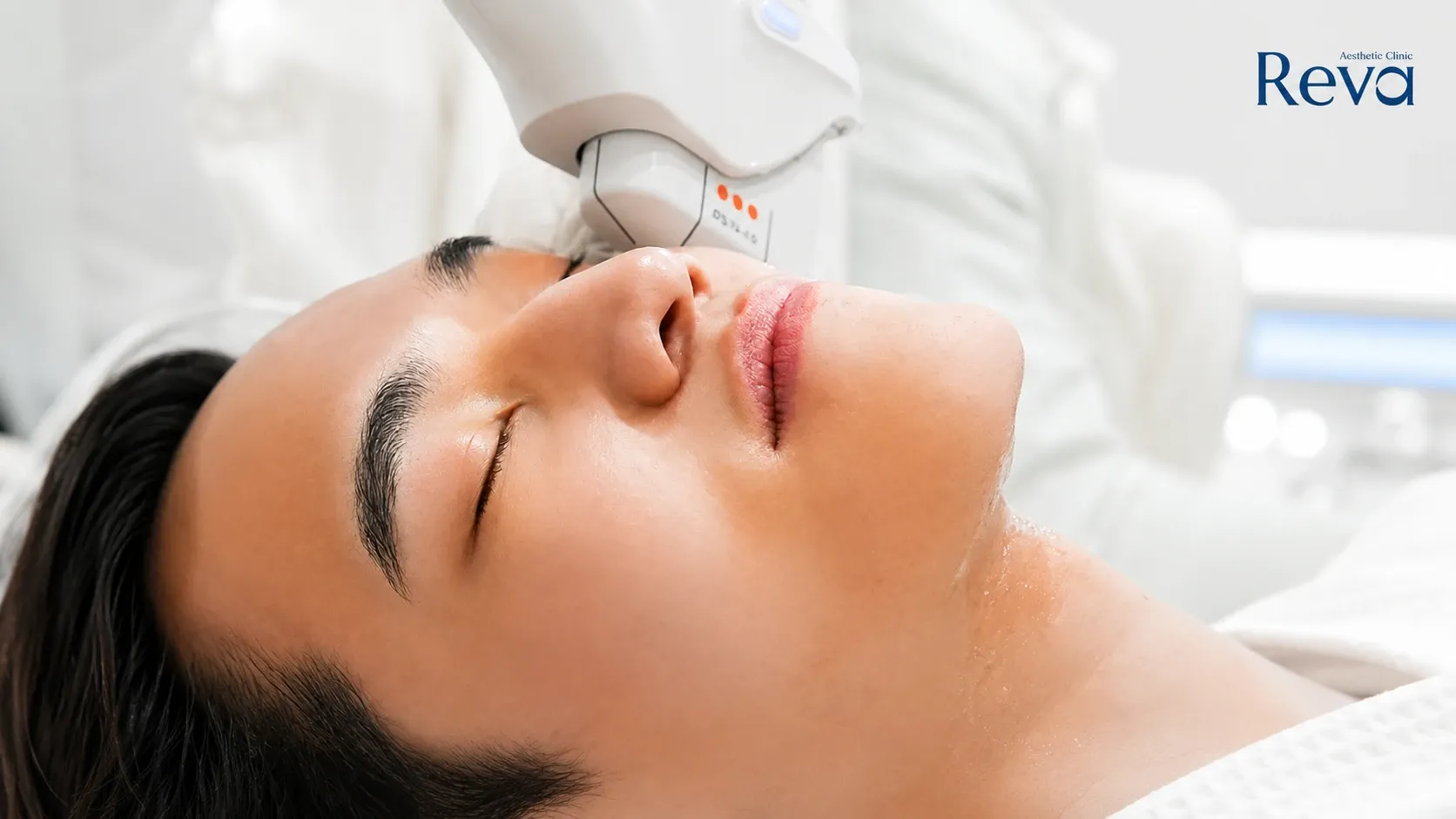
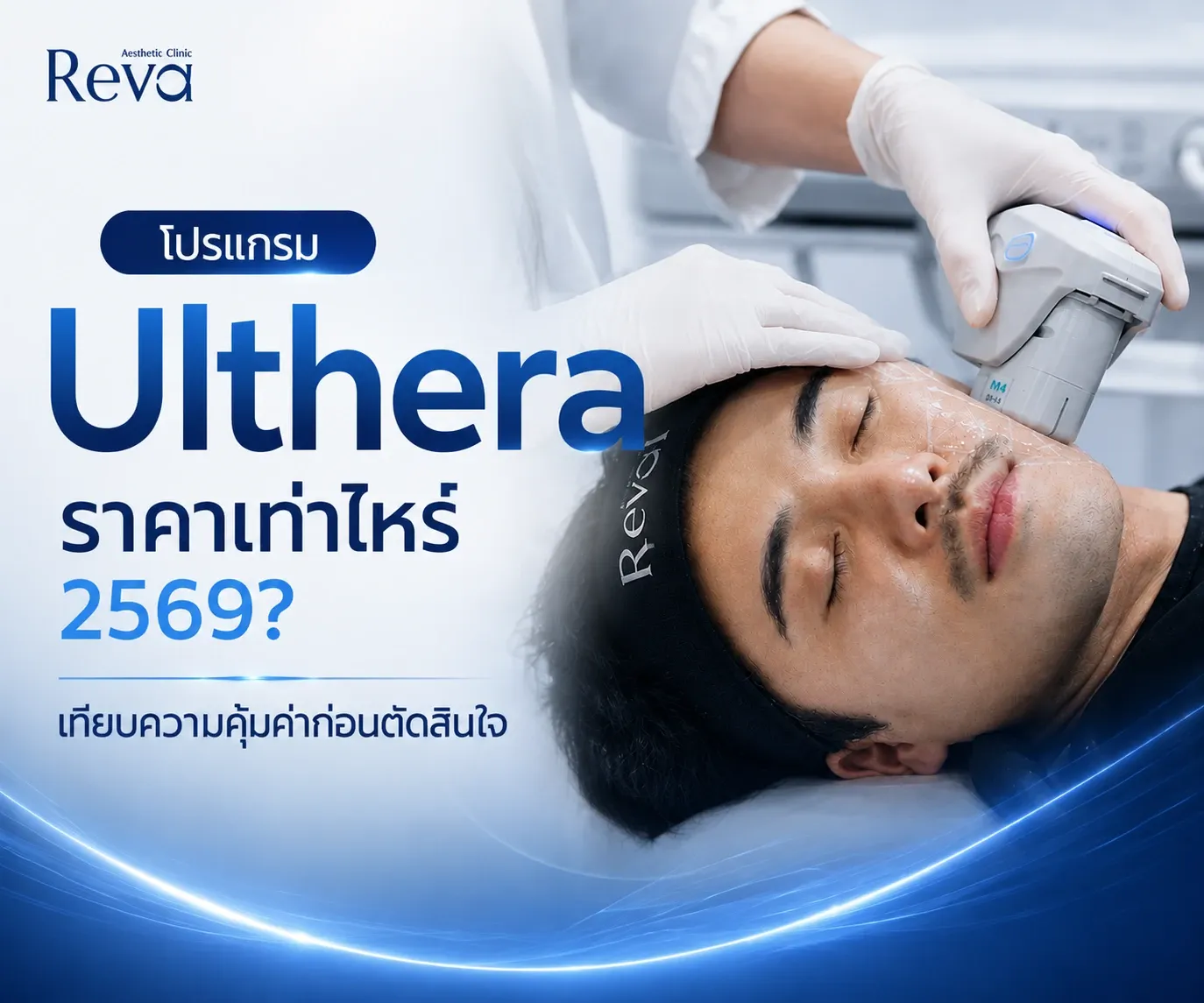
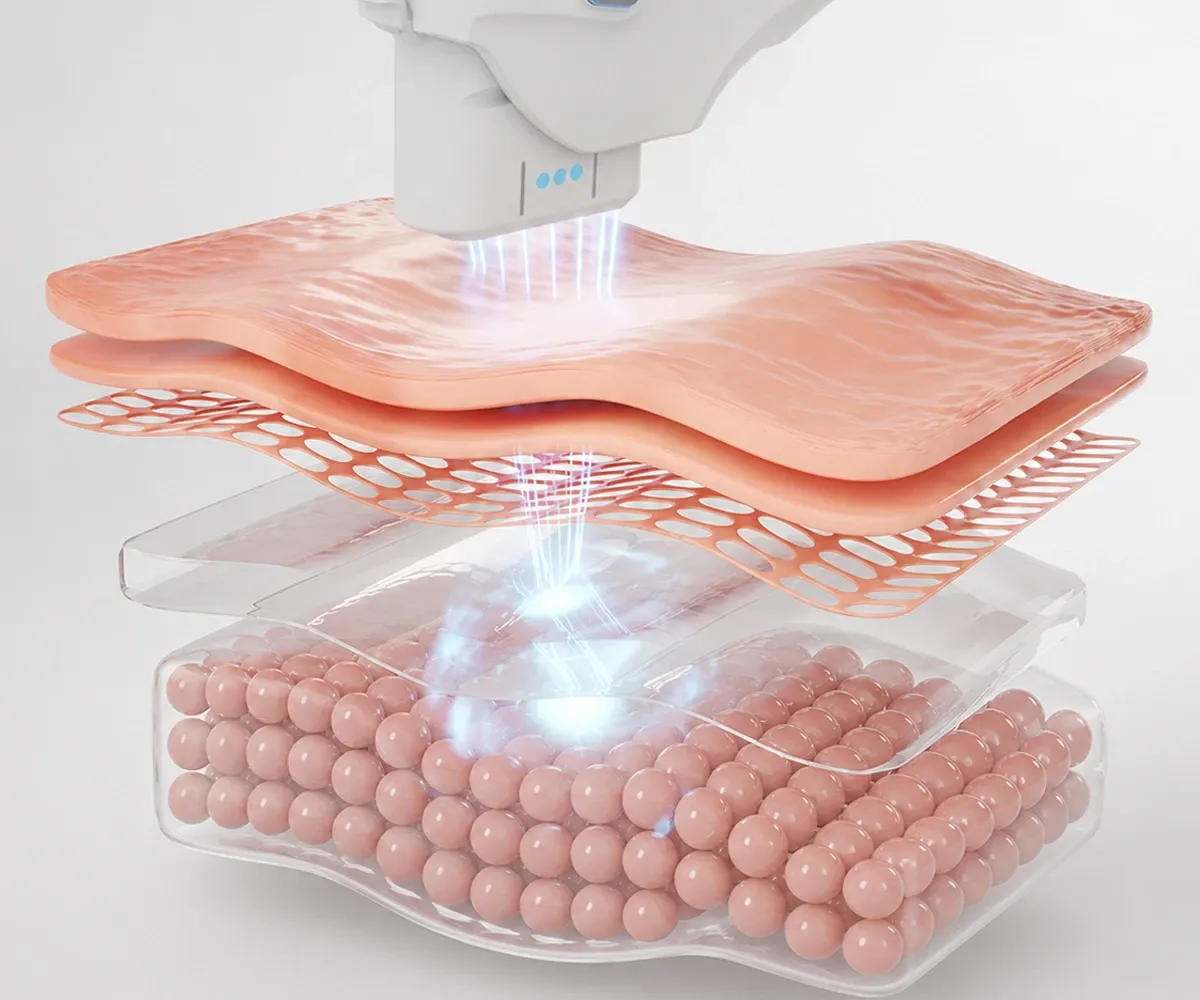
Program Ulthera uses Microfocused Ultrasound with Visualization (MFU-V) to deliver focused ultrasound energy to targeted tissue layers. Real-time ultrasound visualization allows the physician to visualize the tissue during treatment and plan energy delivery according to the area being treated.
During energy delivery, patients may experience sensations such as warmth, tingling, brief sharp sensations, or a deeper feeling beneath the skin. The intensity is not necessarily the same across all areas of the face, and individual pain tolerance also plays an important role.
A systematic review and meta-analysis involving 785 patients treated with MFU-V reported a mean pain score of approximately 4.85 out of 10. However, pain scores varied considerably across the included studies, so this figure should not be interpreted as the expected pain level for every patient.
Therefore, Program Ulthera should not be described as a completely painless procedure. At the same time, discomfort can be considered and managed as part of treatment preparation.
Why Do Some Areas Feel More Sensitive Than Others?
The sensation experienced during Program Ulthera is influenced by several factors, including treatment area, treatment depth, energy parameters, individual anatomy, and pain threshold.
Because ultrasound energy can be delivered to different tissue depths, the sensation may change as the physician moves from one area of the face to another. Even during the same treatment session, one area may feel more sensitive than another.
This is one reason why facial assessment and individualized treatment planning are important. Treatment design should consider not only where energy is delivered but also the patient's overall treatment experience.
What Should You Do If You Are Afraid of Pain?
Patients who are particularly concerned about discomfort should discuss this with their physician during the consultation rather than waiting until treatment has already begun.
Previous experiences with aesthetic procedures, individual sensitivity, treatment areas, and the planned treatment can all be considered when preparing an appropriate pain-management approach.
Topical anesthesia is one method used to help manage discomfort during MFU-V treatment and has also been included in clinical studies evaluating pain-management strategies.
However, topical anesthesia does not necessarily eliminate all sensation during Program Ulthera because the ultrasound energy is delivered to tissue layers beneath the skin surface.
Why Does Reva Clinic Apply Topical Anesthetic for Approximately 2 Hours?
At Reva Clinic, our Program Ulthera protocol includes approximately 2 hours of topical numbing before treatment.
This preparation period is intended to allow sufficient time for pain management before the procedure begins, particularly for patients who are concerned about discomfort.
It is important to note that this protocol does not mean that Program Ulthera will be completely painless. Individual responses to topical anesthetic and to the treatment itself can vary.
The appropriate anesthetic, application method, and duration should also be determined according to the clinic's medical protocol. Patients should not apply topical anesthetic for prolonged periods on their own without appropriate medical supervision.
Why Can You Still Feel Program Ulthera After Numbing?
Program Ulthera delivers focused ultrasound energy to tissue beneath the surface of the skin. Topical anesthetic, on the other hand, primarily produces anesthesia from the skin surface.
As a result, some patients may still experience deeper sensations during treatment even when the skin itself has been adequately numbed.
A randomized controlled trial involving 21 participants compared topical anesthesia alone with topical anesthesia combined with forced-air cooling during MFU-V treatment. Adding forced-air cooling did not significantly reduce pain scores. The authors suggested that superficial cooling may not adequately affect the deeper target tissue where the ultrasound energy is delivered.
This helps explain why pain management for Program Ulthera involves more than simply applying numbing cream and expecting the treatment to become completely painless.
Should the Energy Be Reduced to Make Program Ulthera Less Painful?
Treatment parameters should not be determined by pain alone.
The physician should consider factors such as individual anatomy, tissue layer, treatment area, and the overall treatment plan when selecting treatment parameters.
At the same time, more pain does not mean better results. Pain should not be used as an indicator of treatment effectiveness, and patients should not feel that they need to tolerate excessive discomfort in order to achieve a better outcome.
If discomfort becomes difficult to tolerate during treatment, the patient should inform the physician so that the situation can be assessed and the treatment adjusted appropriately.
Ulthera Private Lounge and Treatment Preparation
At Reva Clinic, the preparation period is considered part of the overall Program Ulthera experience.
Because our protocol includes approximately two hours of topical numbing, patients spend a significant amount of time preparing before the treatment itself begins.
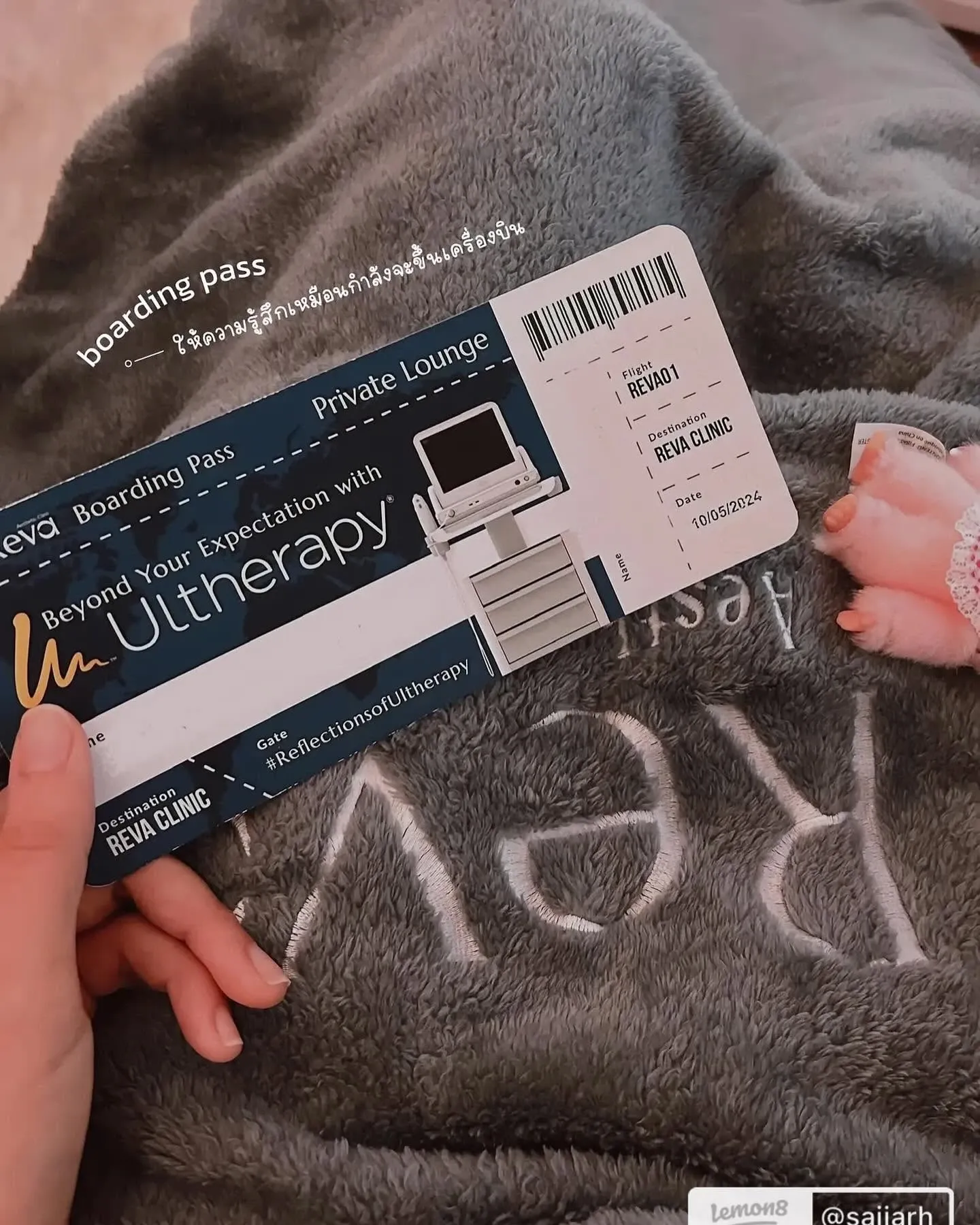
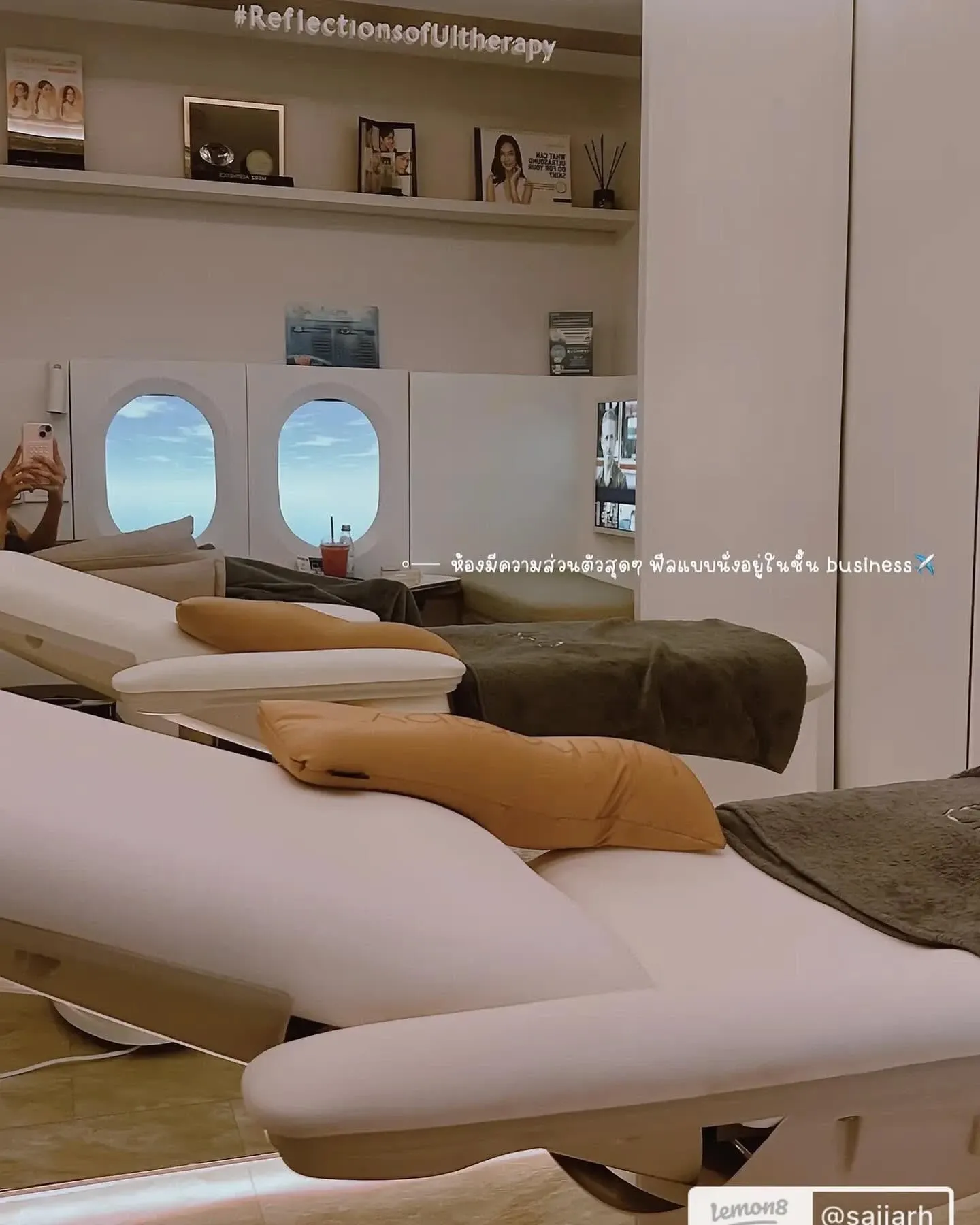
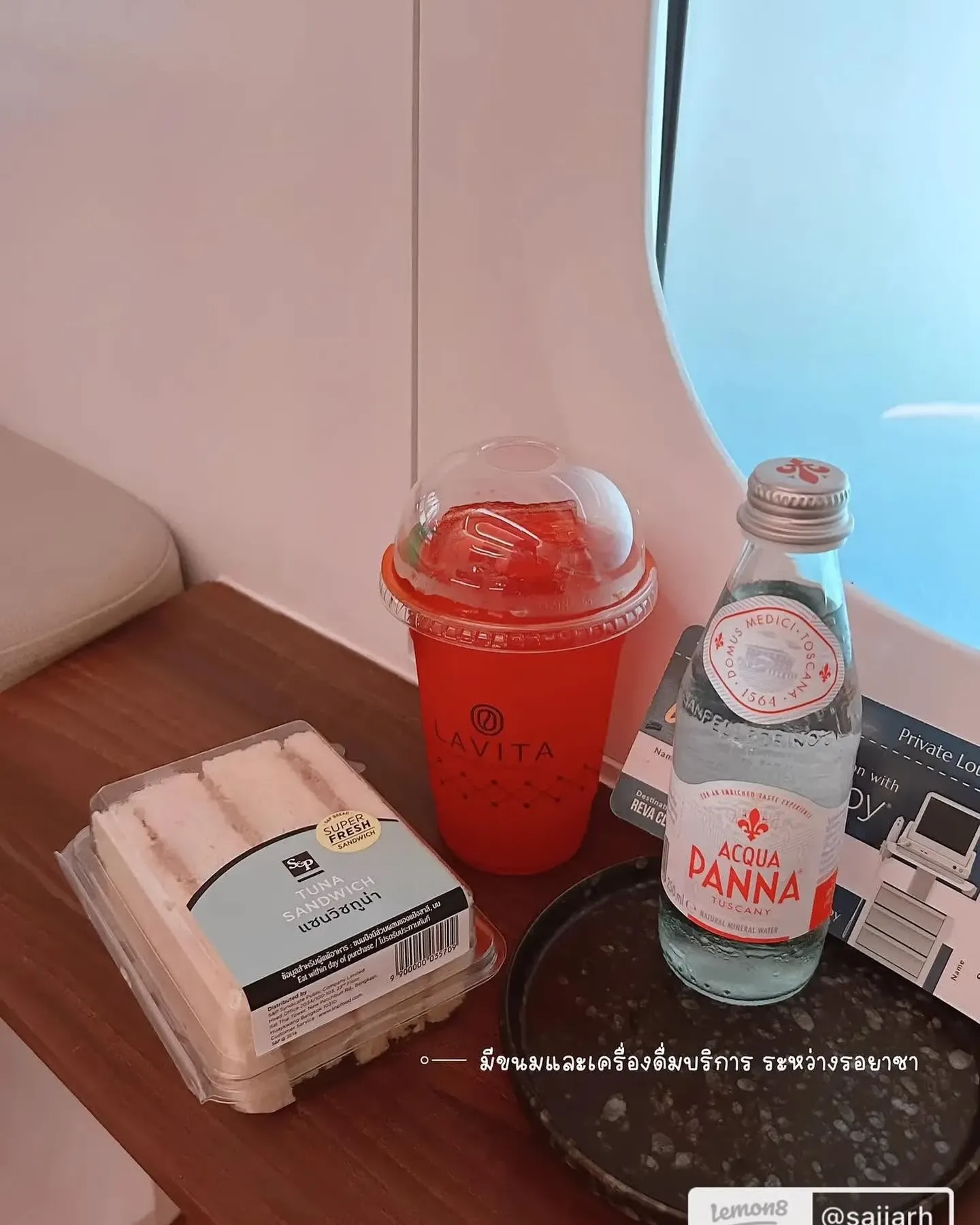
The Ulthera Private Lounge provides a private space where patients can prepare and rest during this period rather than spending an extended numbing period in a shared treatment area.
The Private Lounge does not make Program Ulthera painless. Instead, it is designed to provide greater privacy and comfort throughout the preparation process.
Does Program Ulthera Hurt? The Bottom Line
Program Ulthera can cause discomfort during treatment, and the level of sensation varies between individuals. It is therefore neither accurate to promise that the treatment will be completely painless nor appropriate to use pain as an indicator that the treatment is working.
For patients who are concerned about pain, discussing this concern with the physician before treatment allows pain management and treatment planning to be considered together.
At Reva Clinic, our approach includes approximately 2 hours of topical numbing, individualized treatment planning, and an Ulthera Private Lounge for the preparation period.
The objective is not to promise that patients will “feel nothing,” nor to expect them to simply tolerate the discomfort. The aim is to provide appropriate treatment while managing the patient's experience throughout the procedure.