How Early Should You Prepare Your Face Before Your Wedding? A Pre-Wedding Beauty Timeline
Your wedding is one of those days when you want to look like the best version of yourself — not necessarily different, just refreshed, confident, and camera-ready.
One of the most common questions we hear is:
“How early should I start preparing my face before my wedding?”
The answer depends on what you want to improve.
Some treatments work relatively quickly, while others — especially lifting and collagen-stimulating treatments — need time for the results to gradually develop.
If you have enough time, starting your pre-wedding plan around 6–12 months before the wedding gives you more flexibility and reduces the need to rush multiple treatments close to the big day.
The goal should not be to do everything possible before your wedding.
It should be to create the right treatment timeline, so each treatment has enough time to work and your results are at their best when the wedding day arrives.
Key Takeaways
If possible, start planning your pre-wedding treatments around 6–12 months before your wedding.
Treatments that rely on collagen remodeling or gradual structural improvement should generally be planned earlier.
Botox, fillers, and other fine-tuning treatments should be scheduled with enough time for the results to settle and be reassessed.
During the final 2–4 weeks, the focus should shift toward skin quality, hydration, and treatments you already know work well for your skin.
The final week is not the time to experiment with a new injectable, laser, peel, or skincare product.
There is no single pre-wedding treatment plan that works for everyone. Your timeline should be based on your facial structure, skin condition, previous treatments, personal preferences, and wedding date.
Pre-Wedding Treatment Timeline: What Should You Do and When?
6–12 Months Before the Wedding: Start With a Facial Assessment
If you have this much time, this is an ideal point to start planning.
You do not need to do everything at once.
Instead, begin by asking:
What do I actually want to improve before my wedding?
This may include:
Facial laxity or loss of definition
Changes in facial volume
Facial proportions
Thin or declining skin quality
Enlarged pores or uneven texture
Acne scars
Redness or pigmentation
Expression lines
Dry or dehydrated skin
Overall skin quality
At this stage, the priority is to create a master plan rather than choosing individual treatments based on promotions or trends.
Treatments that may be considered at this stage
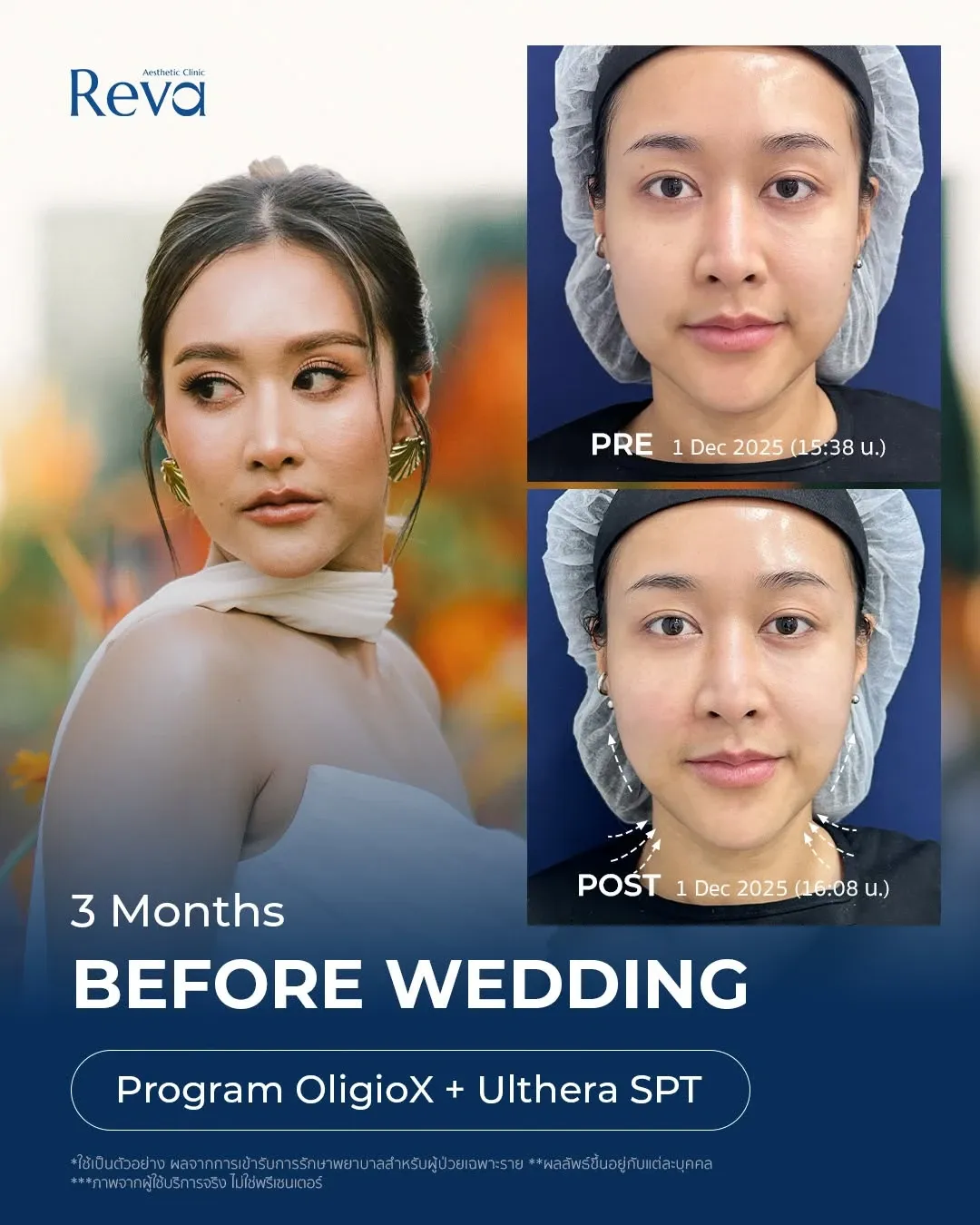
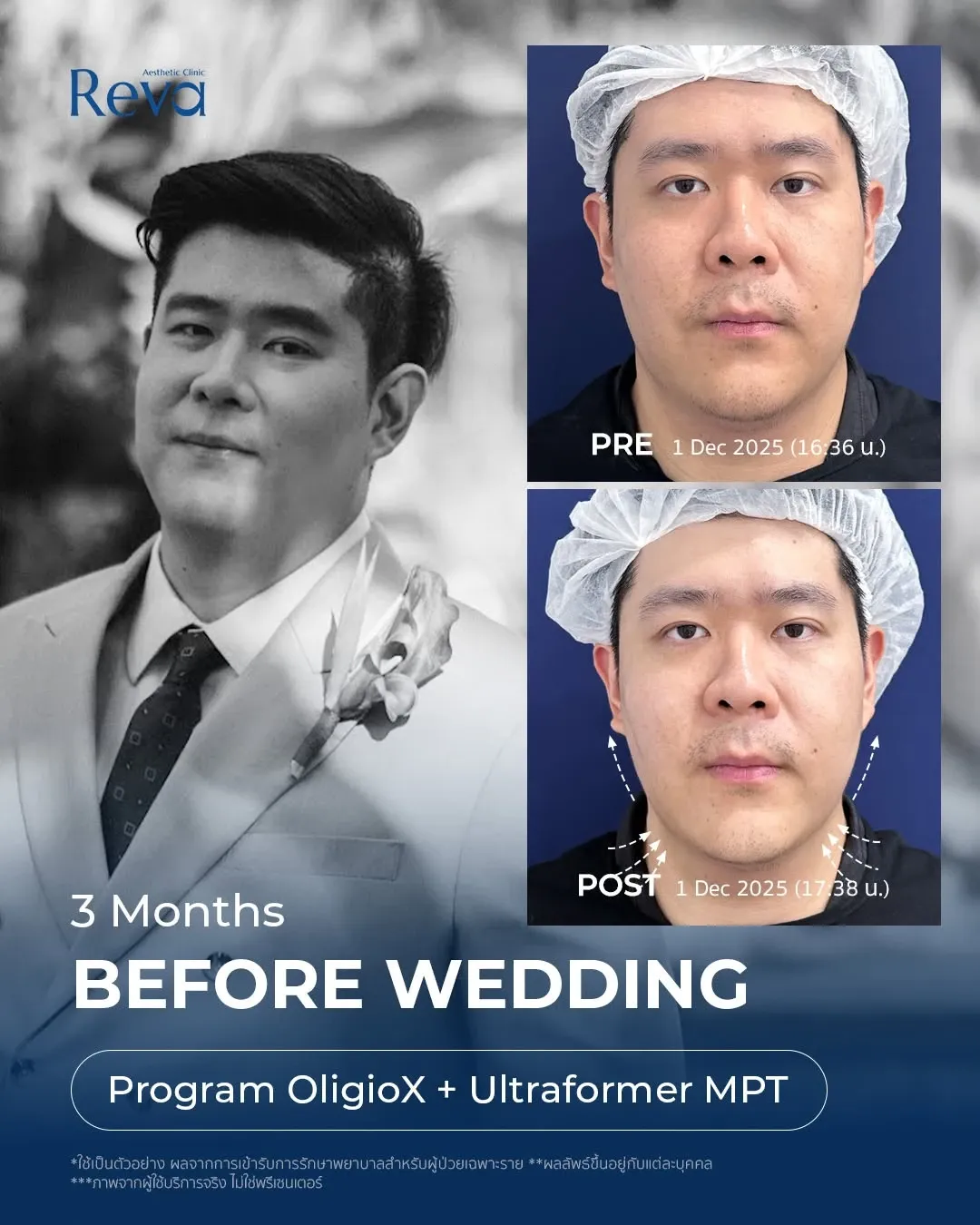
For facial laxity, your doctor may assess whether a lifting treatment such as Program Ulthera SPT, Program Oligio X, or Program Ultraformer MPT is appropriate for your facial anatomy and treatment goals.
For patients with facial volume loss or changes in tissue quality, collagen biostimulators, such as Program Sculptra, may also be considered when appropriate.
These treatments are generally better planned early because collagen remodeling does not happen overnight. The results gradually develop as the tissue responds over time.
3–6 Months Before the Wedding: Build Structure and Skin Quality
Once the overall treatment plan is established, you can start focusing on the details.
A useful way to think about this stage is:
Lift → Contour → Skin Quality
rather than trying to change everything during the final month.
1. Address Facial Laxity
Different lifting technologies target tissue in different ways, so the best option depends on where the problem is located.
Program Ulthera SPT
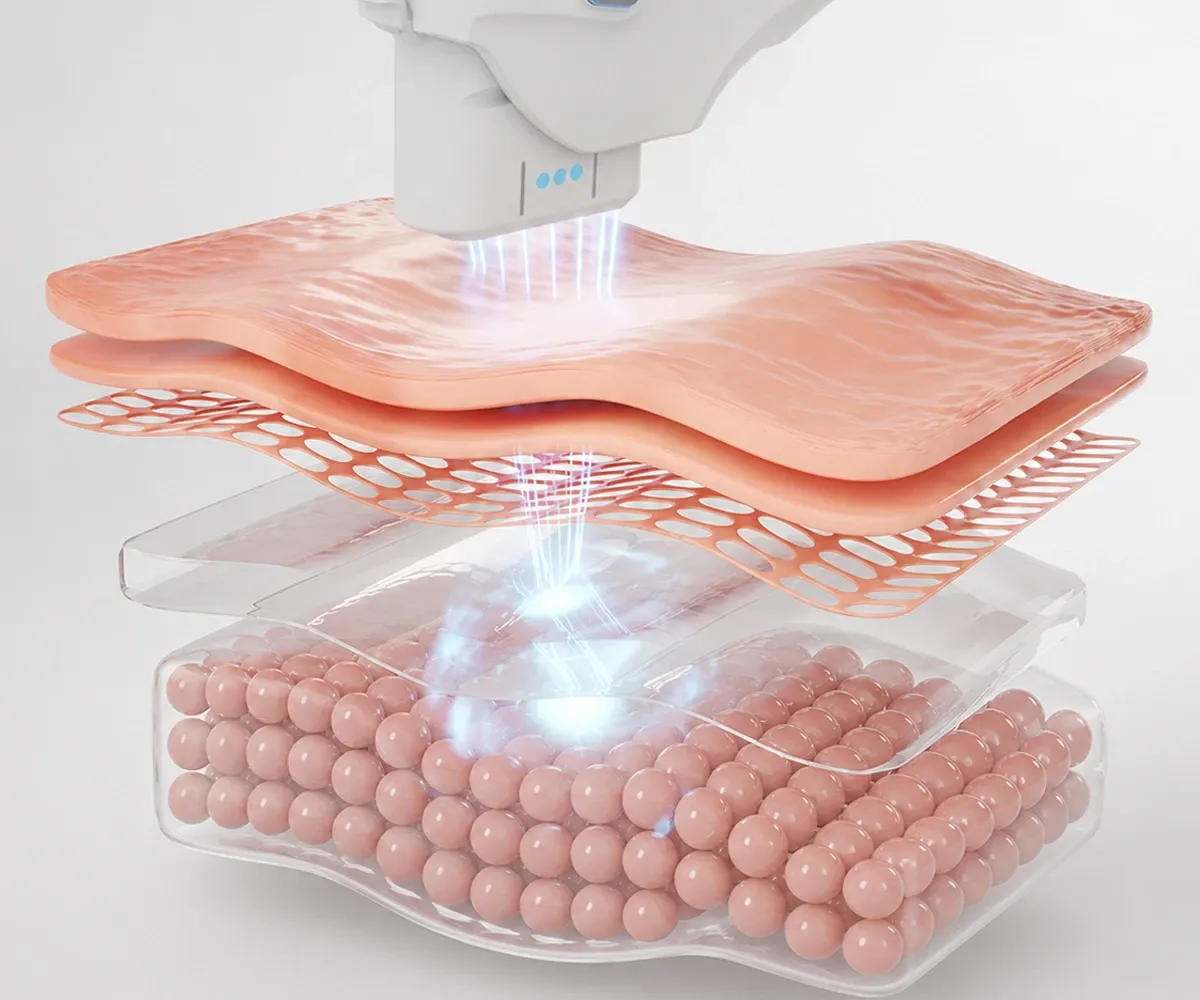
Uses microfocused ultrasound with Real-Time Visualization, allowing the physician to visualize tissue layers while delivering treatment.
Program Oligio X
Uses monopolar radiofrequency to deliver controlled thermal energy and may be considered for facial tightening and overall skin quality.
Program Ultraformer MPT
Uses ultrasound technology and allows treatment to be designed at different depths depending on the treatment area and individual concerns.
There is no rule that everyone preparing for a wedding needs the same device or the same number of shots or lines.
The more important questions are:
Where is the problem, and which tissue layer needs to be addressed?
3–6 Months Before the Wedding: Start Working on Skin Quality
Once the overall facial structure has been addressed, attention can shift toward the skin itself.
Common concerns include:
Dehydration
Uneven texture
Enlarged pores
Fine lines
Redness
Pigmentation
Acne scars
Uneven skin tone
Depending on the problem, treatments may include Program RedTouch Pro, PN treatments, Skin Boosters, or Collagen Biostimulators.
Starting during this period gives you enough time to see how your skin responds and adjust the plan before the wedding.
1–3 Months Before the Wedding: Fine-Tuning
At this stage, the goal should no longer be to dramatically change your face.
Think of it as fine-tuning.
When Should You Get Botox Before Your Wedding?
Botulinum toxin does not reach its full effect immediately. The result develops gradually, and it usually takes around two weeks before the outcome can be properly assessed.
For an important event such as a wedding, allowing approximately 4–8 weeks before the event provides time for the result to settle and for your doctor to reassess it if necessary.
This is particularly important if you have never had Program Botox before.
Areas that may be assessed include:
The goal does not have to be a completely wrinkle-free face.
For many patients, a better goal is to look refreshed and natural while maintaining appropriate facial expression.
When Should You Get Filler Before Your Wedding?
If dermal filler is part of your facial design plan, it is important to allow enough time for swelling or bruising to resolve and for the result to settle.
For this reason, filler treatments are generally better planned around 1–3 months before the wedding rather than during the final few days.
This is particularly relevant when treating multiple areas, such as:
Chin
Midface
Temples
Under-eye area
Jawline
Instead of treating each area separately, these treatments should ideally be planned according to your overall facial proportions.
2–4 Weeks Before the Wedding: Focus on Skin Quality
As the wedding approaches, the strategy should change.
Instead of asking:
“What else can I fix?”
start asking:
“How can I make everything I've already done look its best?”
This is the stage to focus on:
If a treatment has the potential to cause swelling, bruising, redness, or injection marks, allow more recovery time than you think you need.
Everyone heals differently.
The Final 7 Days: Don't Experiment
This may be the most important rule of the entire pre-wedding timeline:
Do not experiment during the final week.
Avoid trying a new:
A treatment may have minimal downtime on average, but your skin does not necessarily follow the average.
During the final week, the priority should be:
Maintain. Hydrate. Calm the skin.
Not trying to correct every remaining imperfection.
What If Your Wedding Is Only One Month Away?
There is no need to panic — and definitely no need to squeeze every possible treatment into four weeks.
Start by identifying your top priorities.
For example:
Expression lines
Program Botox may still be considered if your doctor determines that there is enough time for the treatment to take effect and settle appropriately.
Dry or dehydrated skin
Hydration and skin-quality treatments may become a higher priority.
Redness or uneven skin tone
Your doctor can assess whether an appropriate treatment can be performed with sufficient recovery time before the wedding.
However, concerns that usually require longer-term collagen remodeling or multiple sessions should not be rushed simply because the wedding is approaching.
Sometimes the better goal is to achieve a safe and meaningful improvement, rather than trying to fix everything before one date.
Is Pre-Wedding Preparation Different for Grooms?
The overall principles are the same, but the treatment design may be different.
Some male patients may be more concerned about:
Jawline definition
Lower-face contour
Submental fullness
Enlarged pores
Acne scars
Redness
Skin texture
Oily skin
Others may not want a sharper or more defined face at all. They may simply want to look fresher and more rested in photographs.
For this reason, pre-wedding aesthetic planning should not be based on gender alone.
It should be based on:
Facial Structure + Skin Condition + Personal Preference
Whether you are a bride, groom, or LGBTQ+ couple, the treatment plan can be designed around how you want to look on your wedding day.
Pre-Wedding Beauty Timeline at a Glance
Time Before WeddingMain Goal
6–12 months Facial assessment + master treatment plan
3–6 months Lifting + collagen + skin quality
1–3 months Fine-tuning + Program Botox + filler + skin quality
2–4 weeks Hydration + final skin refinement
Final 7 days Maintain + calm the skin + don't experiment
Wedding dayLet everything you've planned settle into place
So, How Early Should You Start Preparing Your Face Before Your Wedding?
If there is one simple answer, it is:
The more time you have to plan, the less you need to rush close to your wedding day.
If you have 6–12 months, you can begin with facial assessment, address lifting and structural concerns, gradually improve skin quality, and leave the final months for fine-tuning.
If you only have 1–3 months, there is still plenty that can be done. The key is to prioritize the concerns that can realistically and safely be improved within the available time.
At Reva Clinic Bangkok, we design treatment plans according to each patient's facial structure, skin condition, treatment history, personal preferences, and available timeline.
Not every bride or groom needs the same treatments.
Because preparing for your wedding should not be about turning yourself into someone else.
It should be about looking like yourself — at your best, on one of the most important days of your life.
Frequently Asked Questions
How many months before my wedding should I start facial treatments?
If possible, consider starting your treatment planning approximately 6–12 months before your wedding, particularly if you have multiple concerns or are considering treatments that rely on gradual collagen remodeling.
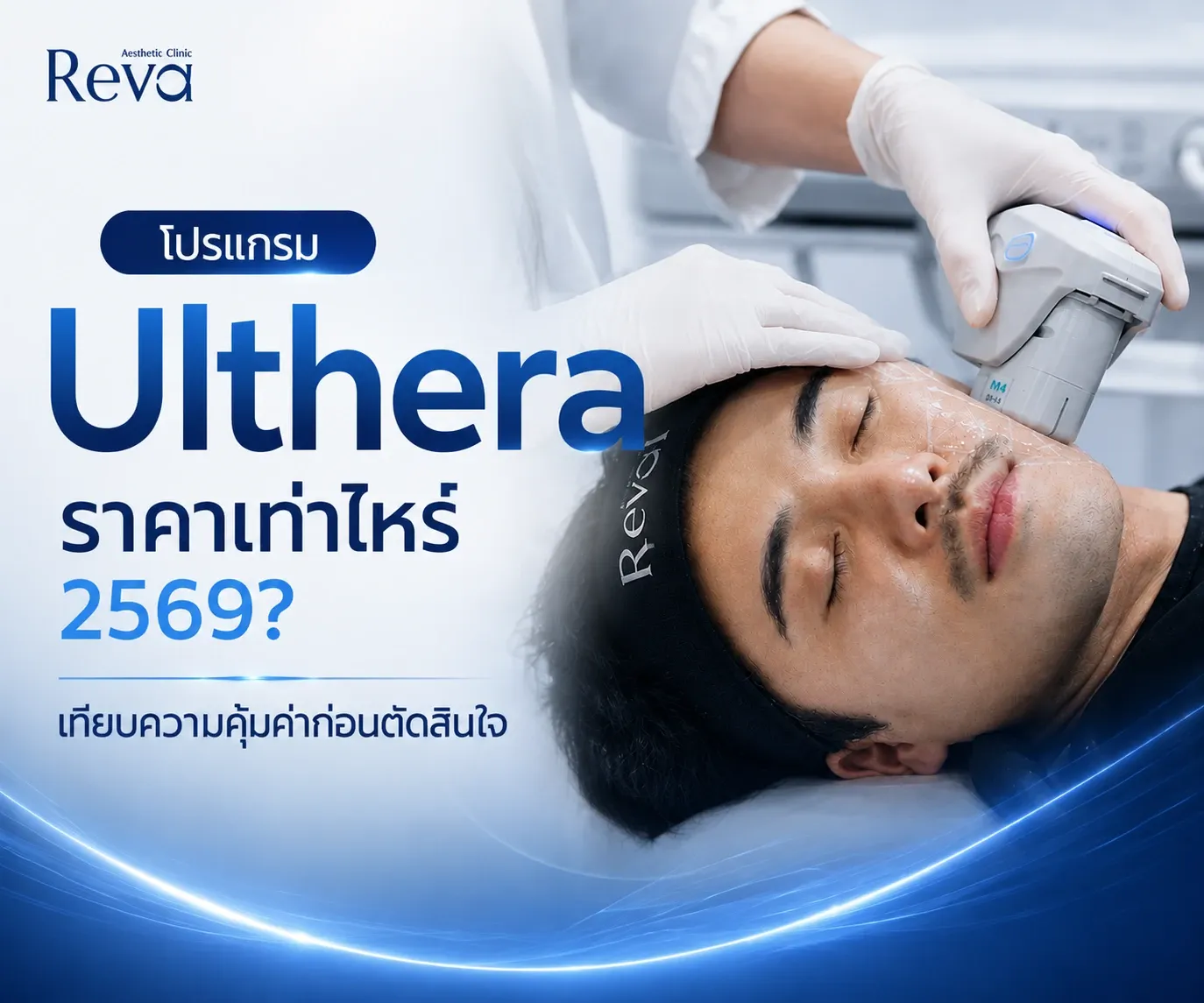
How long before my wedding should I get Ulthera?
Program Ulthera SPT is generally better positioned earlier in the pre-wedding timeline rather than immediately before the wedding because tissue remodeling and collagen-related changes develop gradually after treatment. The ideal timing depends on your facial anatomy, concerns, and overall treatment plan.
How long before my wedding should I get Botox?
For an important event, allowing approximately 4–8 weeks can provide time for Program Botox to take effect, settle, and be reassessed if necessary. If it is your first treatment, avoiding last-minute injections is particularly important.
Is one month enough to prepare my skin for my wedding?
Yes, depending on your concerns. However, the goal should be to prioritize treatments that can realistically produce an improvement within the available time rather than trying to complete an entire aesthetic plan in four weeks.
What should I do one week before my wedding?
Focus on familiar skincare and treatments that you already know your skin tolerates well. Avoid experimenting with new injectables, lasers, peels, or strong skincare products that could cause unexpected irritation, swelling, bruising, or downtime.