“What Is the Hi5 Protocol? Does Ultherapy Really Need Thousands of Lines to See Results?
Dr. Songsak Suksantilap (Dr. Bank)
September 2, 2026 · Reading time 10 minutes
Share
What Is the Hi5 Protocol? Does Ultherapy Program Really Need Thousands of Lines to See Results?
When it comes to the Ulthera Program, one of the most common questions is:
“How many lines do I need to see results?”
Many people assume that the more lines they receive, the better the lifting result will be. However, newer treatment concepts are shifting the focus away from simply maximizing the number of lines.
Instead, greater attention is being placed on individual anatomy, the degree of skin and tissue laxity, treatment depth, and accurate energy placement.
One interesting approach is the Hi5 Protocol, published in Plastic and Reconstructive Surgery – Global Open in 2023.
What Is the Hi5 Protocol?
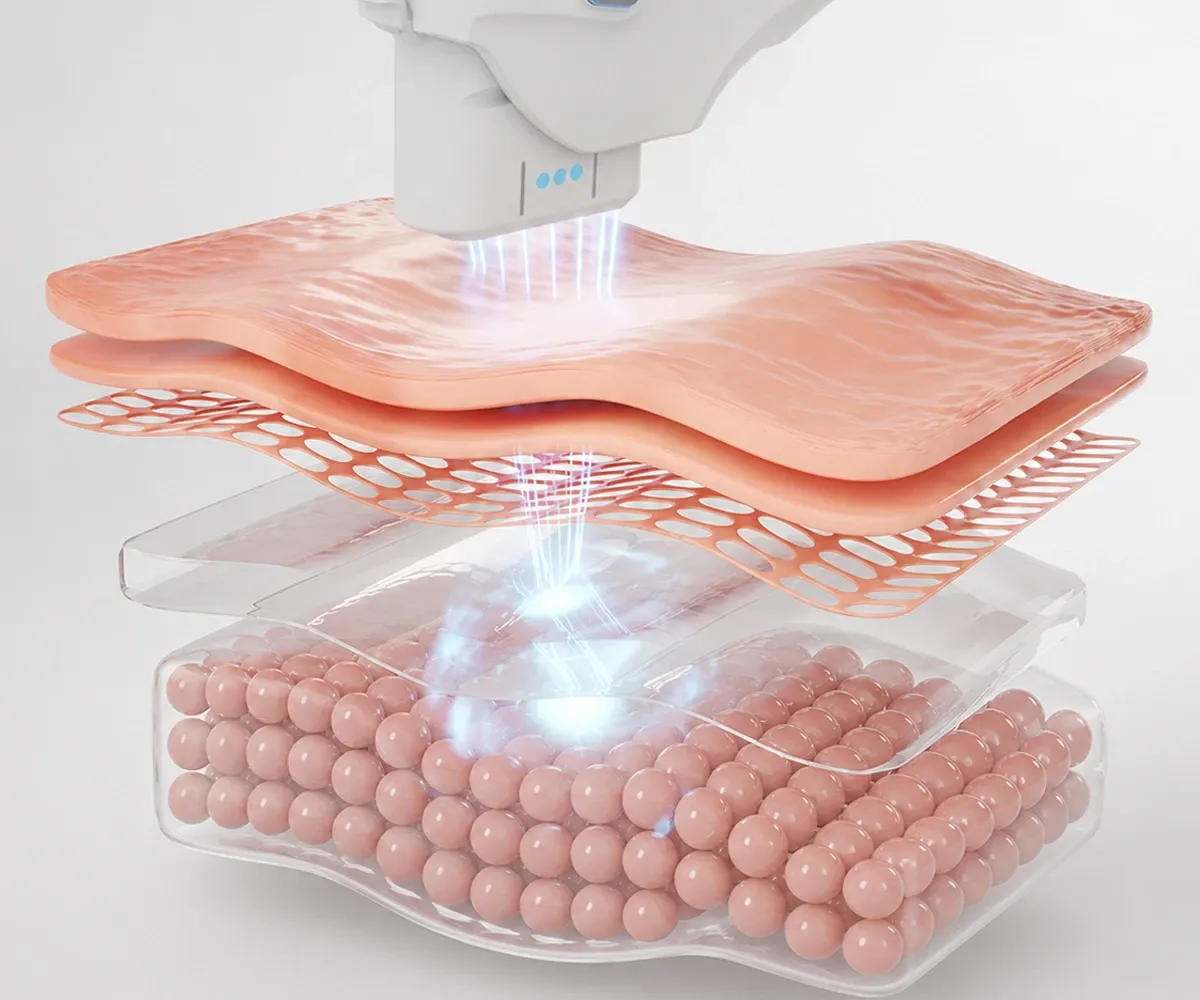
The Hi5 Protocol is an individualized approach to Microfocused Ultrasound with Visualization (MFU-V), the technology used in Ultherapy.
Rather than applying the same treatment pattern to every patient, the protocol assesses the degree of laxity and plans treatment according to the needs of each area.
Importantly, the goal is not simply to deliver a large number of treatment lines in a single session.
In the study, approximately 280 lines were delivered per visit across the full face and upper neck.
Treatment targeted two tissue levels:
Superficial Layer A 1.5 mm transducer was used to target the more superficial tissue level.
Deep Layer Real-Time Ultrasound Visualization was used to identify the deeper tissue anatomy and select an appropriate transducer to target the SMAS level.
This changes the question from:
“How many lines are being used?”
to:
“Are those lines being delivered at the right depth and in the right areas?”
Do You Really Need Thousands of Ultherapy Lines in One Session?
Not necessarily.
This is one of the most interesting concepts demonstrated by the Hi5 Protocol.
Instead of delivering a very high number of lines in a single treatment, the study divided treatment into 3–5 sessions, depending on the patient’s degree of laxity and treatment requirements.
Patients underwent an average of approximately 4 treatment sessions, with around 280 lines per visit.
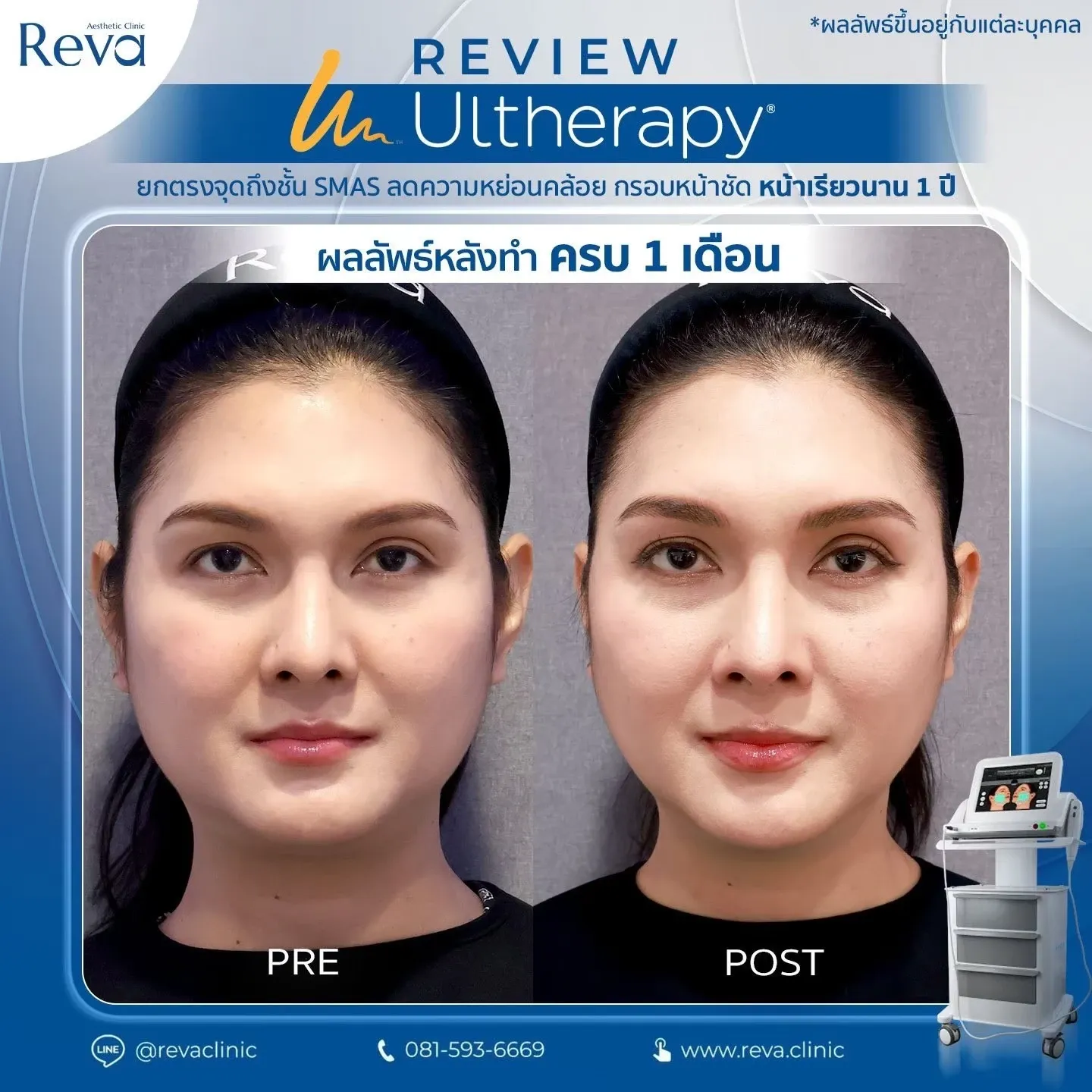
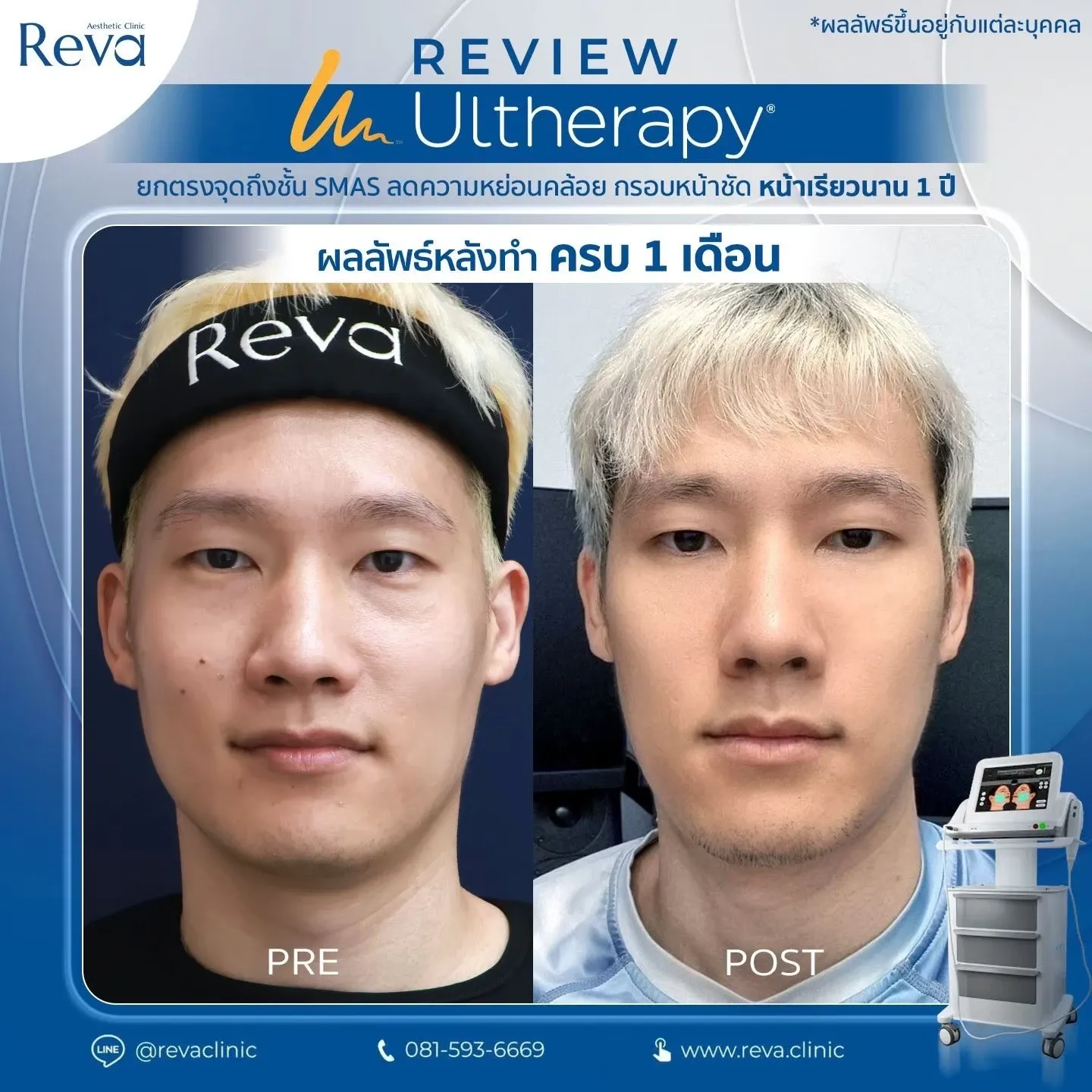
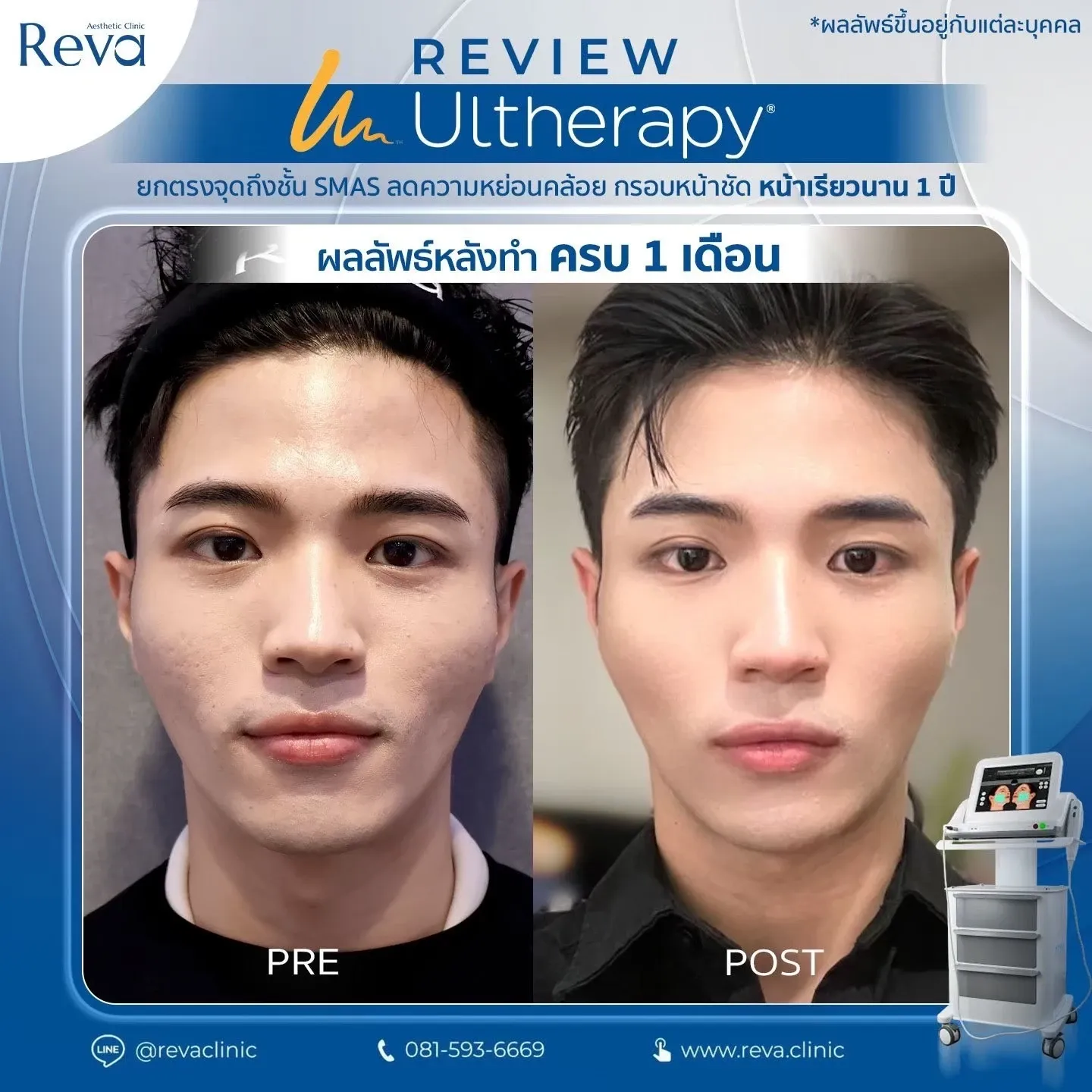
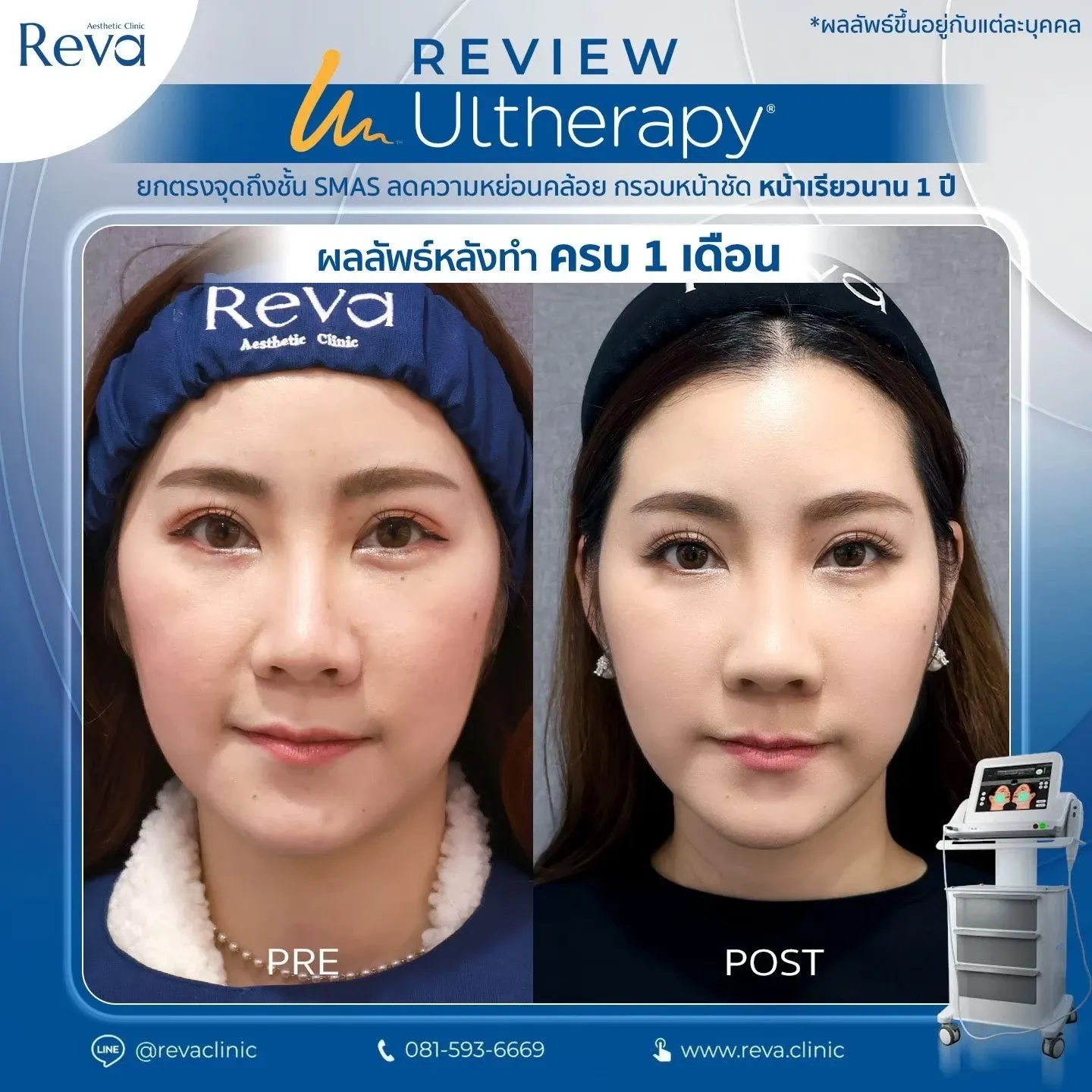
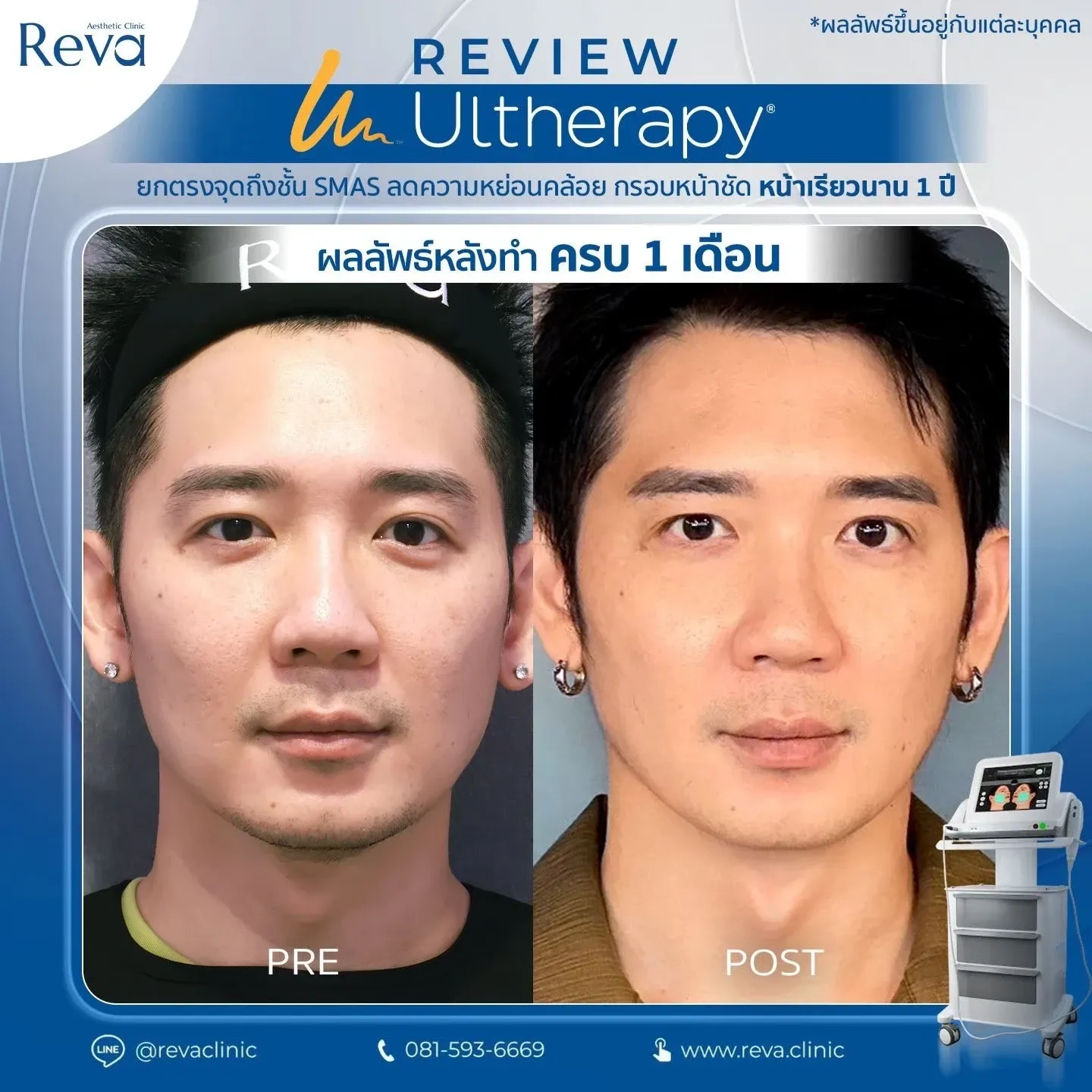
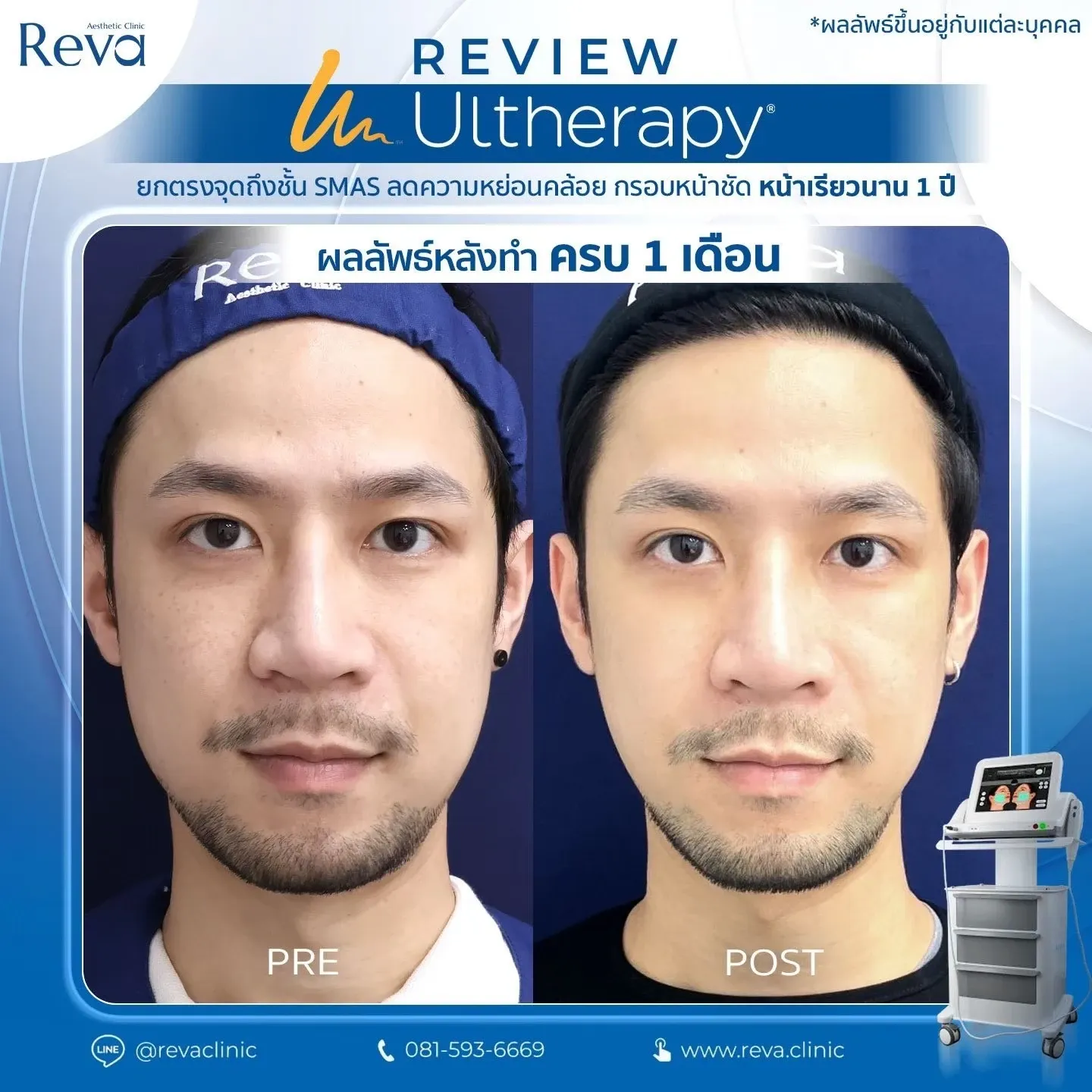
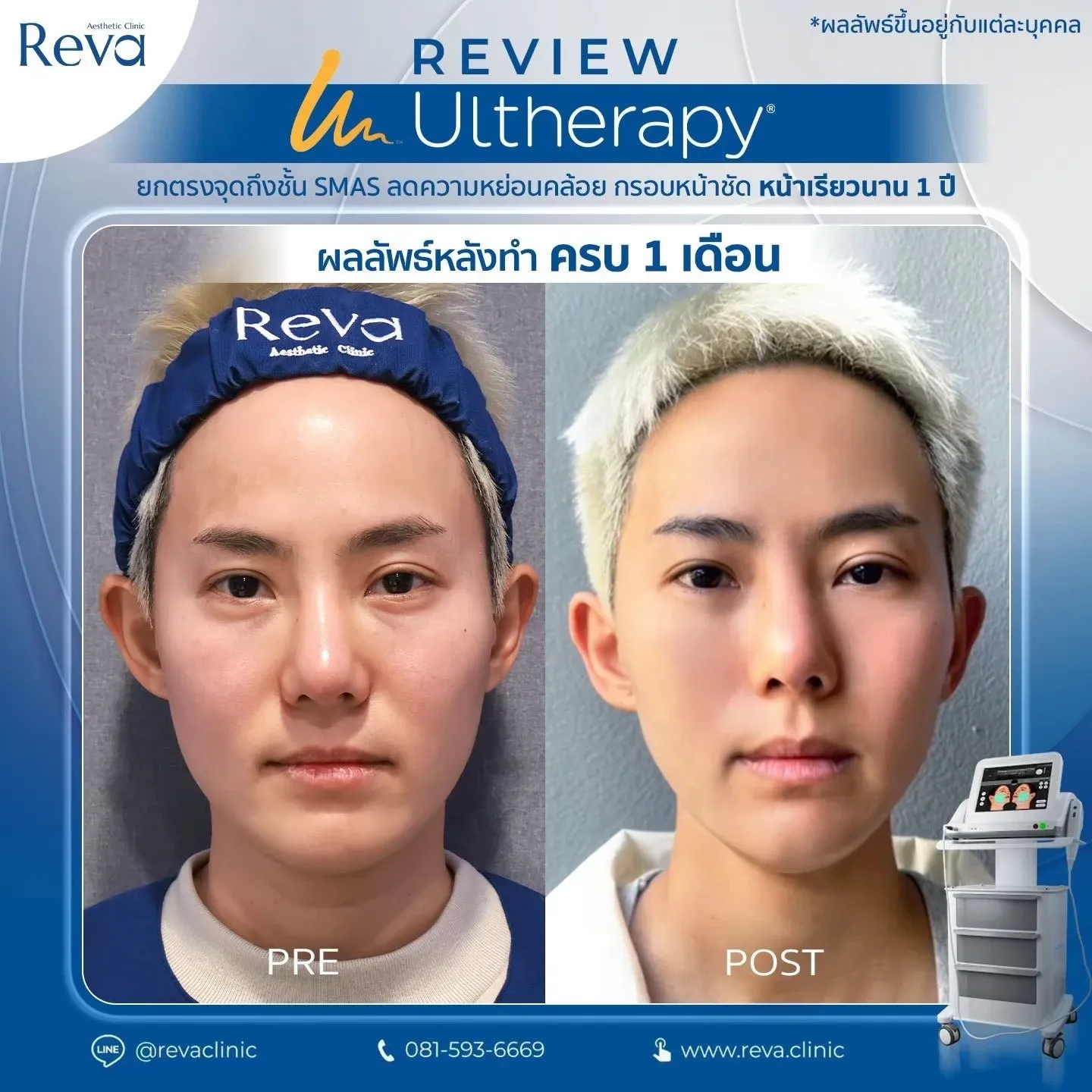
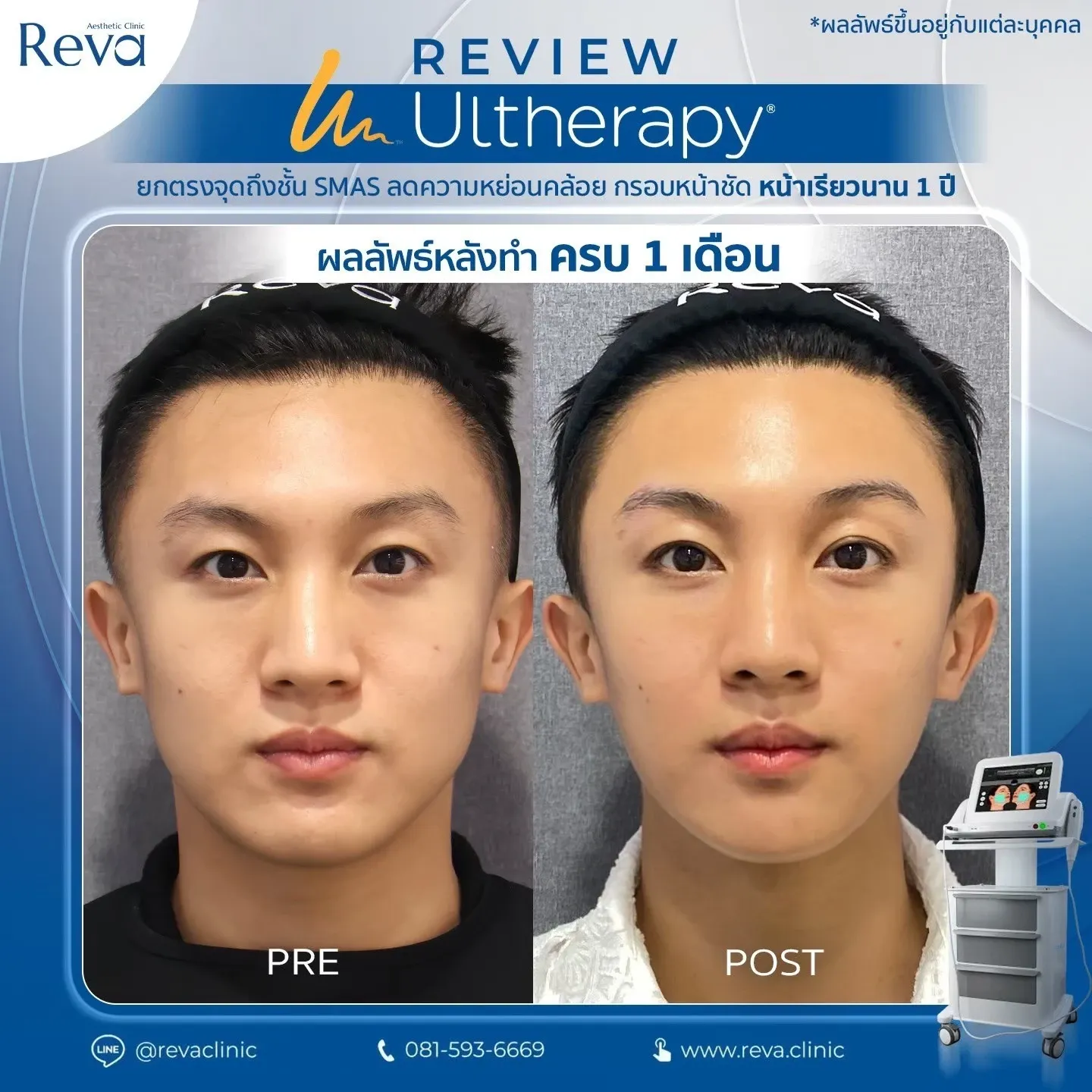
Following the treatment course, the study reported an average 1.7 mm increase in brow height, improvement in the submental area, and an 87% improvement rate as assessed by independent physician reviewers.
The authors proposed that this staged approach produced outcomes that were noninferior to a conventional single-session protocol within this pilot study.
This suggests that the number of lines delivered in one session is not the only factor that determines treatment outcomes.
Why Is Real-Time Visualization Important?
One of the key features of Ultherapy is the ability to visualize tissue beneath the skin using ultrasound during treatment.
Skin thickness, fat distribution, and the depth of the SMAS can vary significantly between individuals—and even between different areas of the same face.
With the Hi5 Protocol, ultrasound visualization helps the physician assess the underlying anatomy and select an appropriate treatment depth.
The concept therefore shifts from:
“Deliver more lines”
to:
“Deliver each line to the appropriate tissue layer and treatment area.”
Not Every Face Needs the Same Protocol
A patient with jawline laxity may require a different treatment plan from someone whose main concern is brow descent or submental laxity.
Even within the same face, different areas may have different degrees of superficial and deep tissue laxity.
Therefore, the number of lines, treatment depth, number of passes, treatment areas, and number of sessions can be adjusted according to the individual.
The key concept is simple:
Different faces. Different needs. Different protocols.
Are 200–300 Lines Enough for Everyone?
Not necessarily.
The Hi5 Protocol does not mean that 280 lines is the ideal number for every patient, nor does it prove that fewer lines are always better than more lines.
Instead, the study demonstrates that it may not be necessary to deliver a very large number of treatment lines all at once to achieve visible improvement.
Treatment can be individualized and, when appropriate, divided across multiple sessions.
It is also important to recognize that the Hi5 study was a small pilot study, with only 10 participants included in the final analysis. Larger clinical studies are needed before drawing broader conclusions.
The appropriate number of lines should therefore still be determined according to each patient’s anatomy, degree of laxity, treatment area, and physician assessment.
More Lines Don’t Always Mean Better Results
When considering the Ulthera Program, perhaps the better question is no longer simply:
“How many lines do I need?”
but rather:
“Are those lines being delivered to the right areas and at the appropriate tissue depths?”
The Hi5 Protocol reflects a more individualized approach to Ultherapy, combining assessment of tissue laxity with Real-Time Ultrasound Visualization to guide treatment depth, energy placement, number of passes, and treatment sessions.
Ultimately, Ultherapy should not be about achieving the highest possible number of lines.
It should be about using an appropriate number of lines, at the appropriate depth, in the appropriate areas, for each individual face.
Dr. Bank, Songsak Suksantilap, M.D. (55316), attended Prime The Future Forum 2026 to stay updated on the latest techniques in aesthetic lifting.
Reference
Corduff N, Lowe S. Hi5 Protocol for the Use of Microfocused Ultrasound with Visualization. Plastic and Reconstructive Surgery – Global Open. 2023;11(8):e5184. doi:10.1097/GOX.0000000000005184.
Related Articles
3 Months Before New Year: Your Aesthetic Treatment Timeline | Reva Clinic
Planning to look your best for New Year? Explore a 3-month aesthetic timeline for lifting, Botox, fillers and skin treatments, including when to start each treatment.
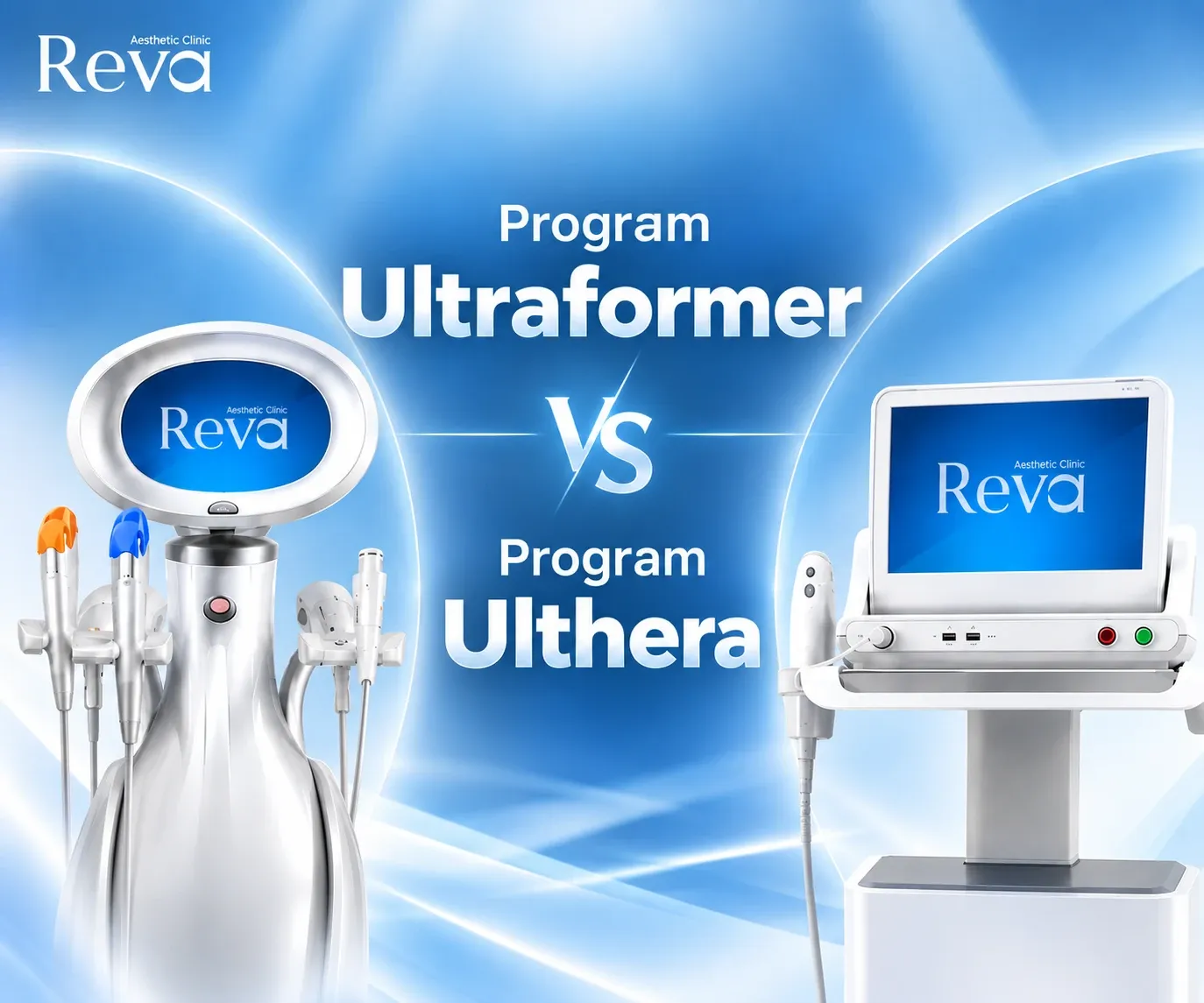
Program Ultraformer MPT vs Program Ulthera: What’s the Difference and Which Is Right for You? | Reva Clinic
Program Ultraformer MPT vs Program Ulthera: compare treatment depth, the 6.0 mm cartridge, real-time ultrasound visualization, and energy delivery to understand which approach may better suit your facial anatomy.
Does Program Ulthera Hurt? What to Know If You Are Afraid of Pain | Reva Clinic
Does Program Ulthera hurt? Learn what affects discomfort, how pain can be managed, and why Reva Clinic uses an approximately 2-hour topical numbing protocol before treatment.
rogram Ulthera Near Siam Square: What to Look for When Choosing a Clinic | Reva Clinic
Looking for Program Ulthera near Siam Square? Learn what to check before choosing a clinic, including real-time ultrasound, personalized treatment, pain management, and treatment experience.
Pre-Wedding Face Treatments: When Should You Start? | Reva Clinic Bangkok
When should you start facial treatments before your wedding? Explore a 6–12 month pre-wedding timeline for Ulthera, Botox, fillers, lifting and skin-quality treatments at Reva Clinic Bangkok
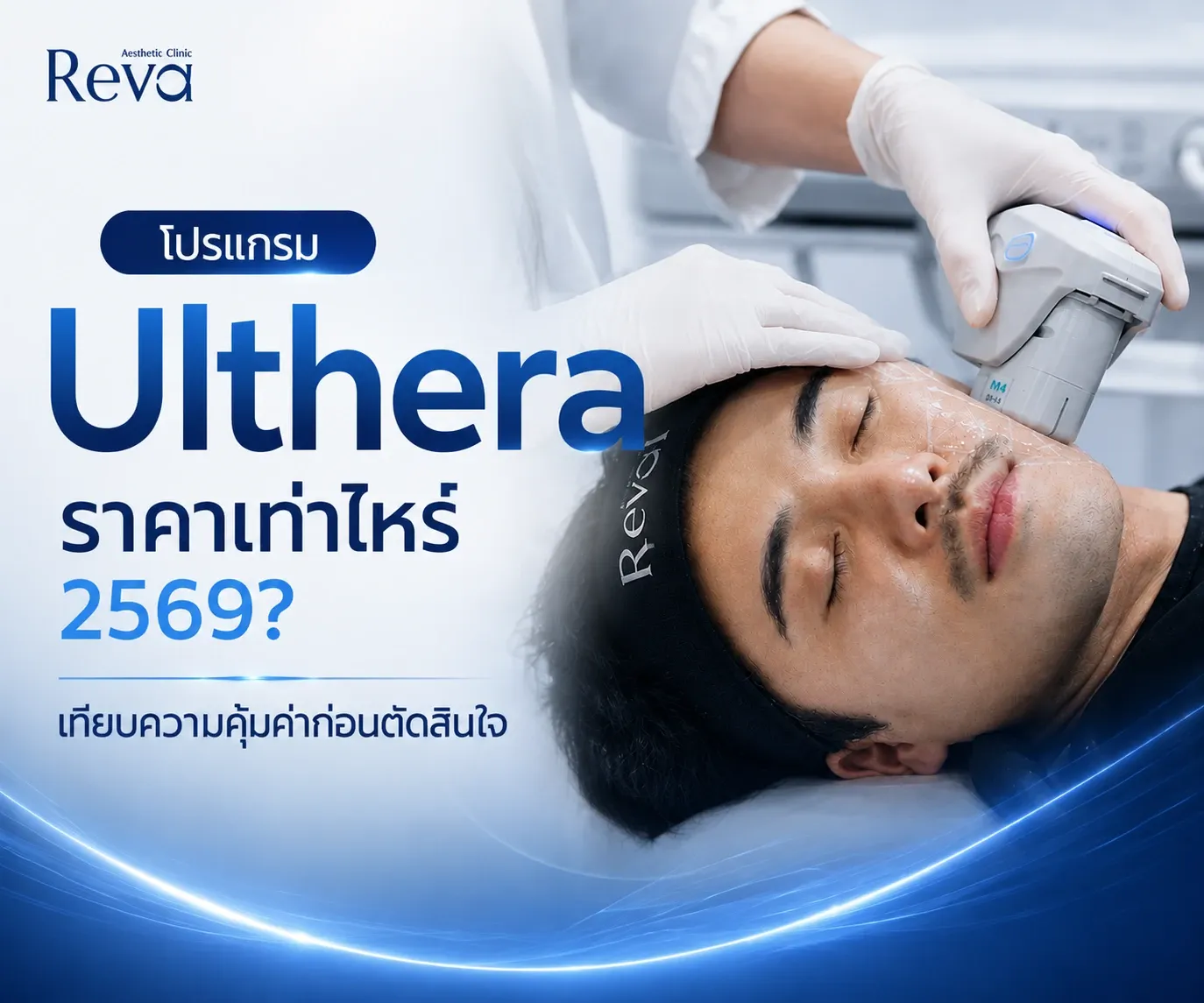
# How Much Does Ulthera Cost in 2026? Comparing Value Before You Decide
How much does the Ulthera Program cost in Thailand in 2026? Learn about pricing by treatment lines, how many lines you may need, and what to compare before deciding.
Why Ulthera Fails for Some Men: The Precision of Ulthera SPT & Real-Time Visualization
Many men invest in skin lifting treatments like Hifu or Ultraformer, only to see minimal results. The reason isn't your skin—it's the lack of precision.