Polynucleotide (PN) คืออะไร? คู่มือฉบับสมบูรณ์เกี่ยวกับการฟื้นฟูผิวด้วย DNA ล่าสุดปี 2026
What Is Polynucleotide (PN)? The Complete Guide to DNA-Based Skin Regeneration (2026 Update)
Dr. Songsak Suksantilap (Dr. Bank)
August 7, 2026 · Reading time 10 minutes
Share
What Is Polynucleotide (PN)?
Over the past few years, Polynucleotide (PN) has become one of the most widely discussed topics in aesthetic medicine worldwide, particularly in South Korea, Japan, Europe, and Thailand. This growing interest is driven by an increasing number of clinical studies highlighting the role of PN in skin regeneration, shifting the focus beyond traditional volume restoration toward improving overall skin quality.
Originally developed for wound healing and tissue repair, Polynucleotide was later introduced into aesthetic medicine because of its potential to rejuvenate the skin, reduce fine wrinkles, improve elasticity, and restore healthier-looking skin through natural regenerative processes.
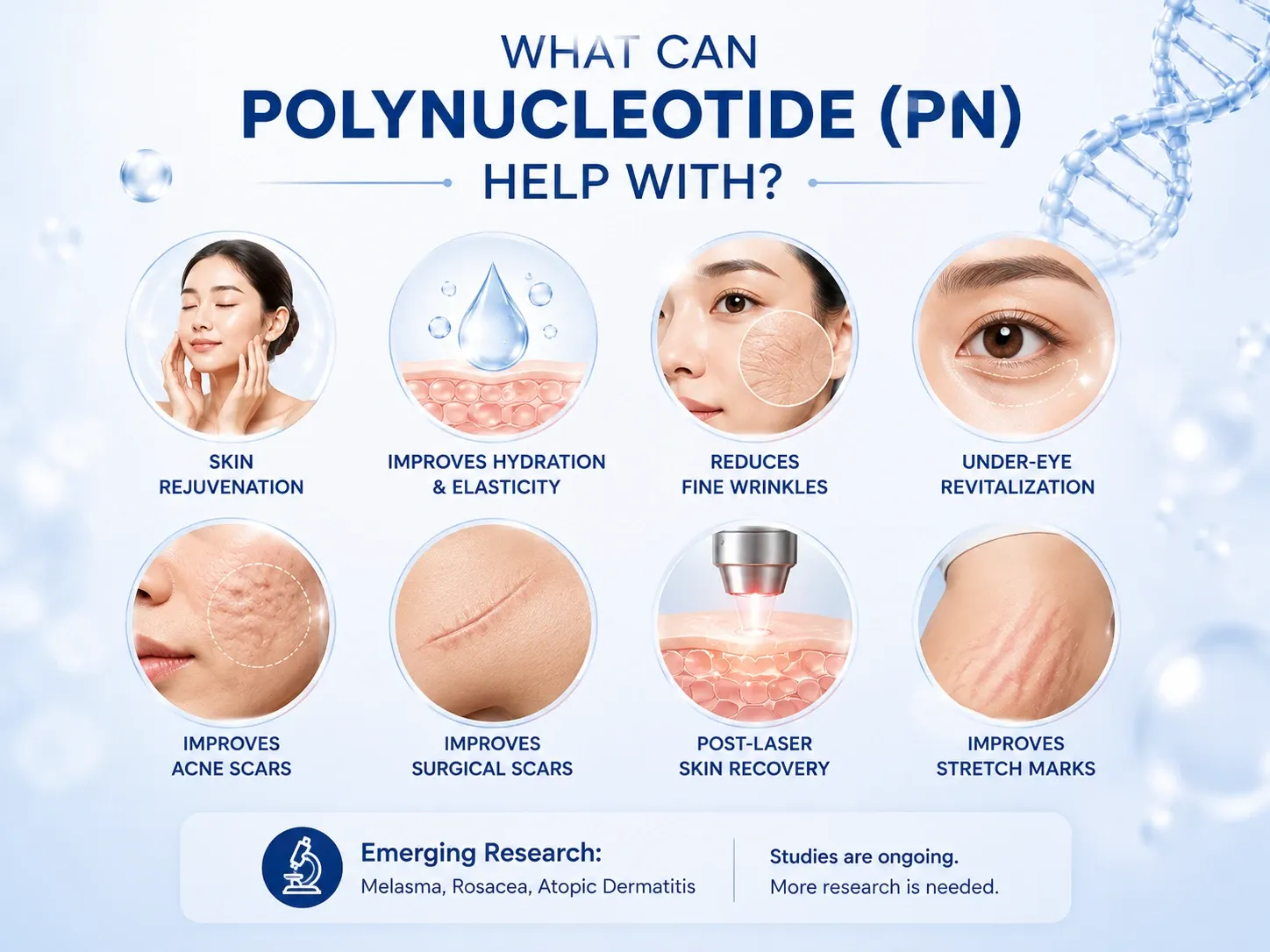
Today, PN is used for a wide range of aesthetic and dermatologic indications, including:
Skin rejuvenation
Fine wrinkles
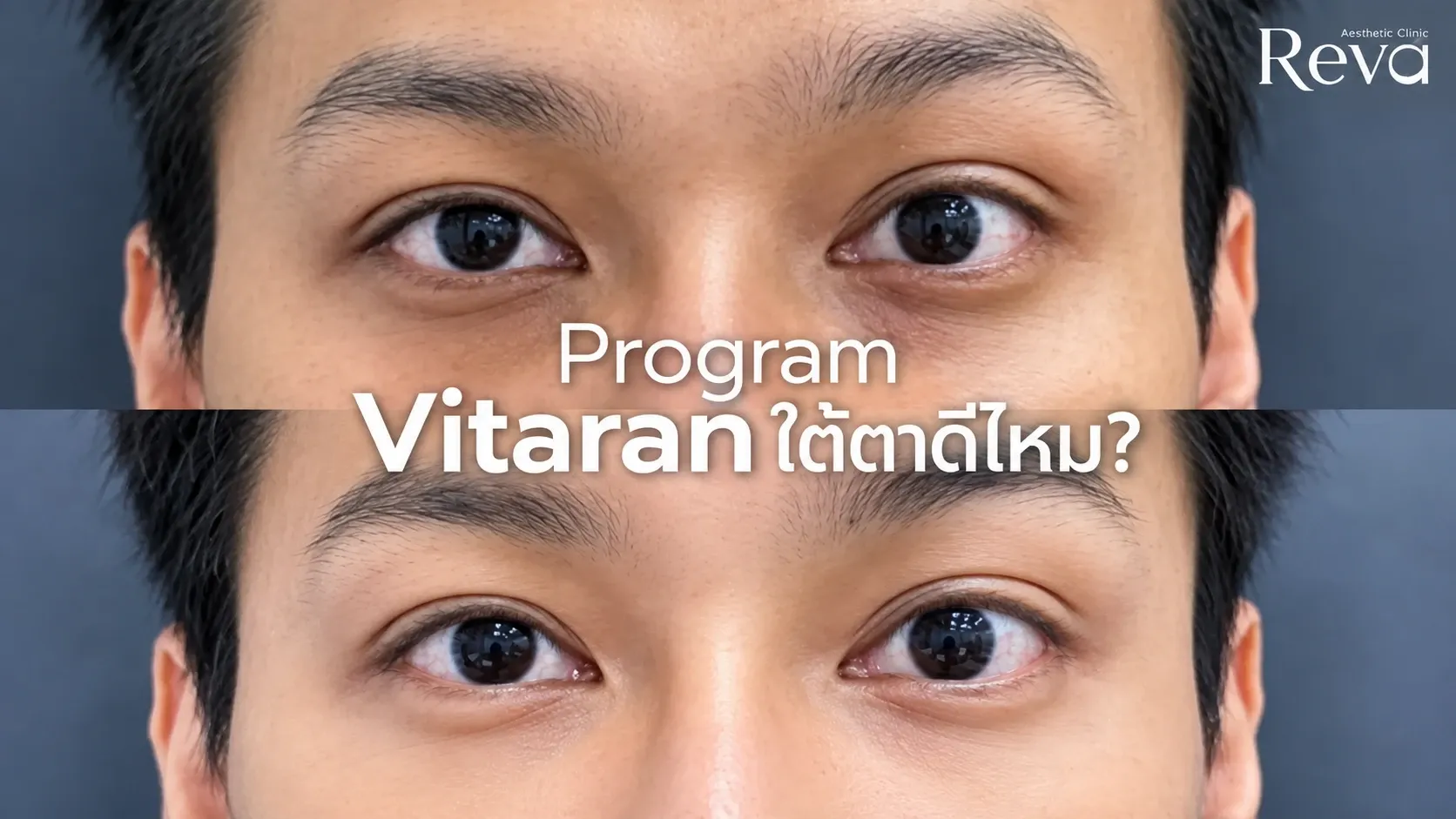
Under-eye rejuvenation
Acne scars
Surgical scars
Photoaged skin
Stretch marks
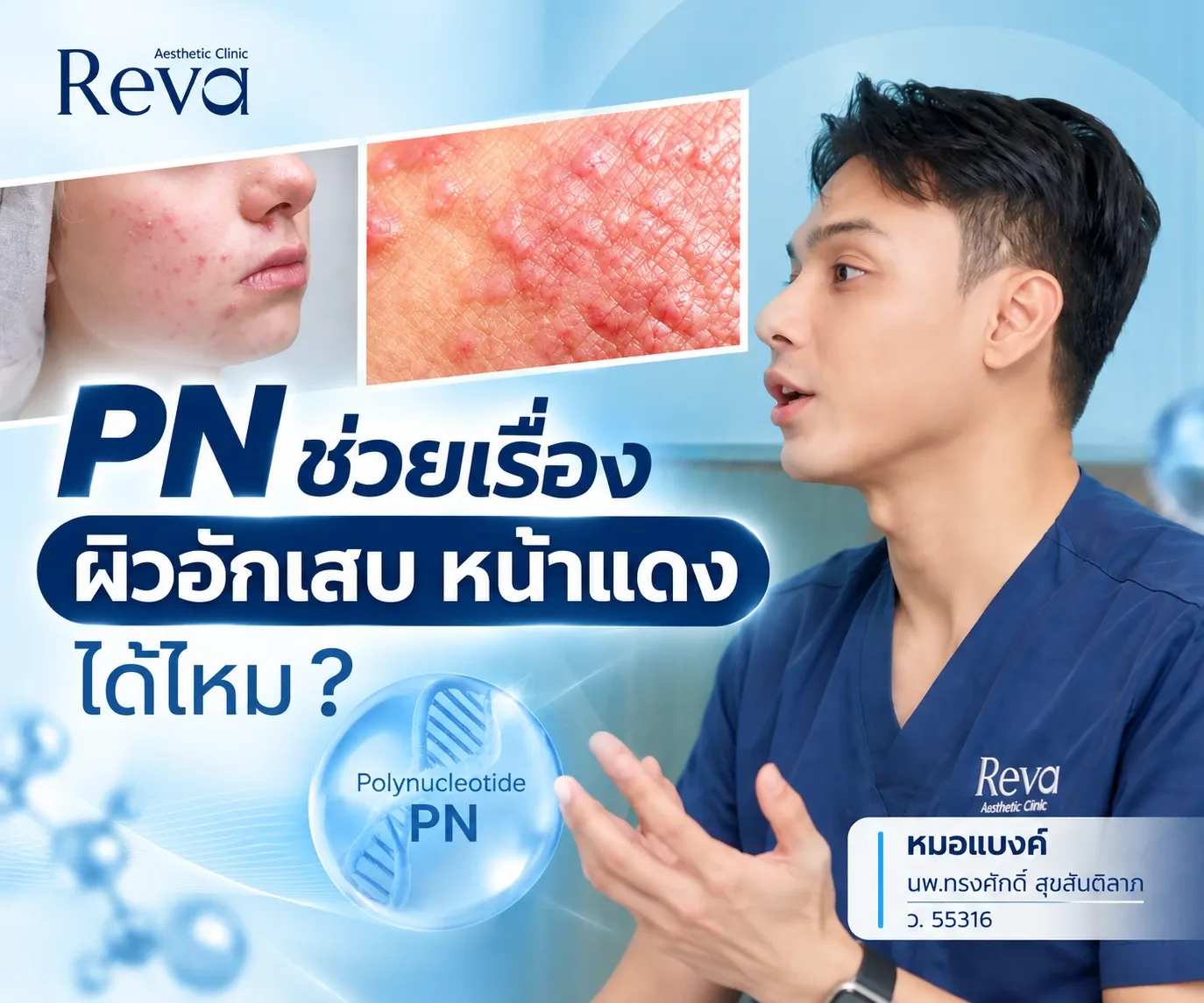
Emerging research is also investigating its potential role in treating several inflammatory skin conditions, including rosacea, atopic dermatitis, and melasma.
What Is Polynucleotide?
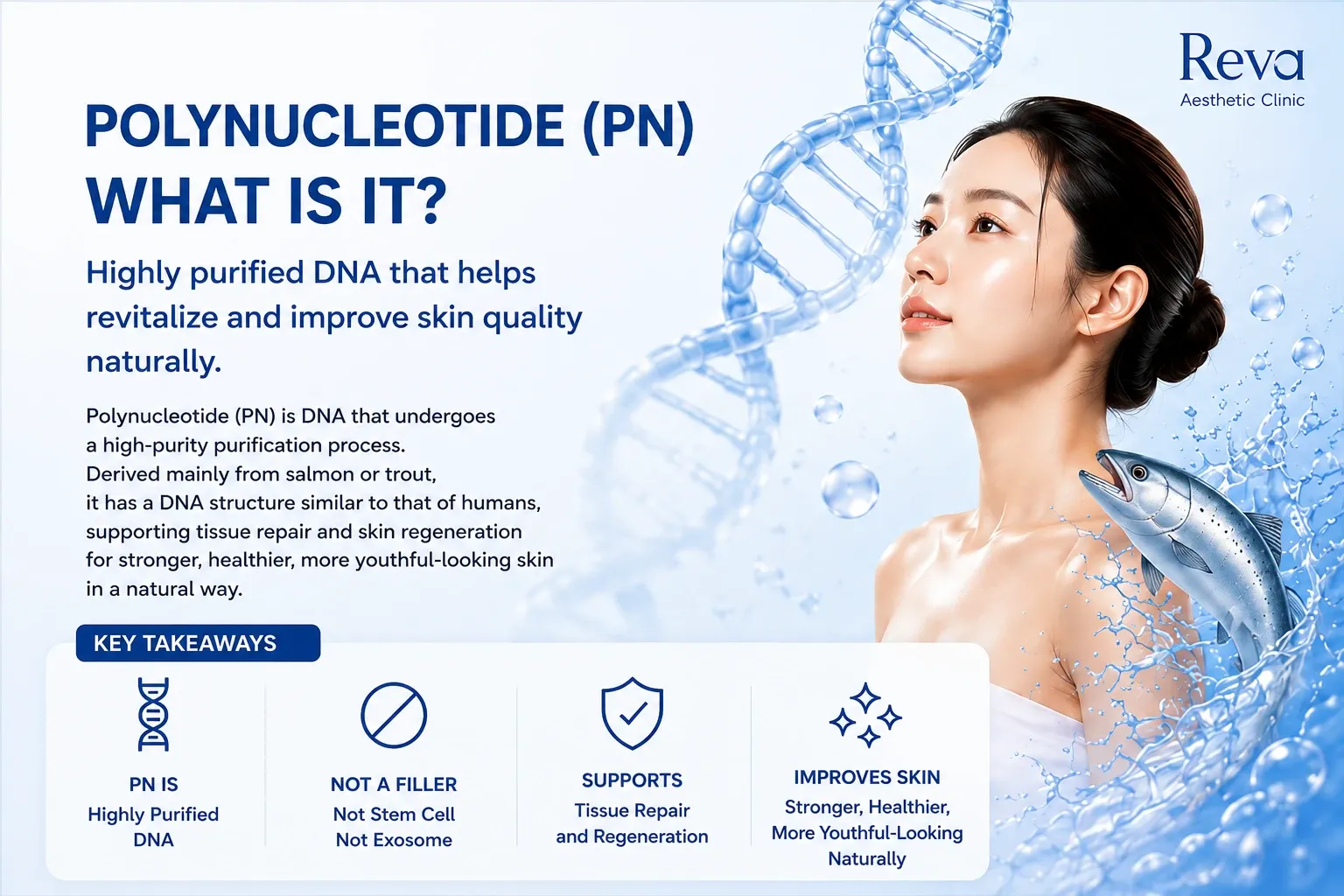
Polynucleotide (PN) is a highly purified chain of deoxyribonucleic acid (DNA). Most commercially available PN products are manufactured from salmon or trout DNA, which undergoes rigorous purification processes to remove proteins and other impurities, leaving only highly purified DNA suitable for medical use.
Although PN is derived from fish DNA, it is important to understand that it is not an injection of fish cells, fish tissue, or stem cells. Instead, it is a highly purified biological material produced under strict pharmaceutical manufacturing standards for medical applications.
Polynucleotide Is Not a Filler
One of the most common misconceptions is that Polynucleotide (PN) is simply another type of dermal filler.
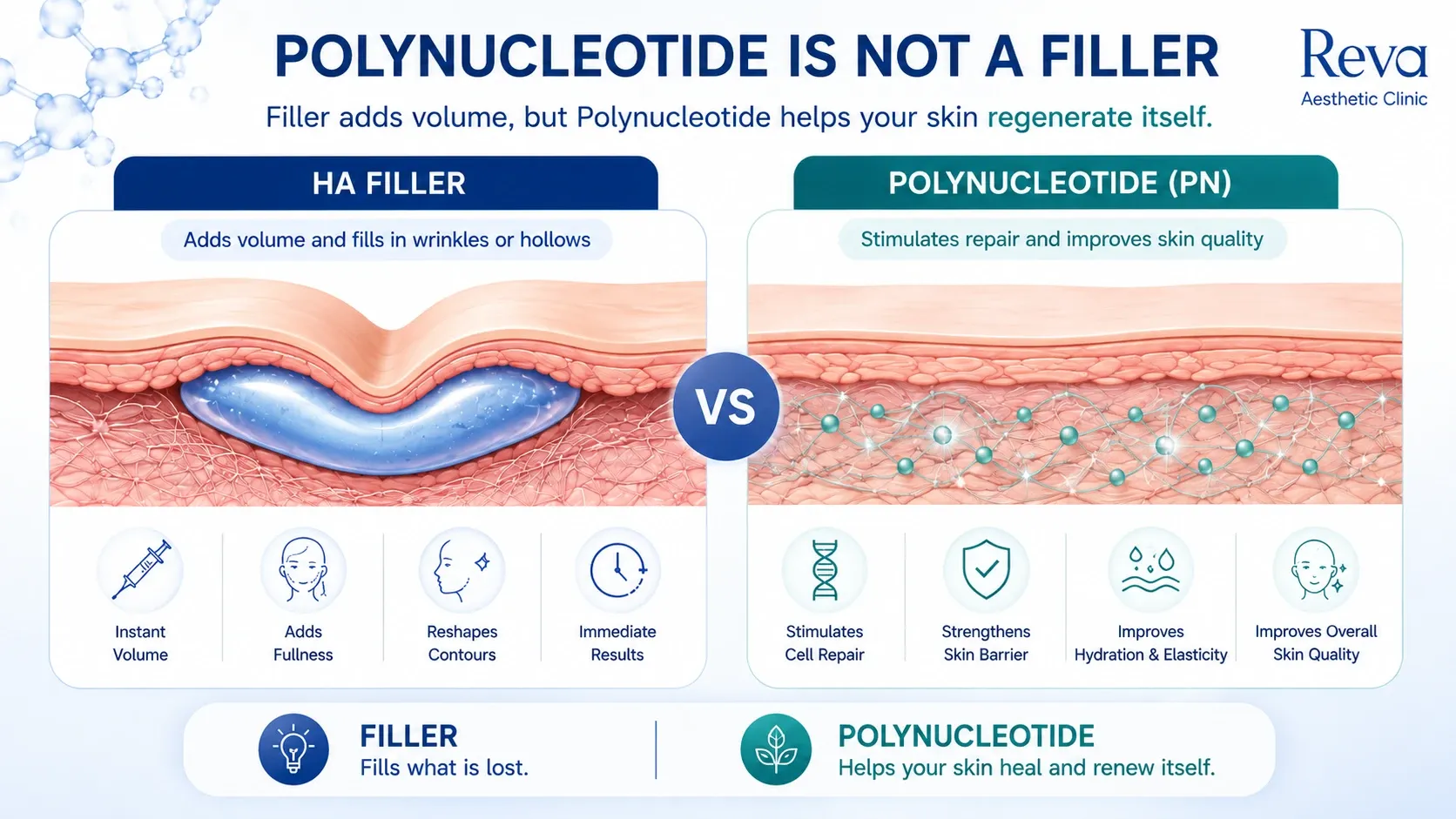
In reality, although both are injectable treatments delivered into the skin, Polynucleotide and Hyaluronic Acid (HA) fillers are designed for fundamentally different purposes.
HA fillers work by restoring lost volume, filling wrinkles and hollows, and enhancing facial contours.
Polynucleotide (PN), on the other hand, is not intended to add facial volume. Instead, it supports the body's natural tissue repair processes, promoting skin regeneration and improving overall skin quality through biological remodeling.
Simply put,
Dermal fillers replace lost volume. Polynucleotides help the skin regenerate itself.
Why Is Polynucleotide Becoming More Popular?
Traditionally, aesthetic treatments focused primarily on adding volume or lifting sagging tissues to reduce the visible signs of aging.
Today, however, aesthetic medicine is shifting toward the concept of
Regenerative Aesthetics
—an approach that encourages the skin to repair and regenerate itself naturally.
Rather than simply creating a fuller appearance, regenerative treatments aim to improve the health, structure, and function of the skin, resulting in more natural and longer-lasting outcomes.
For this reason, Polynucleotide has attracted considerable attention as one of the most promising regenerative biomaterials, supported by a growing body of scientific and clinical evidence.
What Can Polynucleotide Help Improve?
Current clinical evidence suggests that Polynucleotide may provide benefits in several aesthetic indications, although the strength of evidence varies depending on the condition.
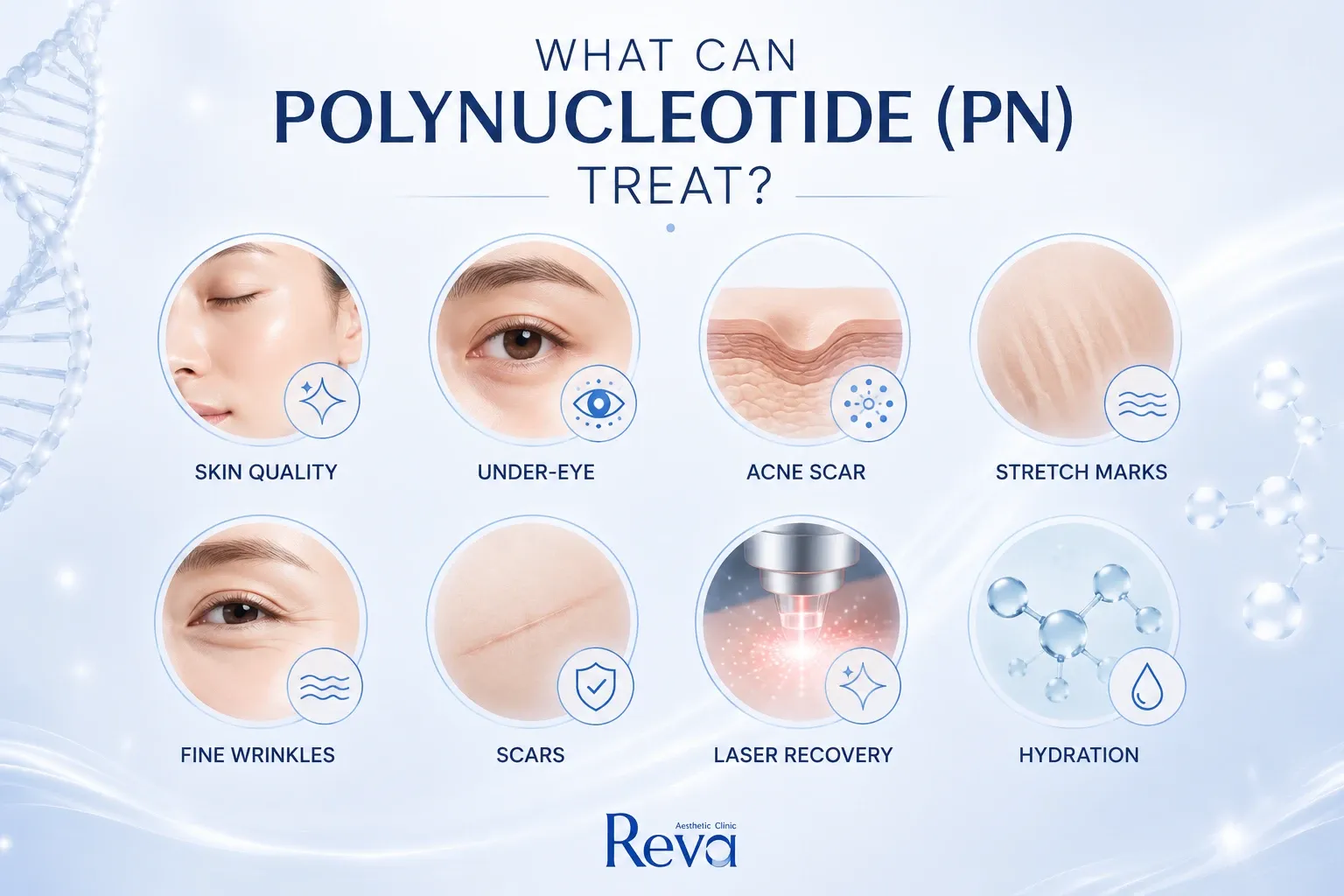
Potential applications include:
Skin rejuvenation
Improved skin hydration and elasticity
Reduction of fine wrinkles
Under-eye rejuvenation
Selected types of acne scars
Surgical scar improvement
Post-laser skin recovery
Stretch marks
Research into dermatologic conditions such as melasma, rosacea, and atopic dermatitis is still in its early stages, and additional well-designed clinical studies are needed before definitive conclusions can be drawn regarding their efficacy.
Polynucleotide (PN) is a highly purified DNA-based biomaterial developed to support tissue repair and skin regeneration.
Unlike dermal fillers, which are designed primarily to restore facial volume, Polynucleotide works by promoting the skin's natural regenerative processes. As a result, it has become one of the most promising treatment options within the rapidly evolving field of Regenerative Aesthetic Medicine, supported by an expanding body of scientific evidence.
How Does Polynucleotide (PN) Work? Understanding Skin Regeneration at the Cellular Level
After learning what Polynucleotide (PN) is, you may still wonder:
“How can strands of DNA actually help improve the skin?”
The answer is that Polynucleotide does not work like a dermal filler that physically fills wrinkles or depressions. Nor does it work in exactly the same way as conventional collagen biostimulators, which stimulate tissue remodeling partly through a controlled inflammatory response.
Instead, PN acts more like “a supportive environment that helps the skin repair itself more effectively.”
For this reason, Polynucleotide treatment is often discussed within the field of Regenerative Aesthetic Medicine — an approach that focuses on supporting the body’s natural capacity for tissue repair and regeneration.
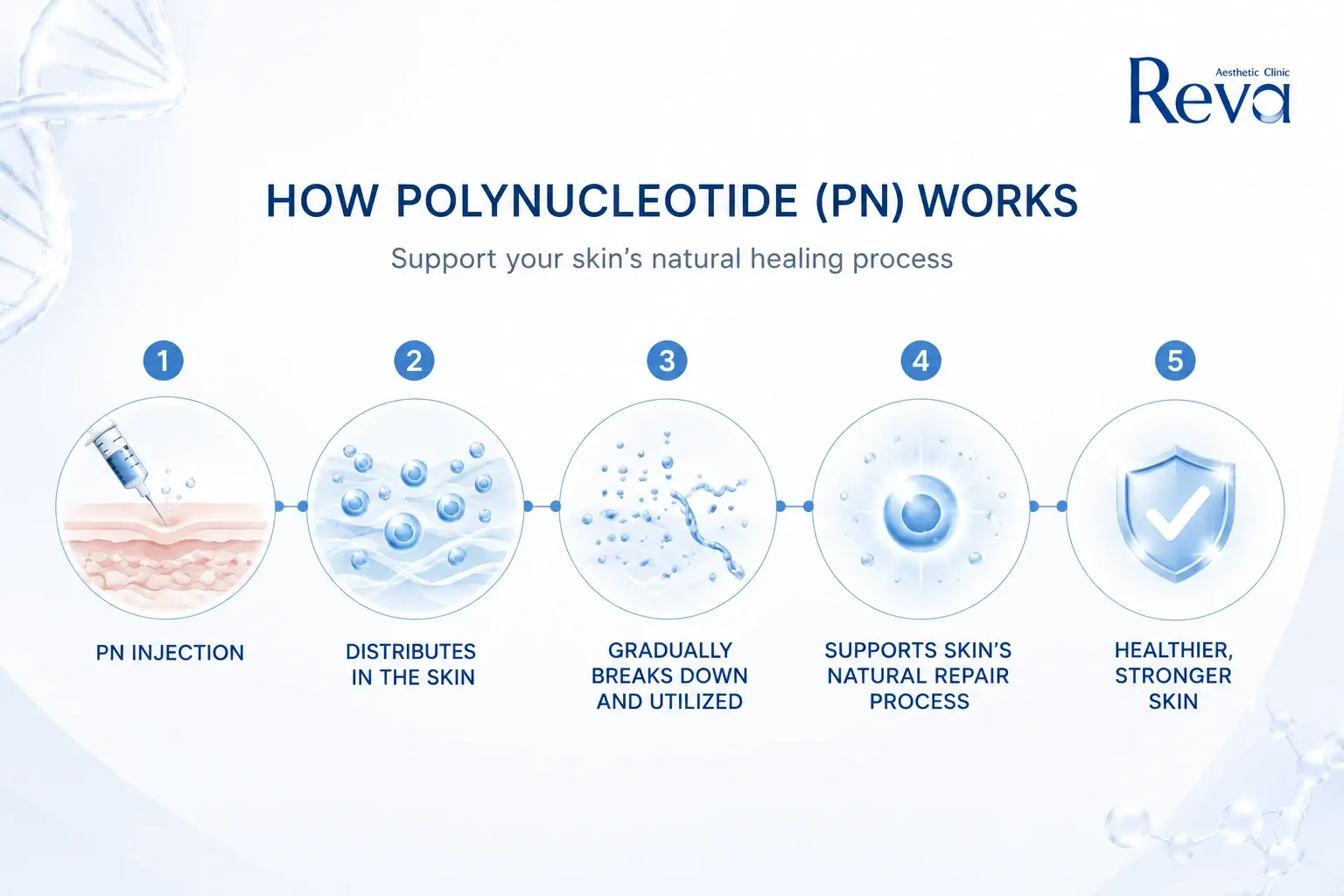
What Happens After Polynucleotide Is Injected into the Skin?
After injection into the dermis, PN molecules become distributed within the environment surrounding skin cells, known as the Extracellular Matrix (ECM).
The ECM can be thought of as the skin’s structural framework. It provides physical support for cells while also creating an environment in which cells interact, communicate, and exchange important biological signals.
Over time, Polynucleotide is gradually broken down by the body into smaller components that may participate in the body’s natural tissue-repair processes.
In other words, PN does not directly “build” collagen itself. Instead, it may help create a biological environment that is more favorable for tissue recovery and regeneration.
Polynucleotide Does Not Directly Produce Collagen
You may often hear that:
“PN stimulates collagen production.”
This is not necessarily incorrect, but it does not tell the whole story.
Polynucleotide does not simply enter the skin and directly instruct the body to produce collagen.
Rather, PN appears to support a tissue environment that is more favorable for repair and regeneration.
When the skin is in a more supportive regenerative environment, fibroblasts — the cells responsible for producing collagen and other components of the extracellular matrix — may function more effectively.
Collagen production may therefore be better understood as a downstream result of improved tissue regeneration, rather than the sole or primary function of Polynucleotide.
Clinical Pearl
Polynucleotide does not directly produce collagen. Instead, it may help create conditions that allow the body to repair tissue and support collagen production more effectively.
How Does Polynucleotide Work?
Although the complete mechanism of action of Polynucleotide (PN) has not yet been fully established, current scientific evidence suggests that PN may support skin regeneration through multiple biological pathways rather than a single mechanism.
Among the proposed mechanisms, two important concepts have received particular attention:
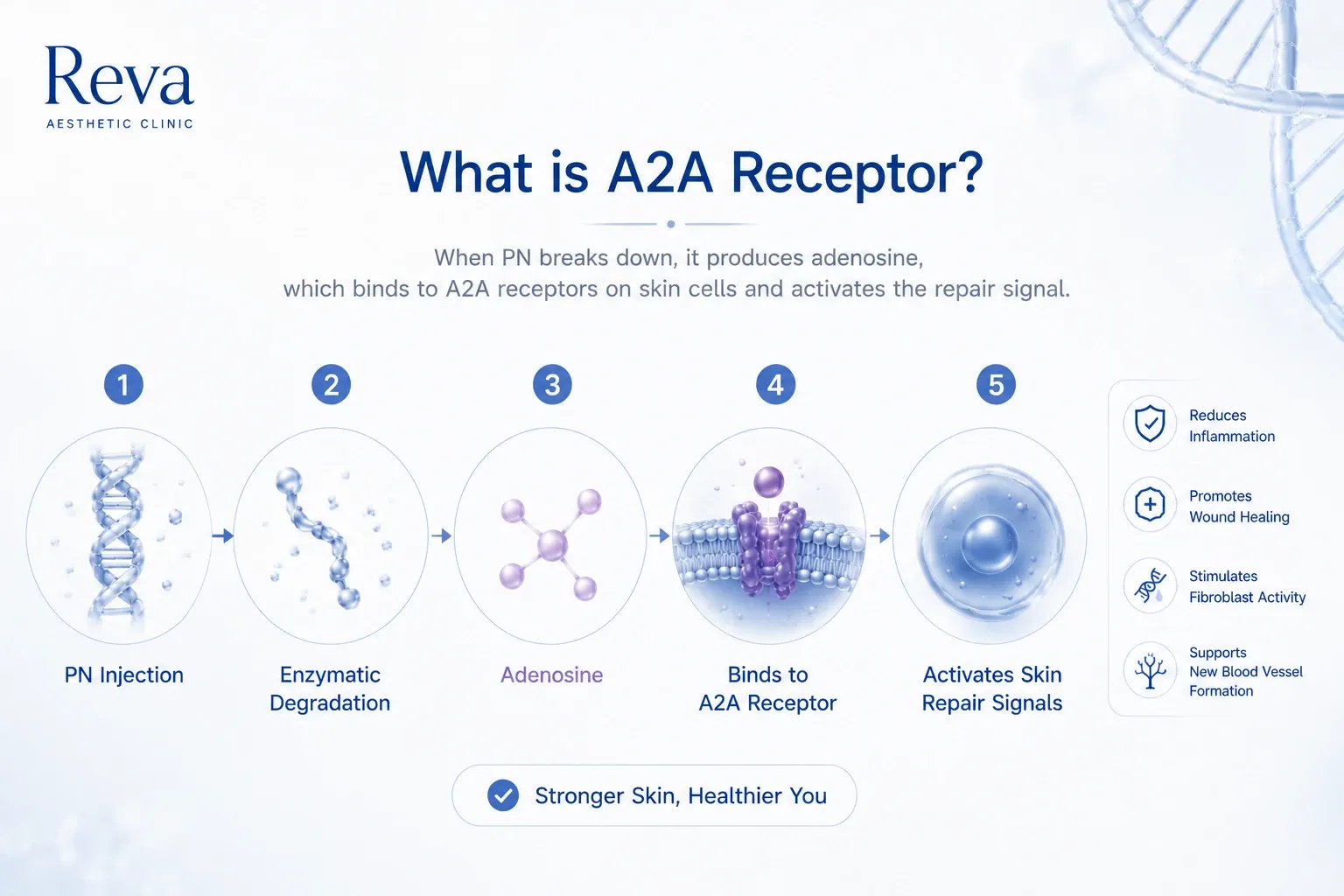
1. Adenosine A2A Receptor Signaling
As Polynucleotide is gradually degraded within the body, its breakdown products may contribute to pathways involving adenosine signaling.
Adenosine can interact with specific receptors on cells, including the A2A receptor, activating biological signals associated with inflammation modulation, tissue repair, fibroblast activity, and wound healing.
2. Supporting the Nucleotide Salvage Pathway
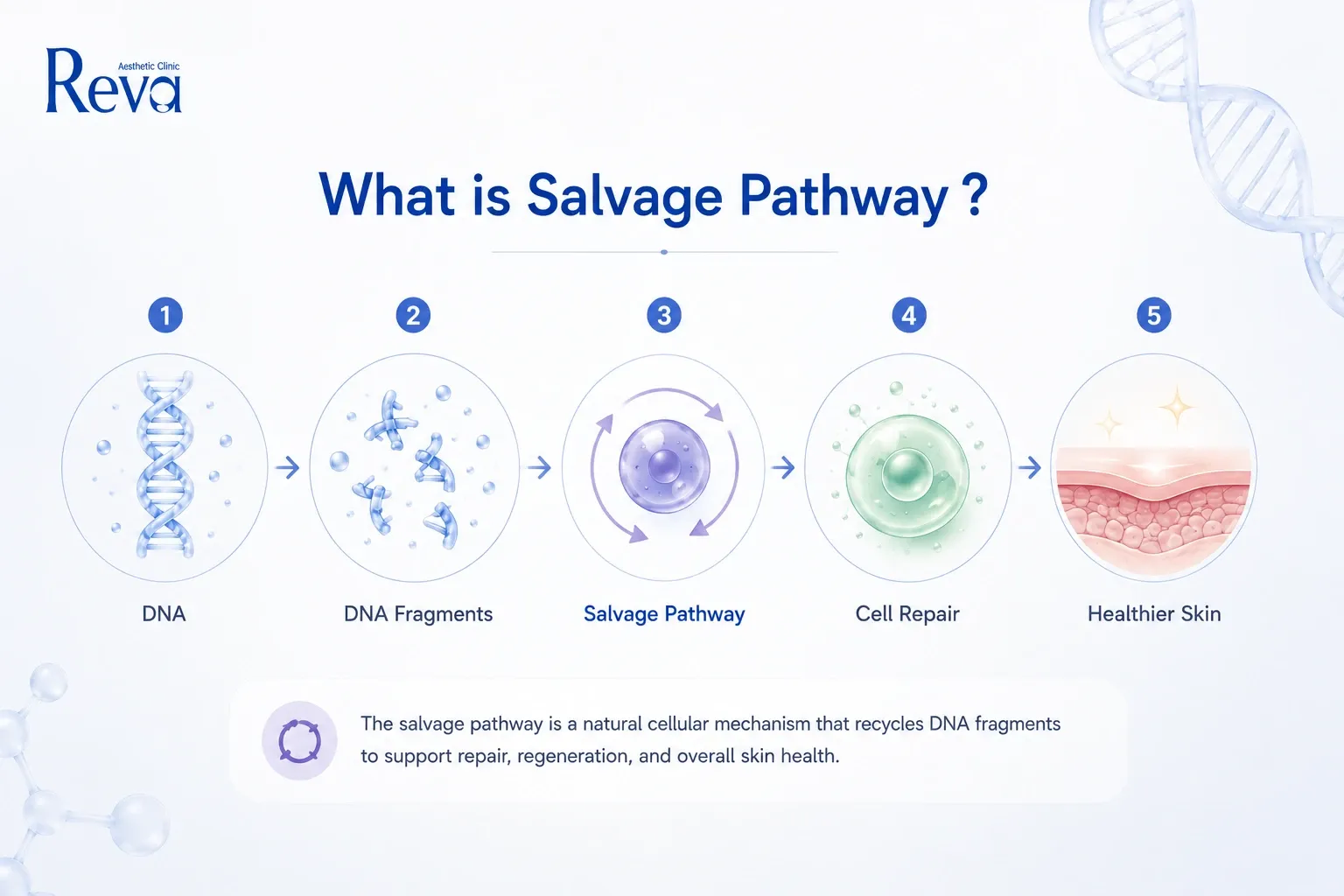
Polynucleotide may also provide nucleotide-related building blocks that cells can potentially reuse for DNA synthesis and cellular repair through a process known as the nucleotide salvage pathway.
This pathway allows cells to recycle existing molecular components rather than synthesizing all nucleotides from scratch, potentially supporting tissue repair in metabolically demanding conditions.
Both mechanisms remain under investigation. Much of the mechanistic evidence currently comes from laboratory and animal studies rather than direct clinical studies in humans. Nevertheless, several studies support the possibility that these pathways contribute to the regenerative effects associated with Polynucleotide.
What Is the A2A Receptor?
To explain it simply, imagine that every cell has a “doorbell.”
That doorbell is called a receptor.
As Polynucleotide is broken down, its degradation products may contribute to increased availability of molecules involved in adenosine signaling.
Think of adenosine as a key.
When this key interacts with the A2A receptor, it can activate signaling pathways within the cell that are associated with tissue repair and regulation.
In simple terms, the signal may tell the surrounding tissue:
“It is time to support repair and recovery.”
Research suggests that A2A receptor activation may be involved in several biological processes, including:
Modulation of inflammation
Support of wound healing
Regulation of fibroblast activity
Promotion of angiogenesis, or the formation of new blood vessels
However, this proposed mechanism is still being investigated, and current evidence is not sufficient to conclude that A2A receptor signaling is the primary mechanism responsible for the clinical effects of PN in humans.
What Is the Salvage Pathway?
When cells are damaged or undergoing repair, they require significant amounts of biological material to restore cellular structures and synthesize new DNA.
Cells can produce nucleotides from scratch through the de novo synthesis pathway, but this process requires considerable energy.
There is another option:
Cells can recycle existing nucleotide components and reuse them.
This process is known as the nucleotide salvage pathway.
An easy way to understand this is to think of recycling construction materials.
Instead of manufacturing every new brick from raw materials, usable components from existing structures can be recovered and reused — potentially saving both energy and resources.
Researchers have therefore proposed that breakdown products derived from Polynucleotide may provide nucleotide-related components that cells can reuse through salvage pathways during tissue repair.
However, this proposed mechanism remains under investigation, and further human studies are needed to determine its clinical significance.
Summary
Although several aspects of Polynucleotide’s mechanism of action are still being investigated, current evidence suggests that PN is unlikely to work through a single biological pathway.
Instead, it may support skin regeneration through several interconnected processes, including:
Creating a tissue environment that is more favorable for repair
Supporting fibroblast activity and extracellular matrix remodeling
Potential involvement in A2A receptor signaling
Potential provision of nucleotide-related building blocks through the salvage pathway
Supporting the skin’s natural tissue-repair and regenerative processes
For this reason, the effects of Polynucleotide should not be viewed as an immediate “filling” effect like that of a conventional dermal filler.
Instead, the goal is to support gradual improvements in skin quality, texture, resilience, and overall healthy appearance by enhancing the biological environment in which natural tissue repair takes place.
What Can Polynucleotide (PN) Help With? What Medical Evidence Says in 2026
After understanding what Polynucleotide (PN) is and how it works, the next question many people have is:
What skin concerns can Polynucleotide (PN) treatment actually help improve?
Today, Polynucleotide injections are increasingly used in aesthetic medicine to support skin regeneration and improve various aspects of skin quality. However, it is important to understand that the level of medical evidence is not the same for every indication.
Some applications of PN treatment are supported by a growing body of clinical studies, while others remain at an early or emerging stage of research.
Therefore, the decision to use Polynucleotide should be based on both current scientific evidence and an individualized medical assessment by a qualified physician.
What Can Polynucleotide (PN) Be Used For?
Based on currently available medical evidence, the potential applications of Polynucleotide (PN) treatment can be broadly categorized according to the strength of supporting evidence.
⭐⭐⭐⭐⭐ Relatively Strong Clinical Evidence
Skin Rejuvenation
Fine Wrinkles
Skin Hydration
Skin Elasticity
Under-Eye Rejuvenation
These are among the most widely studied applications of Polynucleotide in aesthetic medicine. Clinical studies have reported improvements in several parameters related to skin quality, hydration, elasticity, texture, and fine wrinkles.
⭐⭐⭐⭐ Moderate Clinical Evidence
Acne Scars — particularly when combined with treatments such as Subcision, Fractional Laser, or Microneedling
Post-Laser Skin Recovery
Surgical Scars
Stretch Marks
For these indications, Polynucleotide may be used as part of a combination treatment approach to support tissue repair and skin regeneration.
However, the available clinical evidence is currently less extensive than that for general skin rejuvenation.
⭐⭐ Emerging Evidence / Still Under Investigation
Melasma
Rosacea
Atopic Dermatitis
Hair Regeneration
Research into these applications is still developing.
Although preliminary studies and proposed biological mechanisms suggest that Polynucleotide may have potential roles in these conditions, current evidence remains limited, and further well-designed clinical studies are needed before definitive conclusions can be made.
Clinical Pearl
Polynucleotide (PN) is being explored for a wide range of aesthetic and regenerative indications, but this does not mean that every application is supported by the same level of clinical evidence.
Treatment should therefore be selected according to the individual skin concern, available scientific evidence, and physician assessment.
Skin Rejuvenation
Skin rejuvenation is one of the most studied applications of Polynucleotide (PN) in aesthetic medicine.
Clinical studies suggest that Polynucleotide injections may help improve several aspects of overall skin quality, including:
Skin smoothness
Skin hydration
Skin elasticity
Skin radiance
Skin texture
Unlike treatments that provide an immediate volumizing effect, the benefits of PN are generally gradual and regenerative in nature.
Improvements in skin quality may become progressively noticeable over several weeks following treatment and may continue to develop when treatments are performed according to an appropriate treatment protocol.
Overall, PN treatment is primarily used to support natural skin regeneration and improve overall skin quality, rather than to significantly alter facial volume or structure.
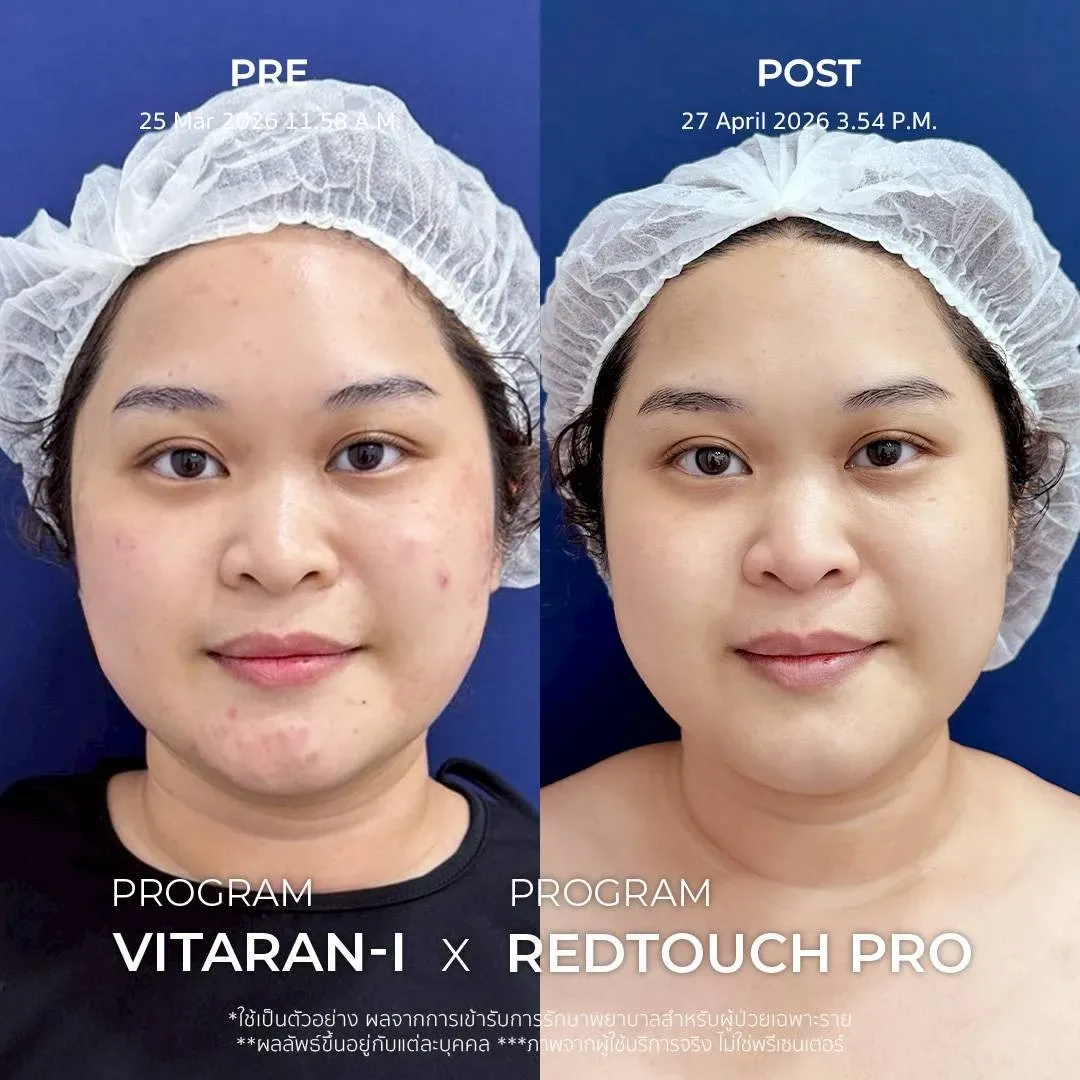
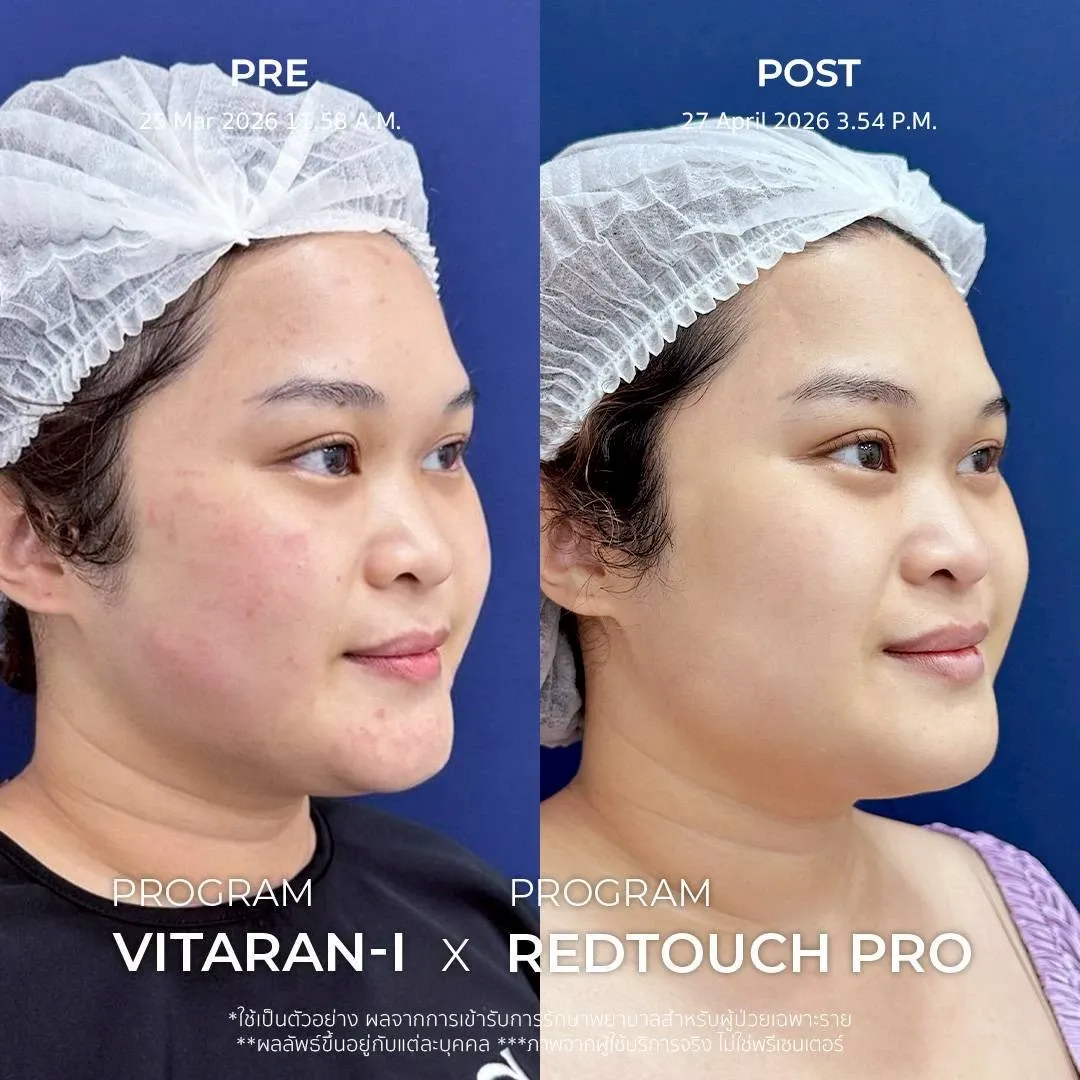
Example of skin rejuvenation with Polynucleotide (PN) combined with RedTouch Pro. Individual results may vary.Example of skin rejuvenation with Polynucleotide (PN) combined with RedTouch Pro. Individual results may vary.
Fine Wrinkles
Polynucleotide (PN) does not reduce wrinkles immediately in the same way as botulinum toxin.
Instead, PN focuses on improving overall skin quality and regeneration. As the skin becomes better hydrated, more elastic, and healthier in appearance, fine lines and superficial wrinkles may gradually appear less visible.
Common treatment areas include:
Under-eye area
Cheeks
Around the mouth
Neck
The improvement is typically gradual and is primarily related to enhanced skin quality rather than muscle relaxation or immediate wrinkle correction.
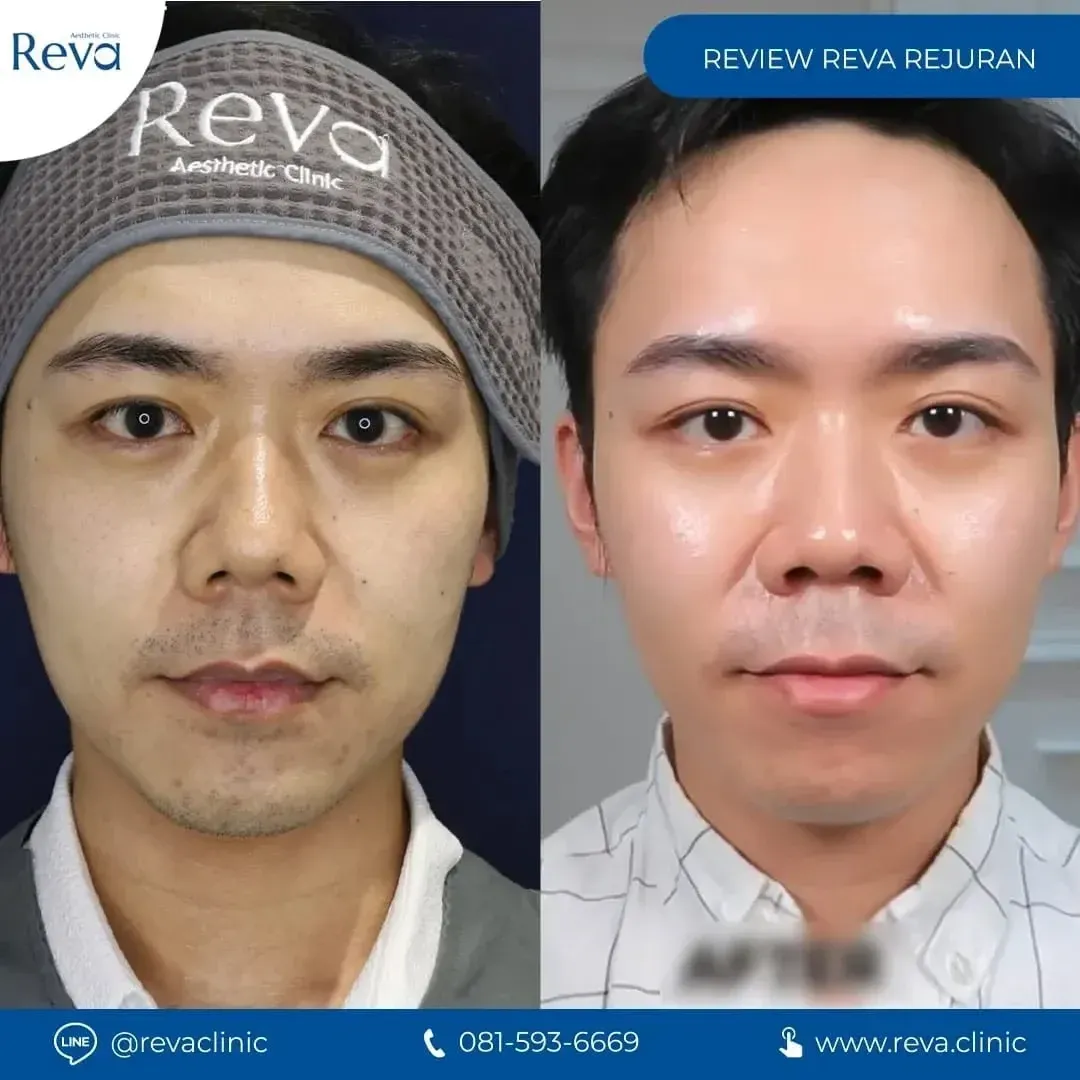
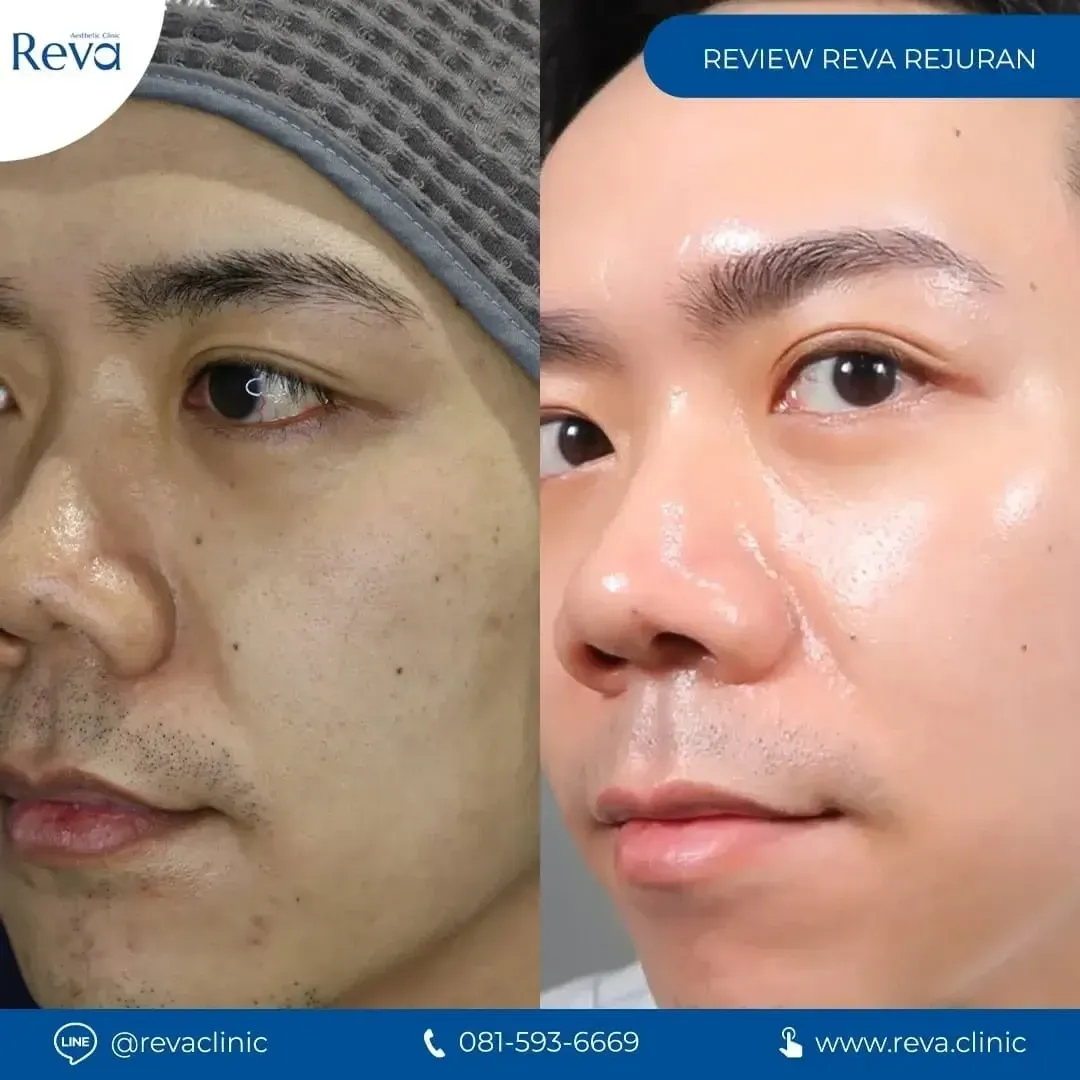
Example of results after Polynucleotide (PN) treatment, showing improvements in skin smoothness, hydration, and the appearance of fine wrinkles.Example of results after Polynucleotide (PN) treatment, showing improvements in skin smoothness, hydration, and the appearance of fine wrinkles.
Under-Eye Rejuvenation
The under-eye area is one of the most commonly treated areas with Polynucleotide (PN) in aesthetic medicine.
The skin around the eyes is thinner and more delicate than many other areas of the face, making it particularly susceptible to changes in skin texture, hydration, and fine wrinkles.
Clinical studies suggest that Polynucleotide treatment may help improve:
Skin texture
Fine wrinkles
Skin hydration
However, it is important to understand that Polynucleotide is not a direct treatment for under-eye bags or significant tear trough volume loss. These concerns may require different treatment approaches depending on their underlying causes.
Acne Scars
Polynucleotide is not considered a primary treatment for atrophic acne scars.
Instead, PN may play a role as an adjunctive treatment, meaning it can be used alongside established acne scar treatments to support skin regeneration and tissue repair.
These treatments may include:
Subcision
Fractional CO₂ Laser
RF Microneedling
TCA CROSS
In this setting, Polynucleotide is primarily used to support the skin’s regenerative process following treatment, rather than to directly release scar tissue or remodel acne scars on its own.
Scars
Emerging clinical evidence suggests that Polynucleotide may have a potential role in improving the quality and appearance of certain types of scars, including:
Surgical scars
Burn scars
Post-laser scars
Its proposed role is primarily related to supporting tissue repair and improving overall tissue quality.
However, the level of evidence varies depending on the type of scar, and further well-designed clinical studies are still needed.
Stretch Marks
Recent studies have explored the use of Polynucleotide for stretch marks (striae distensae).
In particular, combining Polynucleotide with Fractional CO₂ Laser may provide greater improvement in the appearance of stretch marks compared with laser treatment alone.
This is supported by emerging evidence, including a randomized intraindividual clinical trial evaluating combination treatment.
While the results are promising, further studies with larger populations and longer follow-up periods are needed to establish the optimal treatment protocol.
Post-Laser and Post-Procedure Recovery
Another growing application of Polynucleotide is its use to support skin recovery following energy-based or minimally invasive procedures, such as:
Fractional CO₂ Laser
Microneedling
RF Microneedling
Polynucleotide may help support tissue repair and skin regeneration during the recovery process and has been explored as a treatment to potentially improve post-procedure recovery and downtime.
However, outcomes may vary depending on the type and intensity of the procedure, treatment protocol, and specific PN formulation used.
Clinical Takeaway
Polynucleotide is not a treatment for every skin concern. Rather, it is a regenerative treatment with growing clinical evidence supporting its role in improving skin quality and fine wrinkles, as well as its adjunctive use alongside other aesthetic procedures to support tissue repair and regeneration.
Reva Clinical Perspective
Although Polynucleotide (PN) has become one of the most promising innovations in aesthetic medicine, successful treatment outcomes depend on far more than the product itself.
Appropriate patient selection, a thorough skin assessment, precise injection techniques, and a well-designed treatment plan—including combination therapies when indicated—are all key factors that contribute to optimal long-term results.
At Reva Aesthetic Clinic, our physicians practice evidence-based medicine and are committed to continuously updating their knowledge through scientific conferences, workshops, and advanced training programs in Thailand and internationally. This enables us to apply the latest research and clinical techniques to each patient's individual needs.
We believe that no single Polynucleotide product is suitable for everyone. Selecting the right product, injection technique, and personalized treatment plan is the foundation of achieving safe, natural-looking, and effective outcomes.
Why Choose Polynucleotide Treatment at Reva Aesthetic Clinic?
At Reva Aesthetic Clinic, we believe that excellent results are achieved not only by the product itself, but by a personalized treatment strategy tailored to each individual.
Our approach includes:
Comprehensive assessment of your skin condition and treatment goals
Careful selection of the most appropriate Polynucleotide product based on your skin needs and clinical indications
Customized injection techniques designed for different anatomical areas
Combination treatment planning when appropriate to optimize clinical outcomes
Continuous updates on the latest scientific evidence, clinical research, and treatment techniques through national and international educational programs
Our goal is not simply to administer Polynucleotide injections, but to design an individualized treatment plan that best suits each patient's skin condition. By combining scientific evidence with clinical expertise, we strive to deliver results that are natural-looking, safe, and aligned with current evidence-based medical practice.
Dr. Songsak Suksantilap (Dr. Bank) regularly attends Polynucleotide (PN) training courses and scientific conferences to stay up to date with the latest research, clinical evidence, and treatment techniques.Dr. Songsak Suksantilap (Dr. Bank) regularly attends Polynucleotide (PN) training courses and scientific conferences to stay up to date with the latest research, clinical evidence, and treatment techniques.
Related Articles
Program Vitaran for Under Eyes: Benefits, Results & Who It Is For | Reva Clinic
Is Program Vitaran good for under eyes? Learn how Polynucleotide (PN) may help improve fine lines, thin skin and under-eye texture, with updated 2026 research on periorbital rejuvenation.
Can PN Help Skin Inflammation and Facial Redness? Program Vitaran Research Explained | Reva Clinic
Can Program Vitaran or PN help with facial redness and skin inflammation? Explore recent research on polynucleotides, atopic dermatitis, erythema, and skin-barrier function.
Where to Get Program Vitaran in Bangkok? What to Check Before Choosing a Clinic | Reva Clinic
Looking for Program Vitaran in Bangkok? Learn what to check before choosing a clinic, including physician assessment, treatment planning, product verification, injection areas, and amount.
Glass Skin Is More Than a Filter: Discover Vitaran for Dewy, Radiant Korean-Inspired Skin
Have you ever wondered why some people look naturally radiant, smooth, and glowing even without using beauty filters?
The secret of Glass Skin is not having the fairest complexion or completely poreless skin. Instead, it is about healthy-looking skin that appears hydrated, smooth, even-toned, and naturally luminous.
What Causes Facial Redness? Post-Acne Red Marks & Treatments 2026 | Reva Clinic
What causes facial redness and post-acne red marks? Learn about PIE, acne, skin barrier irritation and rosacea, plus skincare, medications and treatment options.
Program Teoxane BABY GLOW VS Program Vitaran i Key Differences & Can They Be Substituted?
A deep-dive comparison between Program Teoxane BABY GLOW and Program Vitaran i. Although both skin booster programs deliver a similar end result—glowing, radiant, and healthy-looking skin—their active ingredients and underlying mechanism of action are vastly different. Discover whether these "skin booster twins" can be used interchangeably or if combining them yields the ultimate skin quality transformation.