What Causes Facial Redness? Post-Acne Red Marks & Treatments 2026 | Reva Clinic
“My acne is gone, so why are the red marks still there?”
This is a common concern after inflammatory acne. However, facial redness does not always have the same cause.
Some people have post-acne red marks, known as Post-Inflammatory Erythema (PIE). Others may still have active acne, an irritated skin barrier, visible blood vessels, or a condition such as rosacea.
So before asking, “Which laser should I use for redness?”, it is more important to understand what is causing the redness in the first place.
Key Takeaways
Post-acne redness or PIE is different from brown post-acne marks or PIH.
If active acne is still present, controlling the acne is an important part of preventing new marks.
Redness with burning, stinging, dryness, or peeling may indicate skin barrier irritation.
Skincare and medications may be the first step before considering procedures, particularly in active acne or rosacea.
Lasers, Program RedTouch Pro, Program PN, and Program NCTF 135HA have different treatment goals and should not be considered interchangeable treatments for redness.
What Causes Facial Redness?
1. Post-Acne Red Marks or PIE
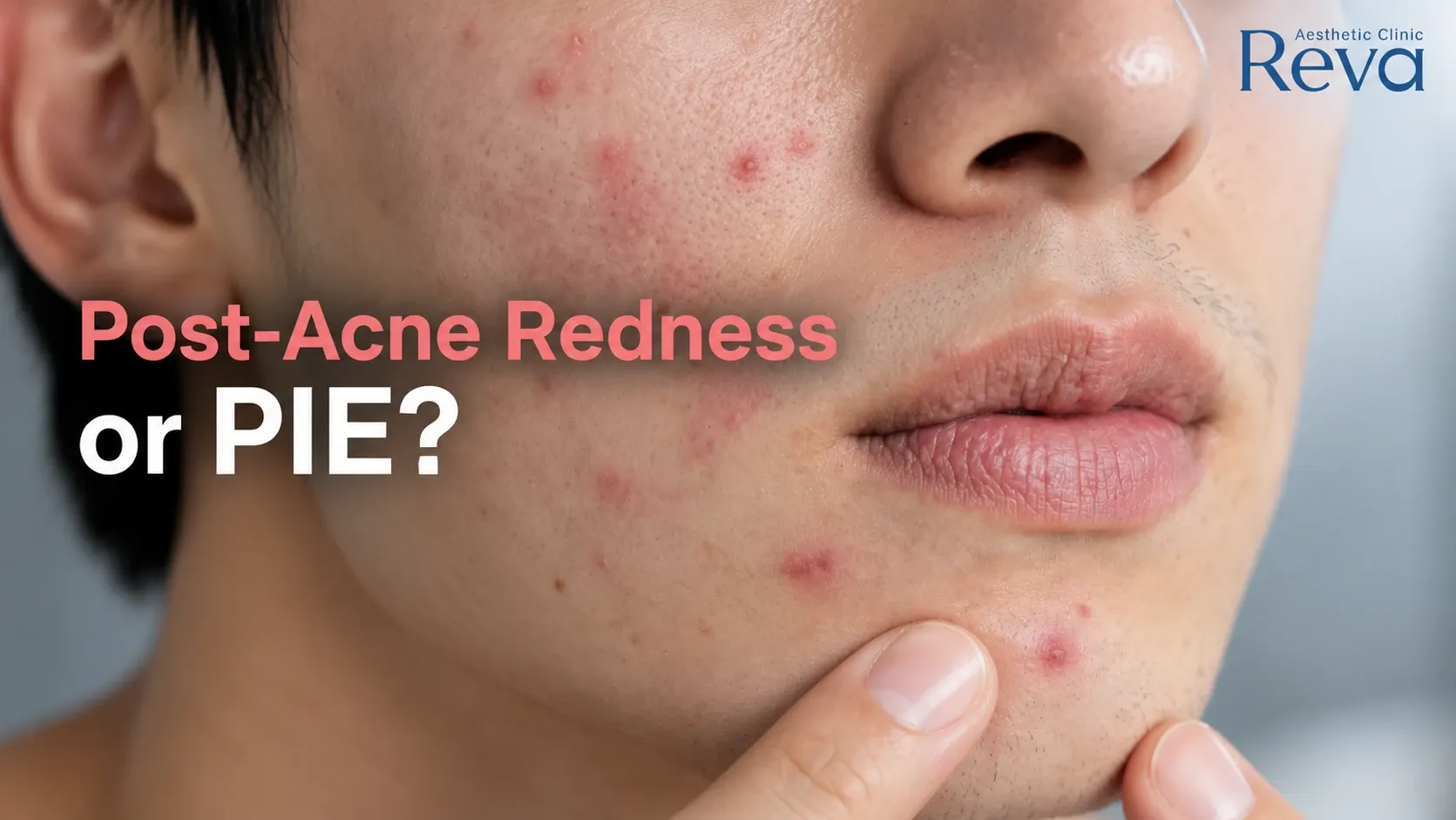
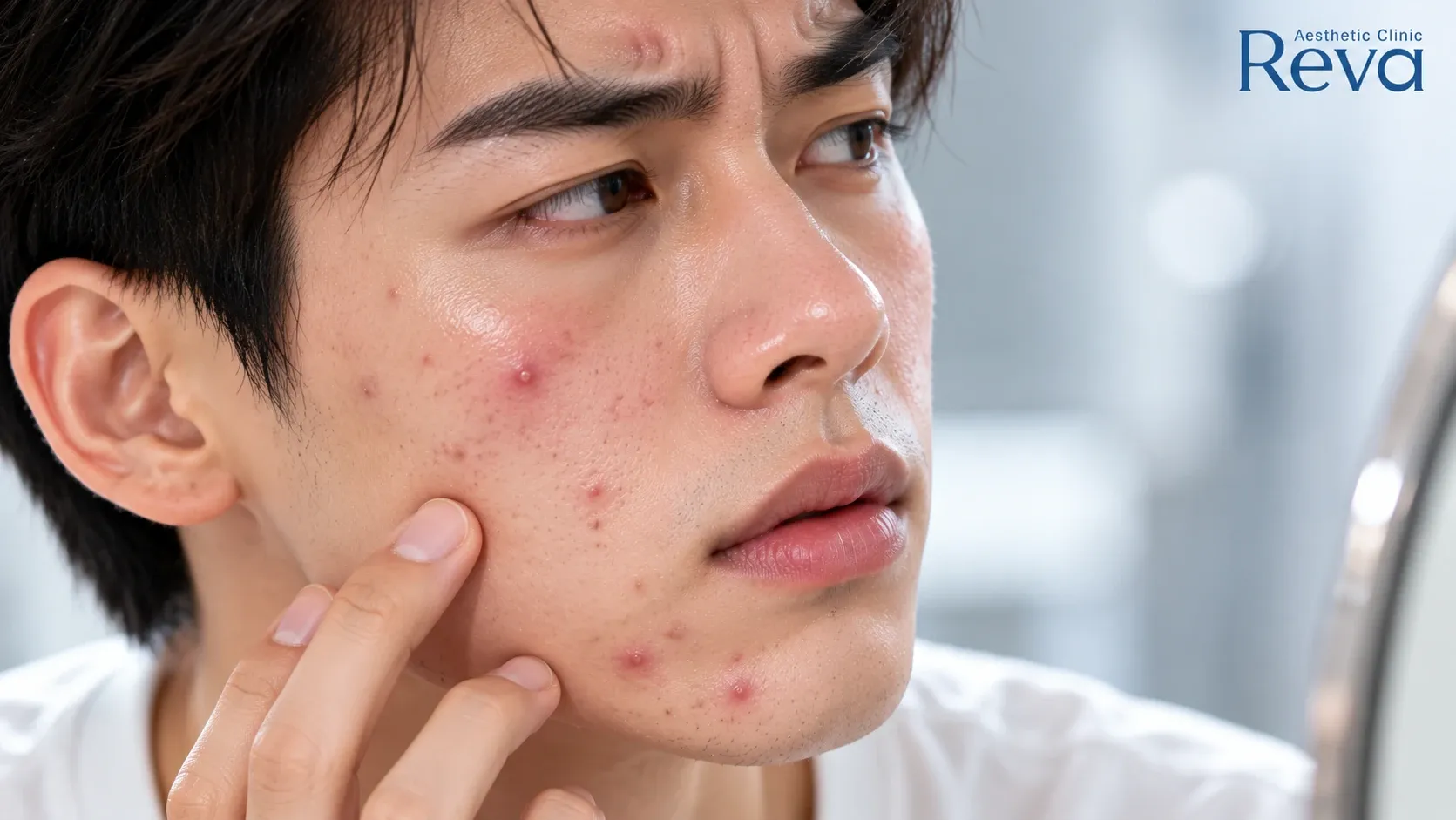
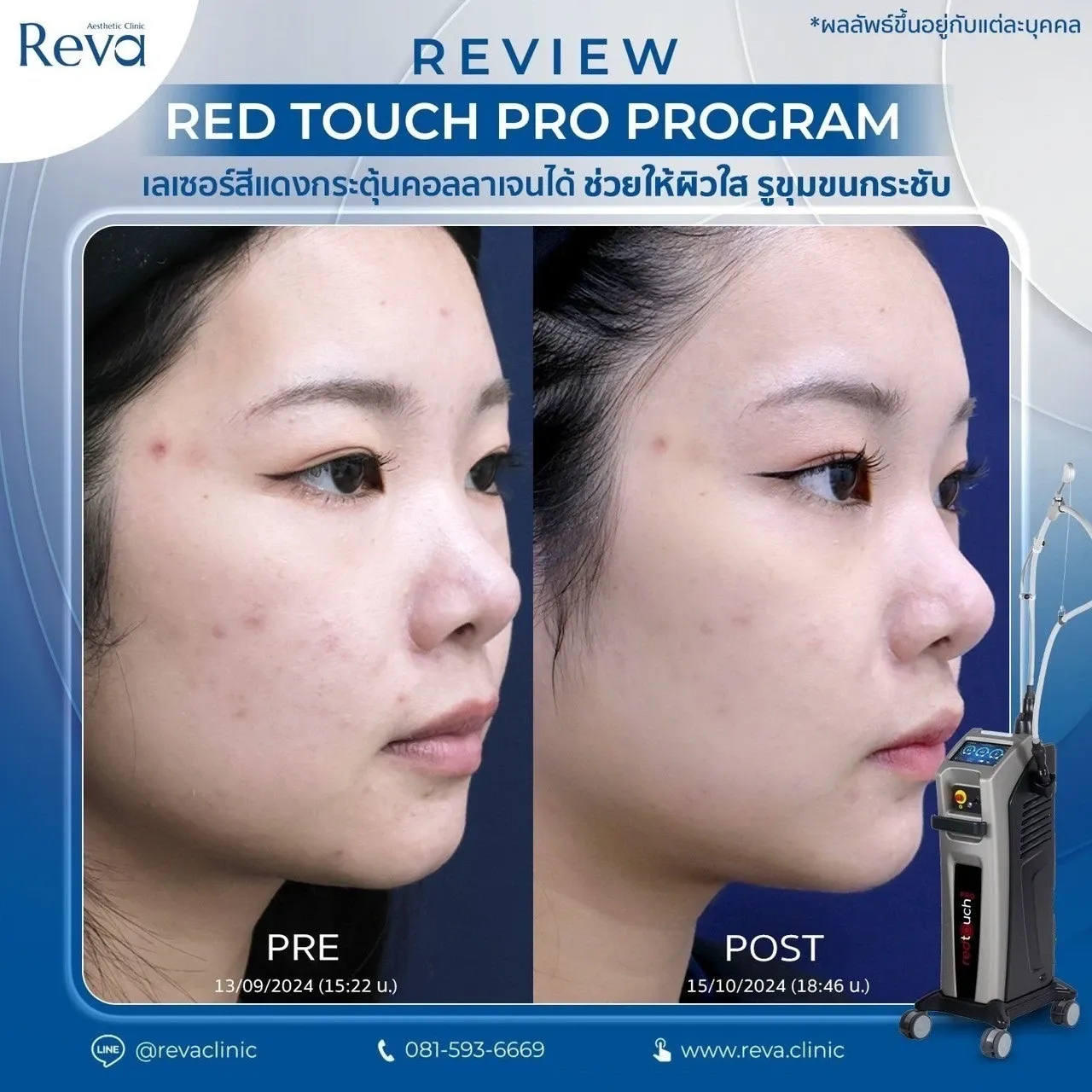
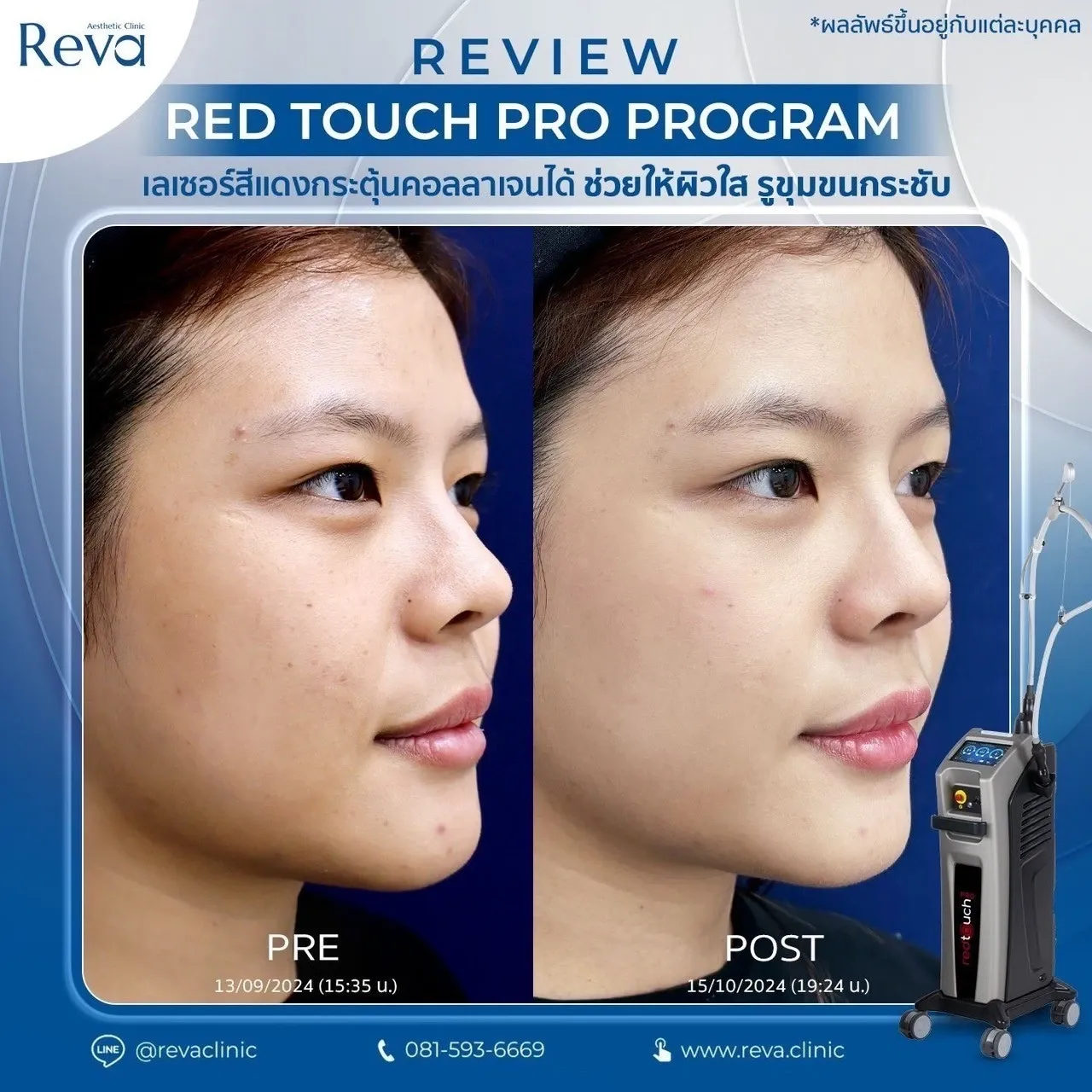
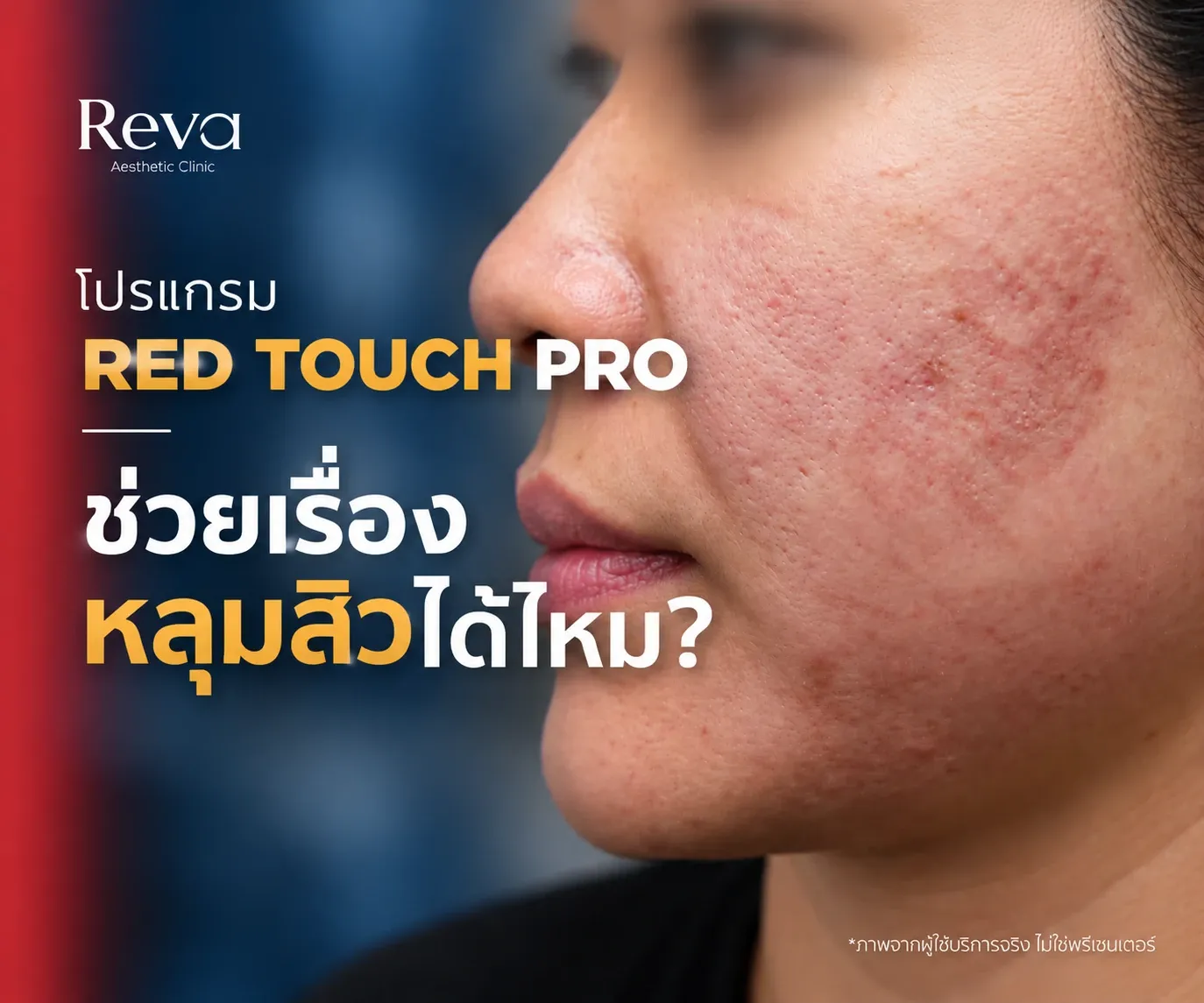
After an inflamed pimple heals, it may leave a flat pink, red, or sometimes purplish mark. This is commonly referred to as Post-Inflammatory Erythema or PIE.
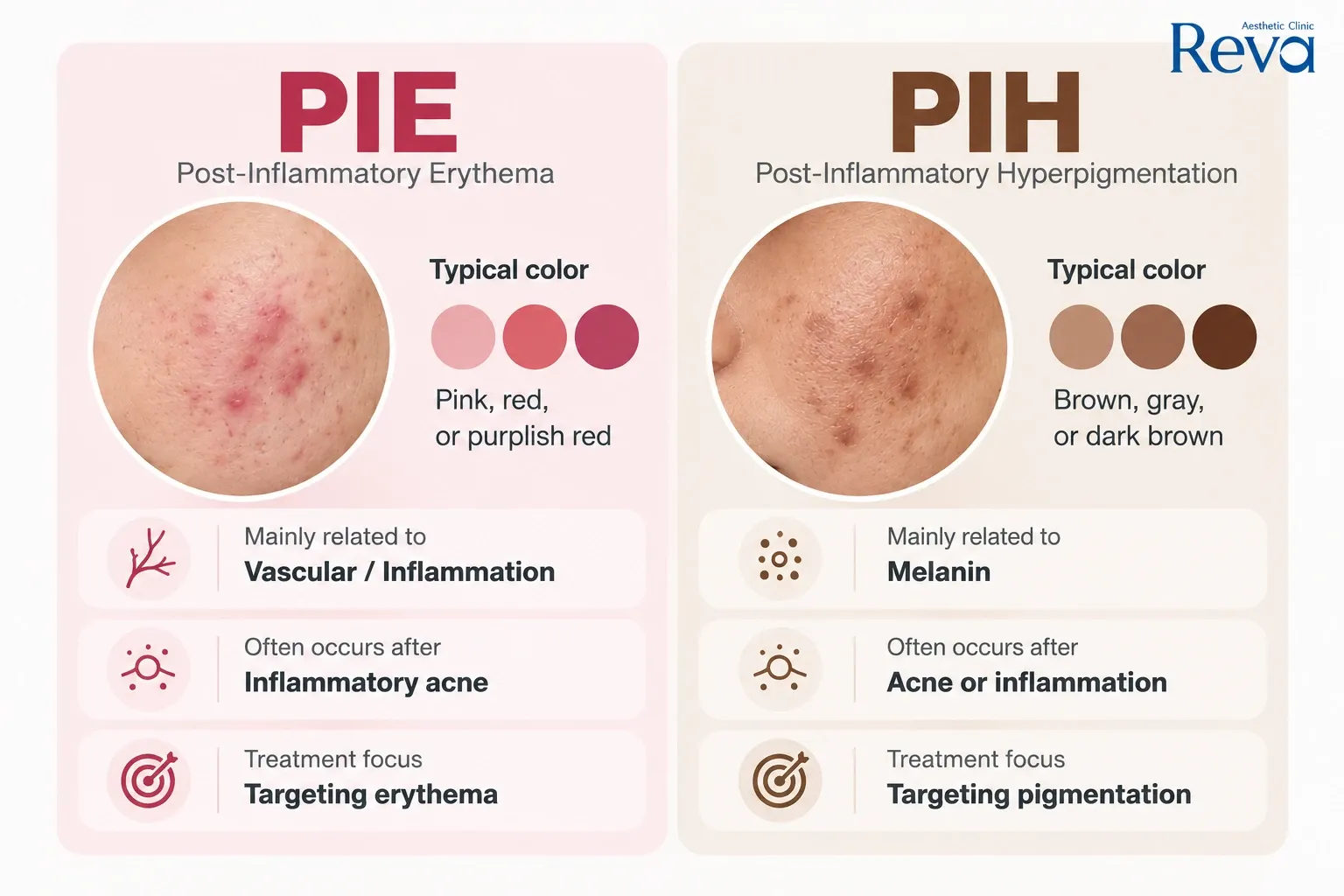
PIE is associated with vascular changes following inflammation. This is different from Post-Inflammatory Hyperpigmentation (PIH), which is more closely related to increased melanin.
A simple way to tell them apart is by color: PIE tends to look pink or red, while PIH tends to look brown or gray.
However, both can occur at the same time. This is why not every “acne mark” should be treated in the same way.
What Is the Difference Between PIE and PIH?
A common mistake is to refer to all post-acne marks as “dark spots.” In reality, PIE and PIH are different conditions and may require different treatment approaches.
It is also possible to have both PIE and PIH in the same area.
This is why simply identifying something as an “acne mark” may not be enough to choose the right treatment.
2. The Acne May Still Be Active
Sometimes what looks like a red acne mark is actually ongoing inflammatory acne.
If new inflamed pimples continue to appear, focusing only on the existing marks may not be enough. While old marks are fading, new acne can continue creating new PIE and PIH.
In this situation, controlling active acne should be part of the treatment plan, rather than treating the marks alone.
3. Your Skin Barrier May Be Irritated
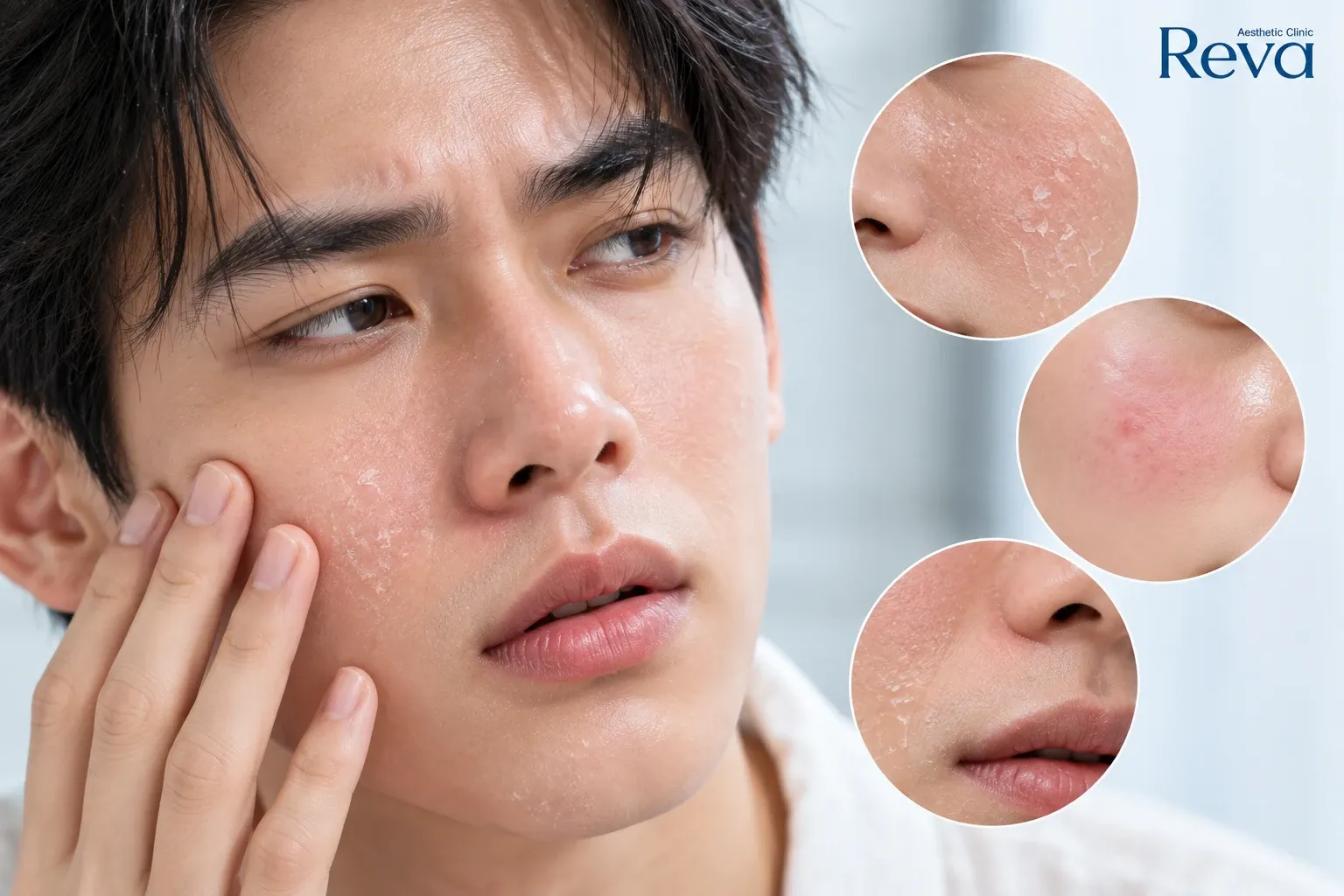
If facial redness comes with stinging, burning, tightness, itching, dryness, or peeling, the problem may involve the skin barrier.
This is particularly common after overusing Retinol, Retinoids, AHA/BHA, exfoliating products, or multiple active ingredients at the same time.
In this situation, adding another aggressive treatment may not be the best first step. It may be more appropriate to simplify the skincare routine and allow the skin barrier to recover.
4. Visible Blood Vessels and Rosacea
Not all facial redness appears exactly where acne used to be.
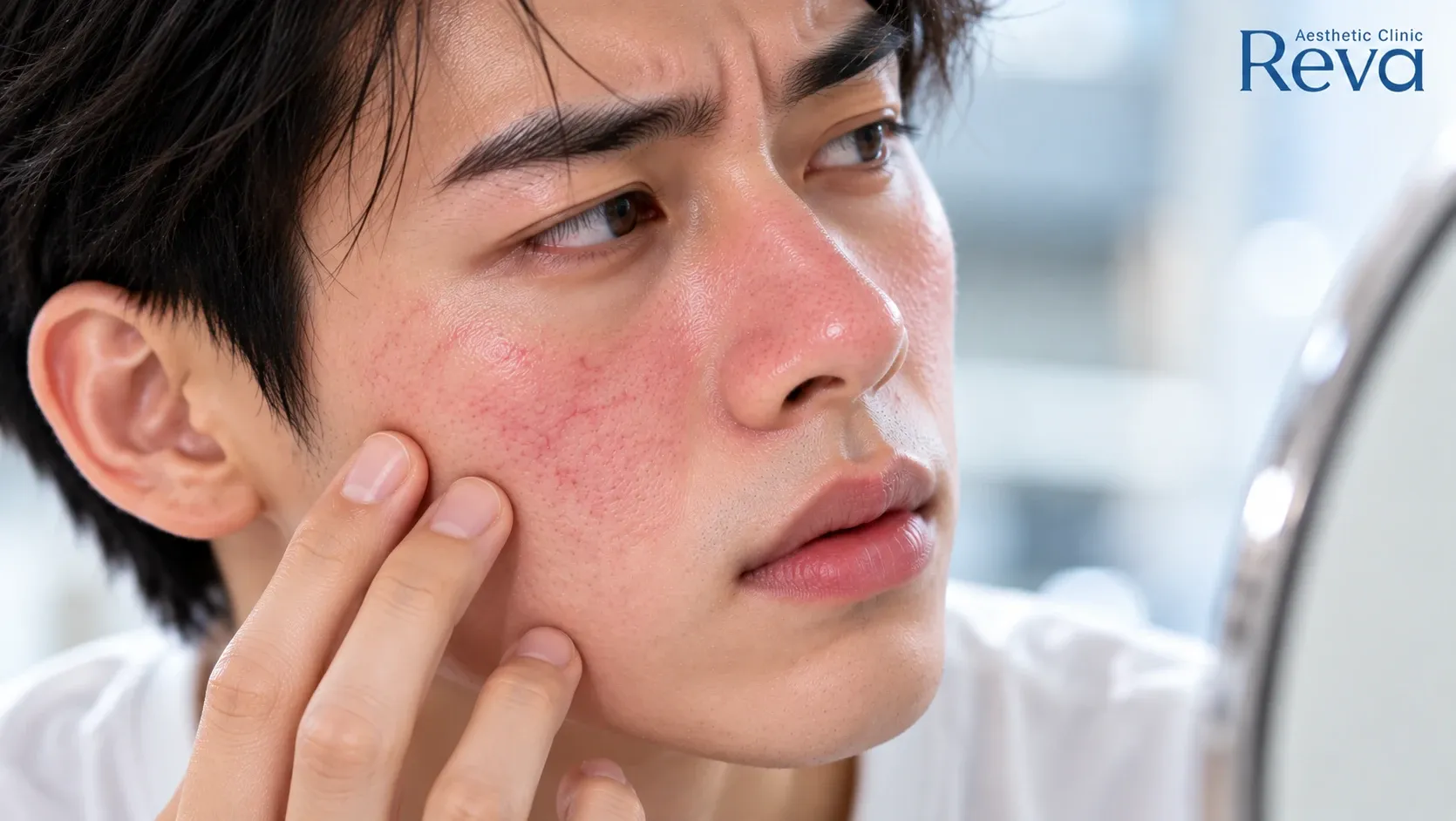
Some people develop more widespread redness across the cheeks and nose, frequent flushing, a warm or burning sensation, or visible small blood vessels.
In these cases, the redness may not be PIE. One condition that should be considered is rosacea.
Rosacea should be properly assessed before choosing a cosmetic procedure because its management is different from treating ordinary post-acne red marks.
Should You Start With Skincare or Medication Before Procedures?
For many patients, the underlying cause should be controlled before moving on to procedures.
A basic routine with a gentle cleanser, moisturizer, and sunscreen is often a good starting point. If the skin barrier is irritated, reducing unnecessary active ingredients and allowing the skin to settle may be more useful than immediately adding another treatment.
If active acne is still present, medications such as Benzoyl Peroxide, Retinoids, or Azelaic Acid may be considered depending on the type of acne, skin sensitivity, and individual assessment.
For rosacea, medications such as Azelaic Acid, Metronidazole, or Ivermectin may be used in appropriate cases following medical evaluation.
A practical way to approach facial redness is:
Identify the cause → Control inflammation → Support the skin barrier → Treat active acne or skin disease → Reassess the remaining redness
Procedures can then be considered if they are still needed.
Do Post-Acne Red Marks Fade on Their Own?
Some PIE can gradually improve over time, although the duration varies considerably from person to person.
Repeated inflammation can make the problem more persistent. Picking or squeezing acne, irritating the skin with too many active ingredients, or continuing to develop inflammatory acne can all contribute to new marks.
If the acne is under control and the skin barrier is healthy but noticeable redness remains, procedural treatments may then be considered.
Which Lasers Can Treat Post-Acne Redness?
Several laser and light-based technologies have been studied for Post-Inflammatory Erythema, particularly treatments that target the vascular component of redness.
However, there is no single laser that is appropriate for every patient.
The choice depends on factors such as the type of redness, skin tone, active acne, sensitivity, and whether other concerns such as pigmentation, enlarged pores, uneven texture, or acne scars are present.
This is why it is important to distinguish between PIE, pigmentation, uneven texture, and acne scars before selecting a device.
Can Program RedTouch Pro Help With Redness?
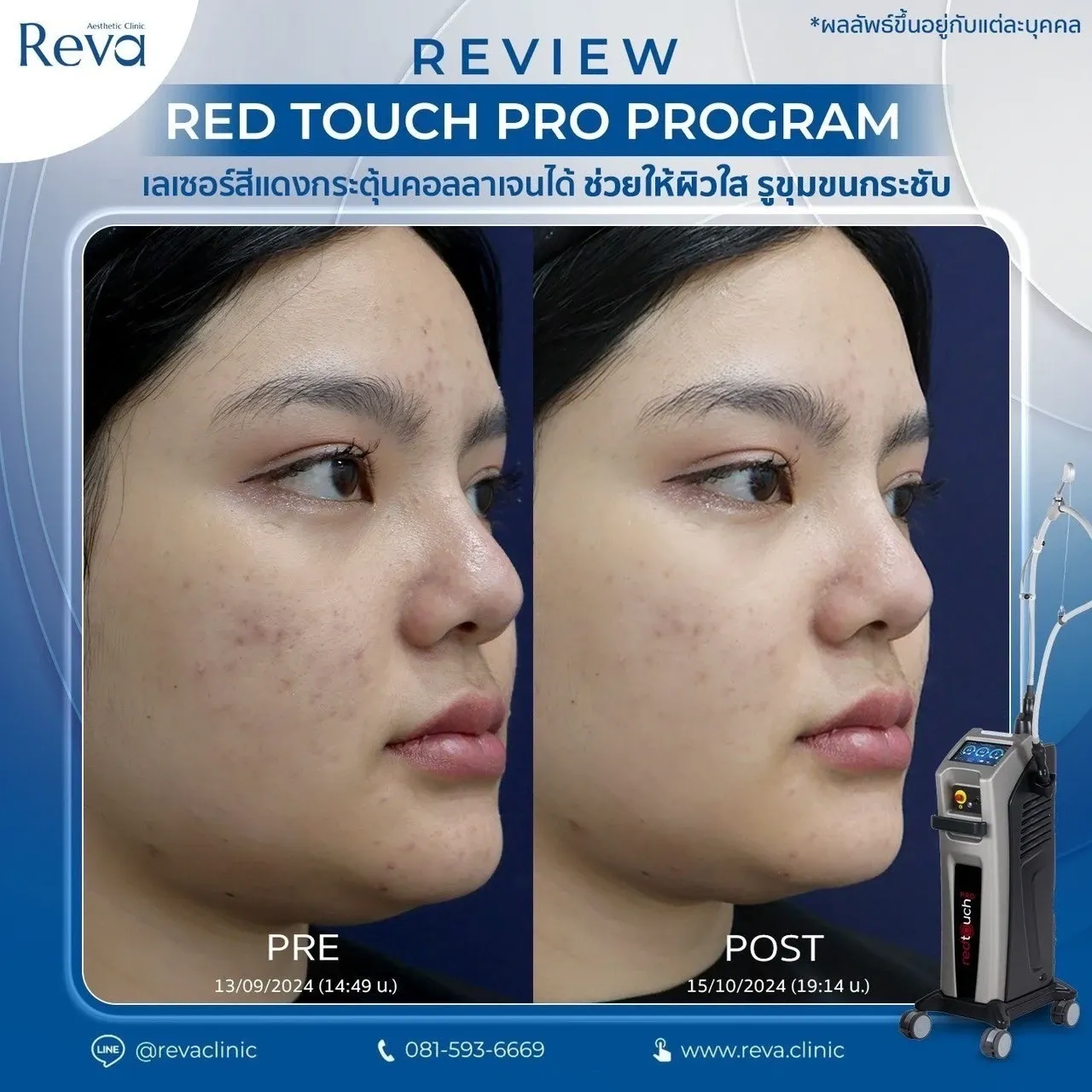
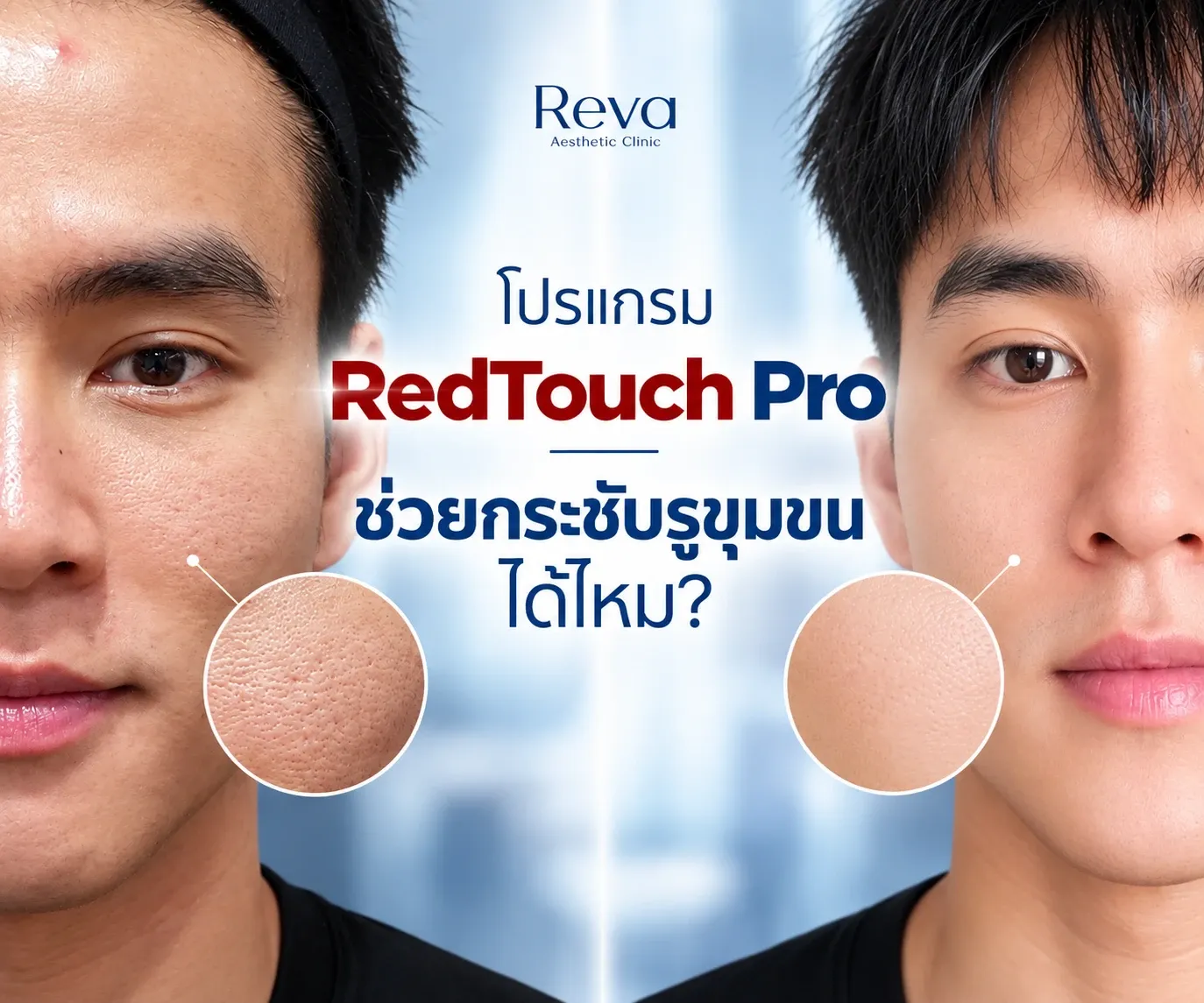
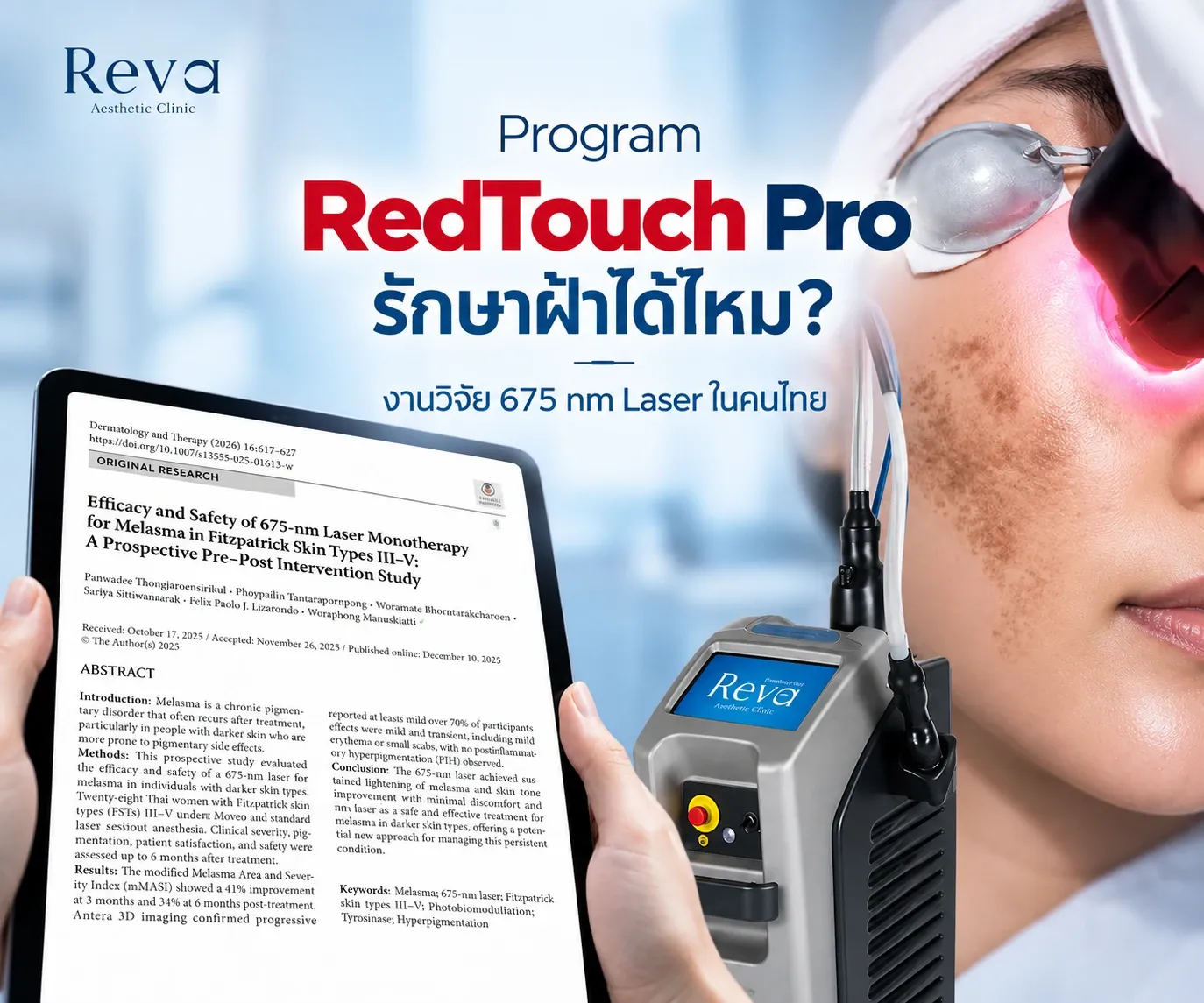
Program RedTouch Pro uses a 675 nm laser and at Reva Clinic is primarily considered for concerns related to collagen and skin quality.
It should therefore not be considered a primary vascular laser specifically for PIE.
However, some patients do not have redness alone. They may have post-acne marks together with uneven texture, early acne scarring, or reduced skin quality.
In these cases, Program RedTouch Pro may be considered as part of the overall treatment plan to address texture and collagen-related concerns.
If the main problem is vascular redness alone, the doctor should first assess whether another treatment more directly targets that concern.
Can Program PN Help With Facial Redness?
Program PN treatments such as Program Vitaran and Program Rejuran HB Plusare generally used with the goal of improving overall skin quality and skin regeneration.
There is emerging clinical interest in the use of Polynucleotides in patients with facial erythema. However, the current evidence is still limited, so PN should not be considered a primary treatment for every type of PIE or rosacea.
In practice, Program PN may be considered as part of a Skin Quality or Regenerative Treatment Plan when redness occurs together with other skin-quality concerns.
In other words, PN may have a role in selected patients, but redness alone is not a reason to assume that PN is the appropriate treatment.
What About Program NCTF 135HA?
Program NCTF 135HA is an injectable skin-quality treatment containing non-crosslinked HA together with a polyrevitalizing solution.
Its main treatment goals are related to hydration and overall skin quality, rather than directly targeting blood vessels.
For someone with dehydrated, dull-looking skin, reduced skin quality, and some associated redness, Program NCTF 135HA may be considered as part of the overall treatment plan when appropriate.
However, if the primary concern is persistent PIE, visible blood vessels, or suspected rosacea, the underlying cause of the redness should remain the main treatment target.
What If You Have Red Marks, Brown Marks, and Acne Scars at the Same Time?
This is actually very common.
A single episode of inflammatory acne can leave several different problems behind. A red mark may be PIE, a brown mark may be PIH, while a depression in the skin may represent an atrophic acne scar.
These problems have different mechanisms, so they do not necessarily require the same treatment.
Or, if you’re still unsure, you can consult our doctor for a personalized assessment and learn more about Program Iconic Skin for personalized skin treatment.
When Should You See a Doctor for Facial Redness?
Mild post-acne redness that gradually fades without other symptoms can often be monitored.
However, medical assessment is recommended if the redness is becoming more noticeable or is accompanied by burning, significant itching, swelling, rash, pustules, persistent flushing, or widespread redness.
This is particularly important when rosacea, dermatitis, infection, or an unusual reaction following medication or a procedure is suspected.
FAQ: Facial Redness and Post-Acne Red Marks
Are red marks after acne always PIE?
Not necessarily. Flat pink or red marks remaining after inflammatory acne may be PIE, but active acne, irritation, rosacea, and other causes of redness should also be considered.
What is the difference between PIE and PIH?
PIE generally appears pink or red and is associated with vascular changes after inflammation. PIH is usually brown or gray and is more closely related to melanin.
What should I apply to post-acne redness?
A good starting point is sunscreen, moisturizer, and appropriate treatment for any active acne. Retinoids, Azelaic Acid, or other acne medications may be considered depending on the condition of the skin and individual tolerance.
Can laser treatment help post-acne redness?
Yes, in selected patients. Laser and light-based treatments may be considered after active inflammation has been controlled. The appropriate device depends on the type of redness, skin tone, and other concerns.
Can Program PN or Program NCTF help with redness?
They may be incorporated into a broader Skin Quality plan for selected patients, but neither should be considered a universal treatment for facial redness. PIE, rosacea, vascular redness, and skin irritation should first be distinguished and managed according to their underlying cause.
Summary
Facial redness does not have a single cause. It may come from post-acne PIE, ongoing inflammatory acne, an irritated skin barrier, vascular changes, or rosacea.
For this reason, treatment should not begin by simply choosing a laser or injectable treatment. In many cases, the first steps are to control inflammation, treat active acne, simplify irritating skincare, and restore the skin barrier.
Once the skin is stable, persistent redness and other skin-quality concerns can be reassessed. Laser treatment, Program RedTouch Pro, Program PN, or Program NCTF 135HA may then be considered according to the actual problem being treated.
The goal is not simply to make the skin “less red,” but to identify why the redness is occurring and choose a treatment that matches the cause.