Aging Skin: How to Rejuvenate Thin, Wrinkled, and Sagging Skin for a More Youthful Appearance?
As we age, many people begin to notice changes in their facial skin, including more visible wrinkles, thinner-looking skin, reduced elasticity, and sagging in areas that once appeared plump and firm. Even with a consistent skincare routine, the skin may not regain the same smoothness and firmness it once had.
These changes often become more noticeable after the age of 40, as age-related changes in collagen, elastin, skin hydration, and skin structure contribute to increasingly visible signs of aging.
However, wrinkles, thinning skin, and loss of firmness do not necessarily share the same underlying causes. Understanding the specific factors contributing to these concerns is therefore an essential first step in choosing the most appropriate skin rejuvenation treatments.
Make the opening more engagingAdd a clearer transition to treatment
Why Does Skin Become Thinner, Wrinkled, and Less Firm as We Age?
1. Decline in Skin Collagen
Collagen is an essential structural protein found in the dermis. It plays a key role in maintaining the skin’s strength, firmness, and structural integrity.
Common signs may include:
Thinner-looking skin or reduced skin density
More noticeable fine lines and wrinkles
Uneven or less smooth skin texture
Reduced skin firmness and elasticity
2. Changes in Elastin and Skin Elasticity
Elastin is a protein that allows the skin to stretch and return to its original shape. As elastin fibers deteriorate, particularly due to cumulative exposure to ultraviolet (UV) radiation, the skin may gradually lose its ability to bounce back, making it more prone to creases, wrinkles, and sagging.
3. Increased Loss of Skin Moisture
As we age, changes in the skin barrier function and its ability to retain moisture may occur. As a result, some individuals experience increased dryness, rough skin texture, and more visible dehydration lines, even with regular use of skincare products.
4. Changes in Subcutaneous Fat and Facial Structure
Facial aging involves more than just changes in the skin. It also includes changes in subcutaneous fat, facial retaining ligaments, and underlying bone structure.
These structural changes may contribute to deeper facial folds, hollow-looking cheeks, and less defined facial contours.
For individuals experiencing significant facial volume loss or advanced skin laxity, improving skin quality alone may not be sufficient to address these concerns.
5. Hormonal Changes in Your 40s and 50s
Hormonal changes, particularly in women during perimenopause and postmenopause, may affect collagen levels, skin hydration, and skin thickness.
Changes in estrogen levels during these stages can contribute to increased skin dryness, thinning, and more noticeable sagging.
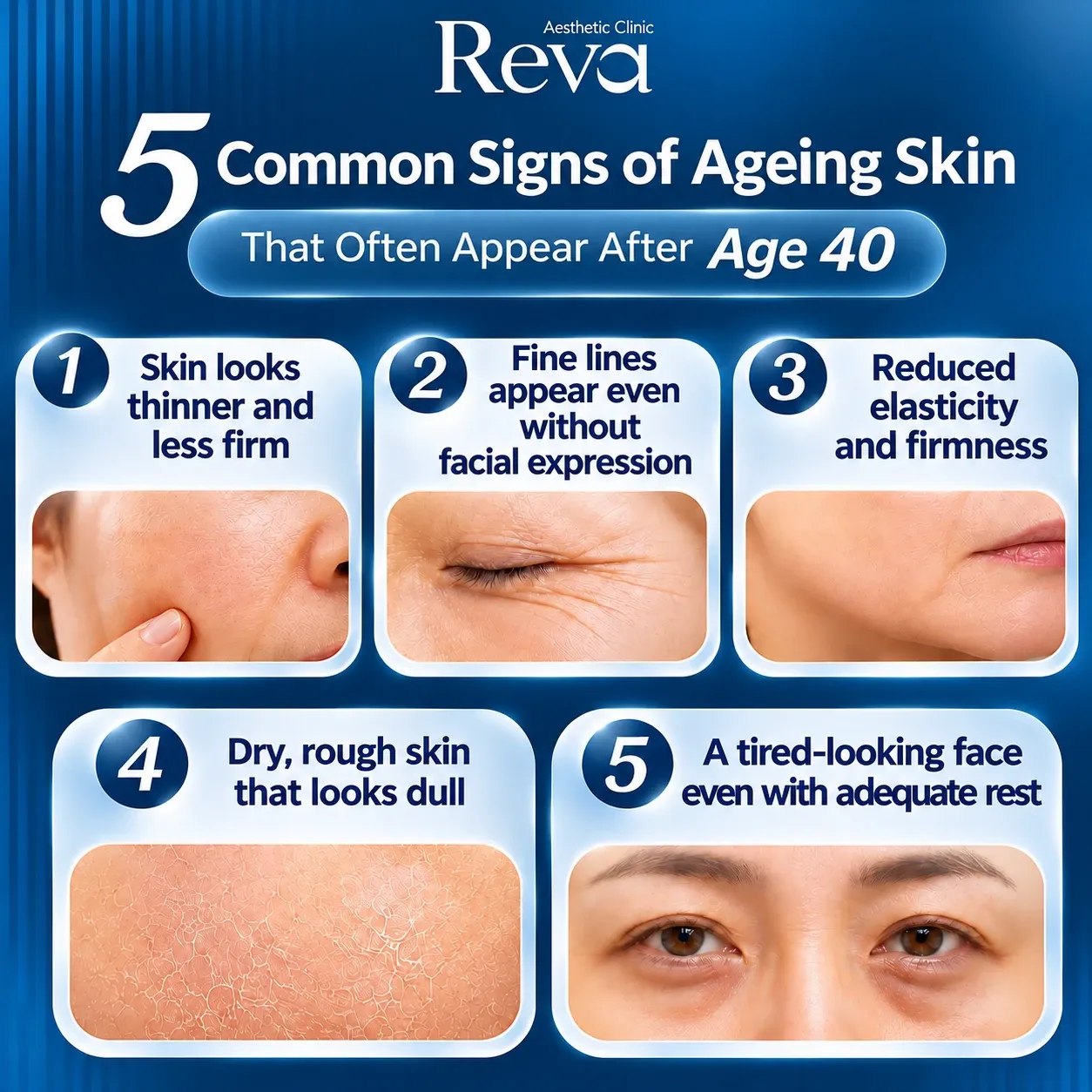
5 Common Signs of Skin Aging After 40
1. Thinner-Looking Skin and Reduced Skin Density
2. Fine Lines and Wrinkles That Are Visible Even at Rest
3. Loss of Skin Elasticity and Firmness
4. Dry, Rough, and Dull-Looking Skin
5. A Tired-Looking Appearance Despite Adequate Rest
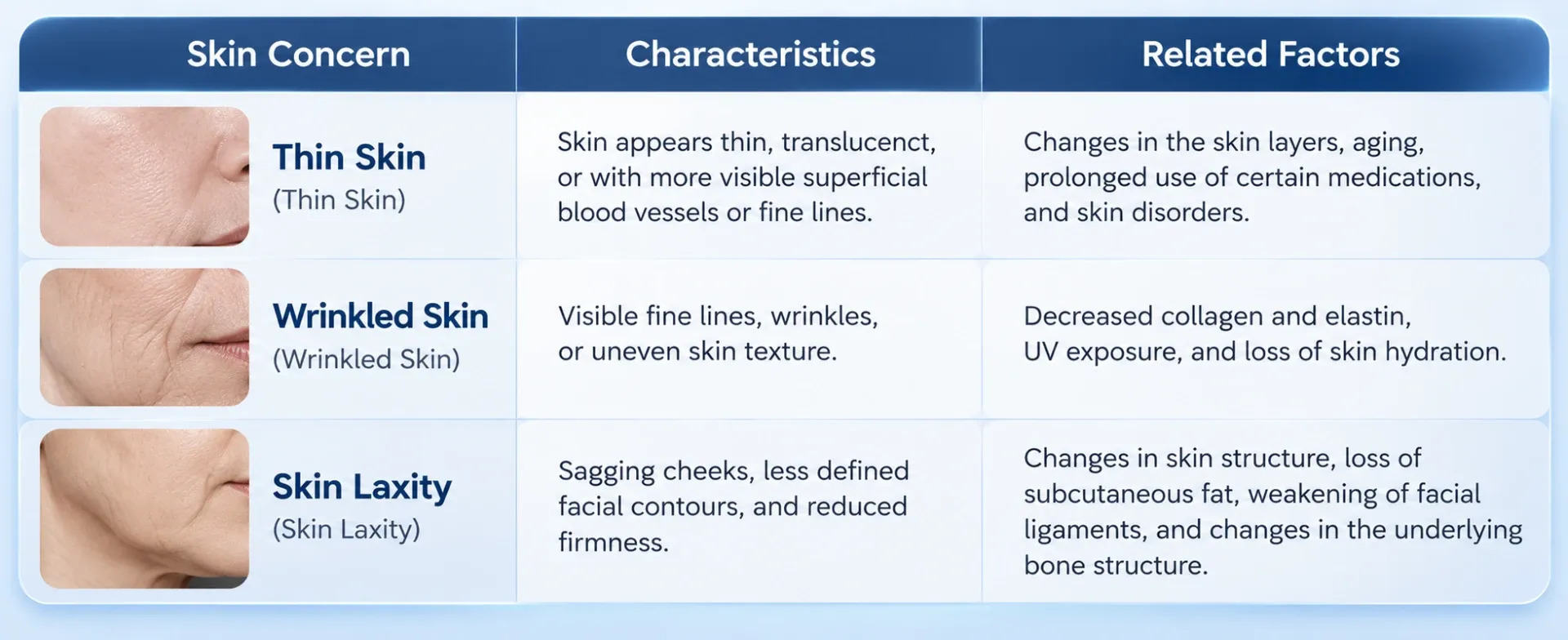
What Is the Difference Between Thin Skin, Wrinkled Skin, and Sagging Skin?
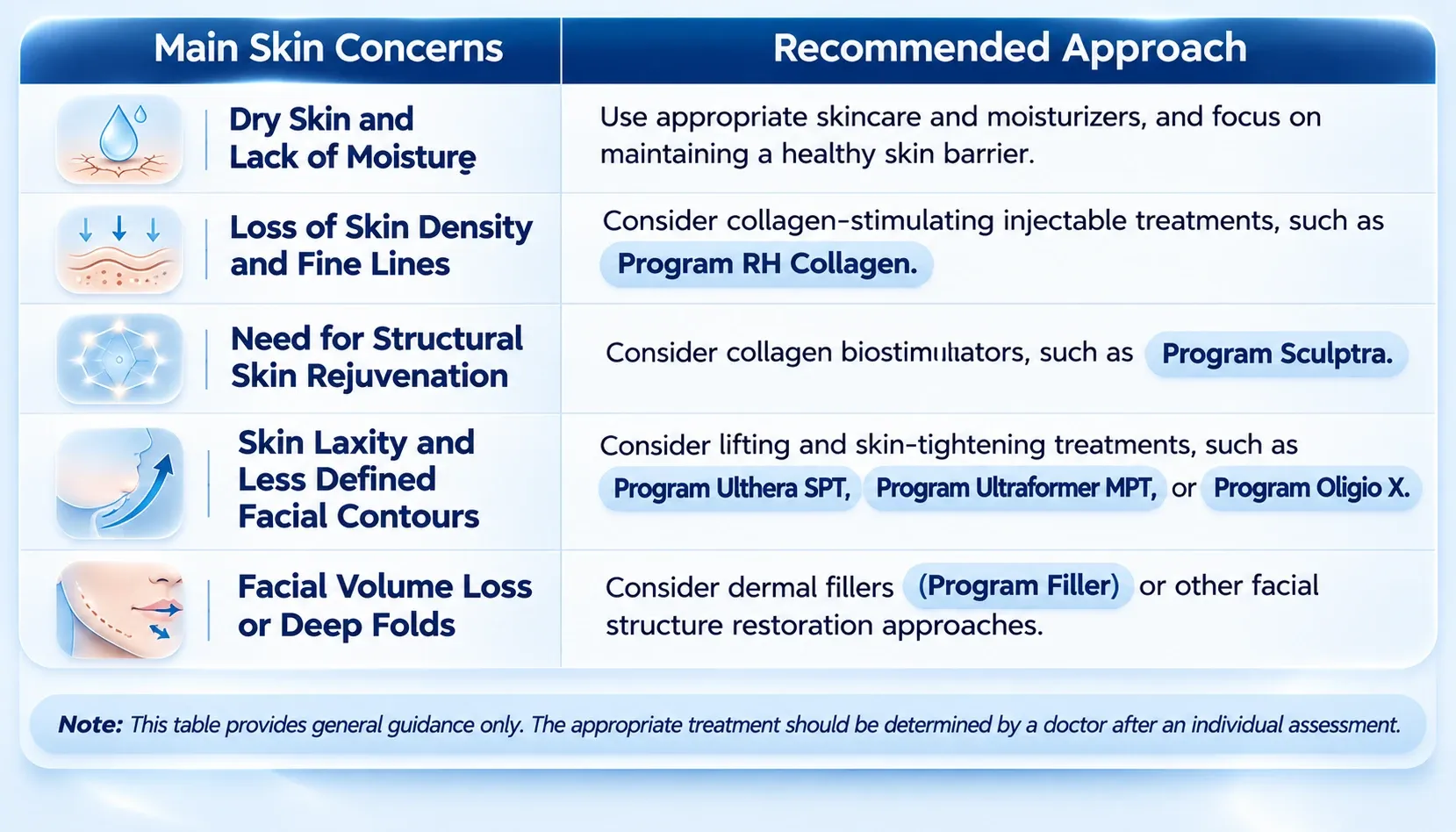
How to Choose the Right Skin Rejuvenation Treatment After 40?
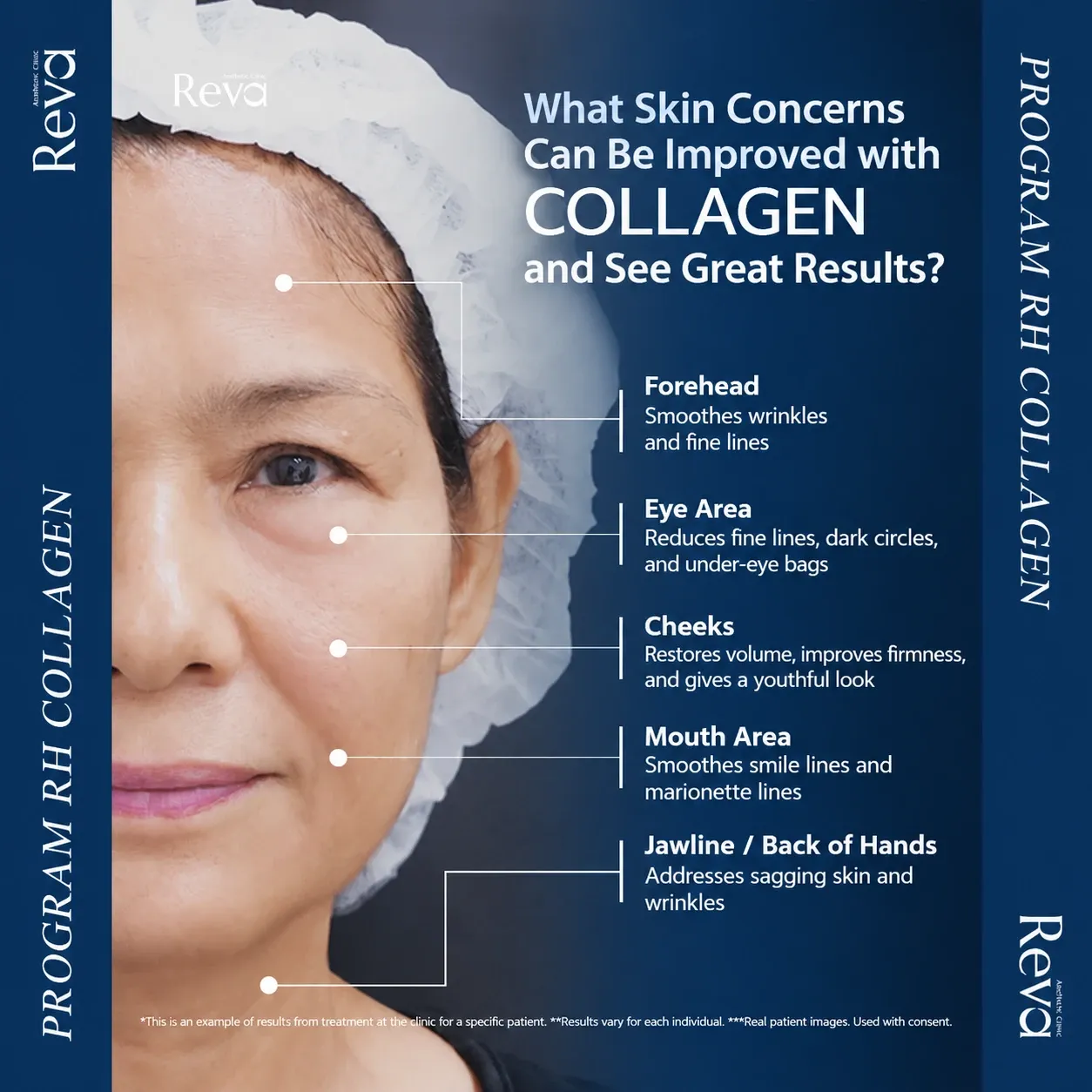
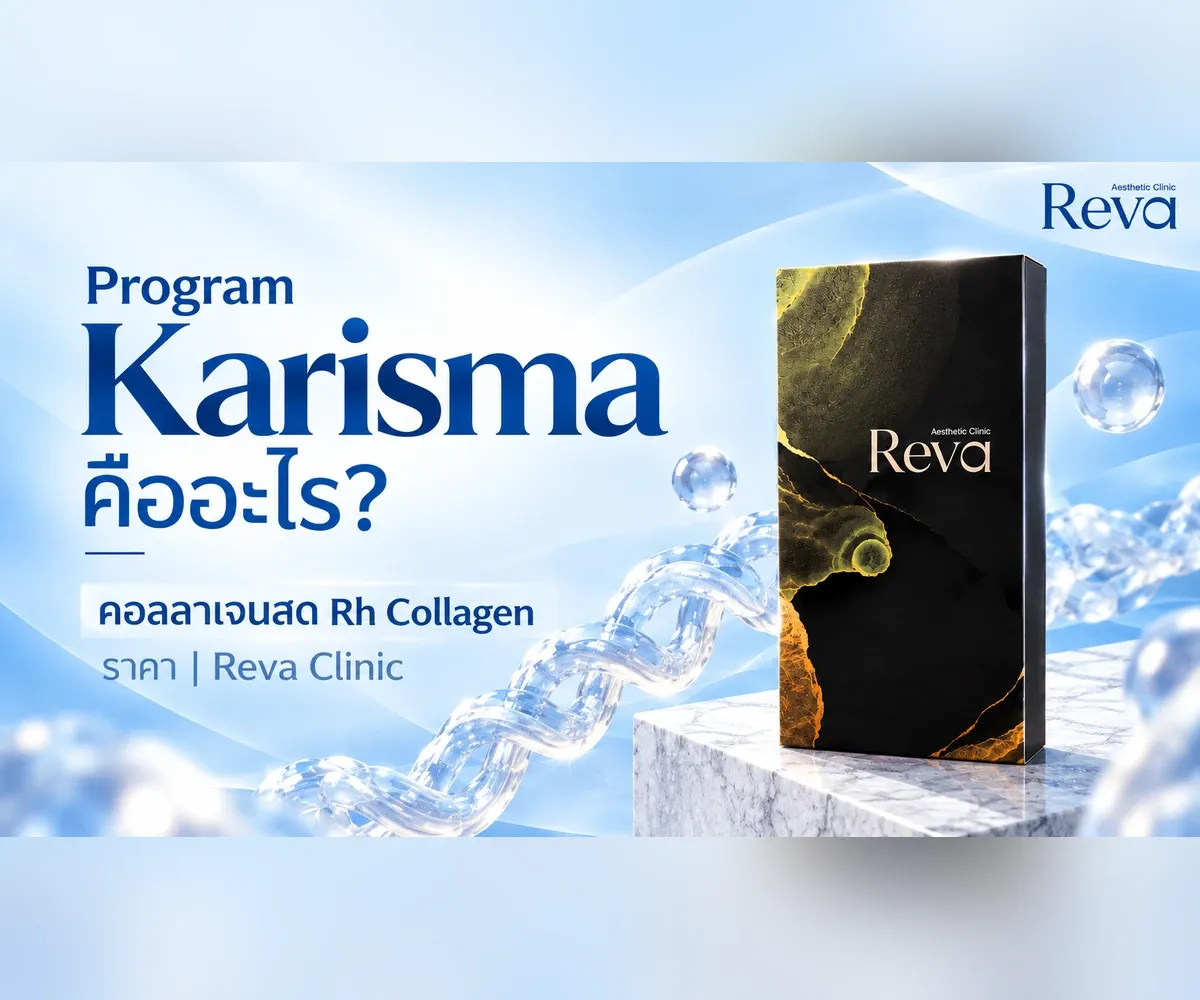
What Is Program Rh Collagen?
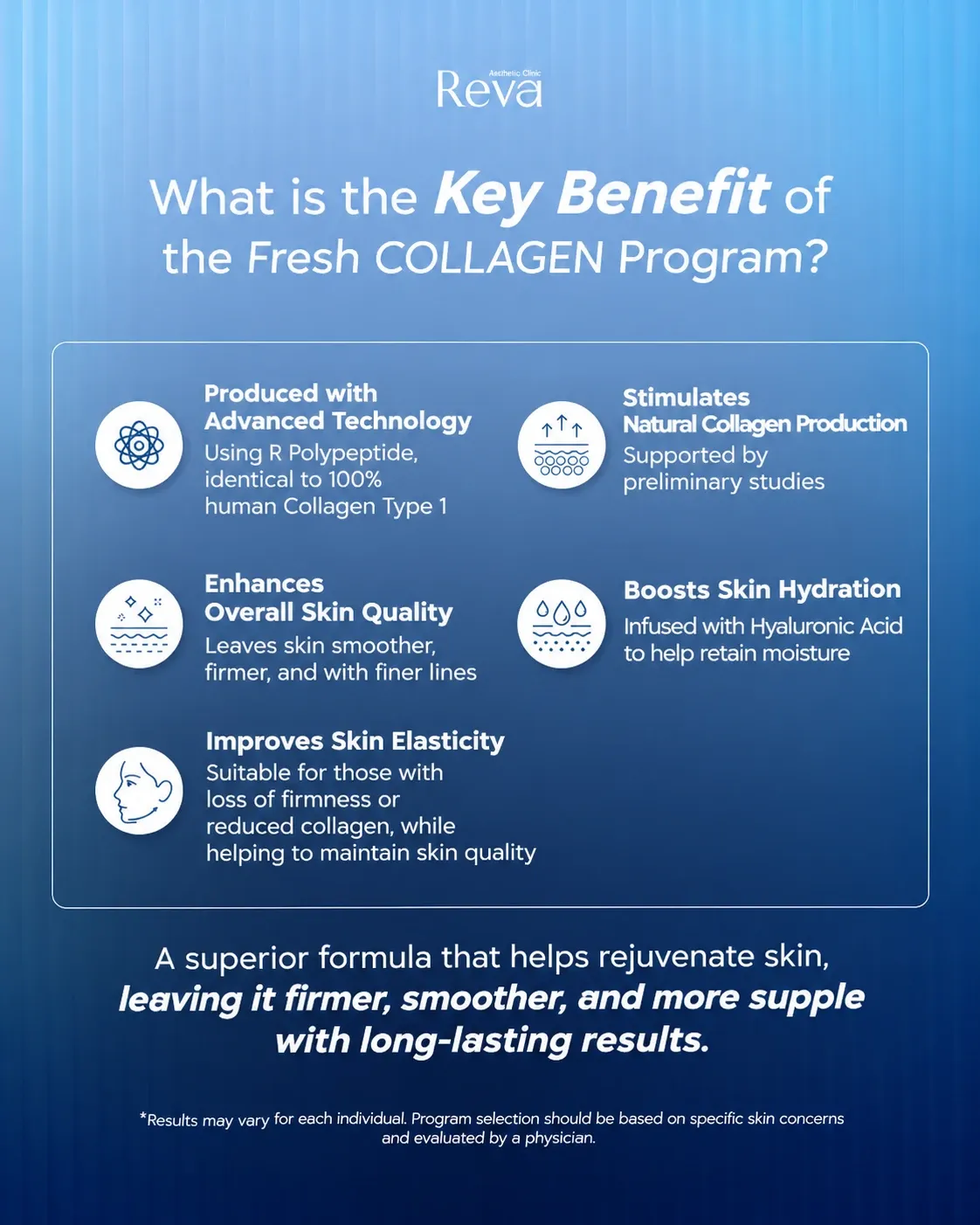
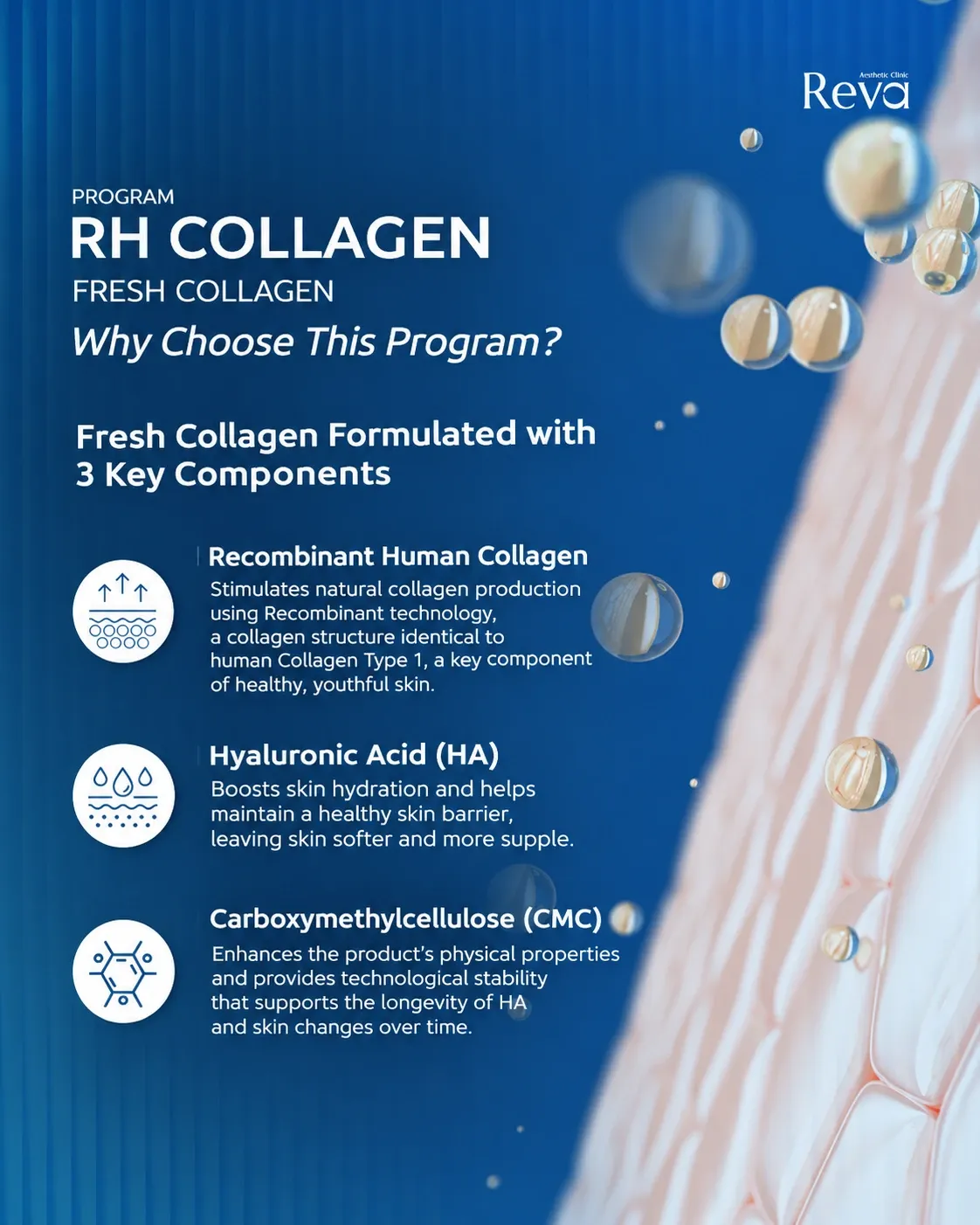
Program Rh Collagen is an aesthetic treatment program that uses injectable collagen products to support skin quality. The term Rh Collagen refers to Recombinant Human Collagen, a type of collagen produced using recombinant biotechnology.
1. Recombinant Human Collagen
Recombinant Human Collagen is a form of collagen produced through recombinant biotechnology. According to the manufacturer, it is designed to support tissue structure and help restore components of the skin's extracellular matrix.
2. High Molecular Weight Hyaluronic Acid (HA)
Hyaluronic Acid is a naturally occurring substance known for its ability to attract and retain water, playing an important role in maintaining tissue hydration.
3. Carboxymethylcellulose (CMC)
Carboxymethylcellulose is an ingredient that contributes to the physical properties and stability of the product formulation.
These products are developed to support tissue quality and improve certain aspects of skin appearance, in accordance with their approved indications.
However, the term “Fresh Collagen” is primarily used for marketing purposes and does not mean that the product contains fresh collagen extracted directly from human skin.
The selection of an appropriate product should be based on its official product information, the specific formulation and version authorized for use, and an individualized medical assessment conducted by a qualified physician.
Make the scientific wording more preciseClarify the treatment’s expected benefits
Who Is a Suitable Candidate for Program Rh Collagen?
Individuals who may benefit from a medical consultation to assess their suitability for Program Rh Collagen include:
Those who are beginning to experience concerns about changes in skin quality as they age.
Those with fine lines, wrinkles, or age-related changes in skin texture and appearance.
Those who wish to consult a qualified physician about treatment options for maintaining and supporting skin structure.
Those seeking a personalized approach to age-related skin rejuvenation, with a focus on achieving natural-looking results.
Conclusion: Aging Does Not Mean You Have to Accept Skin Deterioration Without Options
As we age, concerns such as wrinkles, thinning skin, and loss of firmness are associated with changes in collagen, elastin, skin hydration, and facial structure. Therefore, skin rejuvenation after the age of 40 should begin with understanding the underlying causes of these changes and selecting appropriate treatment approaches based on each individual's skin concerns and needs.
Program Rh Collagen (Injectable Recombinant Human Collagen) is one of the available injectable collagen treatment options that may be considered based on its approved indications and an individualized medical assessment. However, it is not a comprehensive solution for all causes of skin thinning, wrinkles, or sagging.
For individuals seeking to maintain and improve age-related skin quality, a consultation with a qualified physician at Reva Aesthetic Clinic can help assess their skin condition and develop a personalized treatment plan, with an emphasis on safety and natural-looking results.
Disclaimer: Treatment outcomes and potential risks vary from person to person. A medical assessment by a qualified physician is recommended before undergoing any aesthetic procedure.
Make the conclusion more engagingAdd a clearer consultation call to action