Program Sculptra Not Working? 3 Reasons Why You're Not Seeing Results
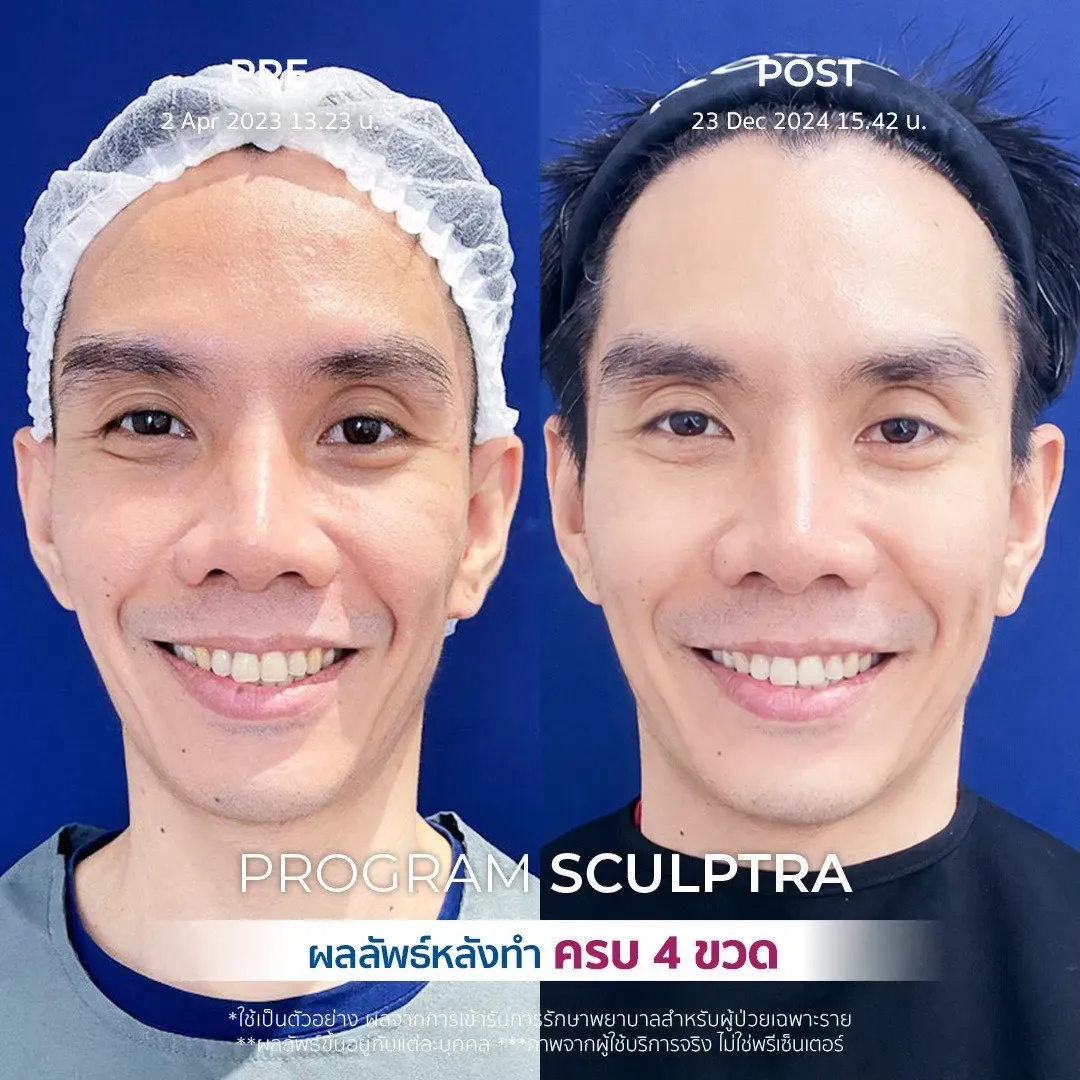
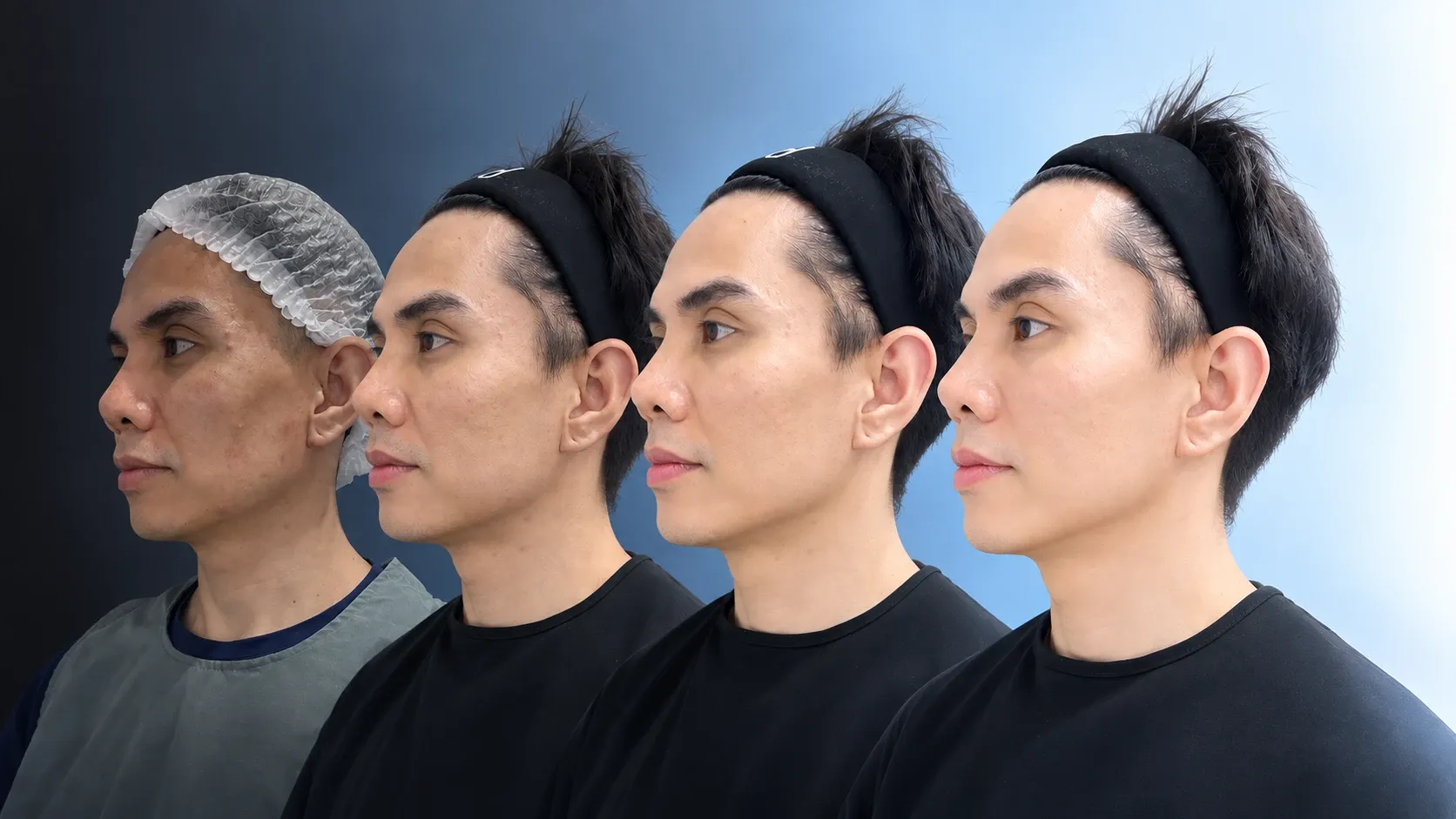
Have you undergone Program Sculptra but still feel that your skin looks crepey, your face lacks firmness, or your wrinkles haven't improved?
You might wonder whether the product wasn't effective, the injection technique was incorrect, or your skin simply didn't respond to collagen stimulation.
The truth is, the results of Program Sculptra depend on three key factors: the product, the doctor, and the patient.
In this article, we'll explain why some people achieve noticeable improvements while others may not see the results they expected—and what to consider before undergoing additional treatment.
How Does Program Sculptra Work?
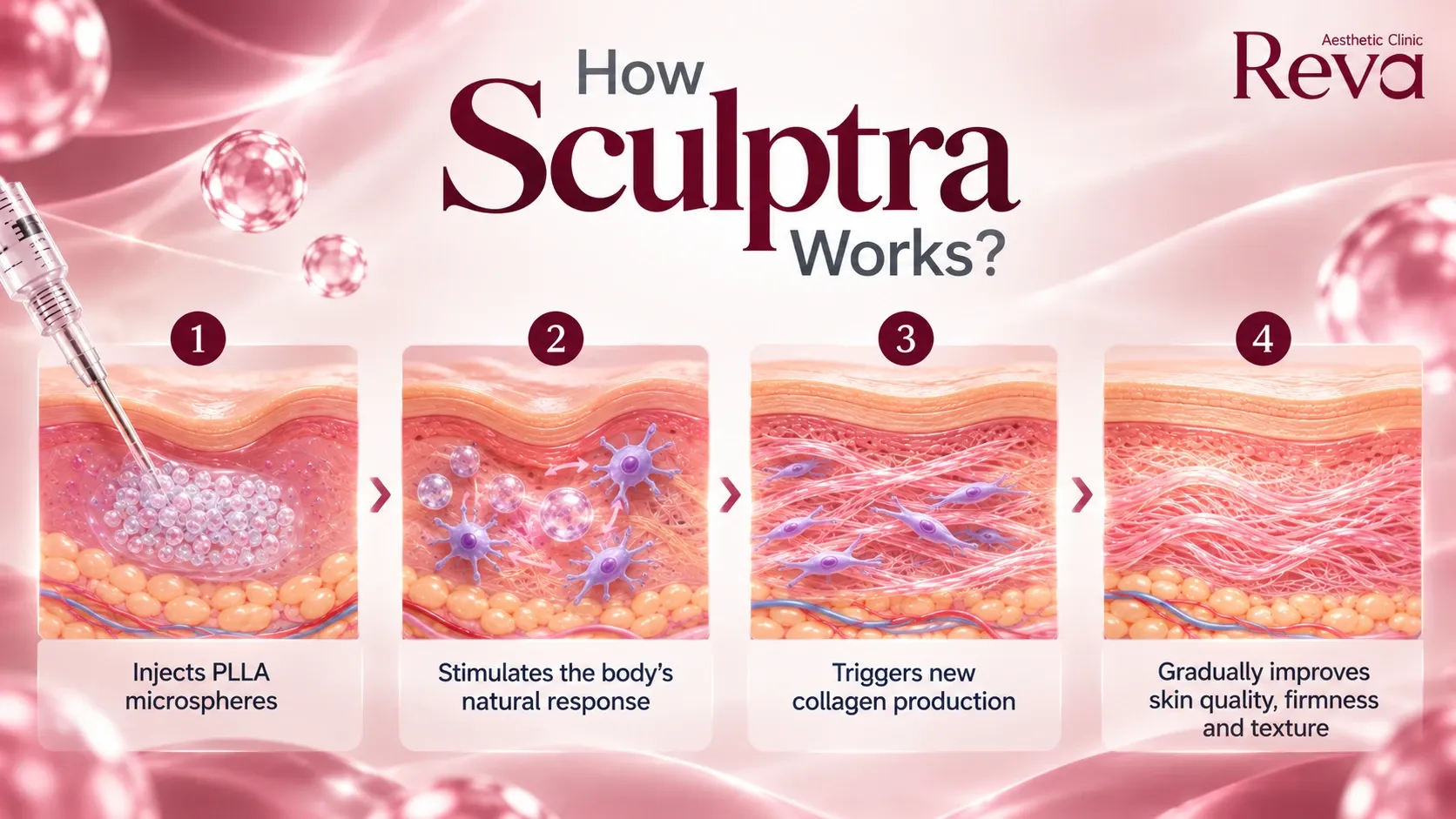
Program Sculptra uses Poly-L-Lactic Acid (PLLA), a collagen biostimulator that stimulates the body's natural collagen production.
After injection, PLLA particles trigger a controlled tissue response that gradually promotes new collagen formation.
Unlike traditional dermal fillers, which provide immediate volume, Program Sculptra works progressively. Results take time to develop and may require multiple treatment sessions.
If you're not seeing the improvements you expected, there are three important factors to consider.
1. The Product: Authenticity and Proper Preparation
The first factor is whether the product is genuine and has been prepared correctly.
Is the Program Sculptra Product Genuine?
Always choose a licensed medical clinic that uses authentic products obtained through authorized distribution channels.
Patients can ask to verify the product packaging, batch number, expiration date, and authenticity through the manufacturer's or official distributor's verification process.
Using an authentic product is essential because products from unknown or unauthorized sources may have uncertain composition, quality, and safety.
Check the list of authorized clinics here
Was the Product Prepared Correctly?
Program Sculptra requires reconstitution with sterile water for injection before administration.
Proper preparation involves several considerations, including:
Appropriate dilution according to the approved product instructions
Correct mixing and reconstitution techniques
Uniform distribution of PLLA particles
Proper handling and administration
Improper preparation may affect the consistency of particle distribution and potentially increase the risk of complications, including papules or nodules.
However, different reconstitution volumes do not automatically mean that a product has been prepared incorrectly. Approved preparation instructions may vary depending on the product version and local regulatory requirements.
Key takeaway: Before assuming Program Sculptra has failed, it is important to confirm that an authentic product was used and prepared appropriately.
2. The Doctor: Injection Technique and Placement Matter
Even with an authentic, correctly prepared product, treatment outcomes depend on the doctor's assessment, anatomical knowledge, and injection technique.
Was the Product Injected at the Correct Depth?
Different areas of the face have different skin thicknesses, fat compartments, and anatomical structures.
Program Sculptra must be injected into appropriate tissue planes according to the treatment area and approved indications.
Injecting too superficially in certain areas may increase the risk of visible papules or nodules.
Meanwhile, placing the product in a tissue plane that does not correspond to the treatment goal may lead to unsatisfactory results.
Was the Product Placed in the Right Areas?
An experienced doctor should assess where facial volume loss, wrinkles, or structural changes are occurring before determining the injection sites.
The treatment plan should consider:
Facial anatomy and volume distribution
Appropriate injection depth
Product quantity and distribution
Individual treatment goals
Using more product does not necessarily produce better results if the placement does not address the underlying concern.
Was the Treatment Plan Sufficient?
Program Sculptra often requires a series of treatment sessions, depending on the patient's condition and treatment goals.
If the recommended treatment plan has not been completed, or results are evaluated too early, improvements may not yet be fully visible.
Key takeaway: Successful treatment depends not only on the amount of product used but also on correct assessment, injection placement, technique, and follow-up.
3. The Patient: Is Program Sculptra Right for Your Skin?
The third factor is often overlooked: the patient's skin condition, nutritional status, age-related changes, and individual biological response.
3.1 Is Your Skin Concern Suitable for Program Sculptra?
Not every sign of skin aging can be addressed through collagen stimulation alone.
For example:
Facial volume loss: Program Sculptra may be considered when appropriate for the patient's condition and approved indications.
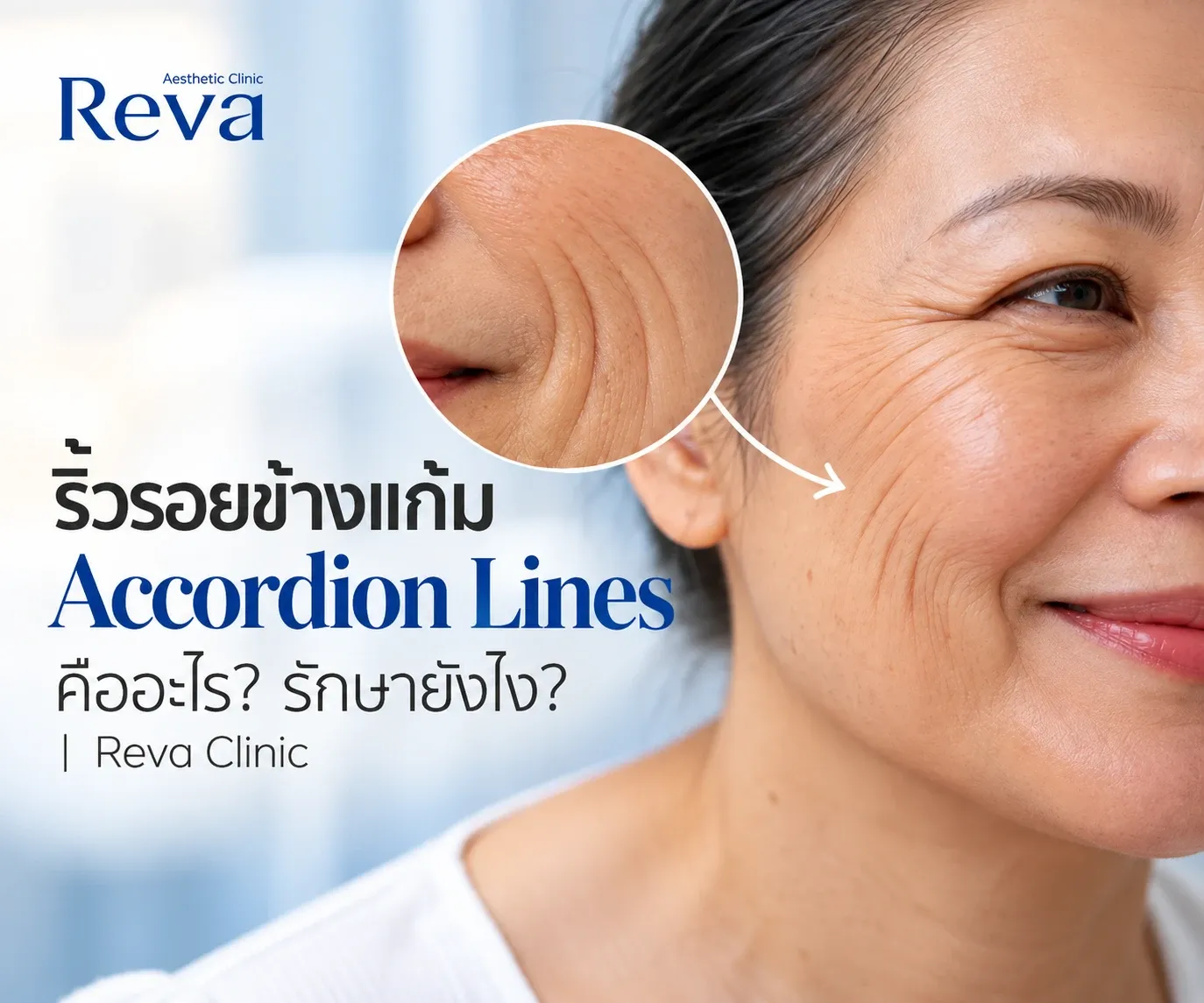
Thin, crepey skin and fine lines: Additional assessment of dermal structure, hydration, and skin quality may be necessary.
Significant skin laxity: Skin-tightening procedures or other treatments may be more appropriate.
Dynamic expression wrinkles: Treatments targeting muscle activity may be more suitable.
Although Program Sculptra has evidence supporting improvement in certain wrinkles and facial concerns, it does not address every aspect of skin aging equally.
Sometimes, what appears to be an unsuccessful treatment may actually reflect a mismatch between the patient's primary concern and the expected benefits of the procedure.
3.2 Does Your Body Have Enough Nutrients to Produce Collagen?
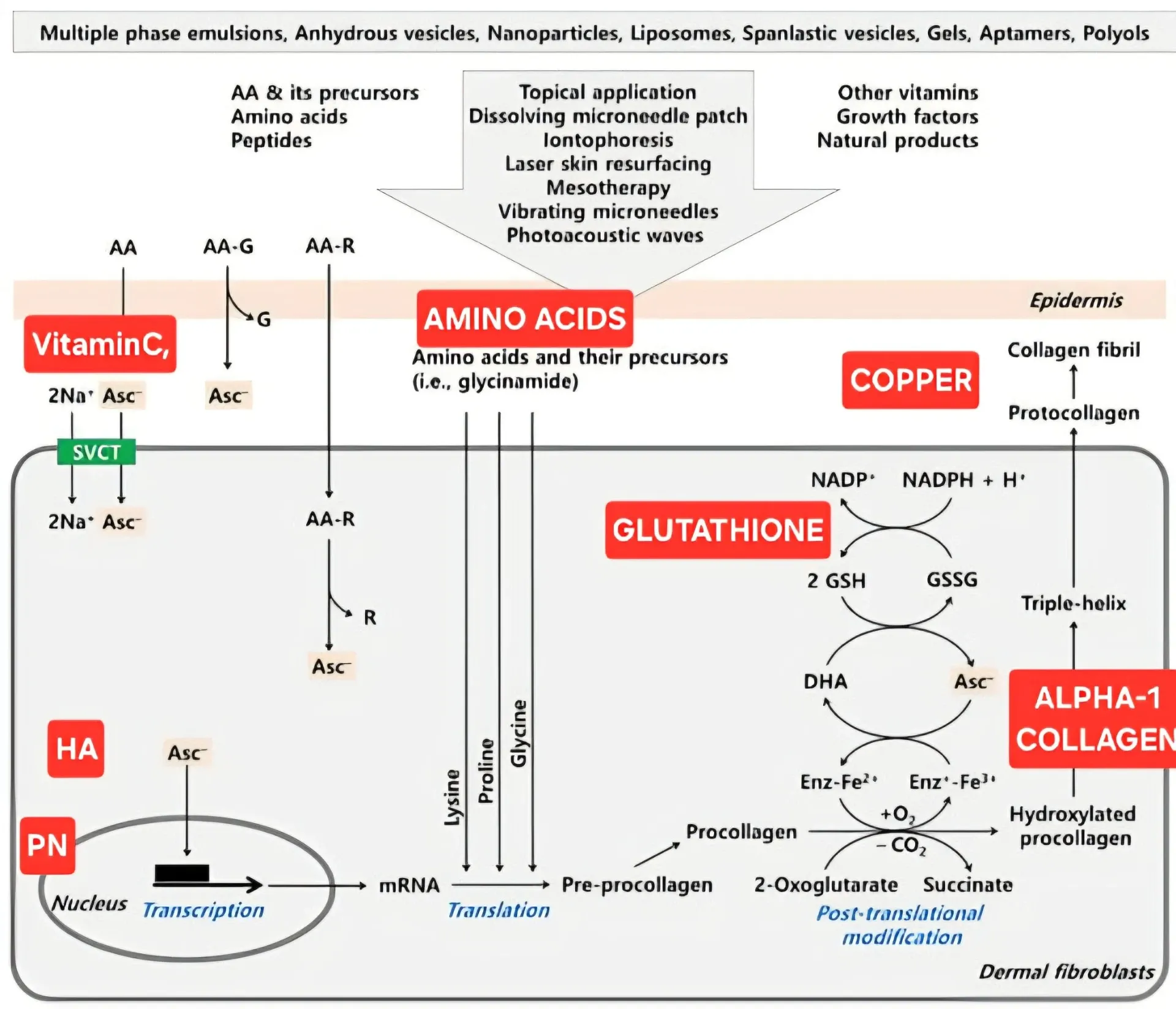
Collagen production is a biological process that requires functioning cells and adequate nutrients.
Three nutrients play particularly important roles.
Protein
Protein supplies amino acids needed to produce collagen and other structural proteins.
Prolonged inadequate protein intake may impair tissue maintenance and repair.
Vitamin C
Vitamin C is essential for collagen synthesis.
It acts as a cofactor for enzymes involved in the hydroxylation of specific amino acids, helping stabilize collagen structure.
Copper
Copper is an essential trace mineral involved in the activity of lysyl oxidase, an enzyme responsible for cross-linking collagen and elastin fibers.
These cross-links contribute to the structural integrity of connective tissues.
Does taking extra protein, vitamin C, or copper improve Program Sculptra results?
Not necessarily.
Although these nutrients are important for normal collagen production, there is currently insufficient clinical evidence that supplementation improves Program Sculptra outcomes in individuals who are not deficient.
The priority should be maintaining a balanced diet and correcting any confirmed nutritional deficiencies rather than taking high-dose supplements without medical guidance.
3.3 Can Aging Fibroblasts Affect Collagen Production?
Why might the skin of a 30-year-old respond differently from that of a 60-year-old?
One important factor is the behavior of fibroblasts, the cells responsible for producing collagen and other components of the skin's extracellular matrix (ECM).
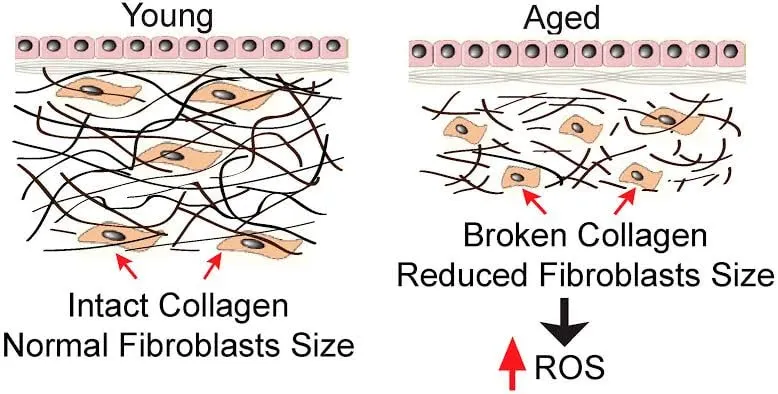
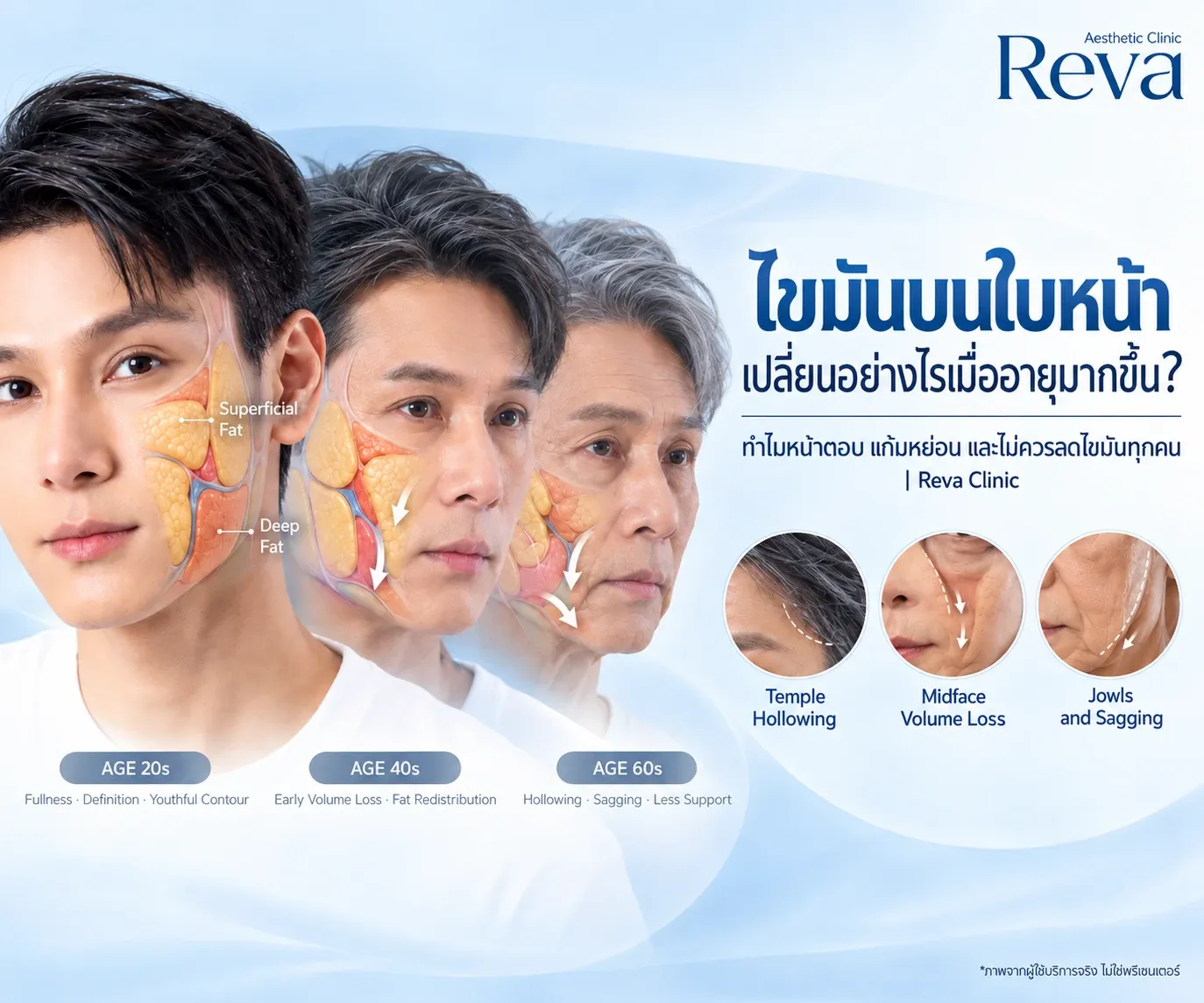
As we age, changes occur not only in the amount of collagen but also in its structure.
Existing collagen fibers become increasingly fragmented, altering the environment surrounding fibroblasts.
This can affect how fibroblasts attach to the extracellular matrix, respond to mechanical forces, and regulate collagen production.
In simple terms:
Aging skin doesn't just contain less collagen. The cells responsible for producing collagen may also function differently.
However, this does not mean that older patients cannot respond to Program Sculptra.
There is currently insufficient evidence to establish a specific age at which Program Sculptra becomes ineffective.
Individual skin condition and treatment goals are more informative than age alone.
What Should You Do If Program Sculptra Isn't Giving You the Results You Expected?
If you're dissatisfied with your results, additional injections should not automatically be the next step.
Instead, consider these three factors:
The product: Was an authentic product used and prepared correctly?
The doctor: Were the injection depth, placement, quantity, and treatment plan appropriate?
The patient: Was Program Sculptra suitable for your concerns? Were nutritional needs met? Could age-related skin changes influence the outcome?
If you are still within the expected collagen-stimulation period, your doctor may recommend waiting and monitoring your progress.
However, if you have completed the recommended treatment plan and your main concerns remain thin, crepey skin, fine lines, or uneven texture, a treatment targeting skin quality through a different mechanism may be considered.
Still Experiencing Loose, Crepey Skin After Program Sculptra? What Are the Alternatives?
If you have completed your recommended Program Sculptra treatment plan and allowed sufficient time for results to develop, but still notice loose, crepey skin or fine lines, it does not necessarily mean you need additional Program Sculptra injections.
Different skin concerns may require different treatment approaches, including improving skin quality, stimulating collagen through alternative methods, restoring hydration, or addressing skin laxity.
1. Program Rh Collagen (Injectable Collagen) for Crepey Skin and Fine Lines
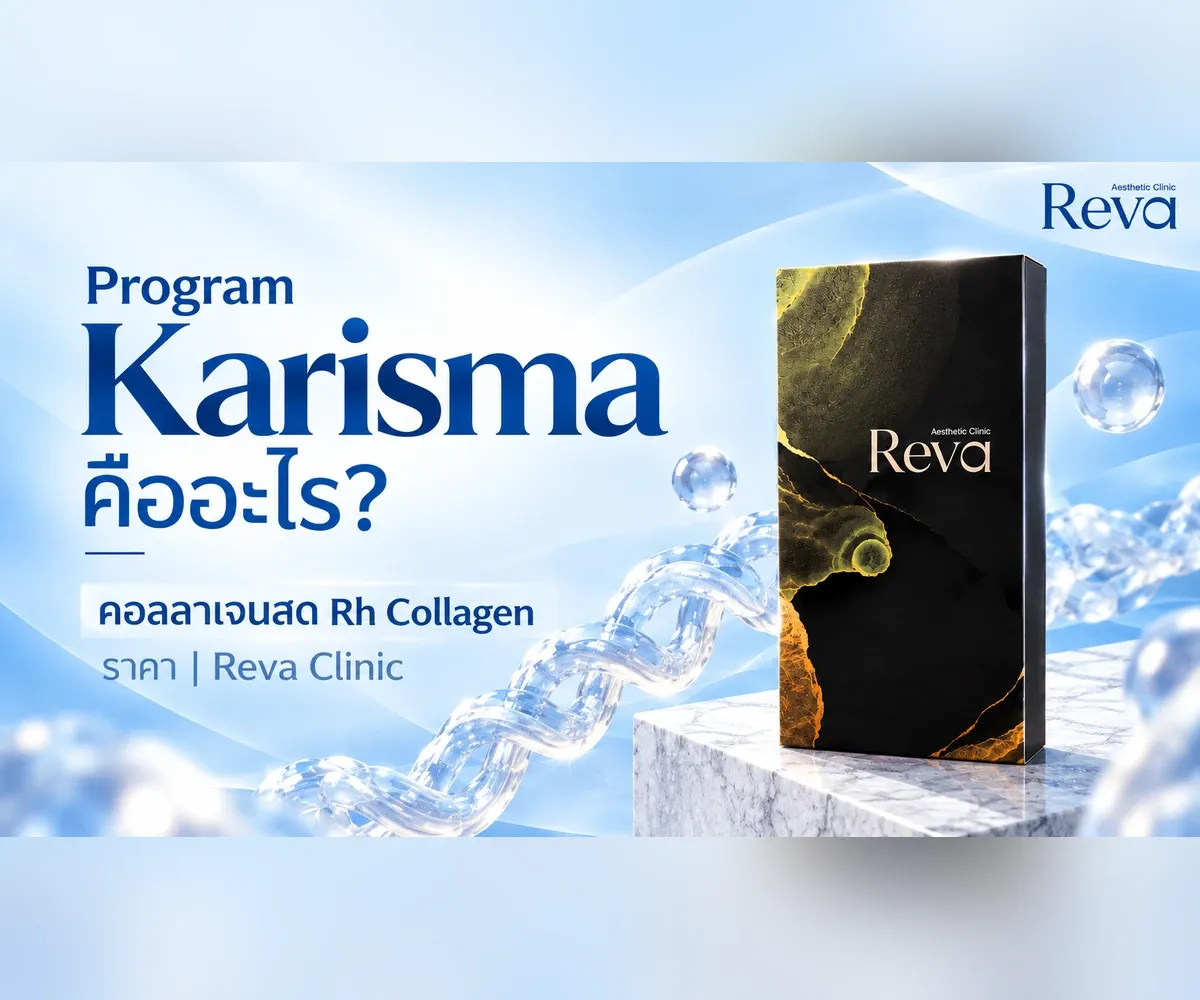
Program Rh Collagen uses injectable formulations containing Recombinant Human Collagen. One example is Karisma, which combines recombinant human collagen with Hyaluronic Acid (HA) and Carboxymethylcellulose (CMC).
Its composition and proposed mechanisms differ from Program Sculptra, which contains Poly-L-Lactic Acid (PLLA). Preliminary clinical studies of Karisma have reported improvements in certain skin quality and wrinkle-related measurements following treatment.
Program Rh Collagen may therefore be considered for individuals concerned about crepey skin, fine lines, and uneven skin texture.
However, there is currently no direct clinical evidence demonstrating that Program Rh Collagen can reverse an inadequate response to Program Sculptra or provide superior results.
Learn more: What Is Program Rh Collagen? Benefits of Injectable Collagen
2. Program Definisse Revitalise Threads for Collagen Stimulation
Program Definisse Revitalise Threads uses smooth, absorbable threads made from Poly(L-Lactide-co-ε-Caprolactone), or P(LA-CL), to stimulate a tissue response associated with collagen production around the implanted threads.
Although both Program Definisse Revitalise Threads and Program Sculptra are used in collagen-focused aesthetic treatments, their materials, treatment techniques, and tissue responses differ.
Physicians may consider this approach for selected patients concerned about skin firmness and structural support, depending on their skin condition, treatment history, and individual risk factors.
Learn more: Program Definisse Revitalise Threads
3. Program Skin Booster for Dehydrated Skin and Fine Lines
Sometimes, skin that appears crepey or wrinkled may also be affected by dehydration and reduced skin hydration.
In these cases, physicians may consider injectable skin hydration treatments containing Hyaluronic Acid.
Examples include Program Revive, which contains Hyaluronic Acid and Glycerol, and Program Profhilo, an injectable HA-based treatment designed for skin remodeling.
These treatments address different aspects of skin quality compared with Program Sculptra and are not interchangeable in every situation.
Explore more: Skin Rejuvenation Treatments at Reva Clinic
4. Skin Tightening Programs for Facial Laxity
If the primary concern is sagging skin rather than fine lines or crepey texture, additional collagen-stimulating injections may not be the most appropriate solution.
Depending on the severity and location of skin laxity, physicians may consider energy-based treatments such as:
Program Ulthera SPT: Uses focused ultrasound energy to target selected tissue depths and support skin tightening.
Program Oligio X: Uses monopolar radiofrequency energy to deliver controlled heating to the skin, supporting collagen remodeling and improvements in skin firmness.
These technologies work through different energy-delivery mechanisms and have different treatment considerations.
The most appropriate option depends on the degree of skin laxity, facial anatomy, skin condition, and individual treatment goals.
Explore more: Skin Tightening Programs at Reva Clinic
Which Treatment Is Right for You?
There is no single treatment that works best for everyone, even when patients appear to have similar skin concerns.
Some individuals may still have facial volume loss, while others may primarily experience reduced skin elasticity, dehydration, fine lines, or skin laxity.
Before deciding to repeat Program Sculptra or switch to another treatment, a physician should assess your skin condition, previous treatment history, and the underlying causes of your concerns.
At Reva Aesthetic Clinic, treatment recommendations are based on individual skin assessment rather than a one-size-fits-all approach.
The goal is not simply to stimulate more collagen, but to select a treatment that addresses the actual cause of your remaining skin concerns.
Frequently Asked Questions (FAQ)
Q: If Program Sculptra isn't working, does that mean the product was fake?
A: Not necessarily. Treatment outcomes depend on several factors, including product authenticity, preparation, injection technique, and the patient's skin condition. However, product authenticity should always be verified before treatment.
Q: Should I increase my protein intake after Program Sculptra?
A: Adequate protein intake supports normal tissue maintenance and collagen synthesis. However, there is no clear evidence that consuming protein beyond your nutritional requirements improves Program Sculptra results.
Q: Does vitamin C improve Program Sculptra results?
A: Vitamin C is essential for normal collagen synthesis, but there is insufficient evidence that taking additional vitamin C improves Program Sculptra outcomes in people without a deficiency.
Q: Can Program Sculptra still work for someone in their 60s?
A: Yes, older age alone does not mean treatment will be ineffective. Results depend on the patient's skin condition, treatment goals, and individual response.
Q: Can I receive Program Rh Collagen after Program Sculptra?
A: It may be considered in selected cases. Your doctor should assess your previous treatment areas, injection history, timing, and potential risks before recommending another injectable treatment. Evidence regarding the combined use of these products remains limited.
Summary: Program Sculptra Not Working? Identify the Cause Before Getting More Injections
If Program Sculptra hasn't produced the results you expected, it doesn't necessarily mean that the product is ineffective.
Treatment outcomes depend on three important factors: the product, the doctor, and the patient.
Authentic products, proper preparation, appropriate injection techniques, and individual skin characteristics all contribute to the overall outcome.
For patients experiencing persistent thin, crepey skin or fine lines, particularly with age-related changes in skin structure, a single collagen-stimulating approach may not address every concern.
Rather than immediately increasing the number of injections, the priority should be identifying the underlying cause and choosing a treatment strategy that matches your skin's needs.
Personalized Skin Assessment at REVA Clinic
At REVA Clinic, our doctors focus on evaluating your skin condition, treatment history, and individual concerns before recommending an appropriate treatment plan.
References
U.S. Food and Drug Administration. Sculptra – P030050/S039. https://www.fda.gov/medical-devices/recently-approved-devices/sculptra-p030050s039
Avelar LE, et al. (2023). Consensus recommendations on the use of injectable poly-L-lactic acid in Asian patients. https://doi.org/10.1111/jocd.15969
Cole MA, et al. (2018). Extracellular matrix regulation of fibroblast function: redefining our perspective on skin aging. https://pmc.ncbi.nlm.nih.gov/articles/PMC5842211/
Shin JW, et al. (2019). Molecular Mechanisms of Dermal Aging and Antiaging Approaches. https://pmc.ncbi.nlm.nih.gov/articles/PMC6540032/
Di Rosa L, et al. (2024). New Regenerative and Anti-Aging Medicine Approach Based on Single-Stranded Alpha-1 Collagen for Neo-Collagenesis Induction. https://pmc.ncbi.nlm.nih.gov/articles/PMC11048055/