What Causes Dull Skin? How to Brighten Dull, Tired-Looking Skin – 2026 Update | Reva Clinic
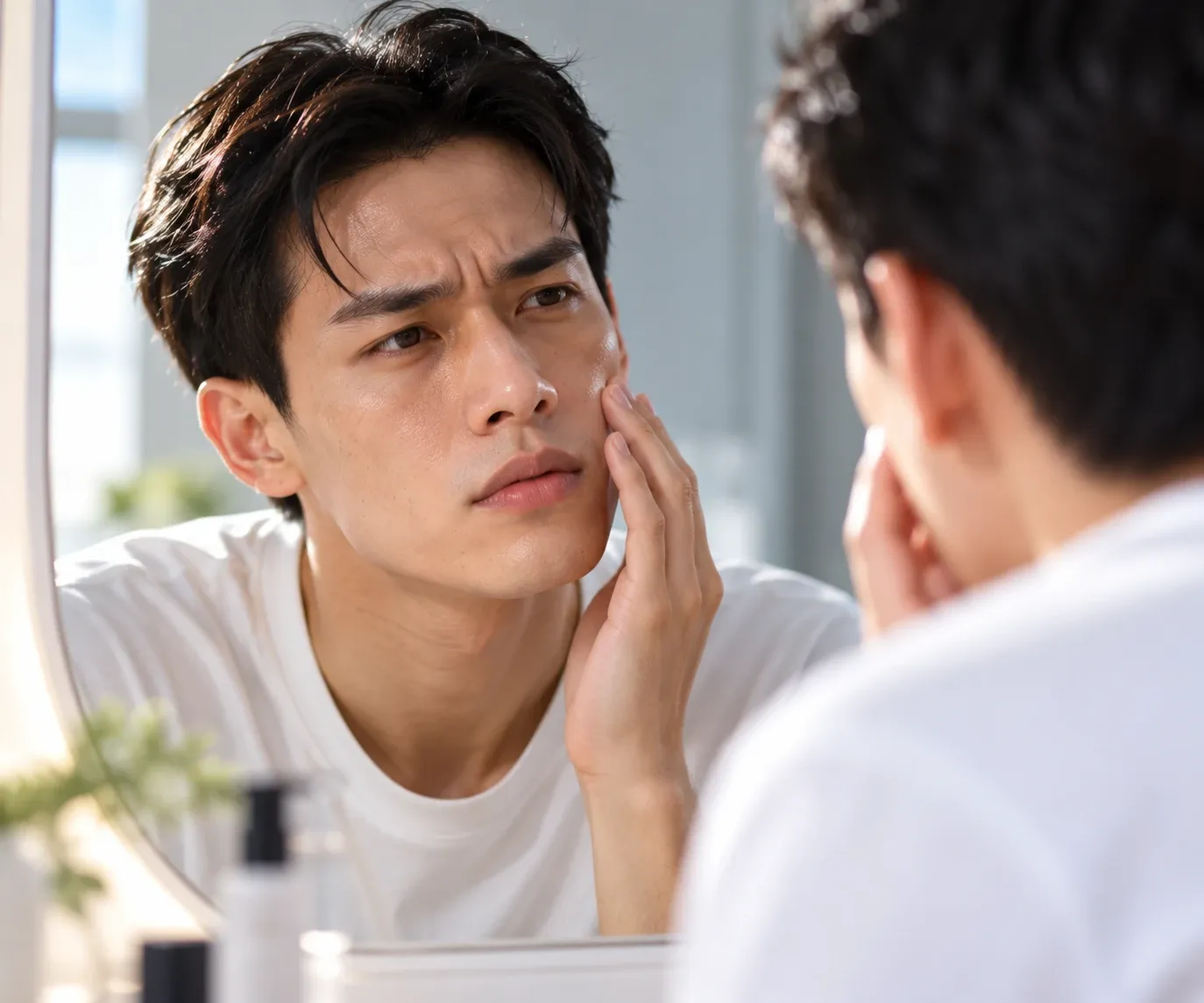
“My skin looks dull lately” is a common concern, but dull skin can mean different things to different people.
For some, it means their skin looks darker or has more pigmentation, such as melasma, sun spots, or post-acne marks. For others, there may be very little pigmentation, but the skin looks dry, tired, uneven, or simply lacks its usual glow.
This is why the first question should not necessarily be:
“Which laser should I get?”
A more useful question is:
“What is making my skin look dull?”
Skin radiance is not determined by melanin alone. Skin tone, hydration, texture, surface smoothness, and overall skin quality can all influence how bright and healthy the skin appears.
Two people may both describe their skin as “dull,” yet require completely different approaches.
Key Takeaways
Dull skin does not always mean excess pigmentation.
Melasma, freckles, sun spots, and post-acne marks can make the complexion look uneven.
Dry or dehydrated skin may look dull even without significant pigmentation.
Rough texture, enlarged pores, and fine lines can reduce the appearance of skin radiance.
Excess sebum, clogged pores, and uneven texture may also affect overall skin quality.
Treatment should therefore target the underlying cause of dullness, rather than simply choosing a treatment marketed for “brightening.”
What Is Dull Skin?
“Dull skin” is not a specific medical diagnosis. It is a general term used to describe skin that appears less radiant, less even, or less healthy-looking than usual.
Some people notice that their complexion looks darker or greyish. Others feel that their face looks tired despite getting enough rest. Some notice that makeup no longer sits smoothly on the skin or that their skin has lost its usual glow.
These differences matter because they may have completely different causes.
For example, someone with melasma or post-acne dark spots may primarily have a pigmentation problem.
Someone whose skin feels tight, rough, and flaky may have more of a hydration or Skin Barrier problem.
Others may have several concerns at the same time, including pigmentation, dehydration, enlarged pores, and uneven texture.
What Causes Dull Skin?
1. Pigmentation and Uneven Skin Tone
Pigmentation is probably the first thing most people think of when their skin looks dull.
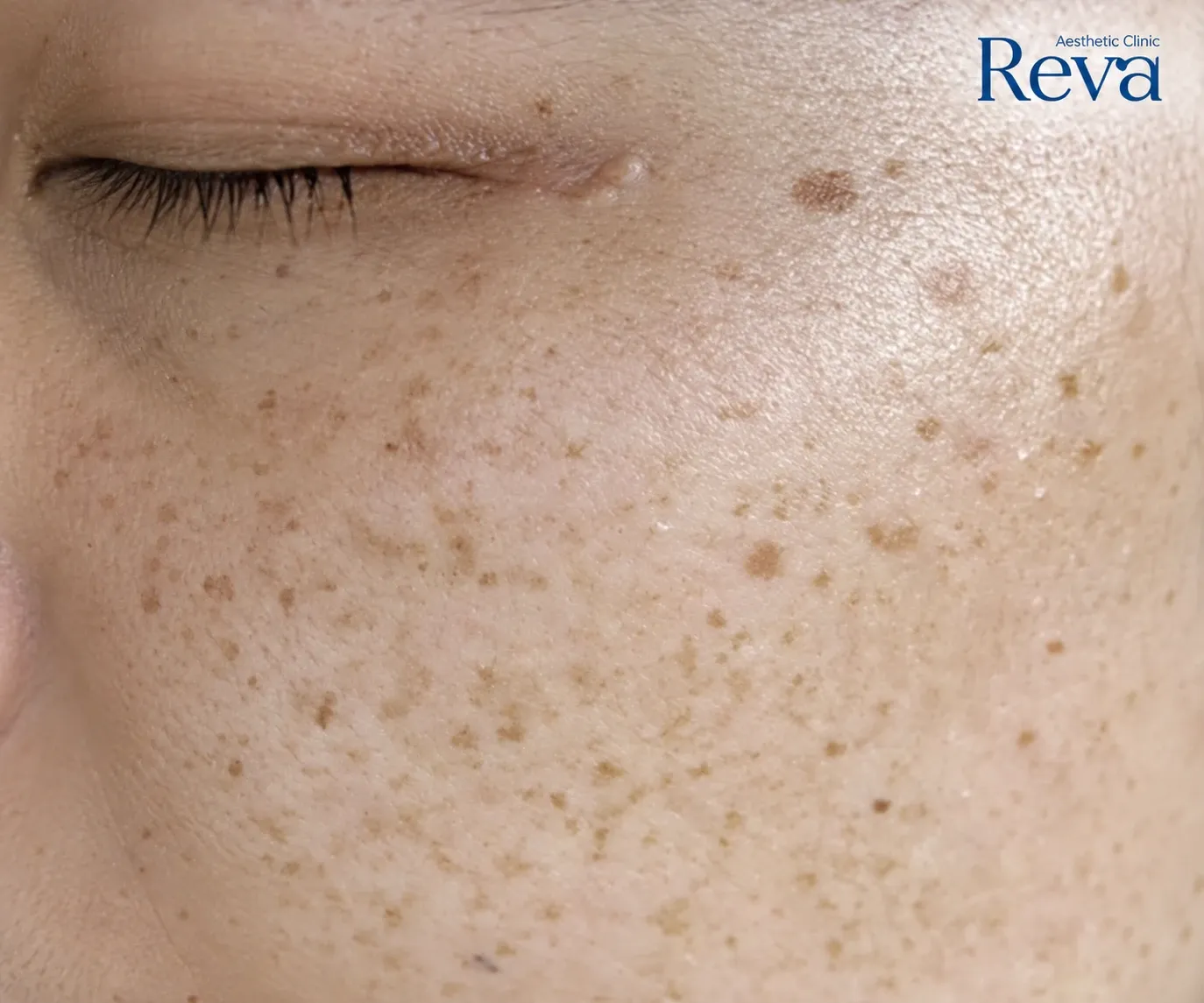
When melanin is distributed unevenly, it may appear as melasma, freckles, sun spots, or post-inflammatory hyperpigmentation (PIH). Even if the overall skin tone has not become significantly darker, these areas of uneven pigmentation can make the complexion look less clear and less uniform.
PIH is particularly common after acne or other forms of skin inflammation. After the inflammation improves, brown or grey-brown marks may remain.
Sun exposure is another important factor because ultraviolet radiation can influence melanin production. This is why regular sunscreen remains an important part of skincare for people concerned about pigmentation.
However, not every brown spot on the face is the same.
Melasma, freckles, sun spots, and PIH can require different approaches. A brown spot should therefore not automatically be treated with the same laser simply because it looks dark.
If brown spots are your main concern, you can also read our article on brown spots on the face and how to differentiate common types of pigmentation.
2. Dry or Dehydrated Skin Can Look Dull
Some patients say their skin looks dull even though they have relatively little pigmentation.
On closer examination, the more obvious problem may be that the skin is dry, dehydrated, rough, or lacking plumpness.
Smooth, adequately hydrated skin interacts with light differently from a rough, dry surface. This is one reason why skin may appear more radiant immediately after applying a suitable moisturizer, even though the amount of melanin in the skin has not changed.
In this situation, focusing only on pigmentation may miss the main problem.
The underlying issue may instead involve Hydration or the Skin Barrier.
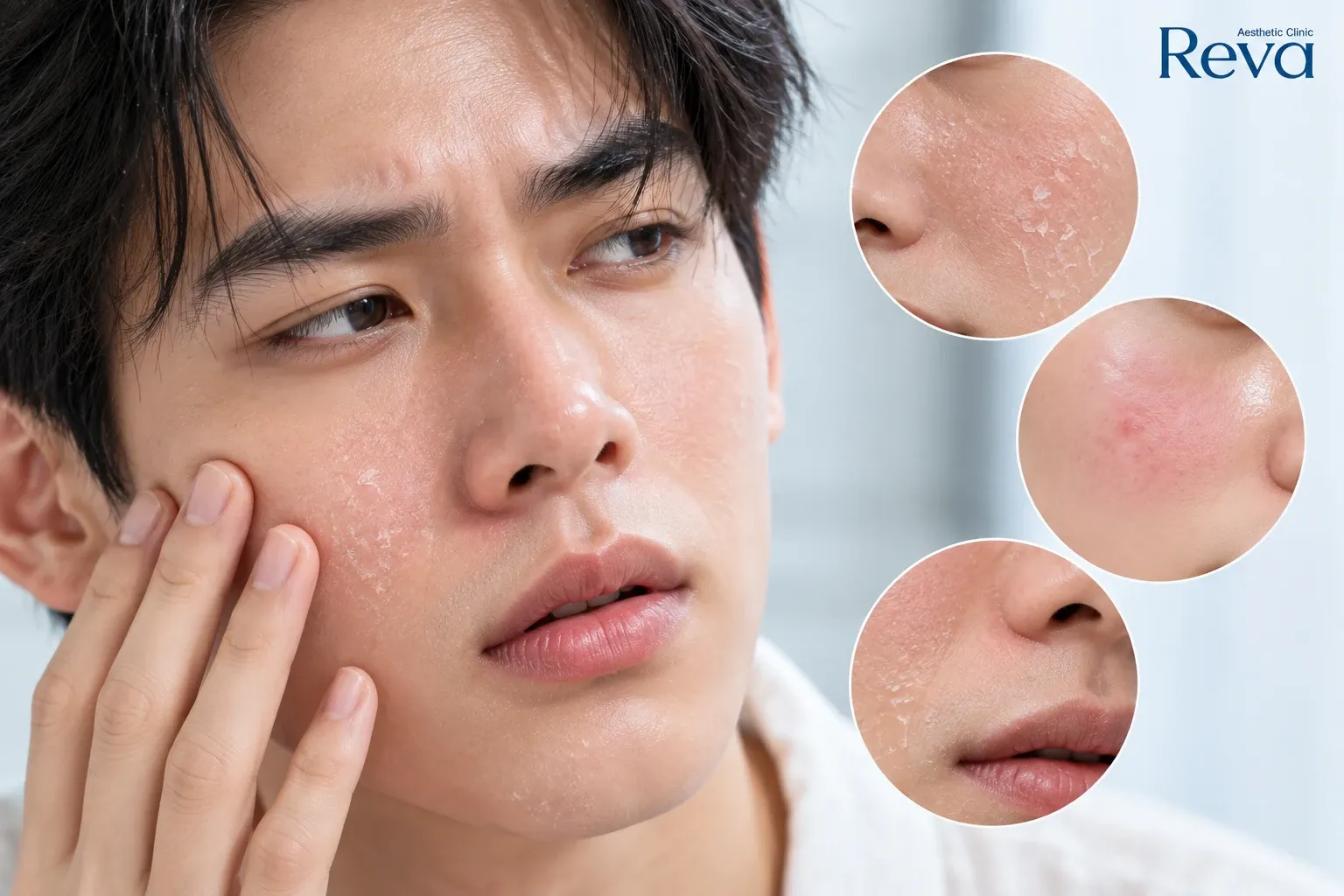
This is particularly relevant for people using Retinol, prescription Retinoids, AHA, BHA, or several active ingredients at the same time. When the skin becomes irritated, it may feel dry, tight, flaky, or sensitive and can actually look less healthy despite using multiple “brightening” products.
If your skin also feels tight, flaky, or difficult to apply makeup over, read our article “What Causes Dry Skin? Dry vs Dehydrated Skin & How to Treat It – 2026 Update.”
3. Uneven Skin Texture Can Reduce the Appearance of Glow
Sometimes pigmentation is not the main problem at all.
The complexion may be relatively even, but the skin still does not look particularly radiant. When examined more closely, there may be rough texture, enlarged pores, clogged pores, or fine lines.
A smoother surface tends to reflect light more evenly, while an irregular surface scatters light in different directions. As a result, rough skin may appear less luminous even when there is no major change in pigmentation.
This is why improving “brightness” does not always mean reducing melanin. In some patients, improving skin texture may be more relevant.
If enlarged pores are also present, it is useful to identify why the pores appear larger. Excess sebum, changes in skin elasticity, and hair follicles can all contribute.
For a more detailed explanation, read “What Causes Enlarged Pores? How to Minimize the Appearance of Pores – 2026 Update.”
4. Can Oily Skin Look Dull?
Yes.
Oily skin itself does not necessarily cause dullness, but excess sebum may coexist with clogged pores, enlarged pores, acne, and uneven texture, all of which can affect the overall appearance of the skin.
It is also important to understand that oily skin can still be dehydrated.
Sebum and water content are different components of the skin. Someone can therefore have a shiny or oily face while the skin itself lacks adequate hydration.
If excess oil, clogged pores, or enlarged pores are also concerns, read “What Causes Oily Skin? How to Reduce Excess Oil – 2026 Update.”
For selected patients, Program Oil Control or Program LHALA Peel may be considered depending on the underlying concern and skin condition.
5. Redness and Inflammation Can Make Skin Tone Look Uneven
When we think about uneven skin tone, we often think only about brown pigmentation. But redness can also affect how even and clear the complexion appears.
Inflammatory acne, post-acne redness, and irritated skin may all make the face look less uniform.
In these situations, repeatedly adding more brightening ingredients without first addressing inflammation or Skin Barrier irritation may not be helpful. In some cases, using too many active ingredients can make the irritation worse.
For some patients, improving radiance is therefore less about making the skin “lighter” and more about helping the complexion look healthier and more even.
Why Does Skin Look Duller as We Age?
As we age, the skin does not change in only one way.
Changes can occur in hydration, texture, pigmentation, fine lines, collagen, and elasticity at the same time.
This is why someone may notice that their skin looks more tired or less radiant than it did several years ago, even if they cannot identify one specific problem.
In these cases, treating “dullness” as purely a pigmentation issue may be too simplistic. The change may instead reflect several aspects of Skin Quality occurring together.
How Should You Start Treating Dull Skin?
Regardless of the cause, a few basics should not be overlooked: sunscreen, an appropriate moisturizer, and gentle cleansing.
Sunscreen is particularly important when pigmentation is a concern, while moisturizers can help support hydration and the Skin Barrier.
Brightening skincare ingredients such as Vitamin C, Niacinamide, or Retinoids may also be considered depending on the skin concern and tolerance.
However, more active ingredients do not necessarily mean better results.
This is especially important for sensitive skin. Combining too many active ingredients may lead to dryness and irritation, potentially making the skin look worse rather than brighter.
Which Laser Is Best for Dull Skin?
This is one of the most common questions, but the cause should ideally be assessed before choosing a device.
If pigmentation is the main problem, it is important to determine whether it is melasma, freckles, sun-related pigmentation, PIH, or another condition. Certain cases may be considered for Program Pico Laser, depending on the diagnosis and treatment goal.
However, if the skin looks dull primarily because of texture or collagen-related changes, the treatment strategy may be different.
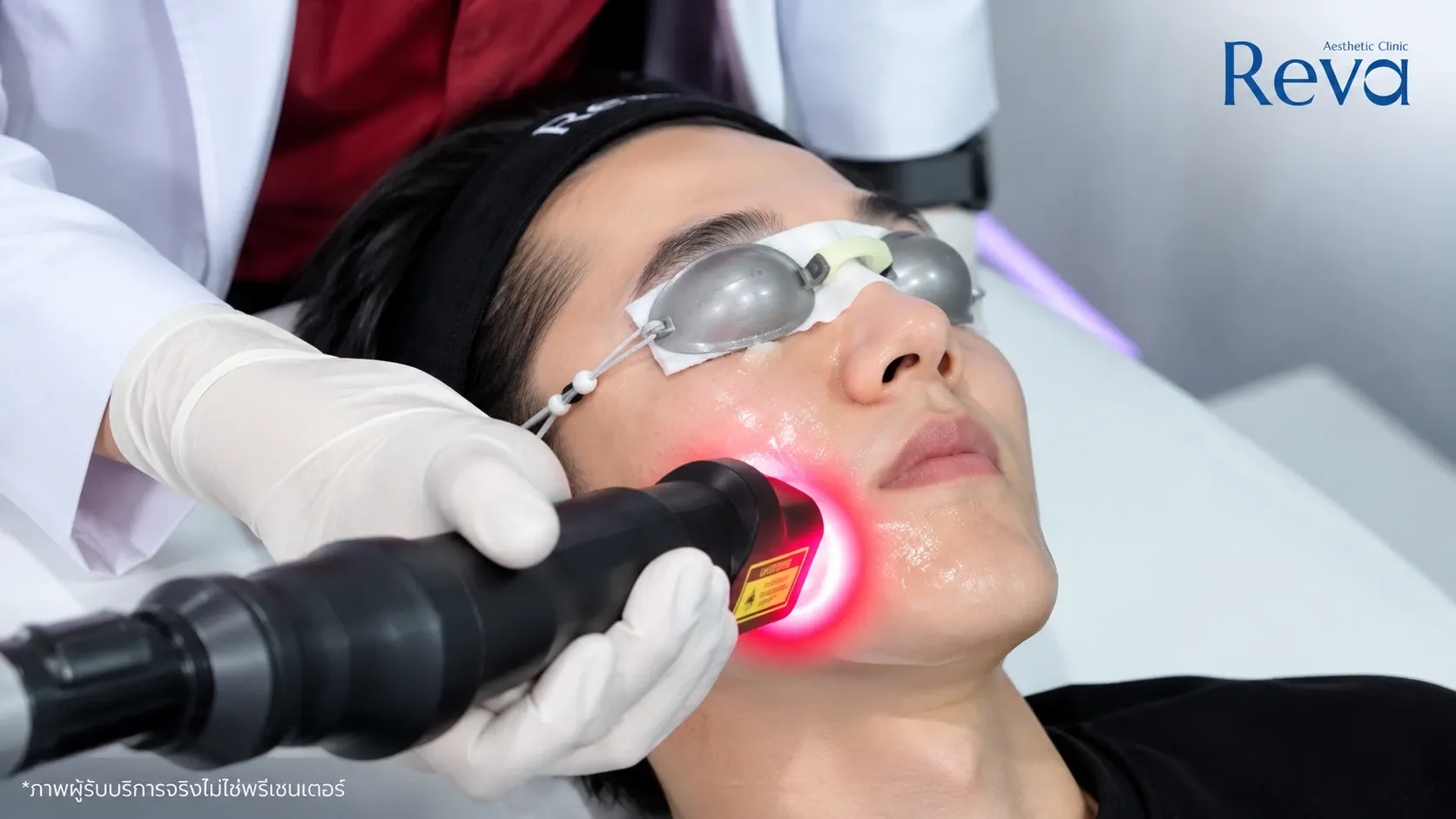
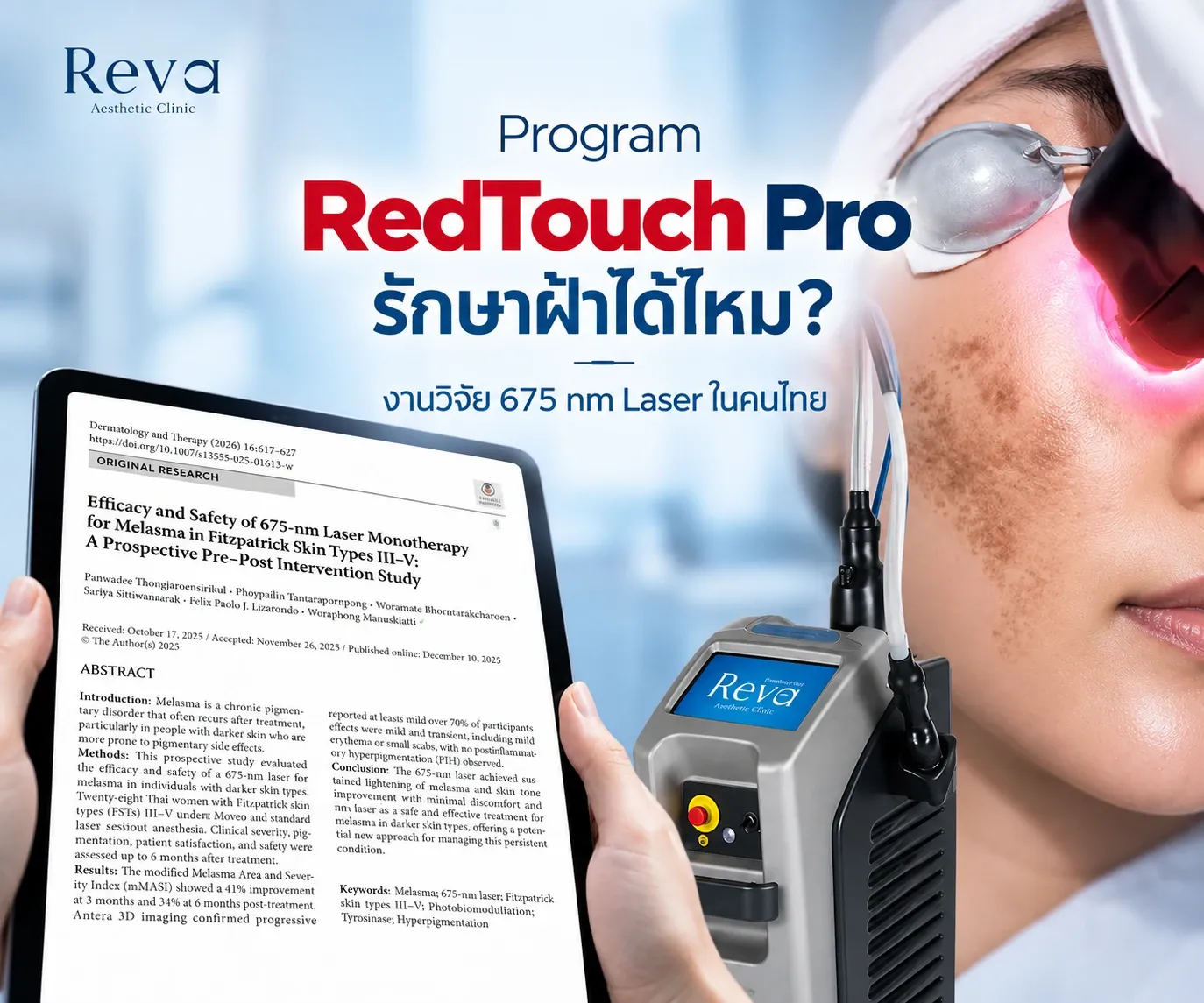
For example, Program RedTouch Pro uses a 675 nm wavelength and may be incorporated into a Skin Quality and collagen-focused treatment plan for suitable patients.
The more useful question is therefore not:
“Which laser makes the skin brightest?”
but rather:
“Does this laser target the reason my skin looks dull?”
You can also read our comparison article “Program RedTouch Pro vs Prog
Laser: What’s the Difference?”
Can Skin Boosters Help Dull Skin?
They may help in selected cases, but Skin Boosters should not be viewed as a replacement for pigment-specific treatment.
If the main concerns are dehydration, fine lines, or reduced Skin Quality, improving hydration and skin condition may help the complexion appear plumper and more refreshed.
At Reva Clinic, HA-based options include Program Profhilo, Program Ejal40, Program Belotero Revive, Program Definisse Hydrobooster, and Program NCTF 135HA.
These products have different formulations and treatment goals, so they should not be selected simply according to which product contains the highest amount of HA.
PN-based products such as Program Vitaran and Program Rejuran HB Plus may also be incorporated into Skin Quality treatment plans for suitable patients, with a different formulation and treatment rationale.
If you are comparing these two categories, read “Program Hya vs Program PN: What’s the Difference?”
What If You Have Dull Skin, Enlarged Pores, Dryness, and Fine Lines at the Same Time?
This is actually quite common.
A person may simultaneously have dehydration, pigmentation, enlarged pores, uneven texture, and collagen-related changes.
Choosing one treatment simply because it is currently popular may therefore fail to address the overall picture.
At Reva Clinic, REVA ICONIC SKIN can be used to assess multiple aspects of Skin Quality and create a more personalized treatment plan.
One person may need to prioritize hydration, while another may need to focus primarily on pigmentation. Someone else may need to address texture, pores, and collagen together.
The goal is not to perform as many treatments as possible, but to identify which aspects of the skin actually need attention.
Why Does My Skin Still Look Dull After Multiple Brightening Treatments?
One possible reason is that the treatment may not be addressing the main cause.
If dullness is primarily caused by dehydration, pigment-focused treatments alone may leave the skin looking dry and lacking radiance.
On the other hand, if visible pigmentation is the main concern, Skin Boosters may improve hydration and plumpness without directly addressing the pigmentation itself.
Similarly, if rough texture and enlarged pores are the main issues, brightening skincare alone may have a limited effect on the appearance of the skin surface.
This is why identifying the cause is often more useful than asking which treatment is “best.”
Frequently Asked Questions About Dull Skin
What should I use for dull skin?
Start with appropriate sunscreen, moisturizer, and skincare suited to your skin type. If there is a specific concern such as melasma, post-acne pigmentation, acne, or irritation, skincare should be selected according to that underlying problem.
Are dull skin and dark skin the same thing?
No. Darkening of the skin may be related to pigmentation, while dullness may also result from dehydration, uneven texture, or uneven skin tone without a significant overall increase in pigmentation.
Can oily skin still look dull?
Yes. Sebum and skin hydration are not the same thing. Oily skin can still be dehydrated and may also have enlarged pores or uneven texture that affects its overall appearance.
Should I choose a laser or a Skin Booster for dull skin?
It depends on the cause. Pigmentation may require a pigment-focused approach, whereas dehydration or reduced Skin Quality may require a different strategy. Some people have several concerns at the same time and may benefit from a combined treatment plan.
How can I make my skin look more radiant?
Rather than focusing only on making the skin “whiter,” consider the overall condition of the skin, including Hydration, Texture, Pigmentation, Pores, and Skin Barrier health.
Summary
If your skin looks dull, the first question should not be “Which machine or injection should I choose?”
Start by asking:
“What is making my skin look less radiant?”
If pigmentation is the main problem, address pigmentation. If the skin is dry or dehydrated, focus on Hydration and the Skin Barrier. If texture or enlarged pores are the main concerns, these should be assessed according to their underlying causes.
And when several problems occur together, it may be more useful to evaluate overall Skin Quality rather than focusing on a single treatment.
Ultimately, radiant skin does not simply mean lighter skin. It means skin that looks smooth, adequately hydrated, even-toned, and healthy.