Can Program RedTouch Pro Improve Acne Scars? Which Types of Acne Scars Are Suitable for a 675 nm Laser?
When it comes to acne scar treatment, many people begin by asking, “Which laser should I choose?”
In practice, however, a more important question comes first:
What type of acne scars do you actually have?
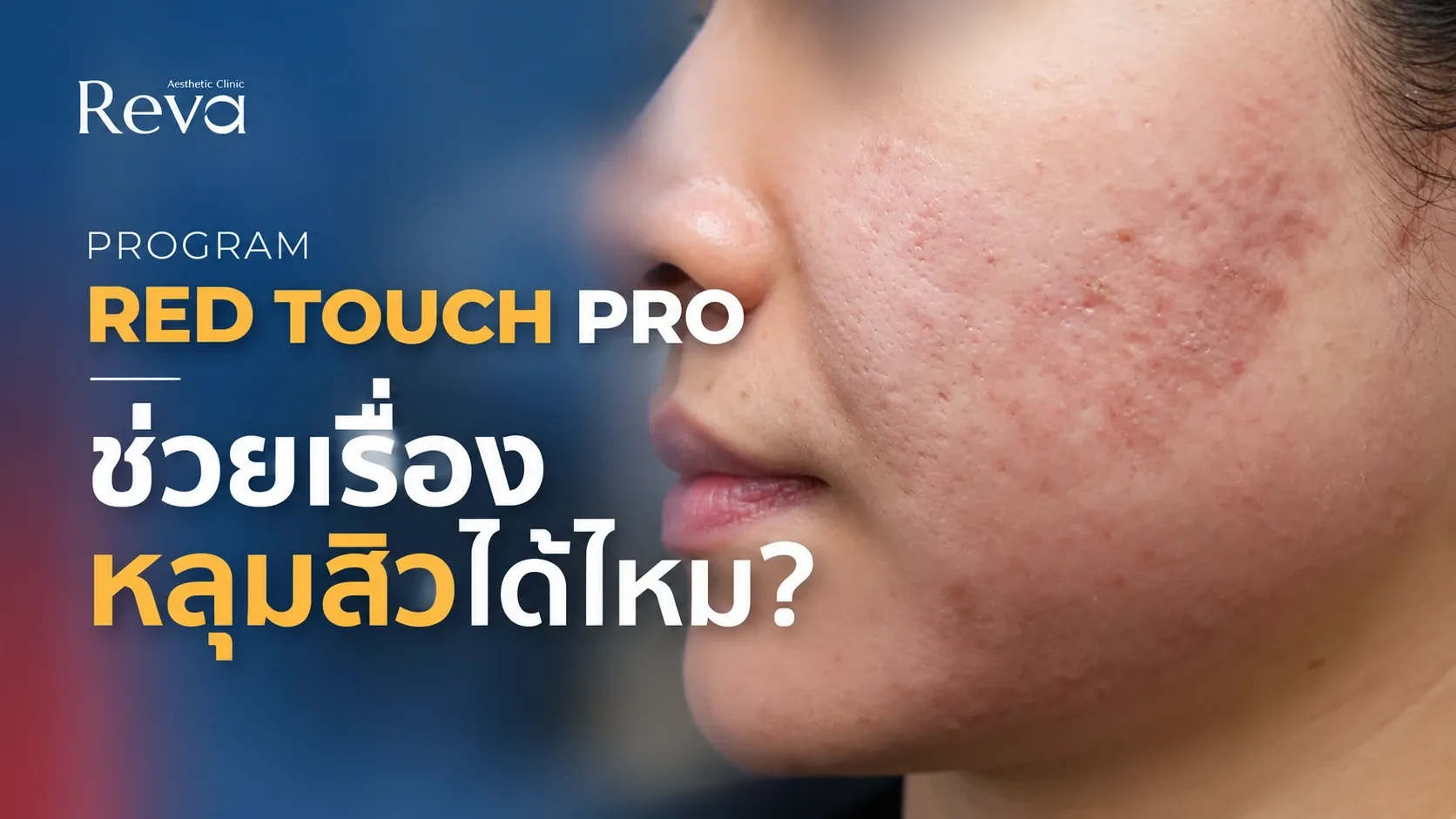
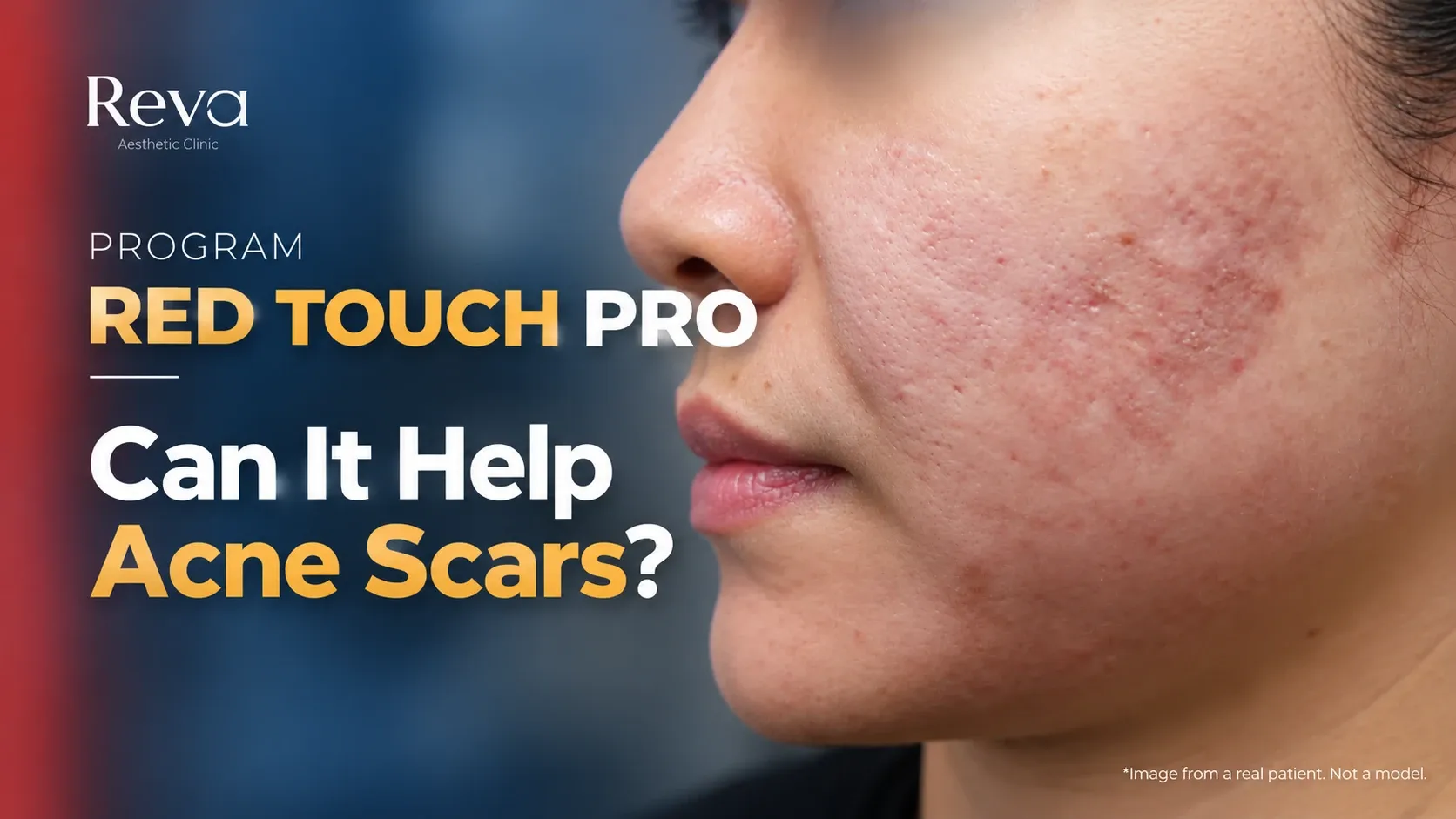
“Acne scars” can describe several different structural problems. Some are shallow and mainly affect skin texture, while others extend deeper into the skin or are tethered down by fibrous bands. This is why choosing a good device alone does not necessarily mean it will be suitable for every type of acne scar.
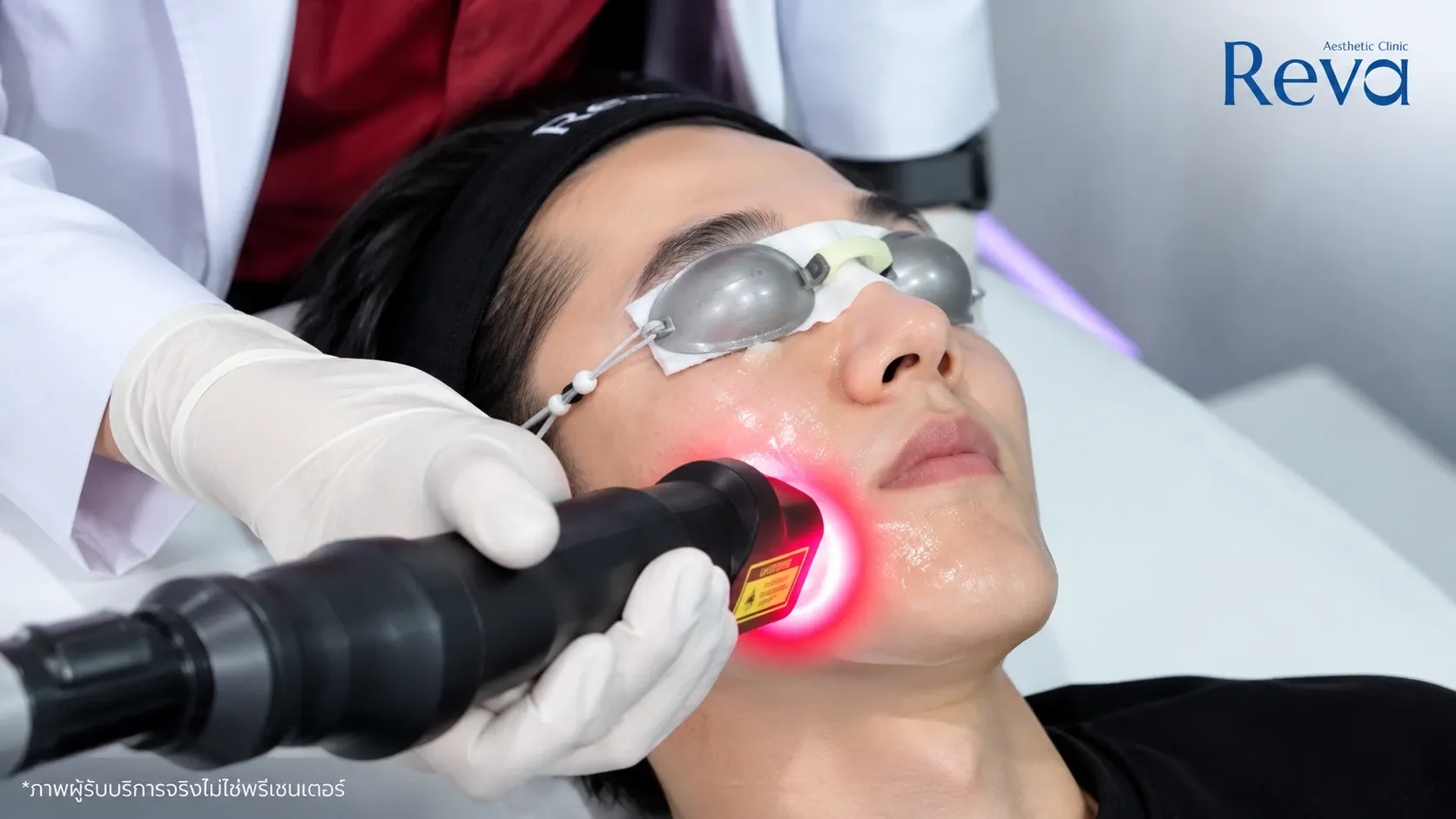
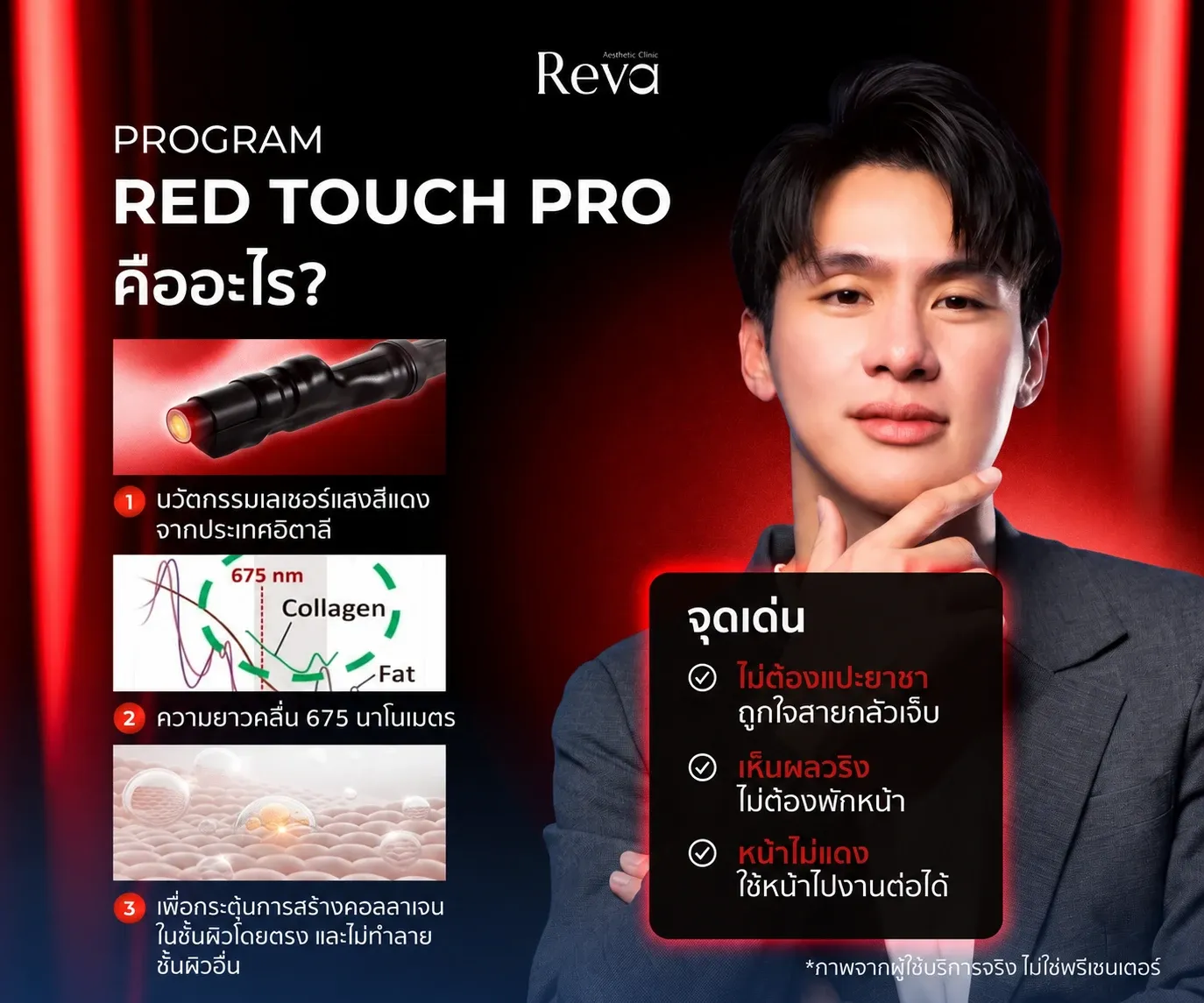
One technology that has gained increasing attention is the 675 nm laser, the wavelength used in Program RedTouch Pro. Its role in collagen remodeling makes it an option for improving skin quality and atrophic acne scars, particularly for patients looking for a non-ablative approach with relatively limited downtime.
More importantly for Asian patients, clinical evidence evaluating the 675 nm laser specifically in Fitzpatrick skin types III–IV is now available.
Key Takeaways
Program RedTouch Pro uses a 675 nm laser designed to stimulate collagen remodeling.
Clinical studies support the use of 675 nm laser treatment for atrophic acne scars.
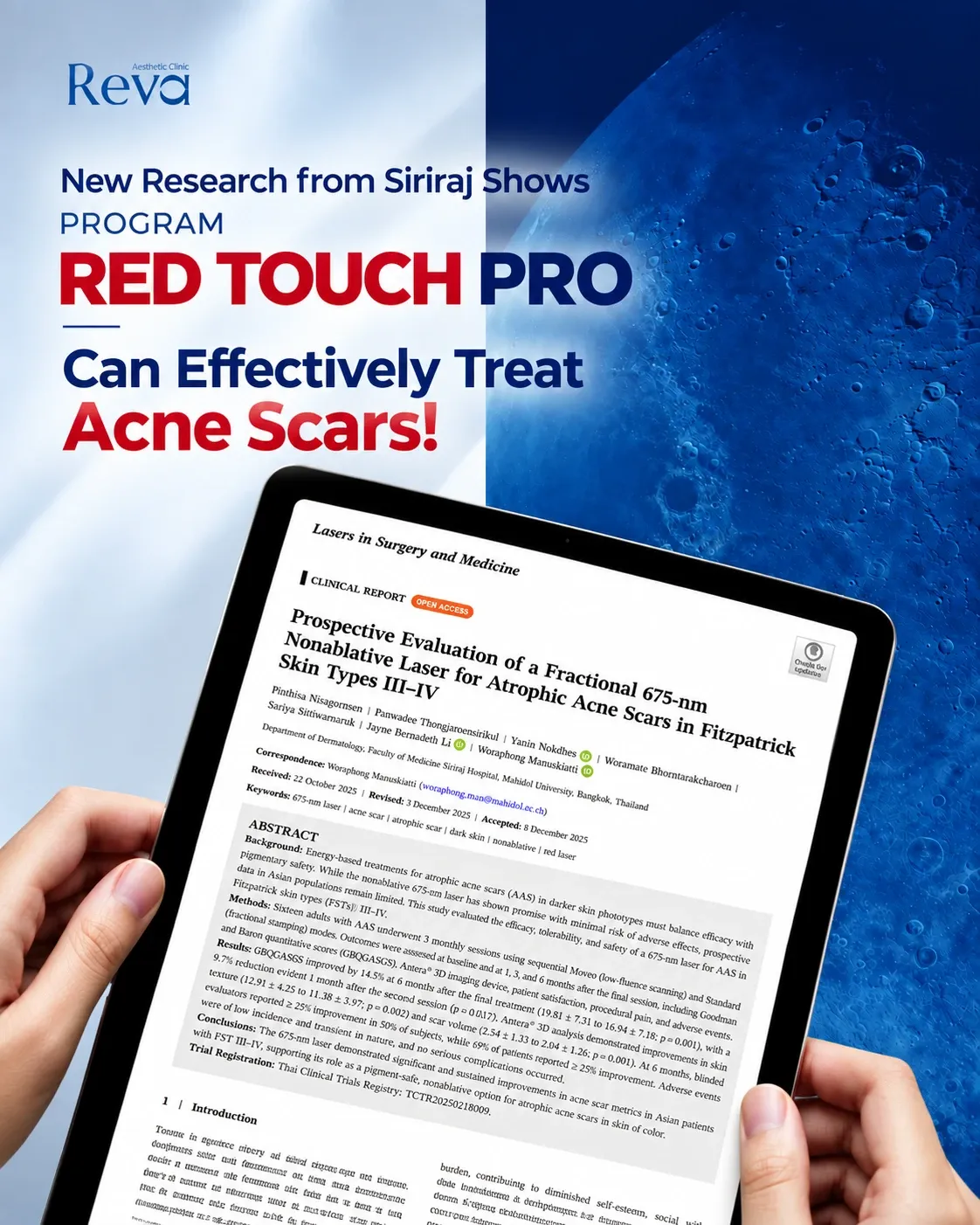
A 2026 study from Siriraj Hospital evaluated three monthly treatments in patients with Fitzpatrick skin types III–IV and found improvements in acne scar scores, skin texture, and scar volume.
Not all acne scars should be treated in the same way. Scar type, depth, and tethering all influence treatment planning.
Deep or tethered scars may require combination treatments rather than Program RedTouch Pro alone.
At Reva Clinic, treatment begins with scar assessment, followed by a personalized treatment design.
How Can Program RedTouch Pro Help With Acne Scars?
Program RedTouch Pro uses a 675 nm wavelength, with collagen remodeling being one of its main treatment targets.
Histological research following 675 nm laser treatment has demonstrated newly formed collagen fibers within treated tissue. This helps explain why the technology has subsequently been studied for both skin rejuvenation and scar treatment.
For acne scars, the idea is therefore not to instantly “fill” a depression.
Instead, treatment aims to encourage gradual changes in the collagen structure and quality of the skin. Results should therefore be considered in terms of improvements in skin texture, scar depth or volume, and the overall appearance of the skin, rather than expecting every scar to disappear after a single session.
Is There Evidence for the 675 nm Laser in Asian Skin?
Yes, and this is particularly relevant for patients in Thailand and other Asian populations.
A 2026 prospective study from the Department of Dermatology at Siriraj Hospital evaluated 16 adults with atrophic acne scars and Fitzpatrick skin types III–IV. Participants underwent three 675 nm laser treatments at one-month intervals. Each session sequentially combined low-fluence Moveo scanning with Standard fractional stamping.
At six months after the final treatment, the Goodman and Baron quantitative acne scar score had improved by an average of 14.5% from baseline. Three-dimensional imaging also demonstrated significant changes in skin texture and scar volume.
These numbers need to be interpreted appropriately. The study included only 16 participants, so a 14.5% average improvement should not be interpreted as a guarantee that every patient undergoing three treatments will experience exactly the same result.
An earlier observational study involving 24 patients also reported significant improvements in acne scar scores after three sessions of 675 nm laser treatment. Reported adverse effects were limited, with mild erythema occurring in three patients.
Taken together, the evidence is encouraging, but it also reinforces an important point: acne scar treatment should be individualized rather than based on the device alone.
Not All Acne Scars Should Be Treated the Same Way
This is arguably more important than choosing the laser itself.
When we assess acne scars, we do not simply look at whether someone has “a lot” or “a few” scars. We also look at their shape, depth, distribution, and whether the skin is tethered to deeper tissue.
A single patient may also have several scar types on the same face.
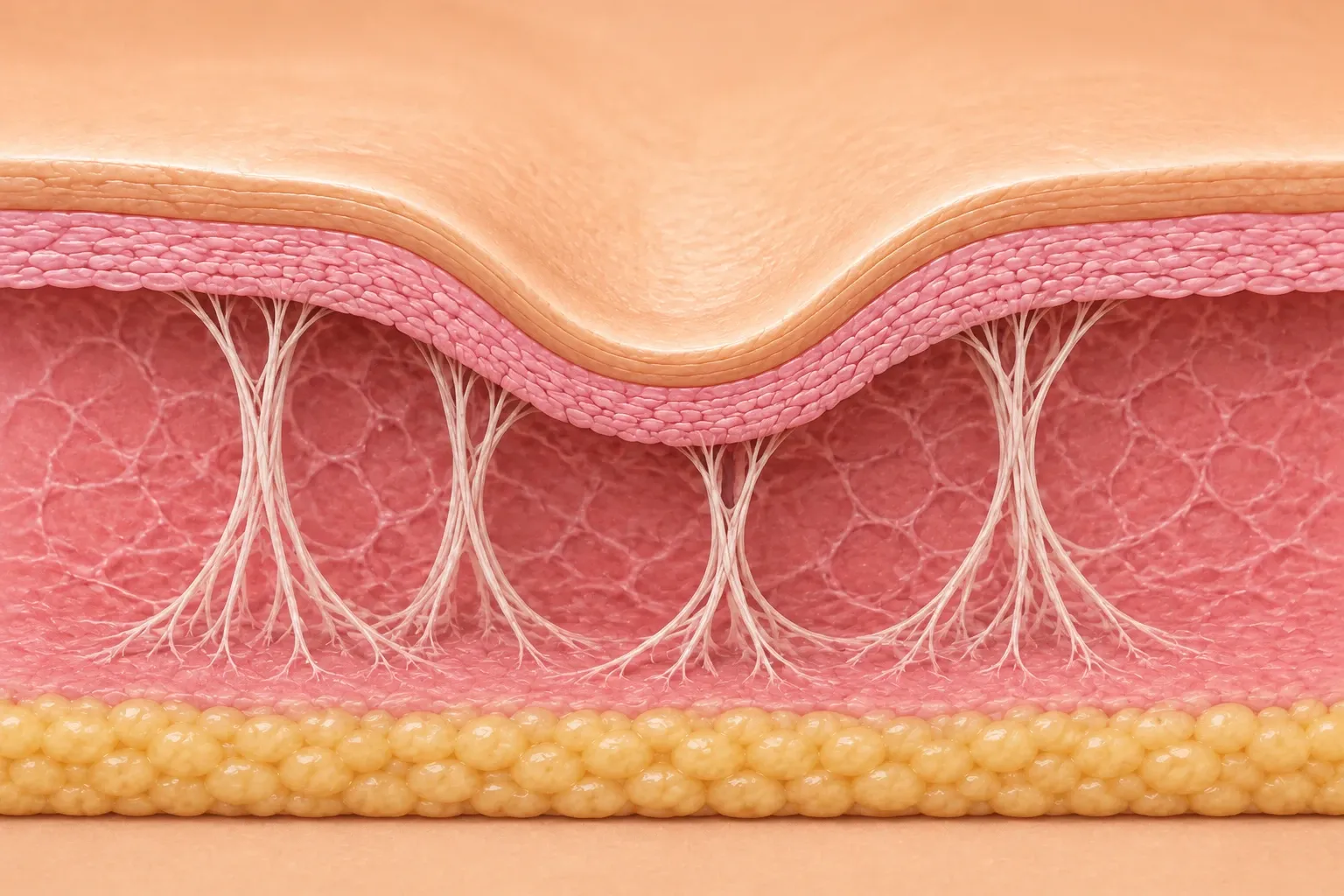
Rolling Scars
Rolling scars typically appear as broad depressions with relatively soft edges, giving the skin an uneven or wave-like appearance.
Some rolling scars are held down by fibrous bands beneath the skin. When significant tethering is present, stimulating collagen from above may not address the entire structural problem.
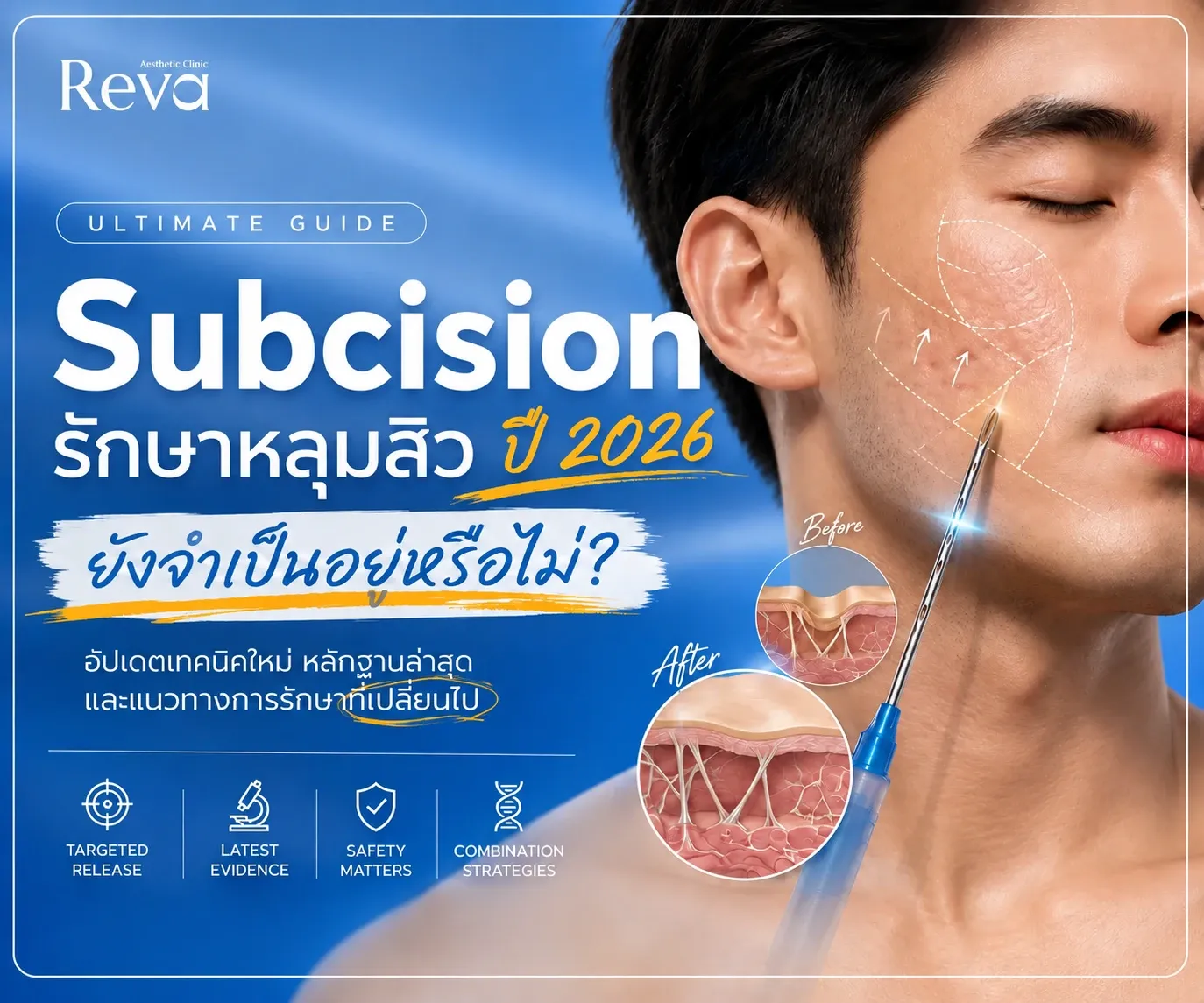
In these cases, subcision may be considered to release the fibrous attachments, either before or alongside treatments designed to improve collagen and skin texture.
So the question is not simply:
“Can Program RedTouch Pro treat rolling scars?”
It is also:
“How much tethering is present underneath the scar?”
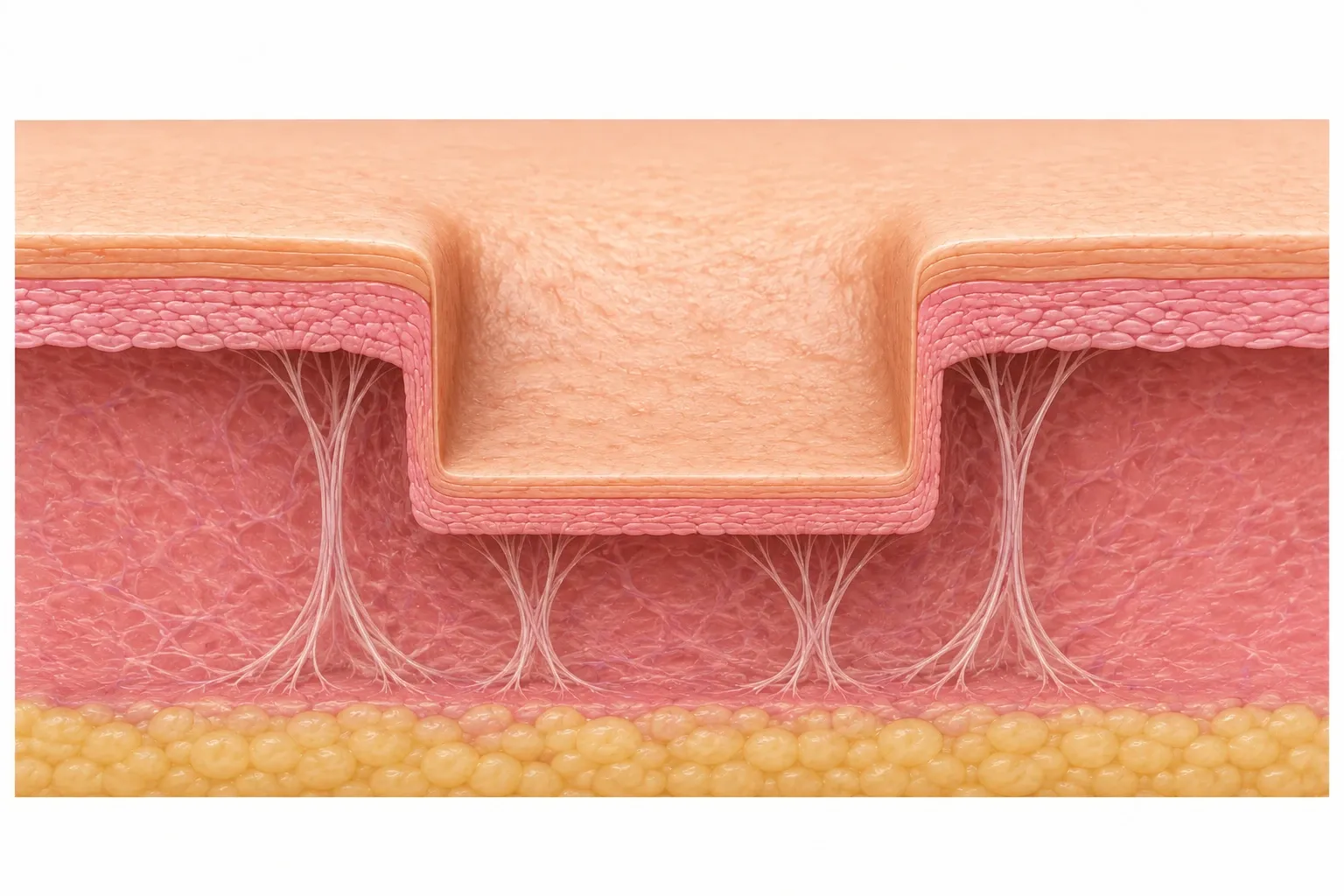
Boxcar Scars
Boxcar scars tend to have more defined edges and can range from relatively shallow to much deeper depressions.
For shallower scars, treatments targeting collagen remodeling and skin texture may have a useful role. However, deeper boxcar scars may require additional or more targeted approaches.
The depth of the scar can therefore be just as important as the label “boxcar scar” when planning treatment.
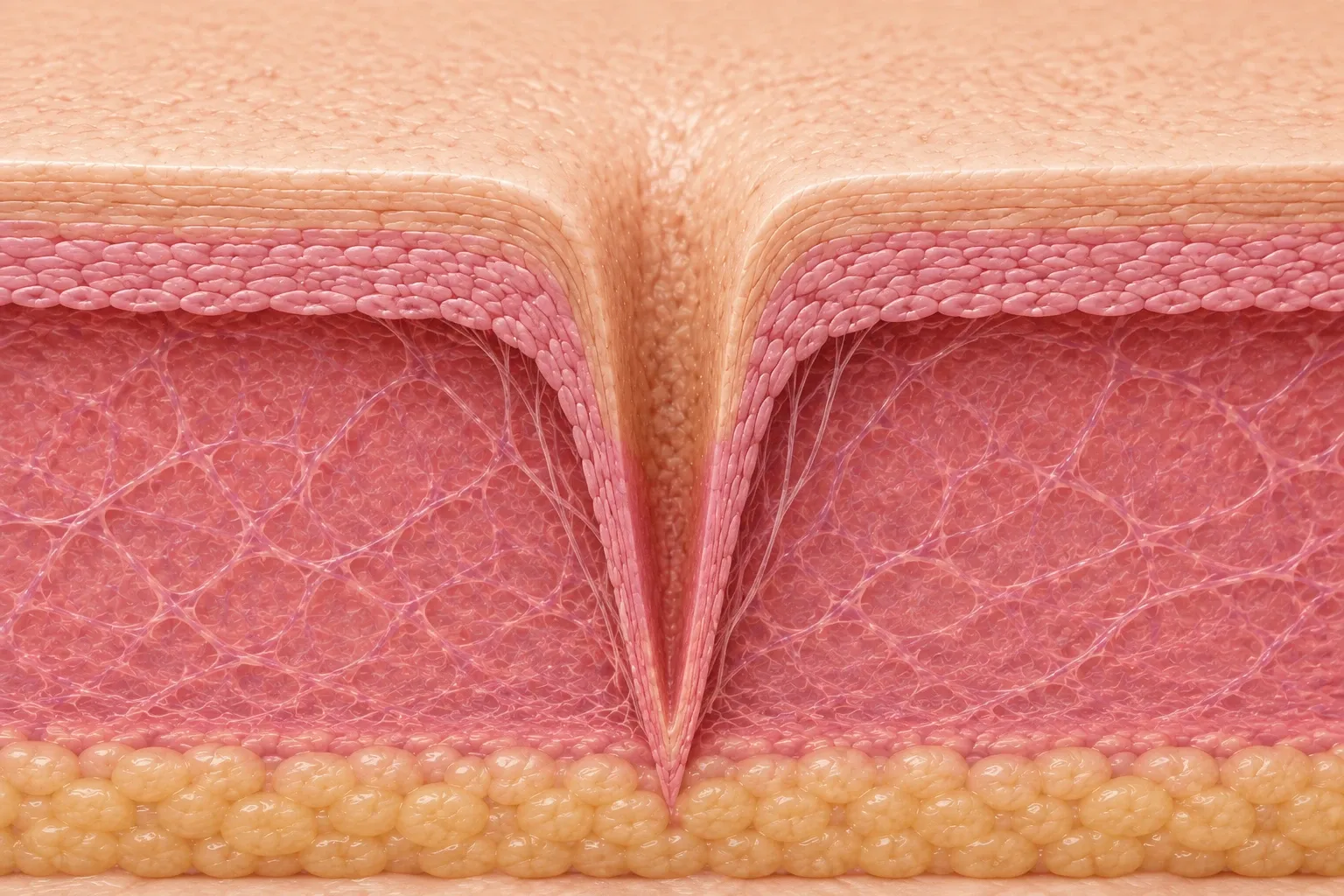
Ice-Pick Scars
Ice-pick scars are characteristically narrow but extend relatively deeply into the skin.
Because of their shape and depth, they often require a more focal approach to treatment. A laser designed to improve overall skin quality and collagen remodeling may therefore not address the entire problem when used alone.
This is one reason why acne scar treatment frequently involves more than one technique on the same face.
How Does the STAMP Technique Fit Into Acne Scar Treatment at Reva Clinic?
At Reva Clinic, we do not approach Program RedTouch Pro as simply moving the handpiece across the entire face in the same way for every patient.
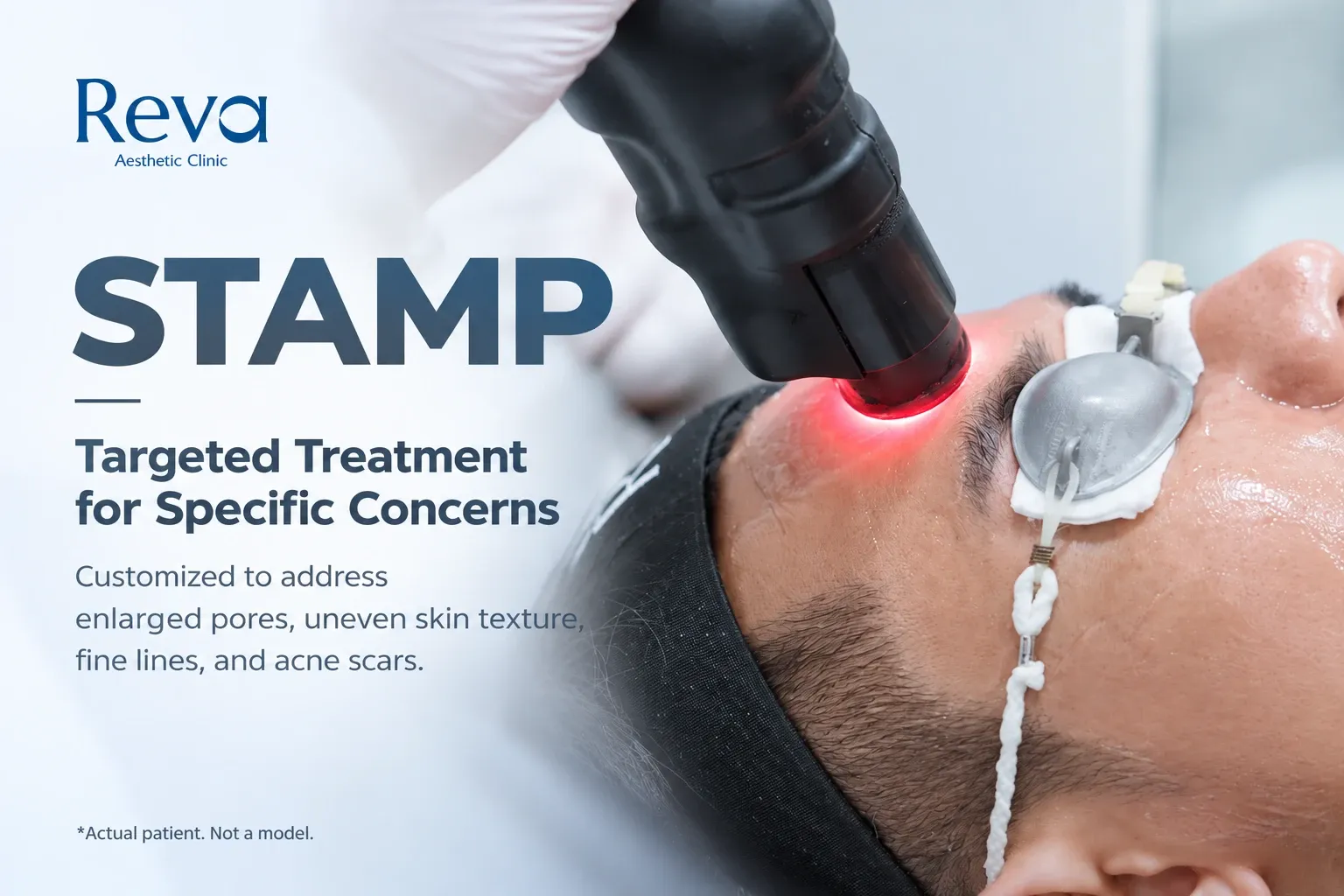
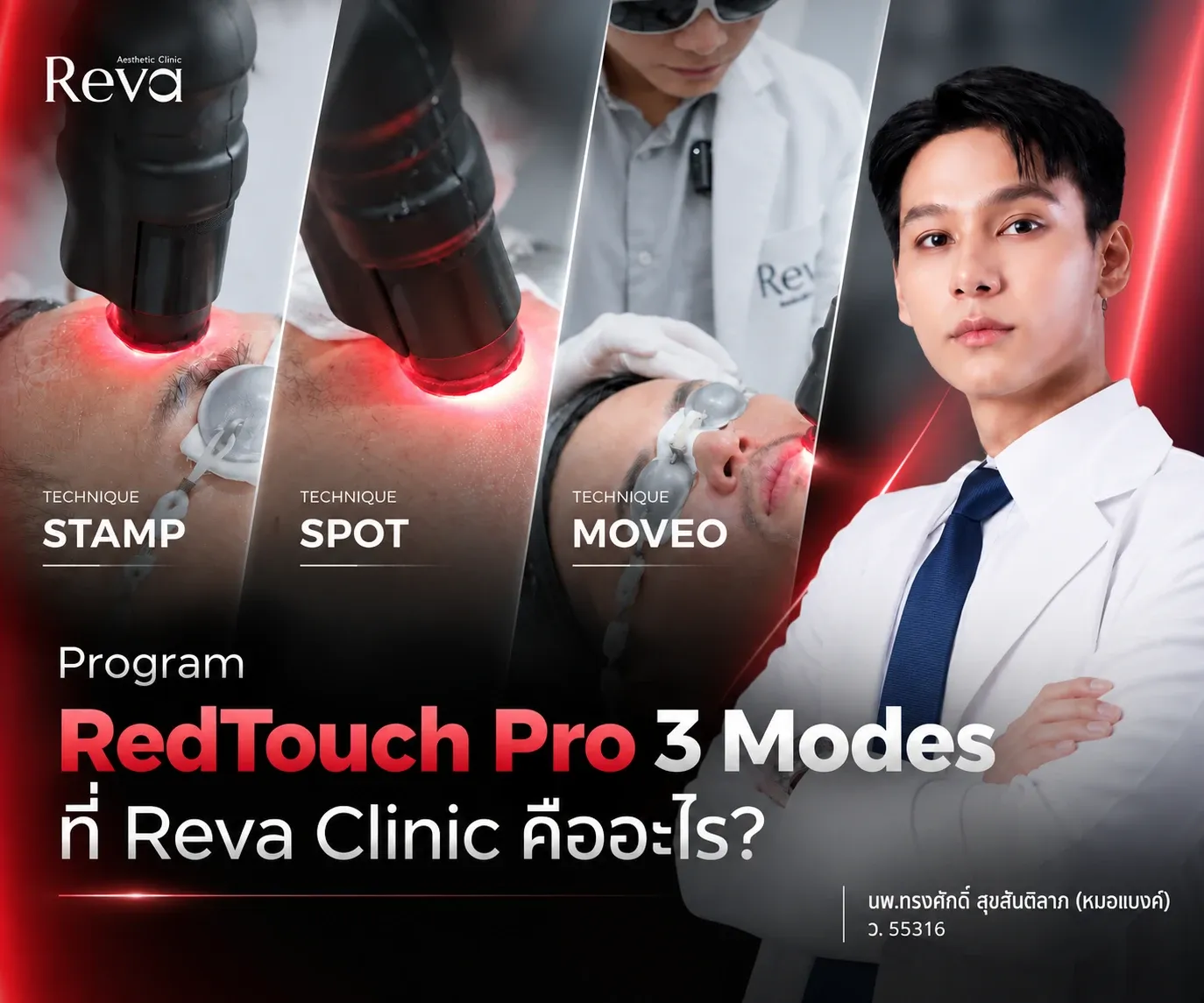
Our protocol combines MOVE + STAMP + SPOT, with the treatment design adjusted according to the patient's actual skin concerns.
For patients with acne scars or uneven texture, MOVE is used as part of the approach to overall skin quality and collagen stimulation, while STAMP allows the physician to place greater emphasis on specific areas with concerns such as uneven texture, enlarged pores, fine lines, or atrophic scars.
Interestingly, this concept is also reflected in the recent Siriraj study, where treatment did not rely on only one delivery method. Each session sequentially combined Moveo with Standard fractional stamping.
This does not mean that every patient should receive identical settings, passes, or treatment density.
The distribution and depth of acne scars vary from person to person, so the treatment design needs to vary as well.
The same device does not always mean the same treatment.
Learn more about Program RedTouch Pro at Reva Clinic.
How Many Program RedTouch Pro Sessions Are Needed for Acne Scars?
In the recent Siriraj study, participants underwent three sessions at approximately one-month intervals, with outcomes followed for up to six months after the final treatment.
However, this should not be converted into a rule that every patient with acne scars requires exactly three sessions.
The appropriate number of treatments depends on factors such as scar type, depth, treatment area, baseline skin quality, response to previous sessions, and whether other procedures are being used as part of the treatment plan.
It is also important to remember that collagen remodeling takes time.
Histological research on the 675 nm wavelength demonstrated collagen changes in tissue evaluated 45 days after treatment, supporting the idea that the result should not be judged only a few days after a session.
Are Deep Acne Scars Suitable for Program RedTouch Pro Alone?
Sometimes a single treatment modality may be sufficient for the patient's goals, but in many cases, combination treatment is more appropriate.
This is particularly relevant when someone has several types of scars at the same time or has deeper and tethered scars.
For example, a patient with significant tethering may require subcision to release the underlying fibrous bands, while Program RedTouch Pro can form another part of the plan to address collagen remodeling and overall skin texture.
The important question is therefore not:
“Which machine is best for acne scars?”
A more useful question is:
“What is causing each scar, and which part of its structure needs to be treated?”
Once the scar is assessed this way, the treatment plan becomes much more specific to the individual.
Read more about Subcision for Acne Scars here
So, Is Program RedTouch Pro Suitable for Acne Scars?
Program RedTouch Pro is one option for managing atrophic acne scars and uneven skin texture, with a growing body of clinical evidence supporting the use of the 675 nm wavelength. Importantly, prospective evidence is now available specifically in patients with Fitzpatrick skin types III–IV.
But acne scars are not a single condition that should always be treated with a single technique.
Some patients primarily need collagen remodeling. Others have tethering that needs to be released. Some have deeper focal scars requiring a different approach, while many patients have several of these problems at the same time.
For this reason, at Reva Clinic we prefer to begin with scar assessment first, treatment selection second.
The goal is not simply to choose a device. It is to understand the scar and then design the treatment around it.
You can learn more about Program RedTouch Pro at Reva Clinic.